Key Points
- Geothermal retrofits lower heating and cooling expenses by 40 to 70 percent, based on system configuration and local energy rates.
- Thorough planning, including soil analysis and precise equipment sizing, ensures optimal efficiency and durability over time.
- Government incentives and financing options help mitigate initial expenses, paving the way for greater energy self-sufficiency.
- Ground-source heat pumps demand minimal upkeep, boast extended service lives, and align with objectives for comfort and environmental stewardship.
Why Geothermal Retrofits Matter
Stable temperatures exist just a few feet below the earth's surface. A geothermal system accesses this consistent thermal resource through a network of underground pipes that exchange heat with the ground. During winter months, the system extracts warmth from the earth to heat the home. In summer, excess indoor heat transfers back into the soil. This process creates an HVAC solution that operates up to five times more efficiently than traditional air-based systems.
Financial advantages include reduced monthly utility payments and elevated home resale value. Prospective buyers increasingly prioritize ongoing operational efficiency, positioning advanced systems as compelling assets. On the environmental front, decreased reliance on fossil fuels yields lower greenhouse gas emissions and diminished dependence on imported energy supplies.
Cost Breakdown and ROI Analysis
Initial installation costs for geothermal retrofits exceed those of air-source heat pumps or gas-fired furnaces. Expenses typically fall in the mid-to-upper five-figure range, influenced by system capacity, loop configuration, and site-specific soil properties. These figures may appear formidable at first glance, yet a comprehensive evaluation reveals substantial long-term value.
- Operating Cost Savings: Annual reductions reach 40 to 70 percent for heating and 30 to 50 percent for cooling relative to standard setups.
- Maintenance Savings: Positioned indoors and shielded from outdoor elements, geothermal components endure approximately twice the lifespan of conventional HVAC equipment.
- Incentives and Financing: Regional programs provide rebates, favorable loan terms, or tax deductions that offset 20 to 40 percent of the total investment.
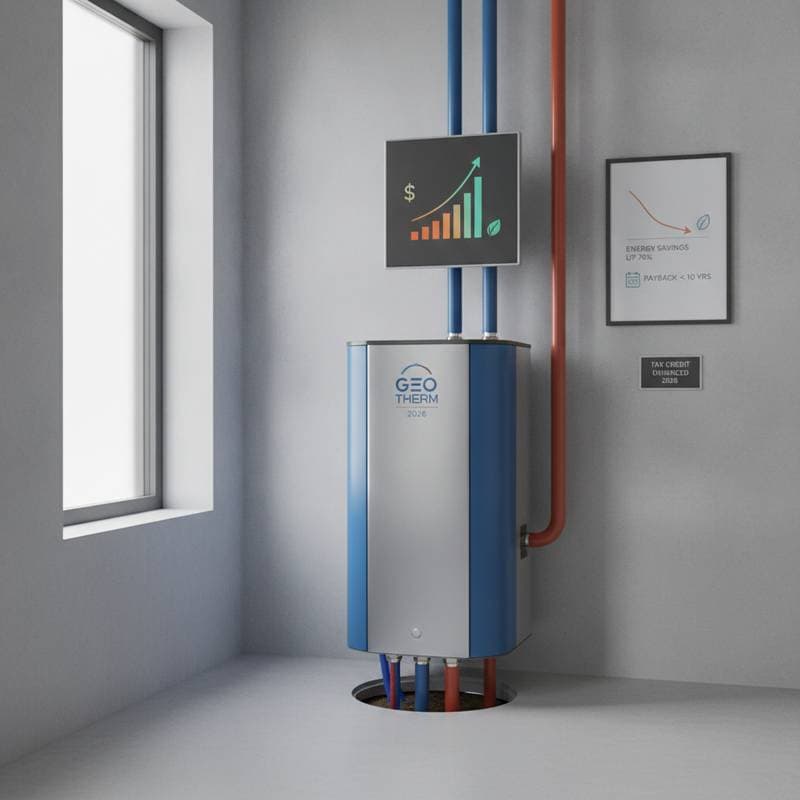
Incorporating projected energy reductions and available rebates, payback periods generally span 7 to 12 years. Beyond this horizon, ongoing savings represent net profit. Across a full lifecycle, returns often surpass 200 percent, particularly in regions with elevated utility rates.
Sustainable Features and Efficiency Gains
Geothermal systems offer environmental advantages that surpass mere cost reductions. The sealed loop design avoids any combustion process, eliminating direct emissions at the property. Consequently, indoor air quality benefits from the absence of combustion byproducts such as carbon monoxide or potential fuel leaks.
Efficiency metrics for these systems frequently surpass 400 percent, indicating that four units of heating or cooling emerge from each unit of electrical input. This performance holds steady throughout the year, unaffected by seasonal air temperature swings.
Longevity further bolsters sustainability. Underground loops withstand 50 years or longer, while the indoor heat pump unit operates reliably for 20 to 25 years. Reduced need for replacements minimizes material waste and cumulative expenses.
Frequently Asked Questions
How disruptive is the installation process?
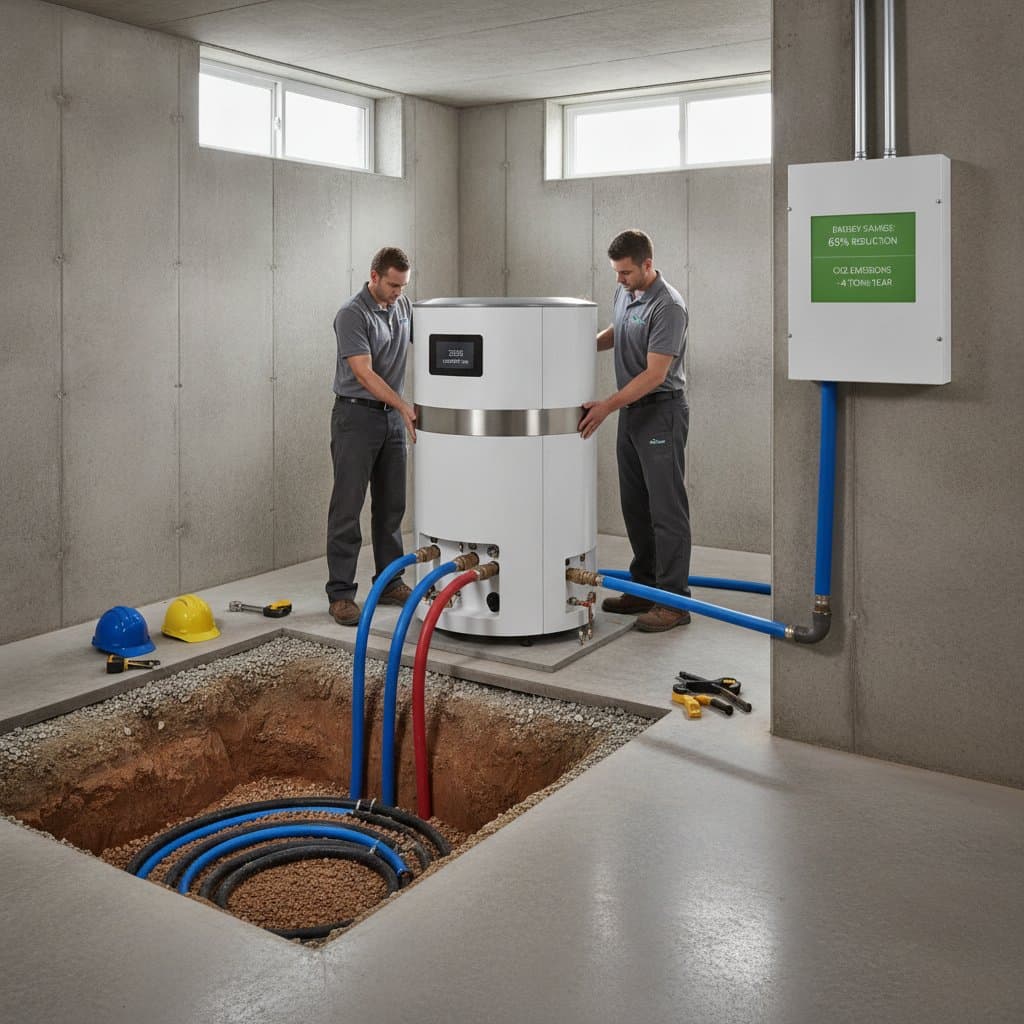
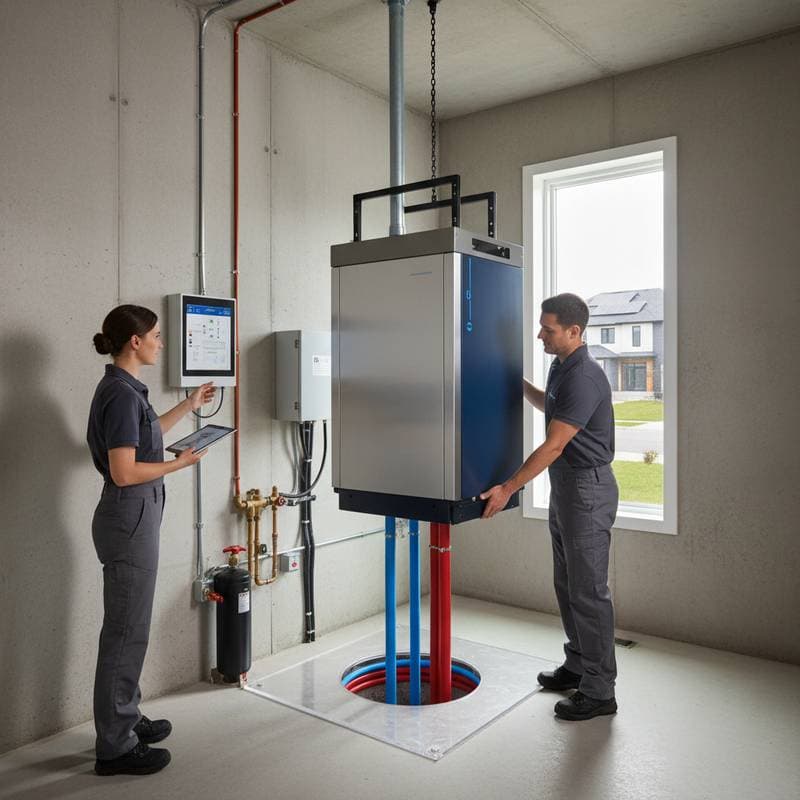
Excavation or drilling for the ground loop occurs primarily outdoors, with indoor work limited to swapping the existing furnace or air conditioner for a streamlined heat pump. Temporary landscaping impacts arise, but restoration typically follows promptly to minimize inconvenience.
Can geothermal systems work in cold or hot climates?
Performance proves reliable in extreme conditions. Heat exchange relies on consistent ground temperatures, insulating the system from surface air fluctuations.
Do I need a large lot for a geothermal retrofit?
Space requirements vary by design. Vertical loops, drilled straight down, suit compact properties effectively, allowing adaptation to diverse site limitations.
How do geothermal systems compare to air-source heat pumps?
Air-source units install with greater ease and lower initial outlay. Geothermal options, however, provide superior efficiency, reduced noise levels, and extended durability, yielding better financial outcomes over extended periods.
What kind of maintenance is required?
Routine tasks suffice for upkeep. Homeowners handle yearly filter replacements, periodic loop pressure verifications, and basic HVAC tune-ups.
Steps to Implement Your Geothermal Retrofit
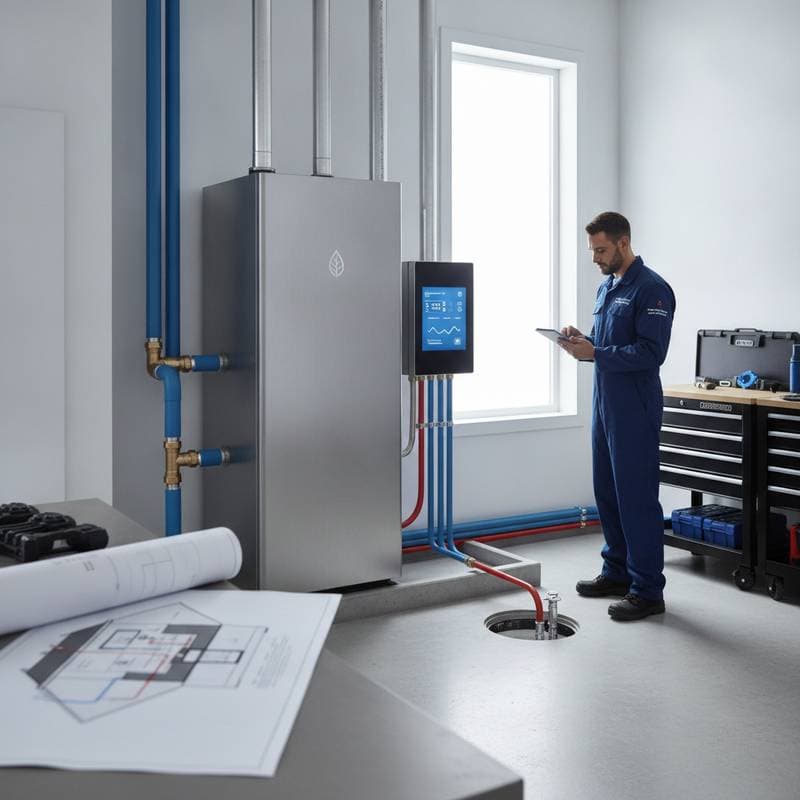
Successful geothermal adoption hinges on strategic preparation and expert guidance. Start with a professional site assessment to evaluate soil composition, available space, and current HVAC infrastructure. Next, explore financing avenues, including federal tax credits under the Inflation Reduction Act and local utility rebates, to ease the upfront burden.
Select certified installers experienced in geothermal applications, emphasizing those versed in loop field design and system integration. During implementation, prioritize zoning compliance and integration with existing smart home controls for seamless operation. The result positions your home for decades of reliable, efficient performance, yielding both economic and ecological rewards.