Key Points
- Recycled glass countertops combine beauty, durability, and environmental responsibility, making them a leading eco-kitchen trend.
- They use upcycled glass from bottles, windows, and industrial scrap, reducing landfill waste and resource extraction.
- Proper sealing, installation, and maintenance keep them shining for decades while lowering your home environmental footprint.
A Sustainable Vision for the Modern Kitchen
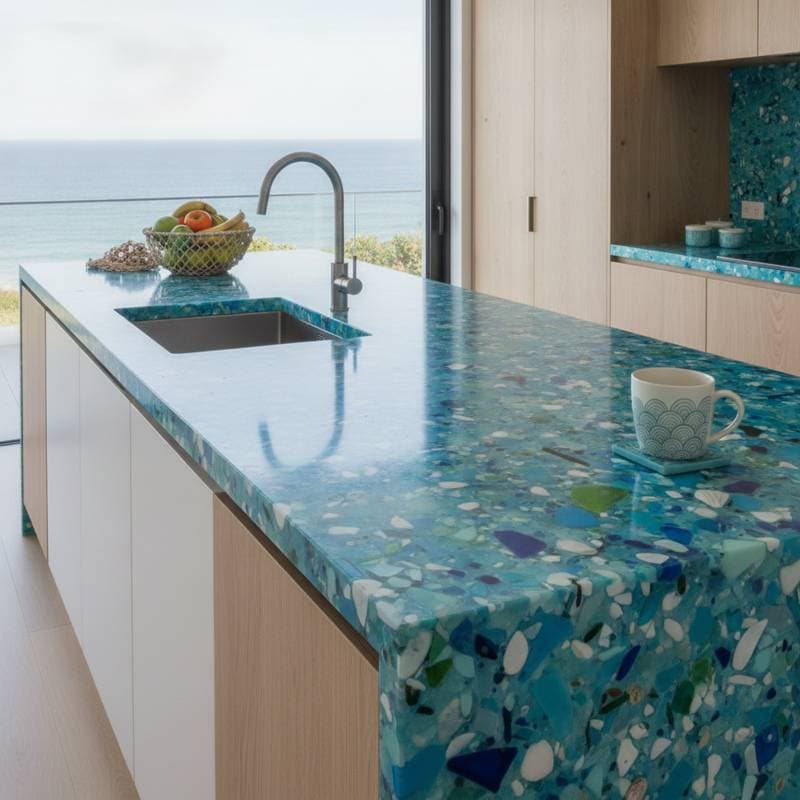
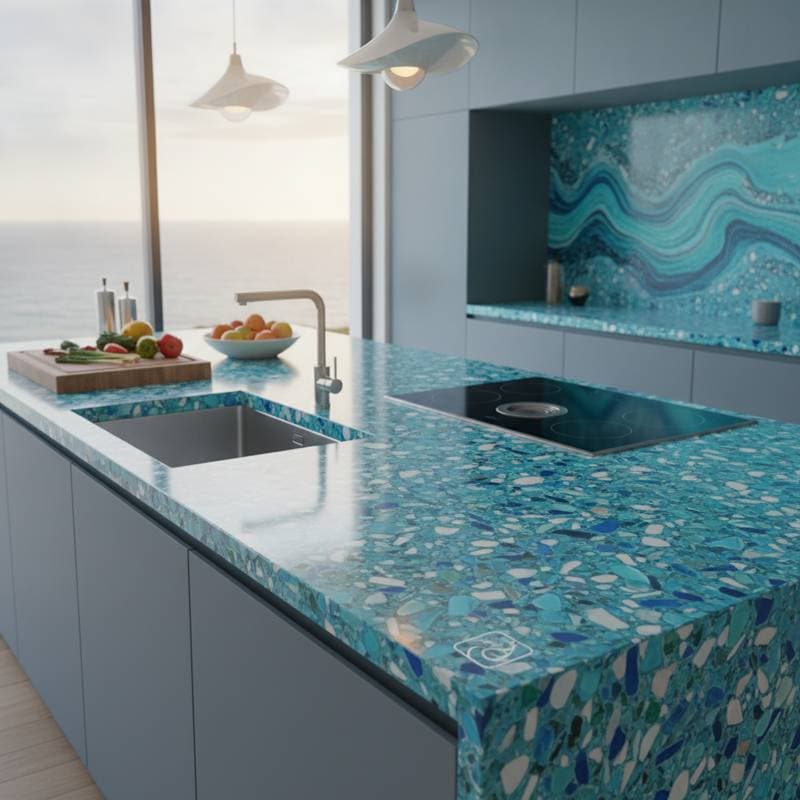
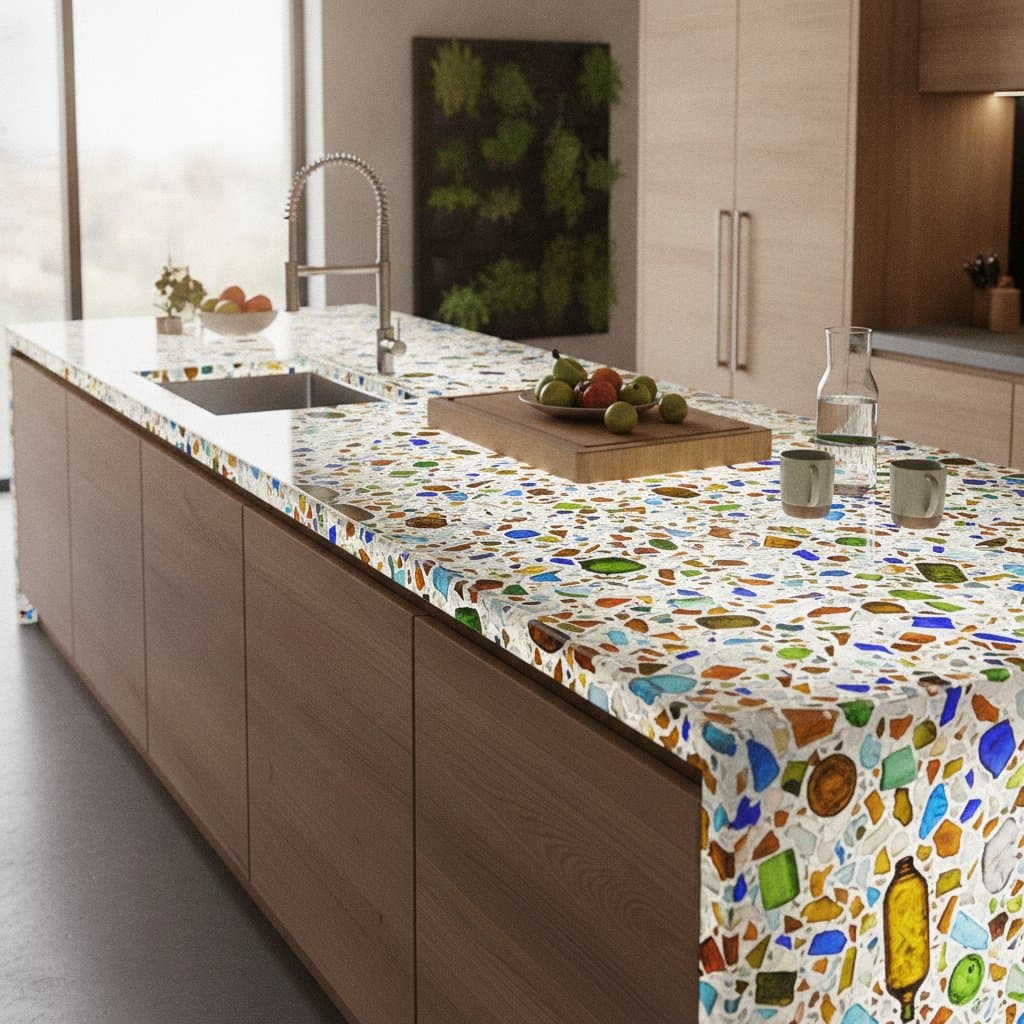
Sunlight filters through your kitchen window and glints off a countertop that catches the light like ocean glass. The surface feels smooth, solid, and natural. Yet that gleaming material once existed as beverage bottles, building windows, or even traffic lights. Homeowners often light up when they realize sustainable design can also be stunning.
If you are reimagining your kitchen to reflect both environmental mindfulness and modern aesthetics, recycled glass countertops deserve attention. They have surged in popularity among eco-conscious homeowners who want to reduce waste without sacrificing style or performance.
Why Recycled Glass Countertops Are Capturing Attention
Communities are tightening recycling standards and encouraging sustainable construction. Homeowners now seek materials that do more than look good. Recycled glass countertops directly tackle waste reduction.
Each square foot can contain up to 80 percent recycled content. This approach means fewer discarded glass bottles in landfills and less energy used to produce new raw materials. The right product and professional installation deliver durability suitable for busy kitchens.
How They Are Made
Recycled glass countertops combine crushed glass with a binder, typically cement or resin. The result is a dense, non-porous surface with unique depth and color variation. Each manufacturer blend yields distinct character. Some options show a terrazzo-like sparkle while others create a smoother, uniform finish.
Two primary categories define these countertops.
- Cement-based composites offer a natural, matte look and accept recycled aggregates from multiple sources. They are slightly more porous, so sealing every one to two years helps maintain stain resistance.
- Resin-based composites deliver a vibrant, glossy finish with lower porosity. They are often lighter and easier to maintain, suiting households that prefer low-maintenance surfaces.
Expert Tips to Boost Home Eco-Efficiency
Choosing recycled glass countertops starts a greener kitchen. Consider the entire lifecycle of materials and how they interact with home energy use.
Choose Local Sources
Work with local fabricators who use glass from nearby recycling streams. This reduces transportation emissions and supports regional sustainability programs. Ask suppliers about sourcing standards and waste management practices.
Evaluate the Binder
Eco-friendly resins made from bio-based or low-VOC materials reduce indoor air pollutants. Cement-based options can incorporate fly ash to lower embodied carbon.
Plan for Longevity
Recycled glass countertops can last over two decades with proper care. Use cutting boards to avoid scratching. Clean with mild soap and water. Reseal cement-based surfaces on schedule. Longer use means fewer materials consumed over time.
Integrate with Other Green Upgrades
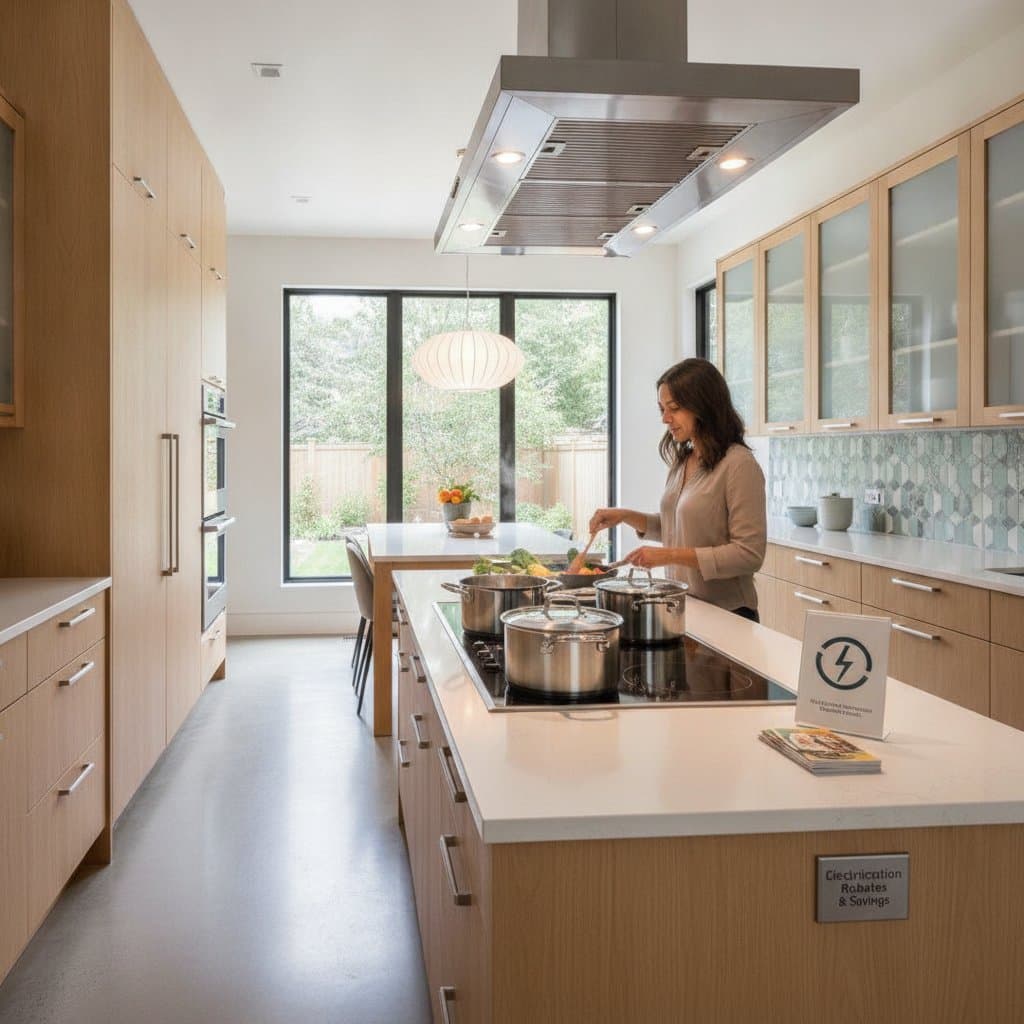
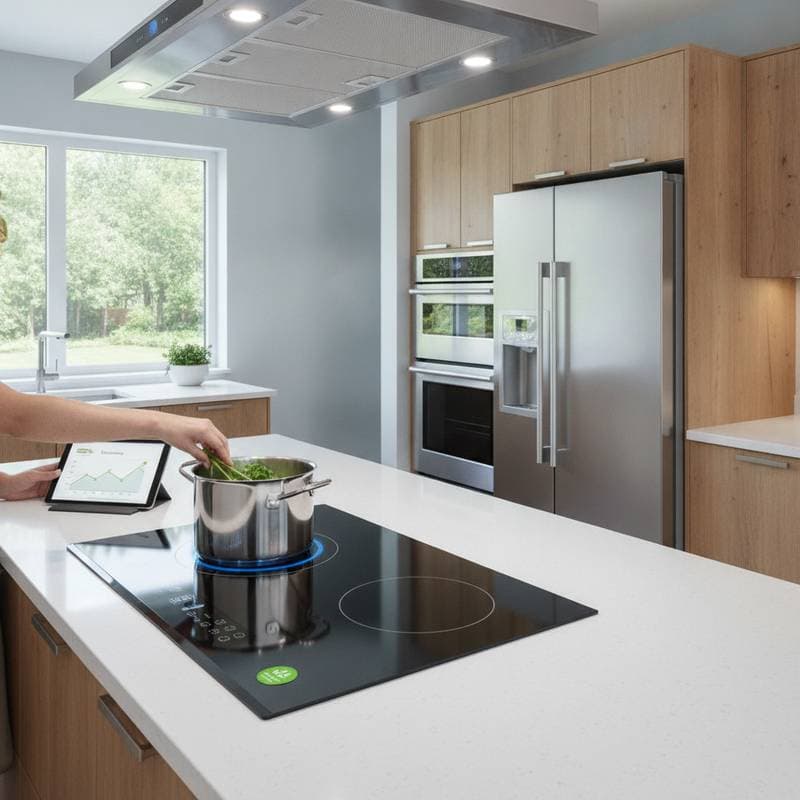
Pair countertop installation with LED task lighting, water-efficient faucets, and Energy Star-rated appliances. Combined upgrades can reduce kitchen energy use by 25 percent or more.
Understanding Cost, Care, and Certification
Expect to pay between 60 and 130 dollars per square foot installed. The range depends on region, design complexity, and brand. Recycled glass countertops contribute to LEED and Green Globes points for sustainable building certifications.
Maintenance stays straightforward. Wipe resin-based surfaces with a non-abrasive cleaner to restore shine. Reseal cement-based versions occasionally to protect against acidic spills. Avoid harsh chemicals or bleach that can dull the finish.
Comparing Recycled Glass to Other Sustainable Countertops
Homeowners often compare recycled glass to bamboo, reclaimed wood, or concrete. Recycled glass stands out for its combination of elegance and resilience.
Advantages include high recycled content, low waste generation, resistance to heat, scratches, and stains when properly sealed, distinctive artistic color depth, and easy recyclability at end of life.
Potential drawbacks include heavier weight that requires sturdy cabinetry support, visible seams in larger installations, and the need for professional installation to prevent cracking or uneven curing.
Homeowners fall in love with recycled glass because it turns sustainability into something tangible. Every shard tells a story of repurposed beauty.
Your Path to an Eco Kitchen
Upgrading to recycled glass countertops transforms the kitchen into an example of environmental craftsmanship. Request samples from certified suppliers and compare texture, finish, and color variation under kitchen lighting. Reach out to a vetted green building expert for a no-obligation quote. Professional installation ensures correct sealing and compliance with local building codes.
Thoughtful planning aligns design vision with environmental commitment. The kitchen becomes more than a place to prepare meals. It serves as a daily reminder that beauty and sustainability coexist gracefully.
Frequently Asked Questions
Q: How long do recycled glass countertops typically last?
A: With proper care they can last 20 years or more. Regular cleaning and scheduled resealing for cement-based versions help maintain durability and luster.
Q: Can recycled glass countertops be repaired if chipped?
A: Minor chips can often be filled with matching epoxy resin. For larger damage a professional refinisher can restore the surface without full replacement.