Geothermal Heat Pumps Reduce Heating Costs by up to 65 Percent
Key Points
- Homeowners using geothermal heat pumps cut heating costs by up to 65 percent according to recent energy efficiency data.
- Ground source systems rely on stable underground temperatures to deliver consistent heating and cooling throughout the year.
- Installation costs typically range from 15000 dollars to 35000 dollars yet long term savings and available incentives shorten payback periods.
- Advances in drilling techniques and loop design continue to reduce upfront expenses over time.
- These systems lower household carbon emissions by as much as 70 percent compared with traditional fossil fuel furnaces.
How Geothermal Heat Pumps Work
A geothermal heat pump transfers heat between a home and the ground. It relies on electricity to move heat rather than generating it through combustion.
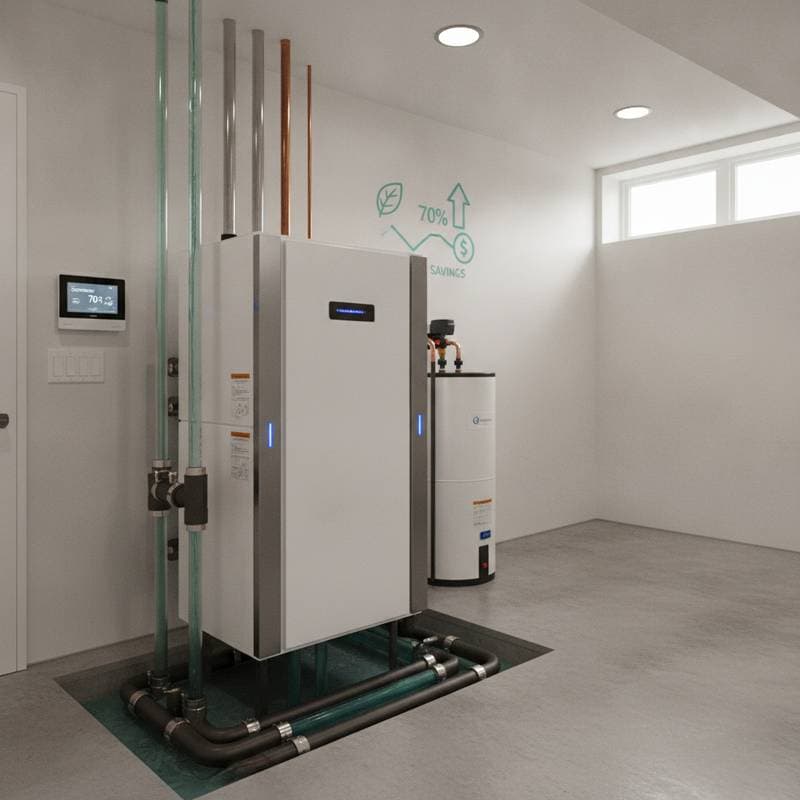
The process follows four main steps. First a series of pipes known as loops is buried underground in either a horizontal or vertical configuration. These loops circulate a water or antifreeze solution. During winter the fluid absorbs heat from the ground where temperatures remain between 45 and 75 degrees Fahrenheit. The indoor unit then compresses the captured heat and distributes it through existing ductwork or radiant systems.
In summer the cycle reverses. Heat is extracted from indoor air and returned to the ground. This approach allows the system to function as a highly efficient air conditioner. The United States Environmental Protection Agency notes that geothermal systems reach 300 to 600 percent efficiency and therefore produce three to six units of heat for every unit of electricity consumed.
Costs and Savings Breakdown
Geothermal systems require a larger initial investment than conventional furnaces yet deliver substantial long term returns.
| Cost Element | Typical Range | Notes |
|---|---|---|
| System and Loop Installation | 15000 - 35000 dollars | Varies with home size and soil conditions |
| Annual Operating Cost | 500 - 1200 dollars | Depends on local electricity rates |
| Average Annual Savings | 50 - 65 percent | Compared with oil propane or electric heating |
| Payback Period | 5 - 10 years | Shortens with incentives |
| System Lifespan | 25 plus years for pump 50 plus years for loop | Requires minimal maintenance |
Energy consultants report that the annual return on investment often reaches 10 to 15 percent when savings and reduced maintenance are combined.
Available Incentives and Financing
Many regions provide tax credits low interest loans or rebates for renewable heating installations. These programs combined with immediate utility savings can reduce payback time by nearly half. Homeowners who finance through energy efficiency loans frequently find that monthly payments are offset by lower utility bills from the start.
Comparison with Other Heating Systems
The following table shows how geothermal heat pumps compare with alternative technologies across key performance metrics.
| System Type | Efficiency (COP) | Average Lifespan | Annual Cost for 2000 sq ft Home | Emissions Impact |
|---|---|---|---|---|
| Geothermal Heat Pump | 3.5 - 6.0 | 25 plus years | 500 - 1200 dollars | Very Low |
| Air Source Heat Pump | 2.0 - 3.5 | 15 years | 900 - 1800 dollars | Moderate |
| Natural Gas Furnace | 0.8 - 0.95 | 15 - 20 years | 1200 - 2400 dollars | High |
| Oil Furnace | 0.75 - 0.9 | 15 - 20 years | 1800 - 3000 dollars | Very High |
| Electric Resistance | 1.0 | 15 years | 2000 - 3500 dollars | High depending on grid mix |
Coefficient of performance measures heat output per unit of electricity. Geothermal systems rank highest in efficiency and environmental performance.
Addressing Common Concerns
Homeowners sometimes hesitate because of questions about cost reliability or site suitability. The following points clarify typical issues.
Limited Yard Space
Vertical loop designs require only a few square feet of surface area. Systems can be installed beneath driveways or landscaped sections without disrupting property use.
High Upfront Cost
Financing options and incentives often bring net costs in line with premium HVAC replacements. Energy savings begin immediately and improve long term value.
Potential Move Before Full Payback
Properties equipped with geothermal systems sell faster and at higher prices. Lower operating costs and sustainability features add several thousand dollars to resale value.
Real World Performance Examples
Recent installations demonstrate consistent results across different settings. One homeowner replaced an oil furnace with a three ton system and reduced annual heating costs from 2800 dollars to approximately 1000 dollars. A small office retrofit achieved nearly 60 percent lower energy expenses while improving comfort levels. In cold climates hybrid configurations that pair geothermal units with limited electric backup maintain steady temperatures during extreme weather.
Steps for Homeowners
A structured evaluation helps ensure successful adoption and maximum savings.
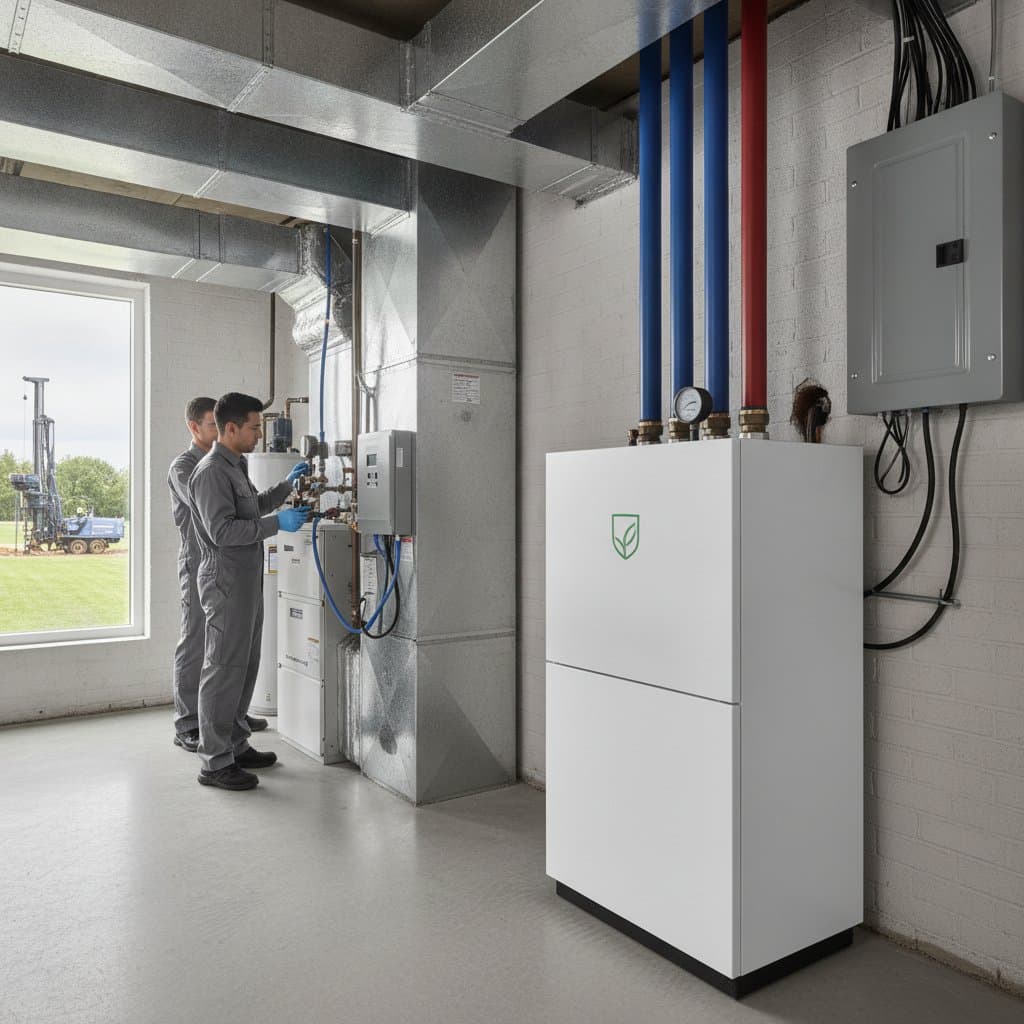
- Arrange a professional site assessment. Certified contractors evaluate soil conditions land availability and heating loads to determine optimal loop design.
- Review local incentives and financing programs. Utility grants municipal rebates and tax credits can lower initial expenses by several thousand dollars.
- Consider integration with solar panels or community renewable programs to secure low cost clean energy over the long term.
- Schedule routine maintenance. Annual checks of filters fluid levels and controls keep performance at peak levels.
- Select certified installers. Accreditation from the International Ground Source Heat Pump Association ensures compliance with standards that protect warranties and system performance.
Taking the First Step
Geothermal heating has evolved into a practical option for many households. Property owners can begin by requesting an initial assessment from a certified installer and obtaining a cost benefit comparison with their current system. Reduced utility bills higher property value and reliable renewable energy create lasting advantages.