Key Points
- Hempcrete combines hemp hurds, lime, and water to form a breathable insulation that stores carbon and regulates indoor conditions.
- This material reduces embodied carbon in homes while improving moisture control and long term durability.
- Professional installation ensures proper curing, structural fit, and compliance with local building codes.
The Rise of Carbon Storing Homes
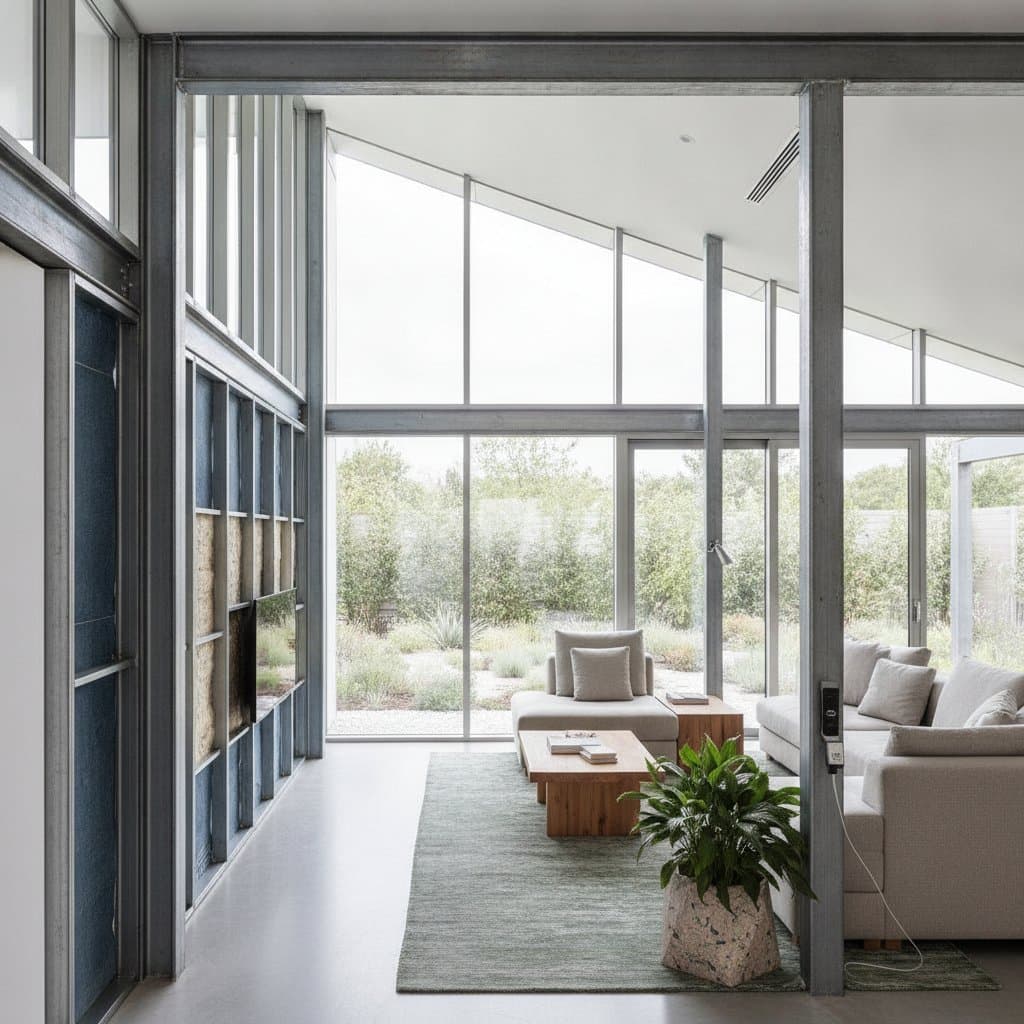
A steady natural warmth greets you upon entering a hempcrete home. The walls regulate air and moisture without mechanical assistance. Builders and homeowners now select this material to cut emissions and maintain comfort.
Hempcrete moves beyond standard insulation. It forms a system that stores carbon for decades and supports energy efficiency across climates.
Limitations of Conventional Insulation
Materials such as fiberglass and spray foam depend on petrochemicals. They deliver thermal resistance yet carry high embodied carbon and resist recycling. In damp areas these products often trap moisture and foster mold.
Hempcrete permits vapor transmission. It balances humidity, deters pests, and avoids toxic emissions to support healthier indoor air.
Composition and Performance
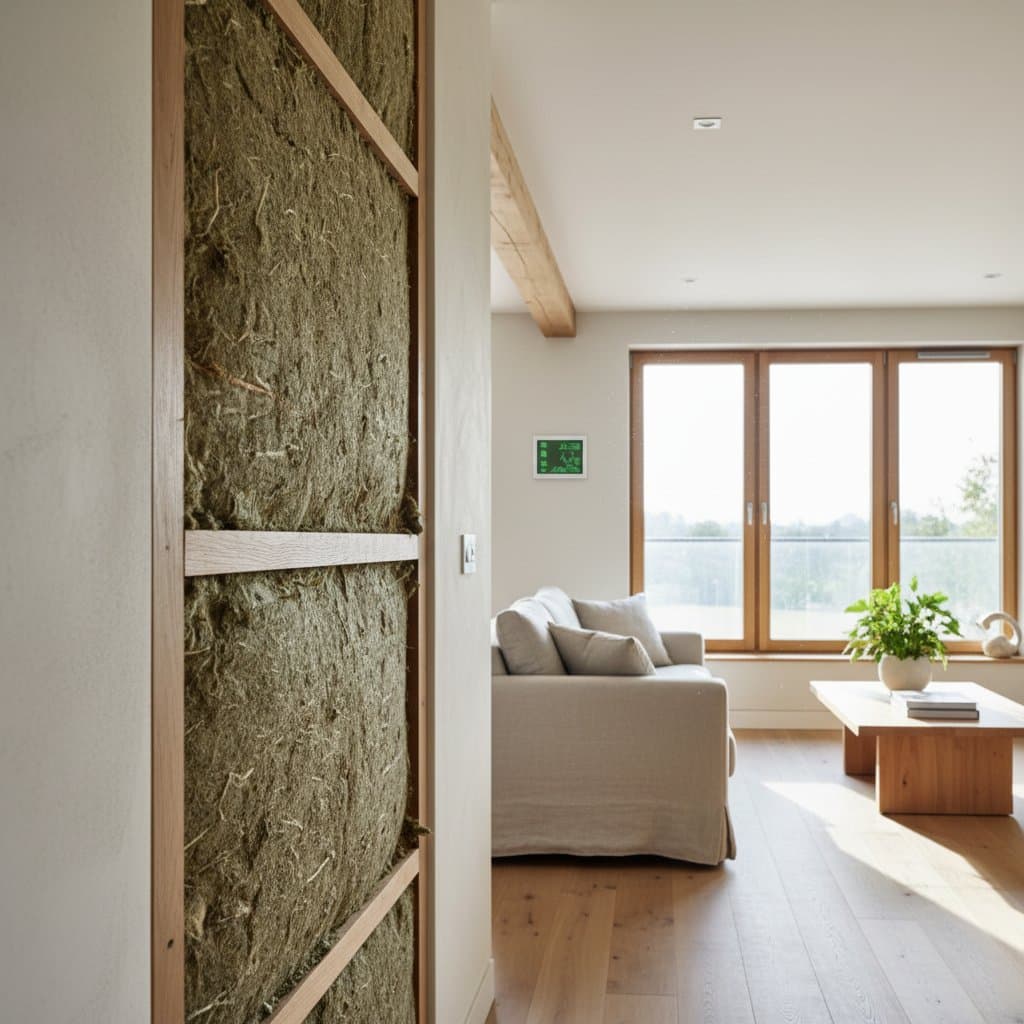
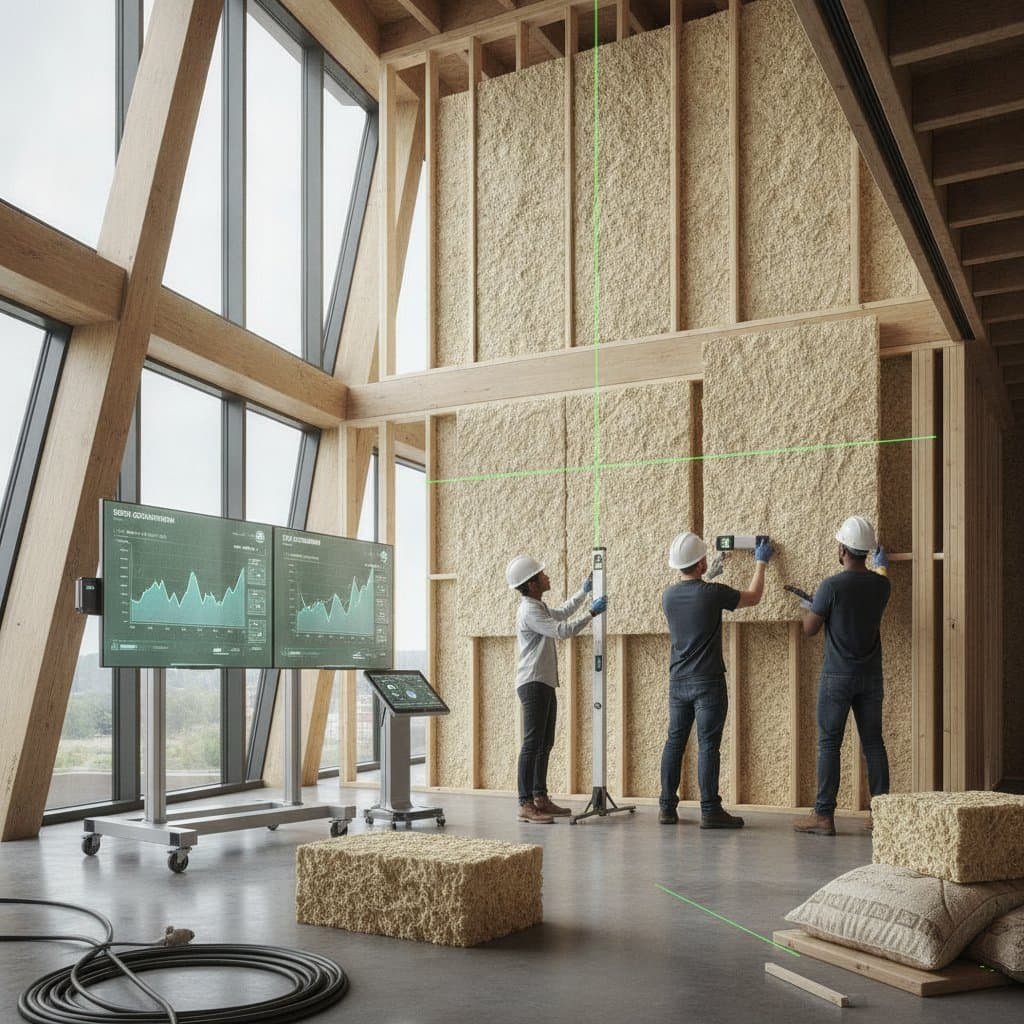
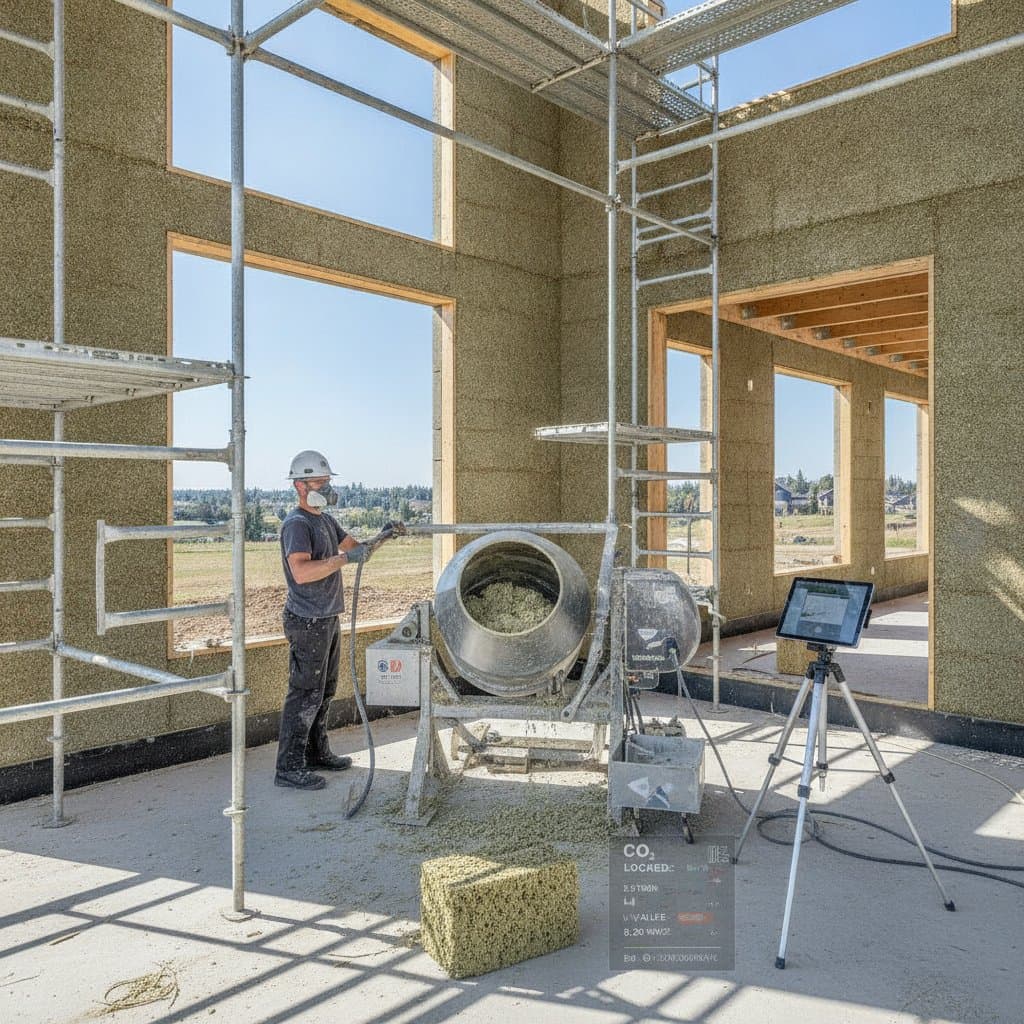
Hempcrete results from mixing the woody core of the hemp plant with lime and water. Workers place the blend around a structural frame where it hardens. The lime binds carbon dioxide during curing and yields one of the lowest net carbon footprints among building materials.
Distinct Advantages
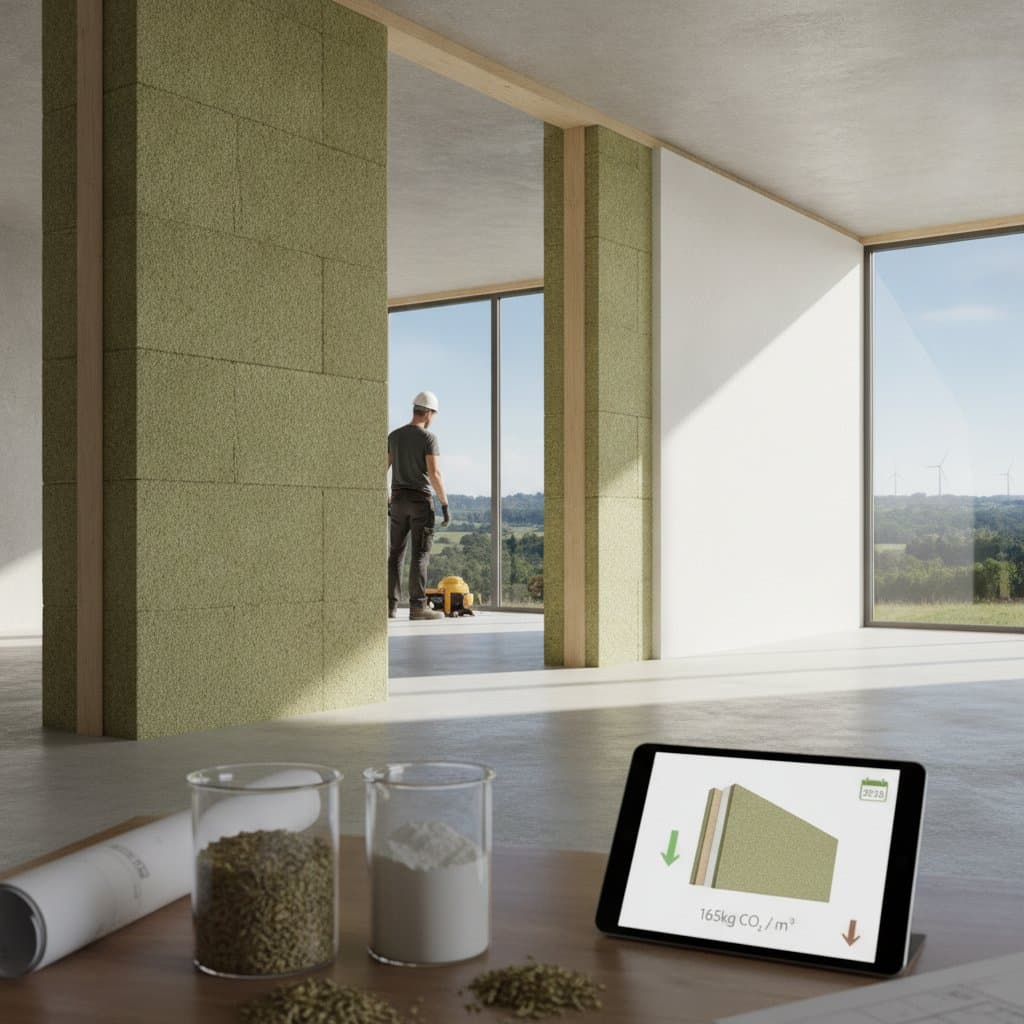
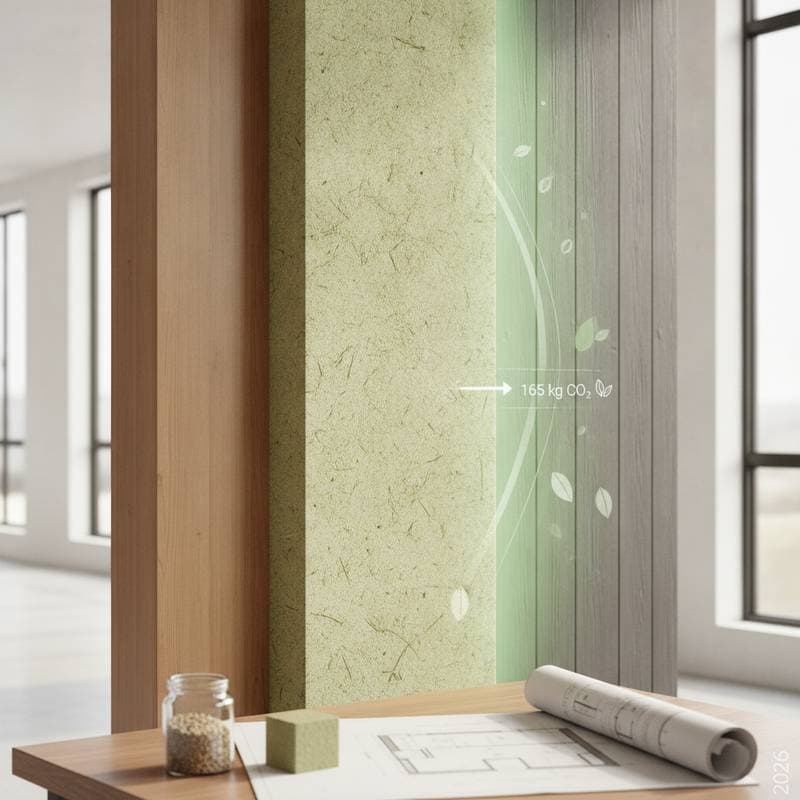
- Carbon Storage: One cubic meter absorbs up to 165 kilograms of carbon dioxide.
- Thermal Performance: High resistance per inch maintains steady indoor temperatures.
- Moisture Regulation: Walls sustain balanced humidity and block condensation.
- Service Life: Sound construction yields walls that endure for generations.
- Health Qualities: The mix contains no formaldehyde or volatile organic compounds.
Steps for Successful Integration
Climate and framing type guide placement. Timber or steel frames suit most regions. Adequate roof overhangs and drainage protect walls during cure in wet zones. Triple glazing pairs well with hempcrete in cold climates.
Select cleaned and graded local hurds. Use lime binders made for this application. A volume ratio of one part binder to three parts hurds produces reliable strength. Mix gently and place in thin layers.
Curing requires four to eight weeks of protection from direct rain and excess sun. Natural lime plaster finishes preserve vapor permeability.
Cost and Return Considerations
Initial installation runs 10 to 15 percent above conventional options at roughly 12 to 18 dollars per square foot. Owners commonly record 30 percent reductions in heating and cooling expenses within the first year. Lower maintenance and better air quality add lasting value.
Each ton of hempcrete removes more carbon than it generates. Paired with renewable systems the approach supports net zero or net negative performance.
Compliance and Certification
Hempcrete serves as non load bearing infill compatible with standard frames. Verify local energy and structural rules before construction. Projects often earn LEED points under materials and indoor quality categories.
Alignment with Future Home Standards
Hempcrete forms part of a system that advances energy independence. Homes require less mechanical conditioning and maintain stable quiet interiors. The natural texture and scent connect occupants to the environment.
Architect Lisa Tran notes that the material unites performance with climate action. This combination meets rising expectations for responsible construction.
Next Actions
Begin with an energy audit to target the greatest benefit. Consult a qualified green building professional for material sourcing and contractor coordination. Both new builds and retrofits can become durable carbon storing spaces.