Geothermal Heat Pumps Cut Installation Costs and Boost Efficiency
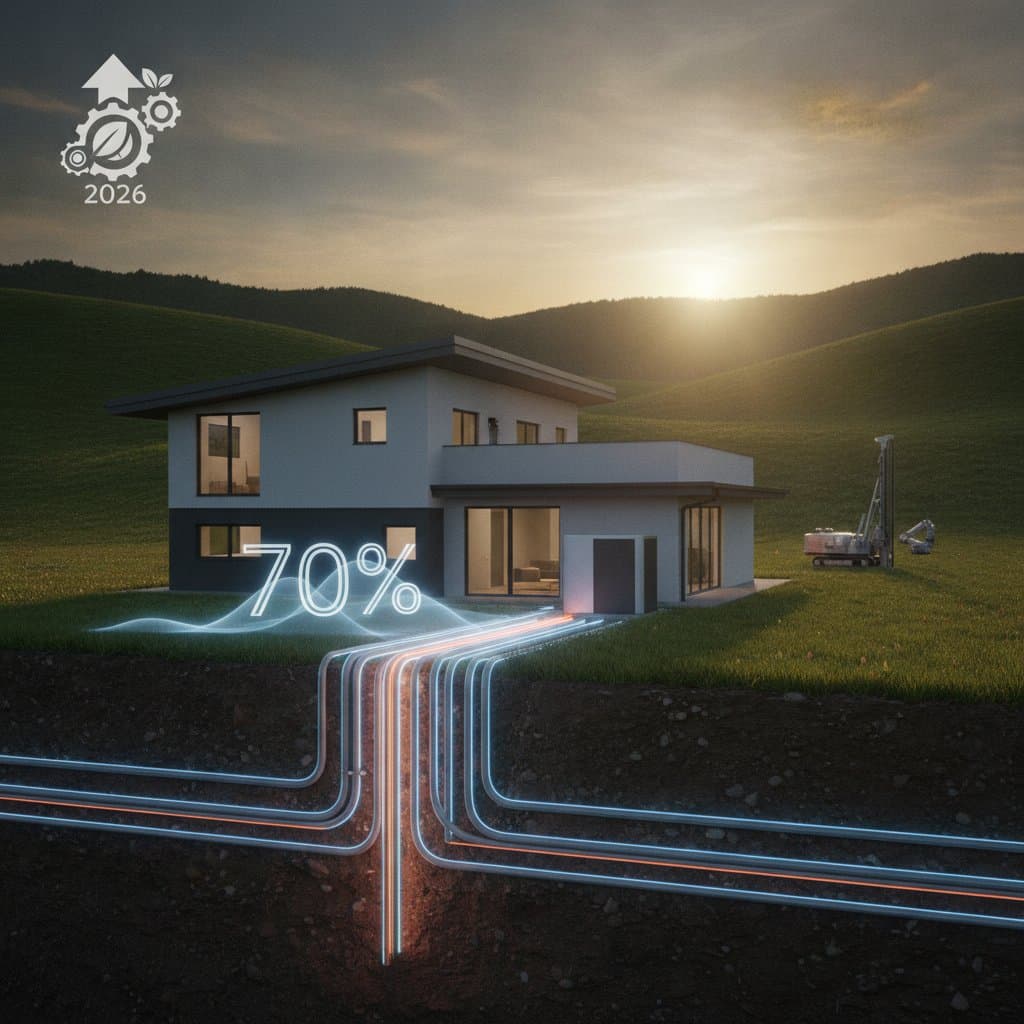
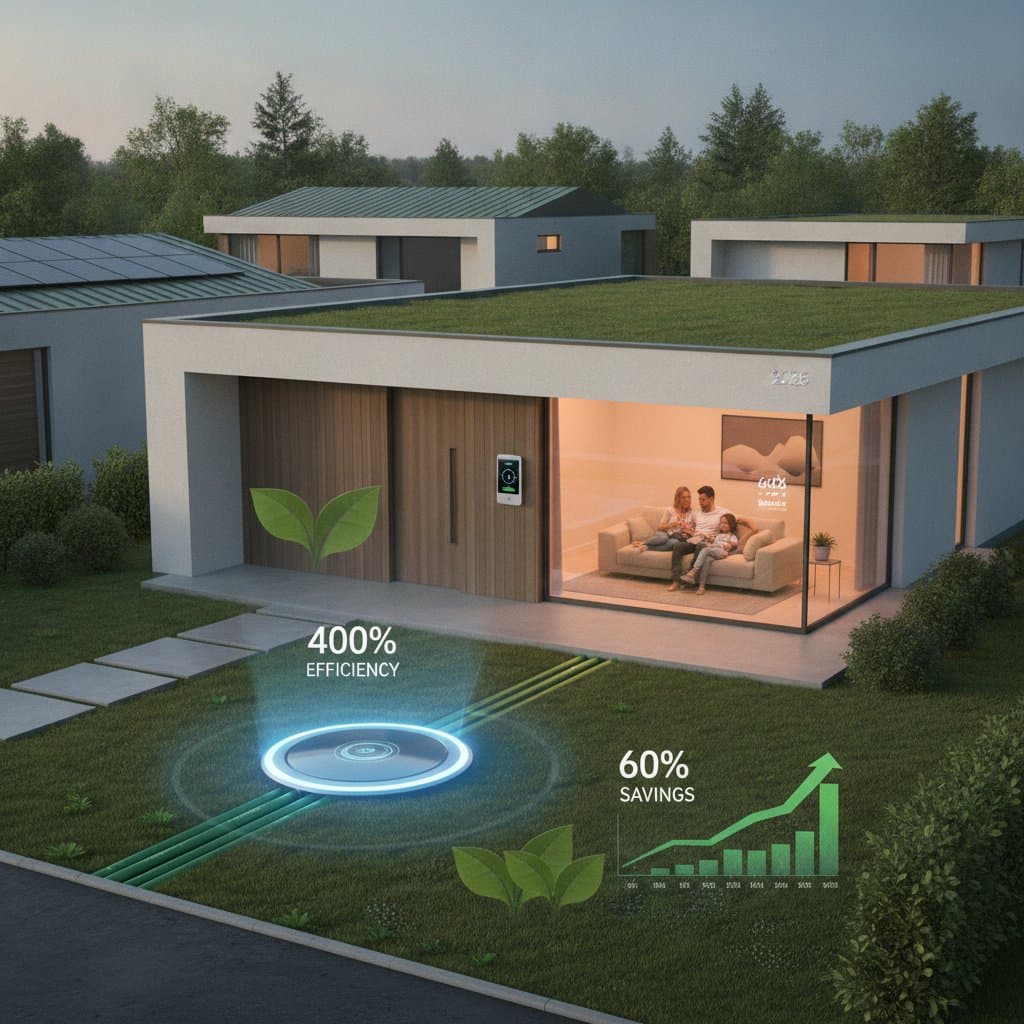
Geothermal heating and cooling systems now reach more homeowners due to lower installation expenses and higher performance levels. Project costs have dropped by about 60 percent in recent years. Modern equipment delivers efficiency ratings up to 400 percent. These improvements support reliable indoor comfort while lowering overall energy consumption.
Factors Behind Lower Project Costs
Advanced drilling equipment and optimized loop layouts reduce labor and material needs on each job. Larger production volumes lower component prices across the supply chain. Standardized parts combined with better contractor training shorten installation times. Many projects now finish at 40 to 60 percent below the expense of similar work completed only a few years ago.
Special financing options expand access for more households. Green energy loans and utility performance agreements spread payments over several years. Monthly utility savings frequently cover the new payments from the first month. This approach turns geothermal upgrades into steady investments instead of large single payments.
Typical Costs and Long Term Value
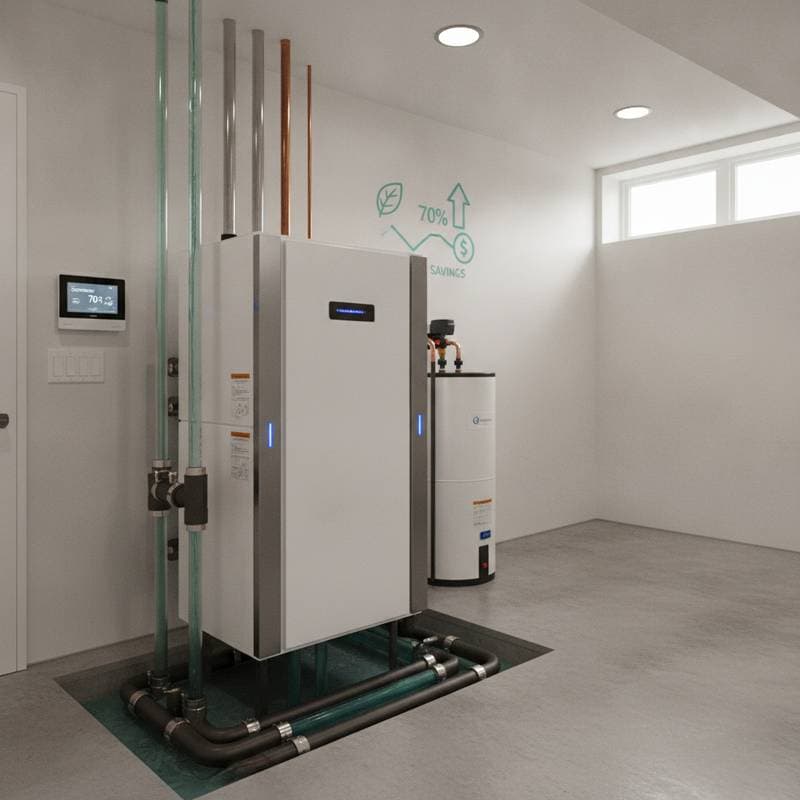
Complete systems for average homes now range from 15000 to 25000 dollars. Larger homes or sites with difficult soil conditions require higher investments. Heating and cooling bills usually fall 50 to 70 percent after installation. Federal tax credits, local rebates, and low interest loans often bring payback periods down to five to eight years.
Indoor equipment lasts more than 25 years while ground loops continue operating beyond 50 years. These service periods generate cumulative savings that exceed 40000 dollars over two decades. Property resale values increase because buyers value consistent energy performance.
Choosing the Right Ground Loop Layout
Soil conditions, available yard space, and water access guide loop selection. Horizontal loops use shallow trenches across open lots. Vertical loops employ deeper boreholes on small sites or where bedrock sits near the surface. Pond loops offer lower costs when a suitable water body exists and local permits allow the design.
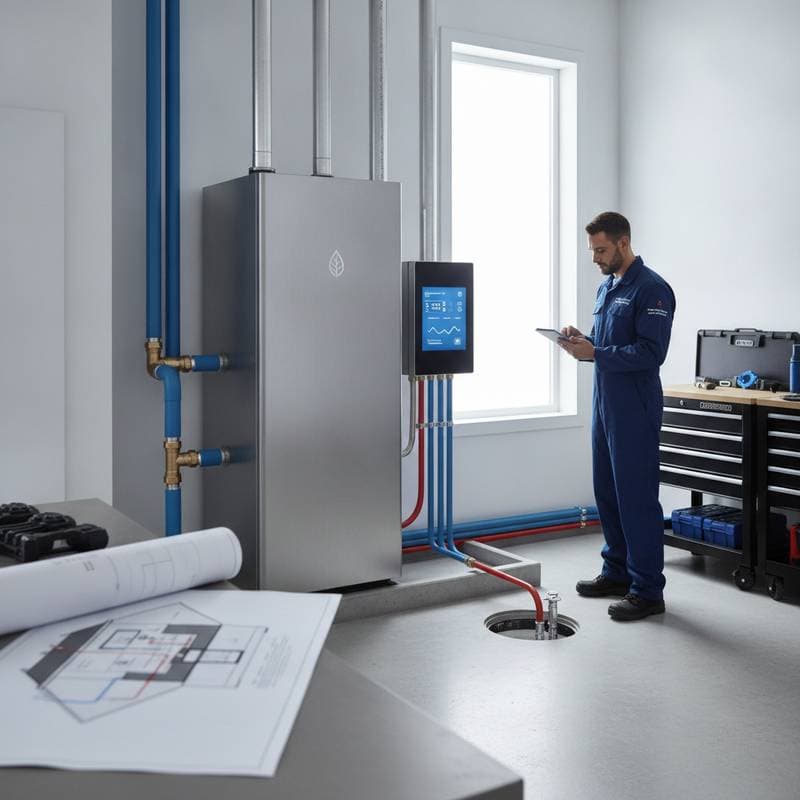
A qualified contractor performs a site assessment before finalizing any layout. Precise measurements of loop length and depth maintain efficiency and protect warranty coverage. Professional supervision throughout construction prevents later performance issues.
Efficiency Comparison With Other Options
Geothermal heat pumps achieve coefficient of performance values from 3.5 to 5.0. Air source units typically range from 2.5 to 3.0 under matching conditions. Ground loops stay protected from temperature swings, which extends equipment life past the 10 to 15 year span common with outdoor units. Fewer moving parts in sheltered locations cut routine service requirements.
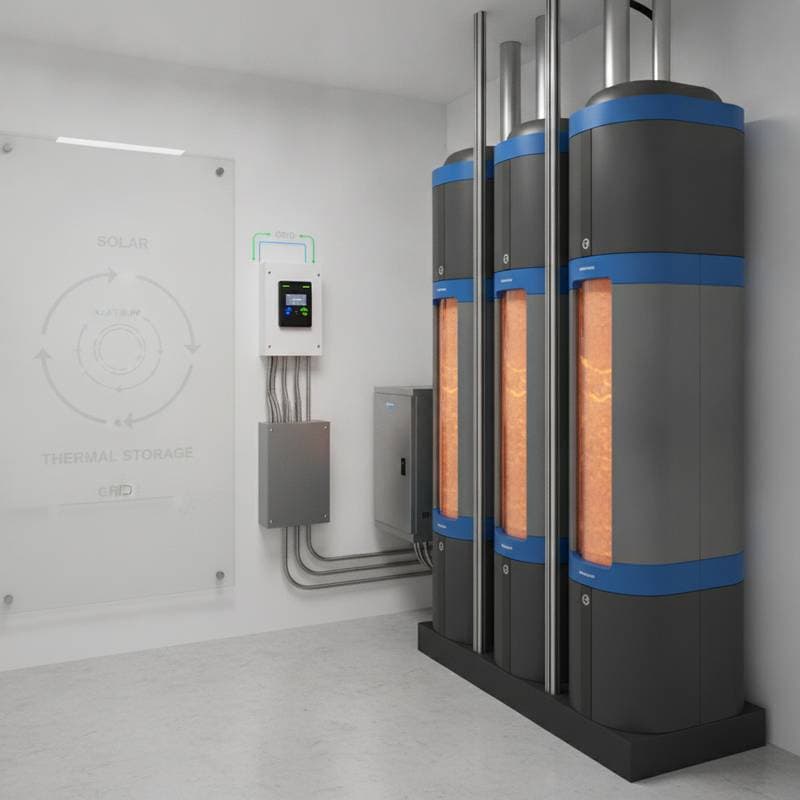
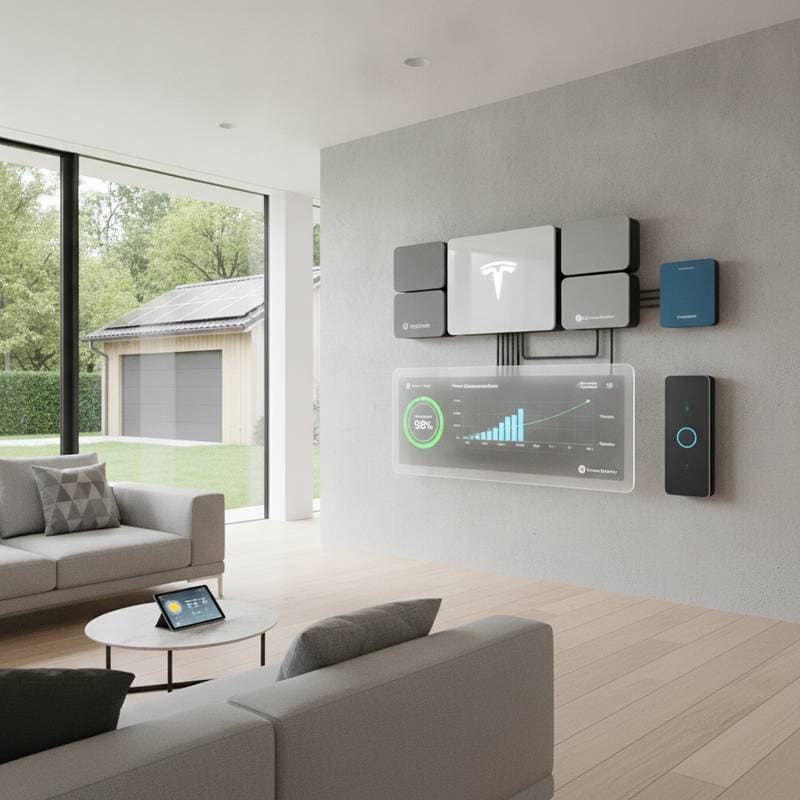
Pairing the system with rooftop solar panels lowers operating expenses further. On site electricity can run the heat pump and supply hot water with reduced grid reliance.
Steps to Begin Installation
An energy audit first identifies current usage patterns and insulation levels. This data supports accurate system sizing and cost estimates. Homeowners next review financing offers from utilities and local lenders. Combining these resources with available incentives keeps initial expenses low.
Experienced contractors supply detailed proposals that list site specific designs and projected performance. Selecting proven professionals secures reliable operation and complete warranty protection.
Long Term Benefits for Property Owners
Stable energy costs and extended equipment life deliver ongoing financial returns. Reduced maintenance needs free up time and resources. Homeowners gain comfort that remains consistent across seasons while supporting higher property values.