Grow Food on Your Roof While Producing Solar Energy
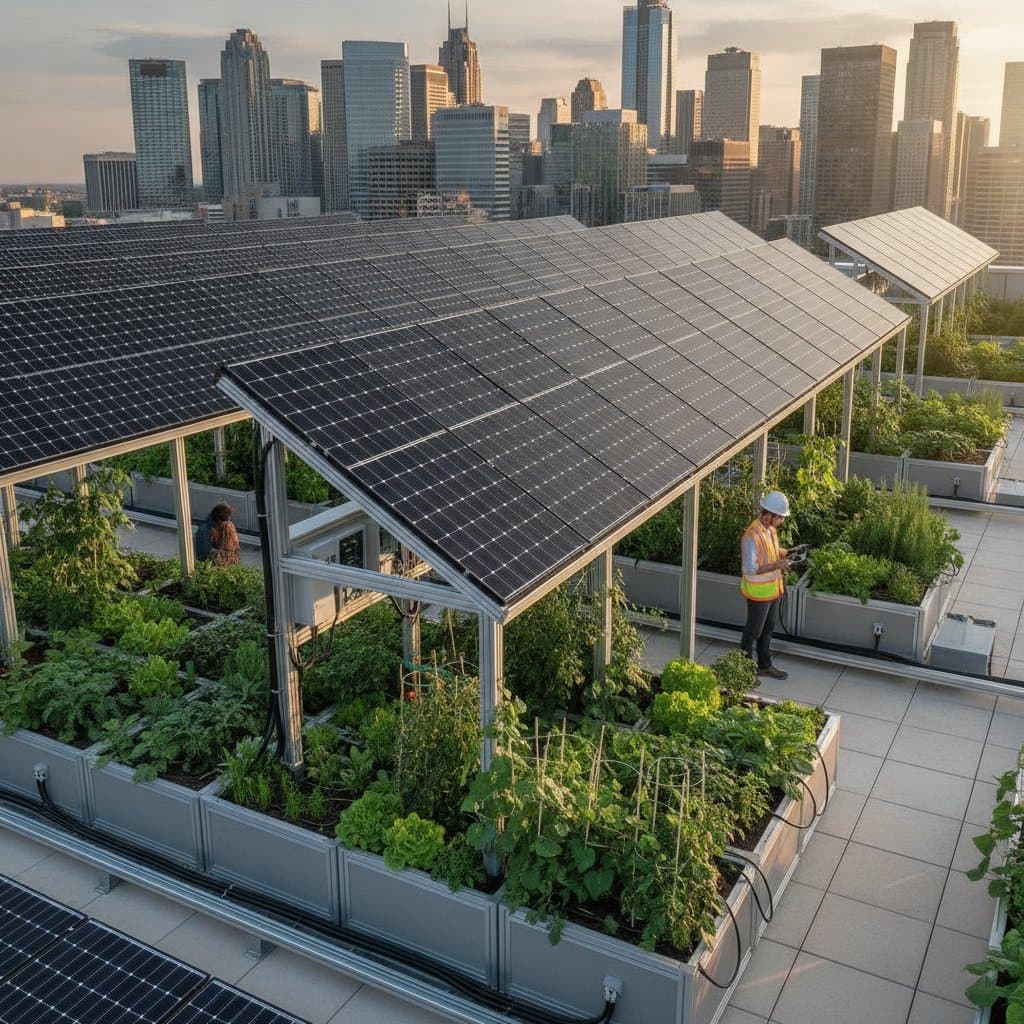
When you step onto a rooftop bathed in sunlight, it is easy to imagine the potential above your head. What if that space could feed your family and power your home at the same time? Across cities and suburbs, homeowners and building managers are discovering a new kind of sustainability that blends urban farming with renewable energy. This concept, known as agrivoltaic rooftop systems, allows solar panels and crops to share the same space in a way that benefits both.
Key Benefits
- Agrivoltaic rooftop systems can reduce building energy costs by up to 25 percent while producing fresh food.
- Partial shading from solar panels can help crops retain soil moisture and reduce water use by about 15 to 20 percent.
- Smart design choices, such as adjustable panel heights and reflective surfaces, increase both crop yield and solar efficiency.
- Rooftop agrivoltaics can deliver an estimated return on investment of 8 to 12 percent annually depending on local energy prices and produce sales.
- Incentives and grants for renewable energy and green roofs can offset installation costs significantly.
How Agrivoltaic Rooftop Systems Work
A rooftop agrivoltaic setup involves more than just placing solar panels above garden beds. It requires a careful balance of light, airflow, and structural integrity.
Structural Design
Panels are typically mounted on adjustable steel or aluminum frames that lift them about one to two meters above the roof surface. This height allows for plant growth, maintenance access, and sufficient air circulation. The system must be engineered to handle the added weight of soil, water, and crops, as well as wind and snow loads.
Energy and Water Integration
Many installations use drip irrigation systems powered by the electricity generated from the panels. Rainwater collection systems can supplement irrigation, creating a closed loop design that conserves resources. Excess electricity can be stored in batteries or sold back to the grid, depending on local regulations.
Light Management
Crops need light, but not always full sun. Semi transparent solar panels or bifacial modules, which collect light from both sides, allow filtered sunlight to reach the plants. Studies show that these panels can achieve up to 90 percent of the energy output of standard panels while maintaining healthy crop growth.
Economic and Environmental Benefits
Installing a rooftop agrivoltaic system can seem expensive at first glance. Initial costs range from 120 to 200 dollars per square meter depending on the equipment and structural requirements. Yet the combined economic and environmental benefits often outweigh those costs within a few years.
Financial Returns
- Energy savings: A typical system can cut annual electricity bills by 20 to 30 percent.
- Produce value: Even a modest rooftop garden can yield hundreds of pounds of vegetables each season, worth several hundred dollars in retail value.
- Incentives: Local governments and energy agencies frequently offer rebates or tax credits for both solar installations and green roofs. Combining the two can double eligibility.
When these savings are combined, payback periods often fall within seven to ten years, with ongoing profits afterward.
Environmental Impact
Agrivoltaic rooftops also create measurable ecological benefits. Reduced heat islands occur because plants absorb sunlight that would otherwise heat building surfaces, lowering rooftop temperatures by up to 15 degrees. Vegetation filters dust and pollutants, which can reduce particulate matter in dense urban environments. Soil and plants retain rainfall, decreasing runoff and easing pressure on drainage systems.
Installation and Maintenance Considerations
Before starting, have a structural engineer evaluate the roof load bearing capacity. A green roof with soil and water weighs significantly more than a standard solar installation. Waterproof membranes, root barriers, and lightweight soil mixes are critical to protecting the building envelope.
Maintenance schedules should include regular panel cleaning to prevent shading from dust or plant debris, seasonal crop rotation, and inspection of irrigation systems. Some property owners partner with local urban farms or cooperatives to manage rooftop operations in exchange for shared harvests.
Safety is another factor. Railings, walkways, and secure access points are essential both for workers and residents. Insurance coverage should also be reviewed to ensure it includes the combined agricultural and electrical components of the system.
Real World Applications
In cities where rooftop space is abundant but ground level land is scarce, agrivoltaic projects have transformed residential and commercial properties alike. Apartment complexes use them to supply fresh produce for tenants while offsetting building energy use. Restaurants grow herbs and greens directly above their kitchens, reducing transportation costs and emissions.
Educational institutions have also adopted rooftop agrivoltaics as living laboratories. Students study renewable energy, plant science, and data analytics in one setting, gaining hands on experience with integrated sustainability technology.
Next Steps for Implementation
- Assess your roof. Hire a certified engineer to verify structural integrity and load capacity.
- Plan your system layout. Factor in sunlight patterns, shading zones, and access paths.
- Select equipment. Choose solar panels suited for partial transparency or adjustable height.
- Pick compatible crops. Match plant needs with expected light levels.
- Secure funding. Explore local renewable energy grants, green roof incentives, or low interest sustainability loans.
- Partner with experts. Work with installers experienced in both solar and horticultural systems.
- Monitor results. Use sensors to track solar performance, soil moisture, and crop growth for long term optimization.
Turning Rooftops Into Assets
These systems deliver ongoing value through lower utility bills, fresh local produce, and stronger building performance. With proper planning they convert underused space into reliable sources of food and power.