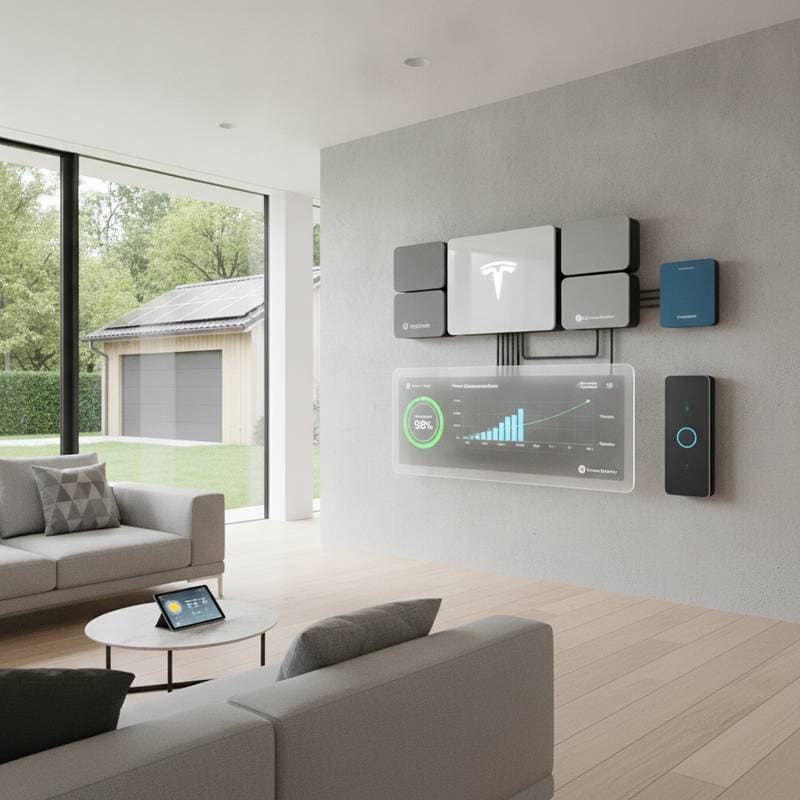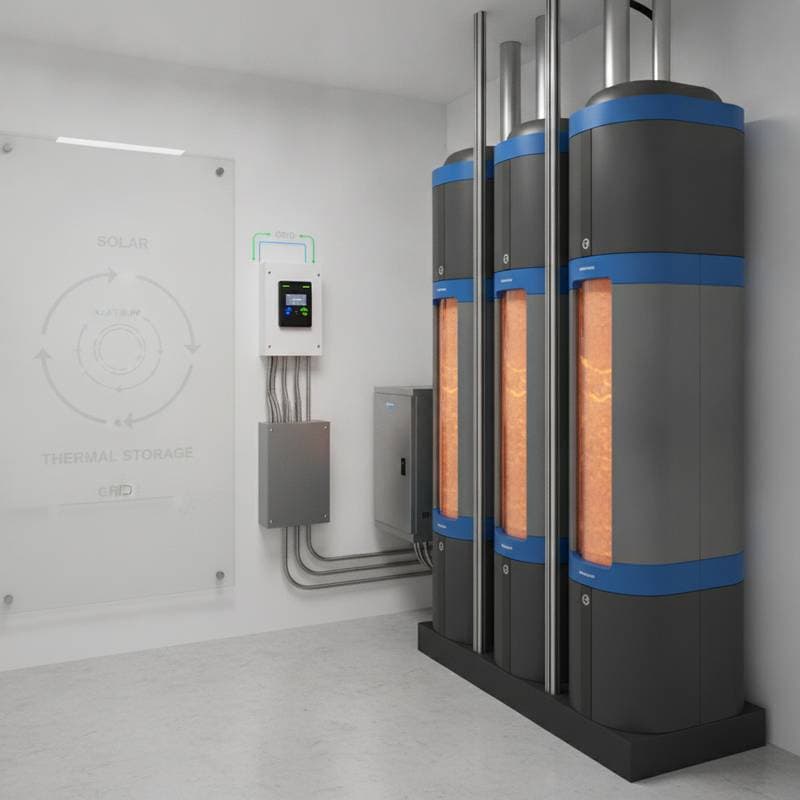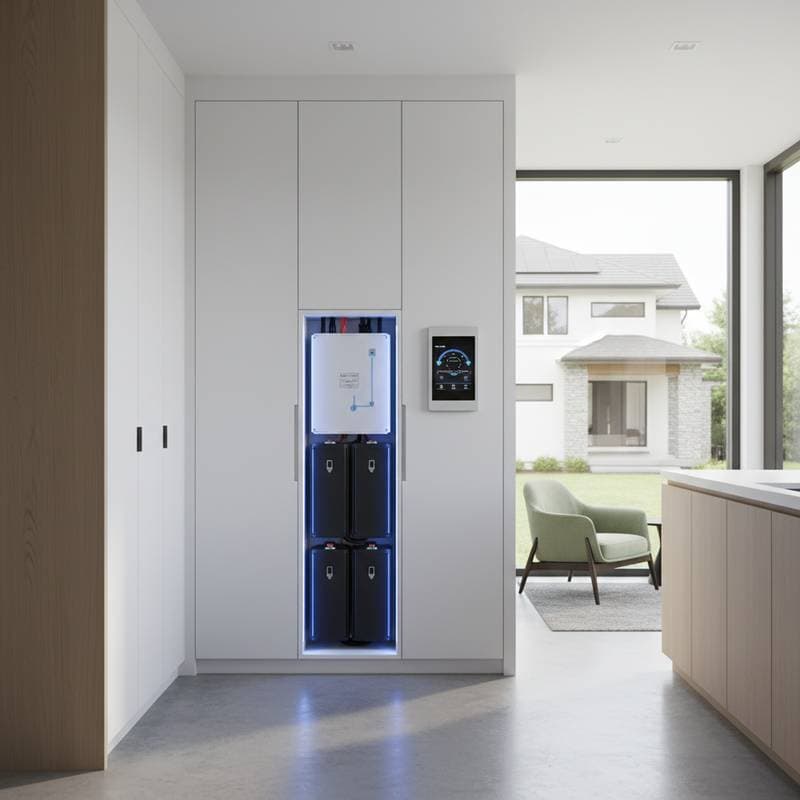
- Grid Connection: A transfer switch enables disconnection from the utility grid during disruptions or reconnection for excess power export. This feature provides the flexibility absent in conventional setups.
The synergy among these components delivers unmatched adaptability and efficiency.
Strategies to Enhance Eco-Efficiency
Optimizing a microgrid requires deliberate planning to align with your household's needs.
-
Determine System Size Precisely: Avoid oversizing, which leads to unnecessary expense, or undersizing, which limits reliability. Conduct an energy audit to assess average daily consumption and peak demands, ensuring the system matches your profile.
-
Select Premium Components: Invest in durable solar panels and reputable battery manufacturers. Long warranties and proven performance justify the initial cost over cheaper alternatives that may fail prematurely.
-
Incorporate Intelligent Controls: Install devices that track energy usage patterns and automate adjustments. Real-time alerts help modify behaviors, such as shifting laundry to solar-peak hours, for additional savings.
-
Build in Scalability: Choose modular designs that accommodate future additions, like extra batteries or panels. Rapid advancements in technology ensure your setup remains viable as efficiencies improve.
-
Engage Regional Specialists: Local conditions influence performance significantly. In humid coastal regions, for instance, opt for corrosion-resistant frames and sealed battery housings to prevent degradation.
These steps maximize environmental impact while safeguarding your investment.
Evaluating Costs, Installation, and Returns
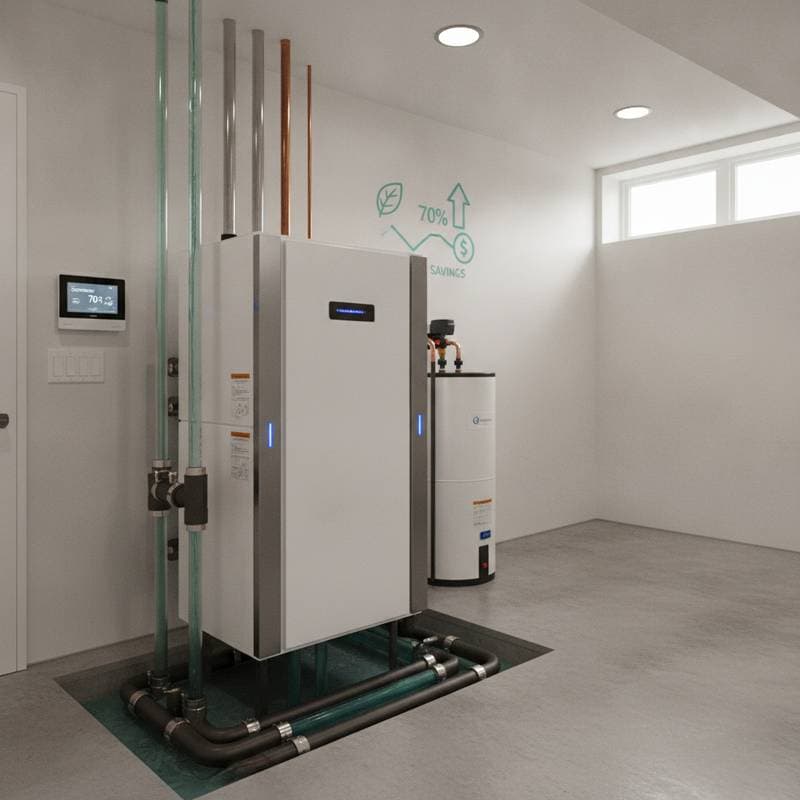
Many view home microgrids as costly, yet incentives make them attainable. Complete setups with solar arrays and storage typically cost $18,000 to $40,000 before rebates. Federal tax credits, state programs, and utility rebates often reduce this by 30 percent or more, with low-interest loans further easing the burden.
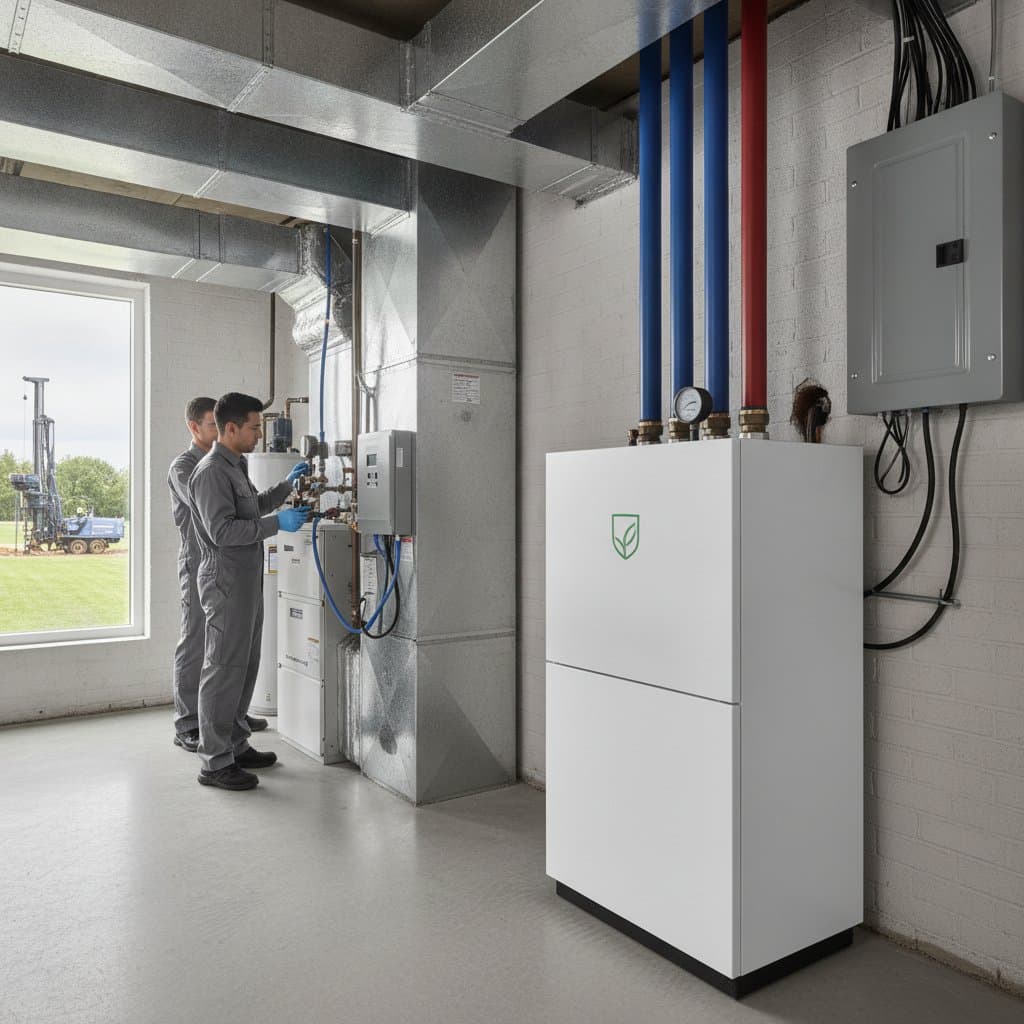
Installation spans one to two weeks, contingent on permitting, roof suitability, and electrical modifications. Professionals handle complex wiring to integrate the system safely. Maintenance remains low, at under $300 annually, covering diagnostics and firmware updates to sustain peak operation.
Payback periods range from seven to ten years, driven by bill reductions and outage avoidance. In high-rate areas, savings accelerate faster. Moreover, microgrids enhance home value by 5 to 10 percent, appealing to eco-conscious buyers.
Broader Environmental and Community Impacts
Home microgrids extend benefits beyond individual homes to support ecological and communal resilience. Local generation displaces fossil fuel dependency, curbing emissions of carbon dioxide and pollutants. During demand spikes, they alleviate grid strain, averting widespread failures.
Dr. Alisha Reynolds, an energy systems researcher, notes, "When households generate and store their own power, they become micro-anchors for grid reliability. The collective effect is a more resilient energy network across entire regions."
Emerging shared microgrids connect neighboring properties for mutual support. Participants pool resources to balance loads dynamically, forming community buffers against disruptions. This cooperative model fosters sustainability at scale.
Ensuring Safety and Regulatory Adherence
Professional installation by certified electricians is non-negotiable for safety. Adherence to national electrical codes and renewable standards prevents hazards like overheating or electrical faults. Verify installer credentials and secure all required permits upfront.
Battery systems demand proper ventilation to dissipate heat. Discuss coverage with insurers, as many offer discounts for microgrid installations that mitigate outage-related damages. Proactive compliance protects both property and occupants.
Tailoring to Regional Conditions
Microgrid effectiveness hinges on adapting to local environments. In dusty arid areas, regular panel cleaning maintains 10 to 15 percent higher output. Cold regions require sturdy mounts to withstand snow accumulation, with tilted arrays promoting natural melt-off.
Coastal humidity calls for saltwater-resistant materials and protective sealants. As a green building specialist, the author stresses early assessment of weather patterns. Selecting resilient components ensures sustained performance and durability.
Steps to Implement Your Microgrid
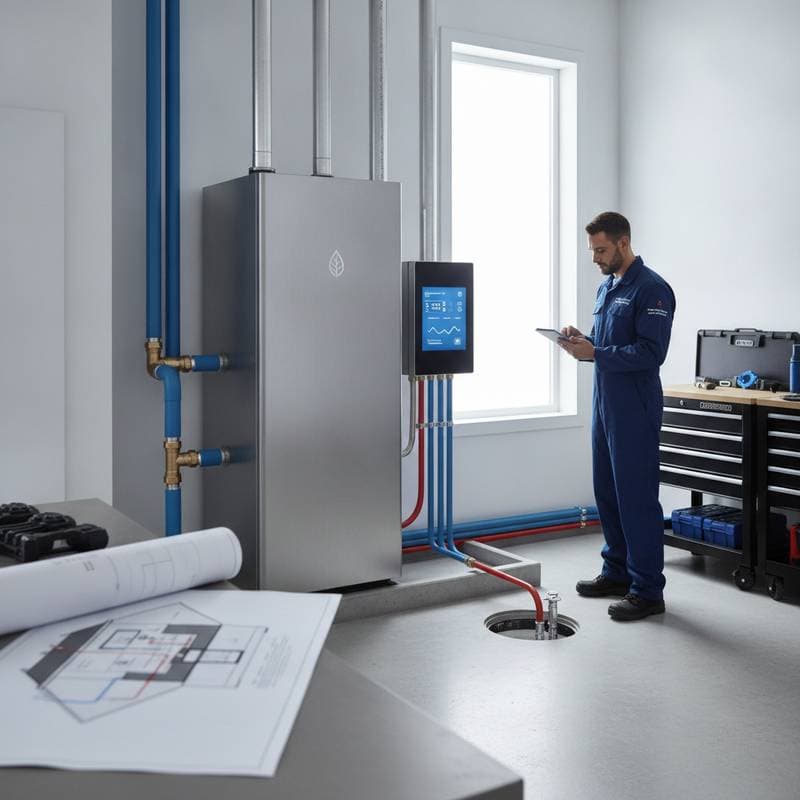
Begin with a comprehensive energy audit to map consumption habits and solar potential. Identify energy-intensive devices and evaluate site suitability for panels. Partner with certified installers to simulate system output and outline expenses.
Post-installation, utilize the system's interface to oversee performance. Track metrics like charge levels and usage trends to refine operations. Regular reviews enable adjustments that amplify efficiency and longevity.
Adopting a microgrid reshapes daily energy management into an empowering practice. It delivers autonomy, cost control, and environmental stewardship. With strategic implementation, your home stands as a model of resilient, sustainable design.
Frequently Asked Questions
How large should a home microgrid be for an average household?
Systems of 5 to 10 kilowatts solar capacity paired with 10 to 20 kilowatt-hours of storage suit most single-family homes. Tailor size to specific usage and backup needs for optimal results.