Introduction to Home Electrification
Electrifying a home involves replacing gas-powered appliances and systems with electric alternatives. This shift leads to significant energy savings, improved comfort, and reduced environmental impact. By targeting completion by 2026, homeowners position themselves to benefit from evolving incentives and grid improvements.
The process focuses on key systems like heating, water heating, cooking, and drying. Each upgrade contributes to lower utility bills and a healthier living environment. Homeowners report quieter operation and precise control as additional advantages.
Planning begins with assessing current systems and energy usage. This evaluation identifies high-impact areas for initial investment. A phased approach allows gradual implementation without overwhelming budgets.
Costs of Key Electric Upgrades
Upgrading to electric systems requires upfront investment, but long-term savings offset these expenses. Consider the following estimates for common components:
- Heat pump water heater: $2,000 to $4,500
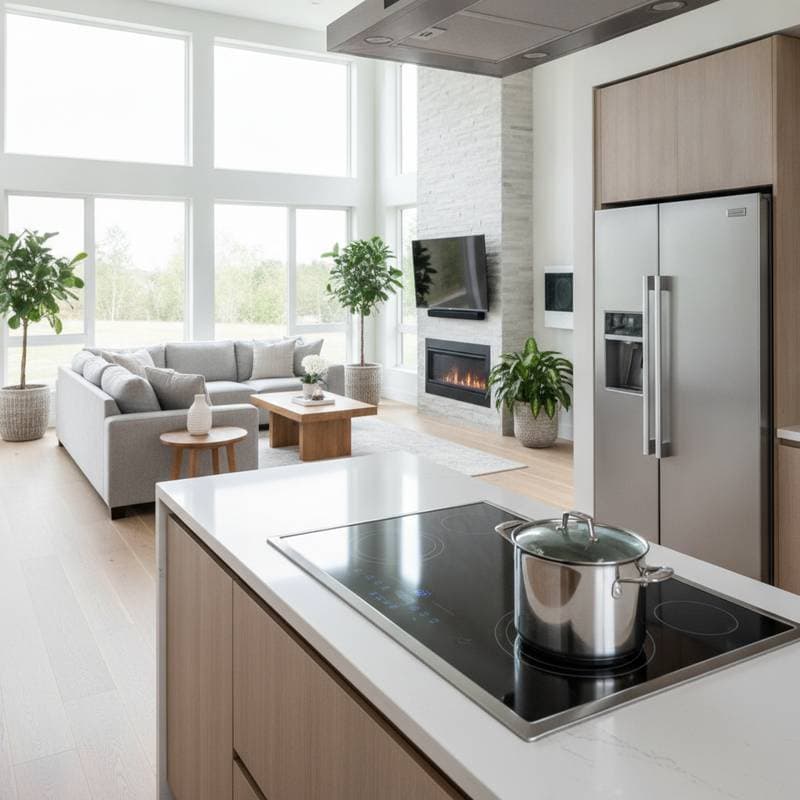
- Induction cooktop and compatible cookware: $1,000 to $3,000
- Electric dryer and necessary wiring: $800 to $2,500
These figures vary based on home size, location, and installation complexity. Professional quotes provide accurate assessments tailored to specific properties.
Savings materialize through reduced utility bills. Households typically achieve 20 to 40 percent lower annual energy costs compared to gas equivalents. Over a decade, these reductions accumulate to thousands of dollars in recovered investment.
Financial and Property Value Benefits
Beyond bill reductions, electrification enhances home appeal. Properties with electric systems appreciate faster in markets prioritizing sustainability. Buyers seek homes that align with green living trends.
Certifications such as ENERGY STAR or LEED add verifiable value. These designations signal efficiency and attract premium offers during resale. Documenting upgrades supports higher appraisals.
A strategic timeline involves replacing systems at the end of their lifespan. This method distributes costs over time and maintains progress toward full electrification. It minimizes disruption while maximizing returns.
Design Opportunities in Electric Homes
Electric systems offer flexibility in home layout and aesthetics. Without reliance on gas lines, spaces adapt more easily to modern needs. Compact units integrate seamlessly into existing structures.
Explore these design considerations:
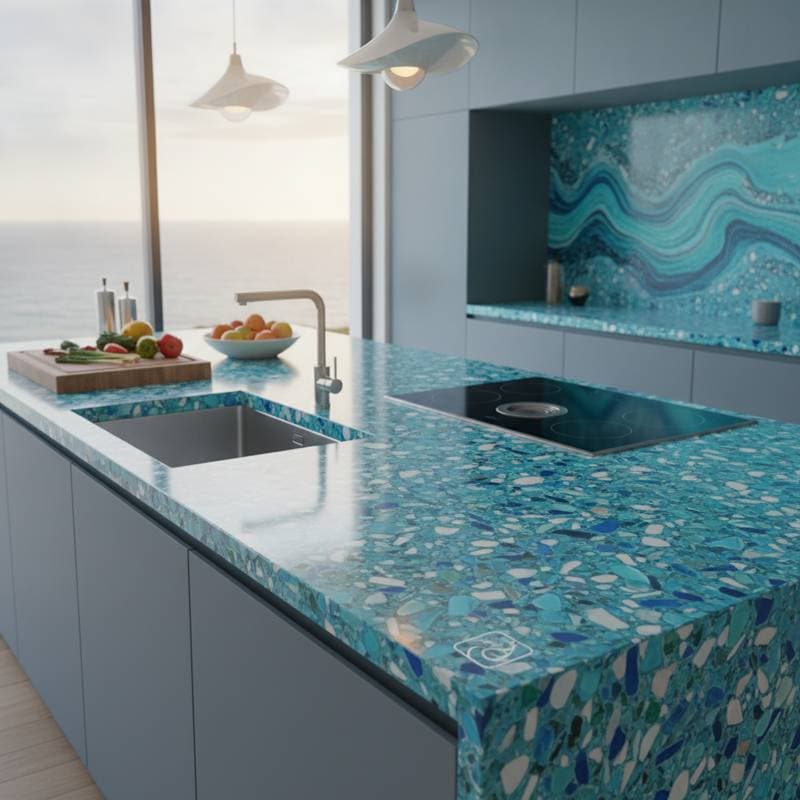
- **Kitchen ** Induction cooktops remain cool, enabling placement near islands or open shelving for improved workflow.
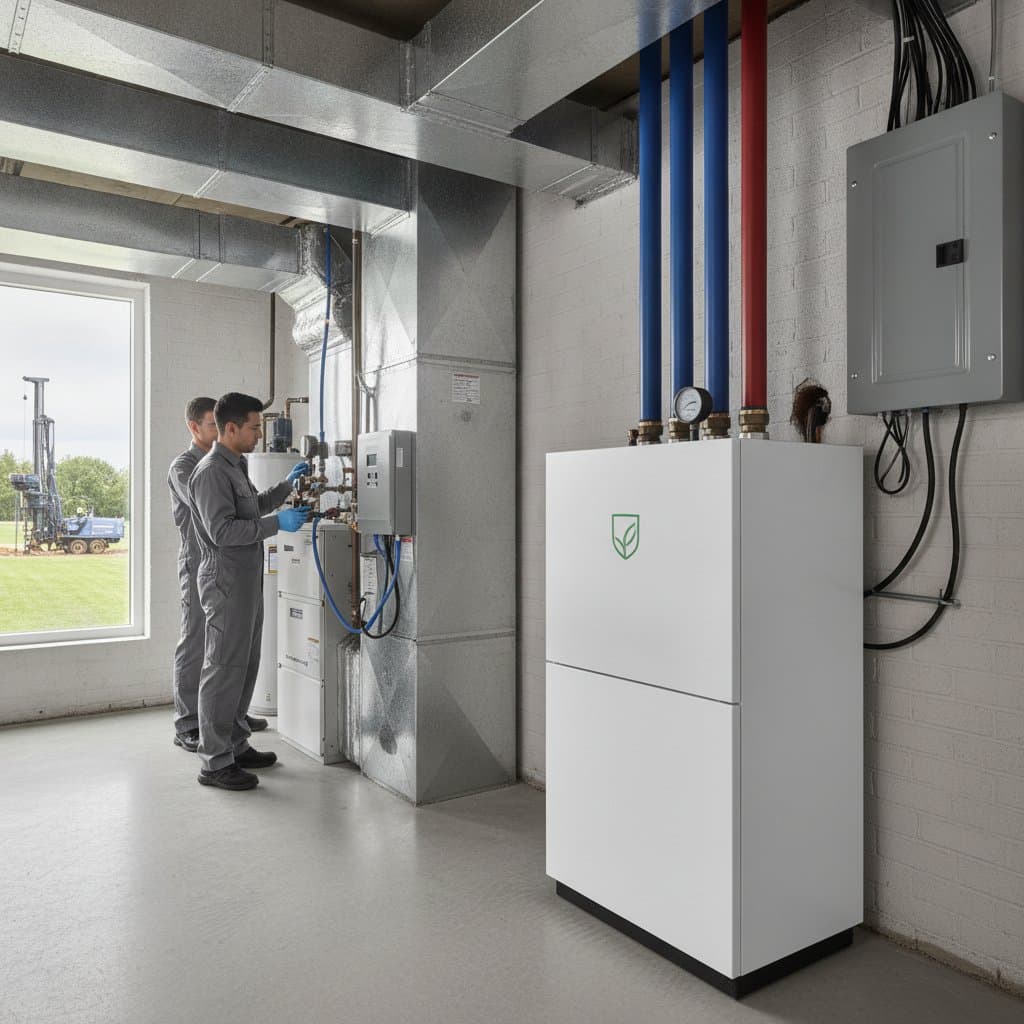
- Utility spaces: Heat pump water heaters function as dehumidifiers in basements, enhancing air quality.
- Exterior integration: Mini-split heat pumps use small outdoor units, easily concealed by landscaping.
- Targeted climate control: Variable-speed heat pumps allow room-specific heating and cooling, which optimizes energy use and personal comfort.
Intentional planning ensures electric components enhance rather than detract from home design. Consult architects or designers early to align upgrades with aesthetic goals.
Key Factors Affecting Electrification Projects
Multiple elements shape the scope, expense, and outcomes of electrification efforts. Addressing them upfront leads to better decisions and smoother execution.
- Home age and electrical infrastructure: Older properties often require wiring updates to handle increased loads.
- Regional climate: Colder areas benefit from specialized heat pumps designed for low temperatures.
- Local utility pricing: Electricity rates directly impact ongoing costs and overall savings.
- Available incentives: Rebates from utilities and governments offset expenses for heat pumps, cooktops, and panel enhancements.
- Project synchronization: Integrating electrification with renovations lowers total installation fees.
Coordinating these factors improves project economics. Energy audits reveal opportunities to bundle upgrades effectively.
Enhancing Efficiency with Complementary Features
Electrification reaches full potential alongside other efficiency measures. These additions create a comprehensive strategy for energy management.
- Improved insulation and sealing: These reduce thermal loss, easing the burden on heat pumps.
- Smart thermostats: Devices automate temperature settings for optimal comfort and reduced consumption.
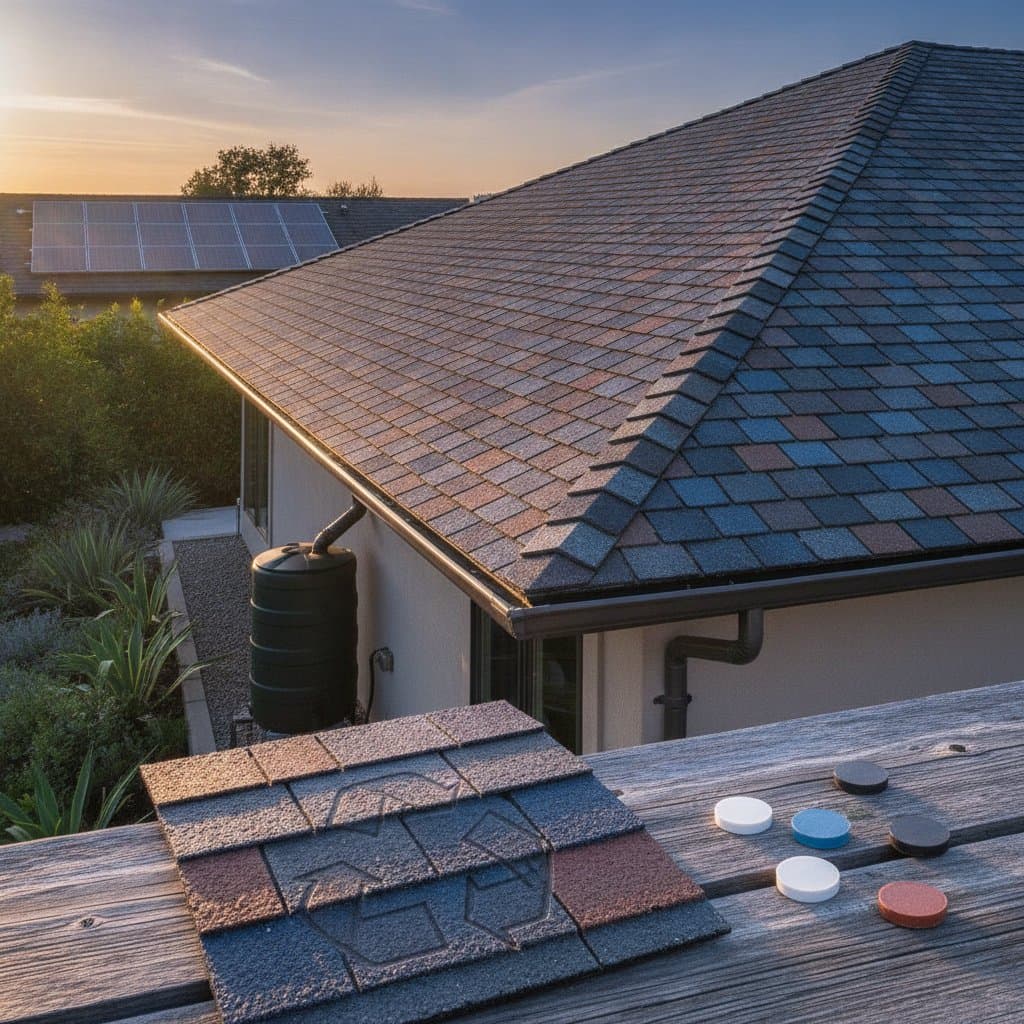
- Solar photovoltaic systems: Panels generate power to offset electricity needs from electrified appliances.
- Energy storage solutions: Batteries provide reliability during grid interruptions.
- LED lighting upgrades: Efficient bulbs lower overall electrical demand.
Together, these elements foster a high-performance home with minimal emissions. They amplify the benefits of core electric systems.
Insights from Building Professionals
Experts in energy and construction view electrification as a pivotal advancement in housing. Consultants stress the importance of load calculations to avoid overloads. Electricians note that many homes possess sufficient capacity for partial upgrades without full overhauls.
Homeowners benefit from these recommendations:
- Conduct a professional energy assessment to identify priorities.
- Target high-consumption systems for initial replacement.
- Verify electrical service adequacy at the outset.
- Maintain records for rebate applications.
- Select certified appliances and ensure proper installation.
Following these practices guarantees safety, regulatory adherence, and peak system performance.
Frequently Asked Questions
What is the total cost to electrify a typical home?
Full conversions range from $15,000 to $40,000, influenced by home size and equipment selections. Staging the project manages expenses and minimizes inconvenience.
Do electric systems perform well in cold weather?
Modern heat pumps maintain efficiency in subfreezing temperatures. Variable-speed compressors adapt to conditions for consistent output.
Is an electrical panel upgrade necessary?
Homes with 100-amp service often require expansion to 200 amps. This supports additional loads from appliances and potential vehicle charging.
How does induction cooking compare to gas?
Induction provides rapid, precise heating in a cooler kitchen. It avoids combustion emissions, improving indoor air quality.
Can renters pursue electrification?
Portable options like induction cooktops or smart thermostats suit renters. Comprehensive changes typically need landlord consent.
How do electric homes handle power outages?
Battery systems or generators sustain essential functions. Certain heat pumps include auxiliary resistance heating for temporary support.
What financial incentives exist?
Utilities, governments, and programs provide rebates for heat pumps, water heaters, and panels. These can substantially lower initial outlays.
Steps to Electrify Your Home
Electrification extends beyond equipment replacement; it promotes efficiency, well-being, and fiscal prudence. Begin modestly with items like a heat pump water heater or induction cooktop to build toward comprehensive change.
Use this checklist to guide progress:
- Arrange an energy audit for baseline insights.
- Outline a sequence for upgrades.
- Assess electrical capacity requirements.
- Investigate local incentives and rebates.
- Engage certified professionals for installations.
- Monitor reductions in bills and gains in comfort.
Ultimately, an all-electric home powered by an increasingly renewable grid delivers cleaner, quieter daily life. This investment secures financial savings and contributes to environmental health.