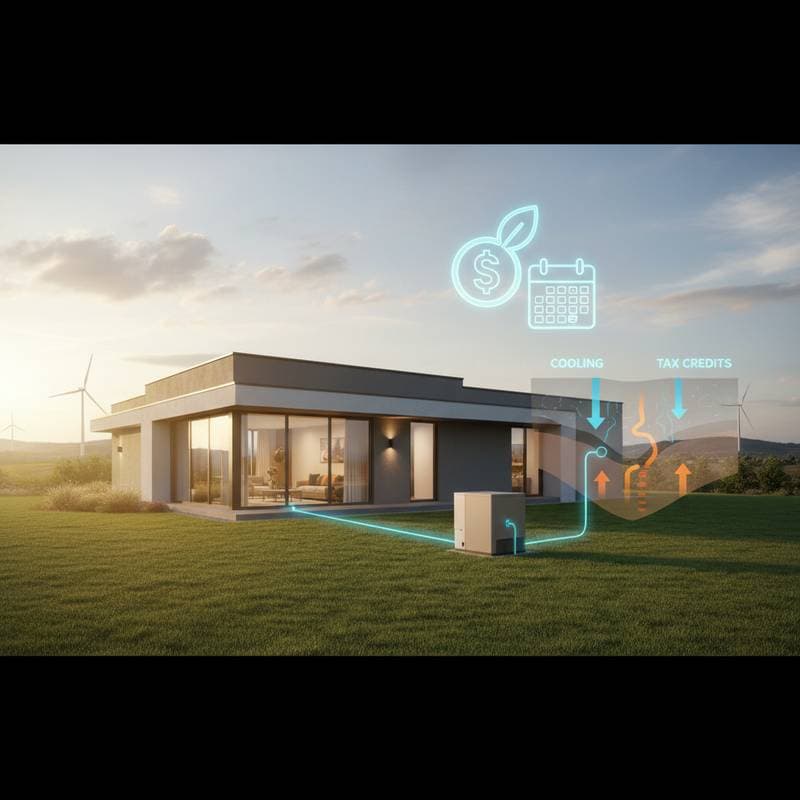
Key Points
- Expanded federal tax credits for 2025 reduce the upfront costs of geothermal HVAC systems, making them accessible for homeowners focused on energy efficiency.
- These systems achieve energy reductions of up to 65 percent compared to conventional heating and cooling methods in suitable climates.
- Optimal performance requires site-specific design, including soil analysis and certified installation to meet incentive qualifications.
- Pairing federal credits with state rebates or utility programs maximizes overall savings.
- Return on investment typically occurs within five to eight years, outperforming traditional HVAC replacements over time.
The Shift Toward Affordable Geothermal Energy
In my role as a green building professional, I frequently encounter homeowners who appreciate the benefits of geothermal systems but hesitate due to initial expenses. These systems provide quiet, renewable heating and cooling by harnessing the earth's stable underground temperatures. Recent expansions in tax credits address this barrier, positioning geothermal HVAC as a practical choice for widespread adoption.
Envision entering a residence where indoor air remains consistently comfortable throughout the year. Traditional noises from compressors or odors from fuel sources give way to a seamless operation that relies on subterranean energy sources. This level of comfort now aligns with meaningful financial incentives that cover substantial portions of installation expenses.
Growing Interest Among Homeowners
Current federal incentives have ignited increased awareness of geothermal technology. Individuals once deterred by perceived high costs now recognize ground-source heat pumps as a viable option for reducing reliance on fossil fuels and easing electrical grid demands during high-usage periods.
Through extensive field experience, I observe that informed homeowners proceed with installations upon reviewing the favorable economics. A well-engineered system often halves or more of yearly heating and cooling expenses. Integrating these credits with regional rebates shortens the time to financial recovery significantly.
Fundamentals of Geothermal HVAC Systems
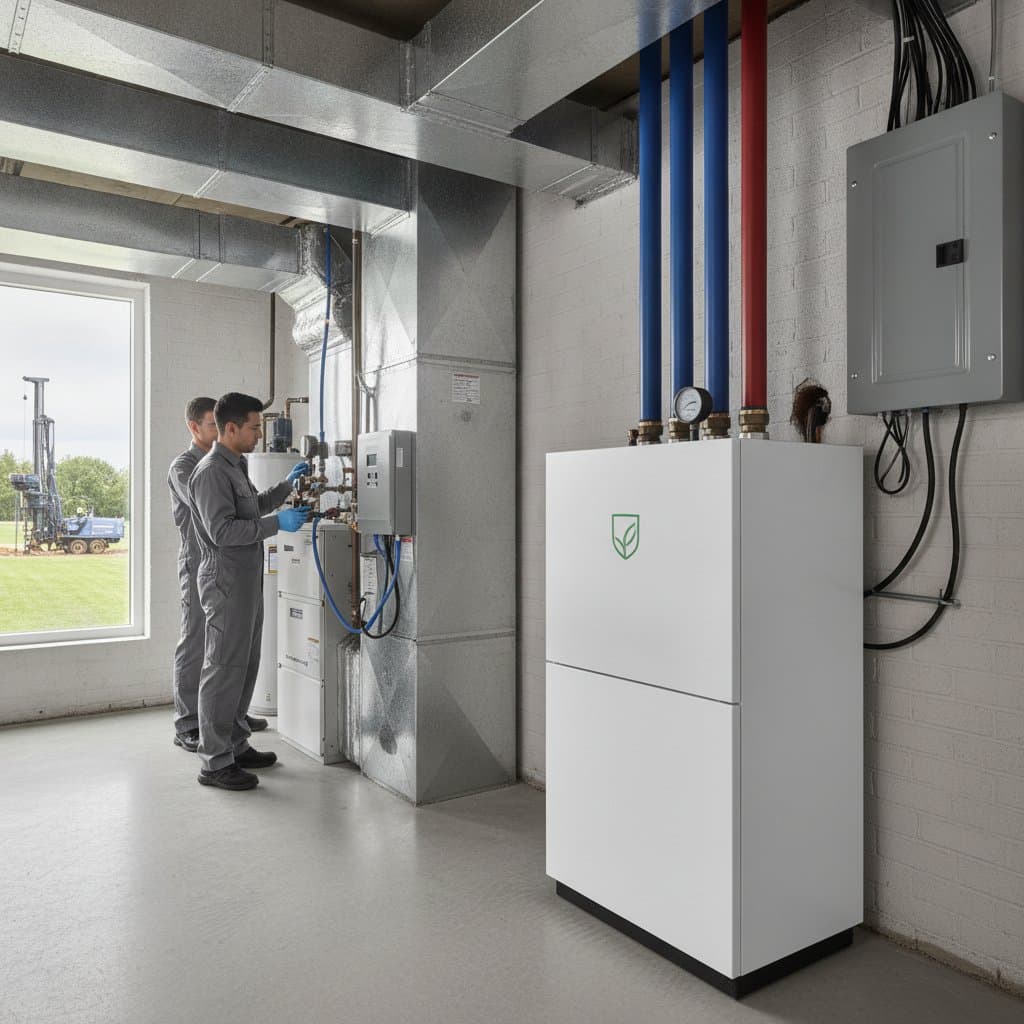
Geothermal heat pumps function through underground loops containing a fluid mixture that facilitates heat transfer between the home and the ground. During summer, excess indoor heat dissipates into the earth. In winter, warmth from the soil circulates indoors.
This process establishes a reliable thermal exchange with the environment. Subsurface temperatures, generally ranging from 45 to 75 degrees Fahrenheit based on location, remain constant a few feet below ground level. Such stability enables geothermal units to exceed the efficiency of standard air-source alternatives.
Financial Advantages Through Tax Credits
Historically, installation costs posed the primary obstacle to geothermal uptake, typically ranging from $18,000 to $35,000 for standard residences. This encompasses the ground loop array, heat pump unit, and connections to ductwork or radiant heating. Updated tax credits now offset a considerable share of these expenditures, enhancing accessibility.
Primary Advantages of Updated Tax Credits
- Direct Cost Offset: Eligible individuals receive a percentage of the system expense as a tax credit, reducing the actual tax liability rather than merely adjusting deductions.
- Inclusive Qualification Criteria: Both new builds and existing structures qualify, extending benefits to retrofit projects.
- Unlimited Claim Potential: Expansive installations, including multi-zone configurations, receive proportional credits without fixed monetary limits.
- Layered Incentive Options: Federal benefits combine with state, utility, or municipal programs to compound reductions.
Consider a $30,000 installation offset by several thousand dollars in credits, alongside monthly utility savings in the hundreds. This scenario defines the enhanced value proposition for prospective users.
Strategies for Enhancing Home Efficiency
Qualifying installations must adhere to defined standards for technical performance and regulatory compliance. The following steps secure maximum incentives and operational effectiveness.
1. Engage Accredited Contractors
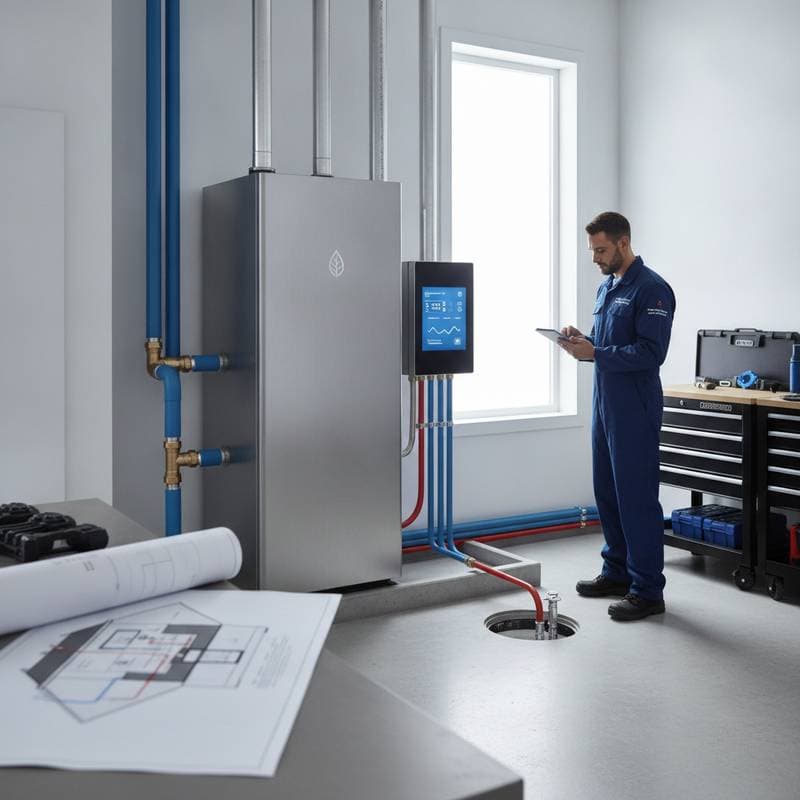
Select installers certified by bodies like the International Ground Source Heat Pump Association. Such credentials confirm expertise in soil evaluation, loop configuration, and adherence to building codes.
2. Perform a Comprehensive Energy Assessment
An audit reveals issues such as inadequate insulation or ductwork leaks that influence system efficacy. Resolving these prior to setup optimizes results and bolsters credit applications.
3. Confirm Equipment Compliance
Qualifying units must achieve established efficiency ratings. Verify ENERGY STAR certification for the heat pump and federal standards for loop materials.
4. Maintain Thorough Records
Retain all receipts, technical specifications, and verification documents. These support tax filings and provide safeguards during reviews.
5. Integrate Supporting Improvements
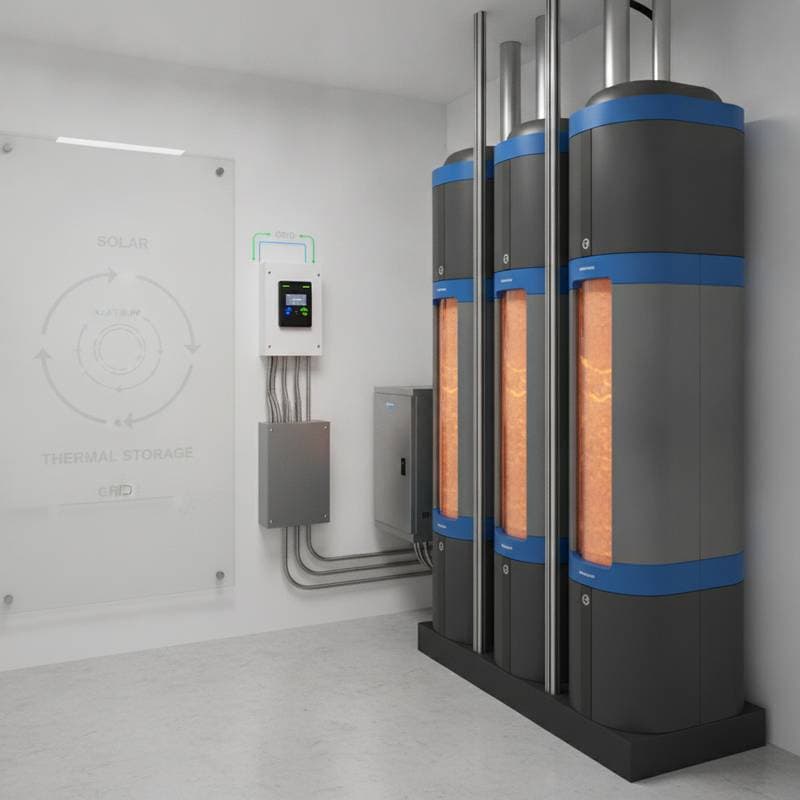
Enhance overall performance by adding solar arrays, energy-efficient glazing, or automated controls. Certain areas offer extra incentives for holistic renewable setups.
Site-Specific Factors for Geothermal Viability
Local conditions influence system design and outcomes. Soil composition, water content, and land availability guide loop selections.
- Horizontal Closed Loops: Ideal for spacious sites with balanced soil hydration.
- Vertical Loops: Suitable for compact areas or challenging geology requiring deeper excavation.
- Open Pond Loops: Effective near consistent water bodies like lakes.
Coastal zones with high humidity support efficient loop operations due to uniform soil warmth. Inland areas with harsh winters benefit from extended-depth loops to sustain functionality.
Based on projects across diverse landscapes, pre-installation thermal testing proves essential. Investing time in soil analysis ensures enduring reliability and performance.
Savings Potential and Ecological Benefits
Efficient geothermal setups attain 300 to 500 percent thermal efficiency. For each unit of electrical input, the system generates three to five units of conditioned air.
Over 25 years for above-ground elements and 50-plus years for buried components, these systems substantially lower carbon footprints. Annual emissions reductions can reach several tons per household, aligning with broader sustainability objectives.
Investment Analysis and Recovery Timeline
Average residential costs hover around $25,000, adjusted for geography and scale. Post-credit application, net expenses may fall below $17,000.
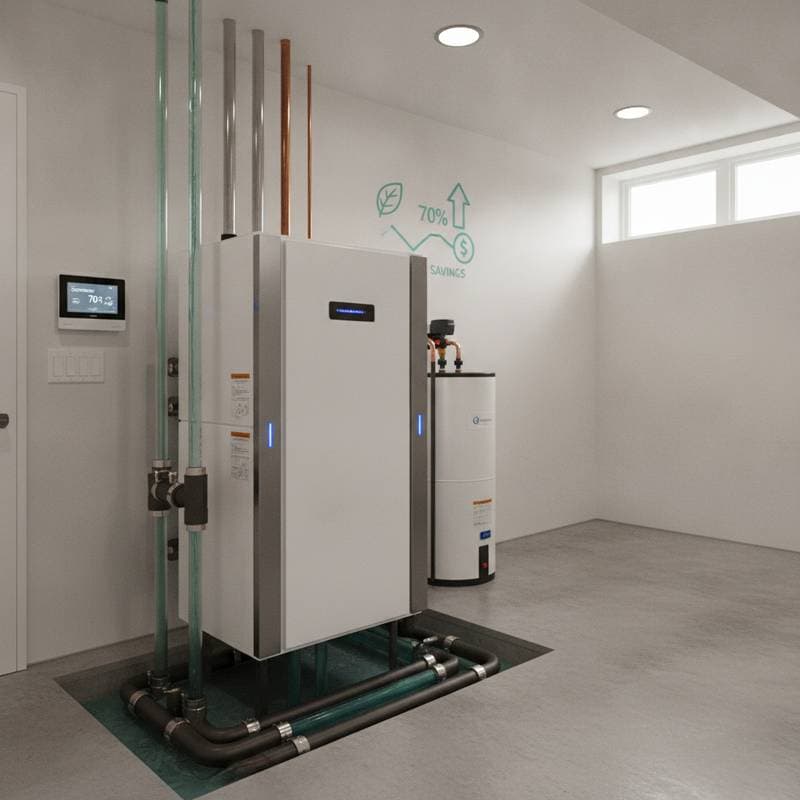
With 40 to 65 percent utility reductions, payback arrives in five to eight years for most users. Subsequent years yield ongoing savings, supported by low upkeep and absence of fuel needs.
Additionally, these installations elevate real estate appeal. Prospective buyers prize sustainable features akin to photovoltaic integrations or superior insulation.
Pitfalls to Sidestep
Certain oversights diminish returns and efficiency. Common issues from consultations include:
- Omitting Sizing Calculations: Improper scale leads to energy loss and premature failure.
- Overlooking Building Envelope: Inefficient seals increase workload on the system.
- Amateur Groundwork: Professional handling of loops prevents layout errors affecting output.
- Maintenance Neglect: Regular inspections of fluids and components preserve longevity.
Steering clear of these maintains investment integrity and incentive access.
Community-Wide Implications
Individual adoptions contribute to larger gains. Reduced emissions and grid relief foster neighborhood sustainability, while installations stimulate regional employment in renewables.
Sustainability expert Dr. Maria Ellison, who advises on urban energy strategies, notes, "Homeowners selecting geothermal enhance personal well-being and participate in a communal effort to redefine energy management." Her studies indicate that clustered implementations notably decrease peak power demands.
Collaborating with Reliable Experts
To initiate a geothermal project, consult qualified local specialists versed in technical and policy details. Platforms like itsacoolerplanet.com facilitate connections to verified contractors upholding environmental and performance benchmarks. These experts evaluate properties, project credit applicability, and outline schedules.
Initial Action Steps
- Arrange an On-Site Review: Identify feasible loop placements and system interfaces.
- Obtain a Detailed Design Estimate: Review itemized components, configurations, and projected efficiencies.
- Secure Incentive Pre-Approvals: Gather prerequisites for credits and rebates ahead of work.
- Time the Project Appropriately: Align excavation with favorable weather to minimize disruptions.
- Experience Sustained Benefits: The operational system delivers consistent climate control with little oversight.
Realizing Geothermal Potential
Geothermal advancements extend beyond mechanics to redefine notions of home comfort and responsibility. Current incentives dismantle economic hurdles, prompting timely assessments of properties and objectives.
From a professional standpoint, methodical planning with skilled partners yields enduring family benefits and planetary contributions. Merging fiscal gains with ecological progress creates profound, lasting impact.
Frequently Asked Questions
What qualifies as a geothermal system for tax credits? Systems must include a ground-source heat pump with buried loops meeting ENERGY STAR standards and federal efficiency guidelines.
How do I calculate my potential savings? Use online tools or consult installers to estimate based on home size, local rates, and system specs; expect 40-65 percent reductions.
Are there regional variations in incentives? Yes, states like California and New York offer additional rebates; check local utility programs for stacking opportunities.
What maintenance does a geothermal system require? Annual filter changes and biennial professional checks for fluid and loop integrity suffice for most units.
Can geothermal work in all climates? It performs reliably nationwide, with design adjustments for extreme conditions like deep loops in cold regions.