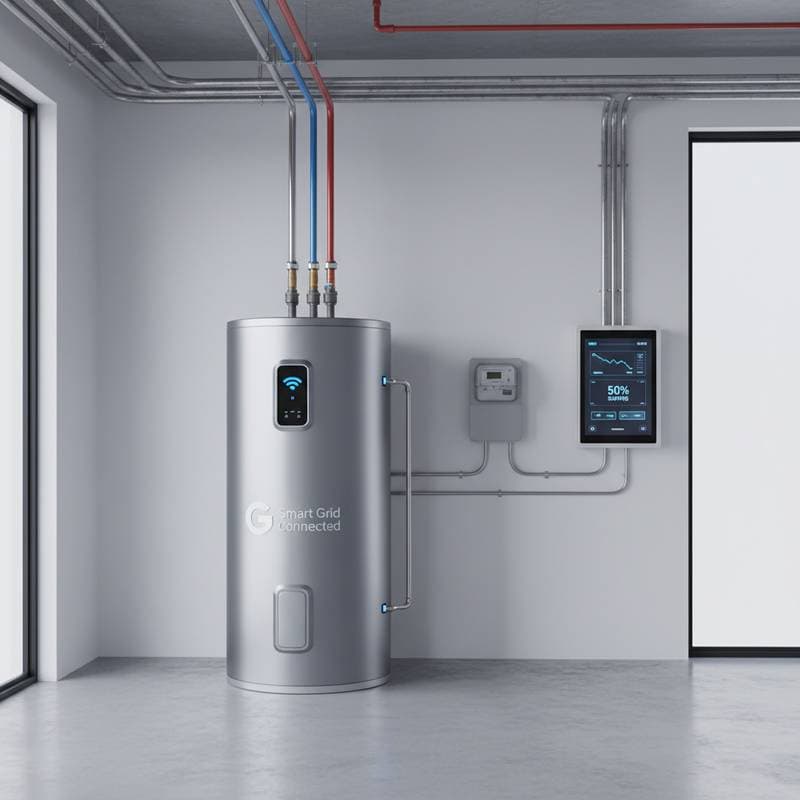
Key Points
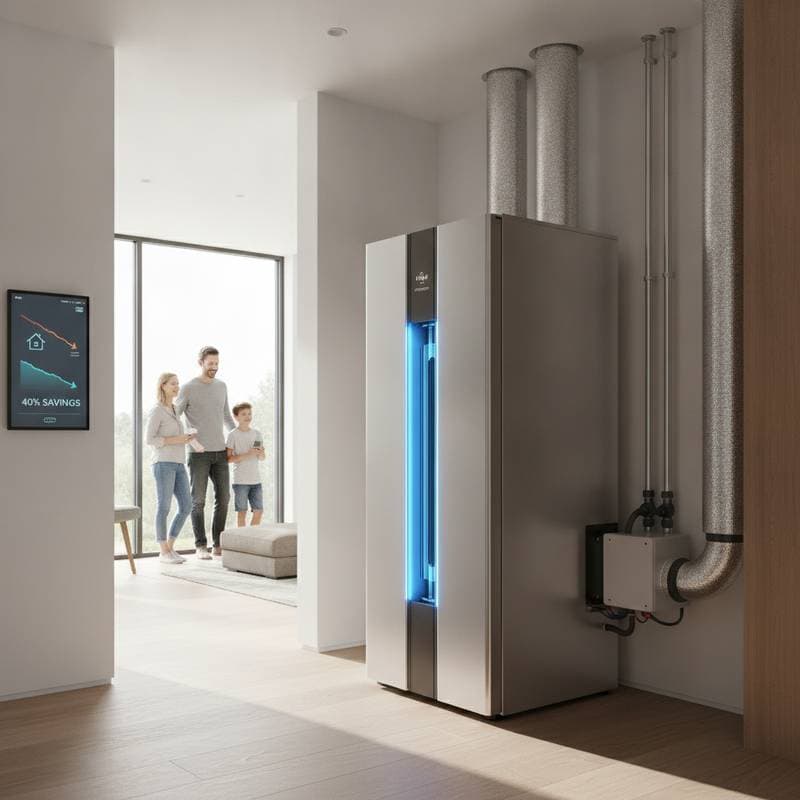
- Grid-interactive water heaters reduce household energy expenses by up to 50 percent via optimized timing and grid coordination.
- Demand response technology relocates heating operations to off-peak intervals, where electricity rates are lower and sources are cleaner.
- Utility rebates and smart home compatibility simplify adoption and accelerate return on investment.
- Initial users experience quicker heating times, greater dependability, and decreased carbon emissions.
The Promise of Smarter Hot Water
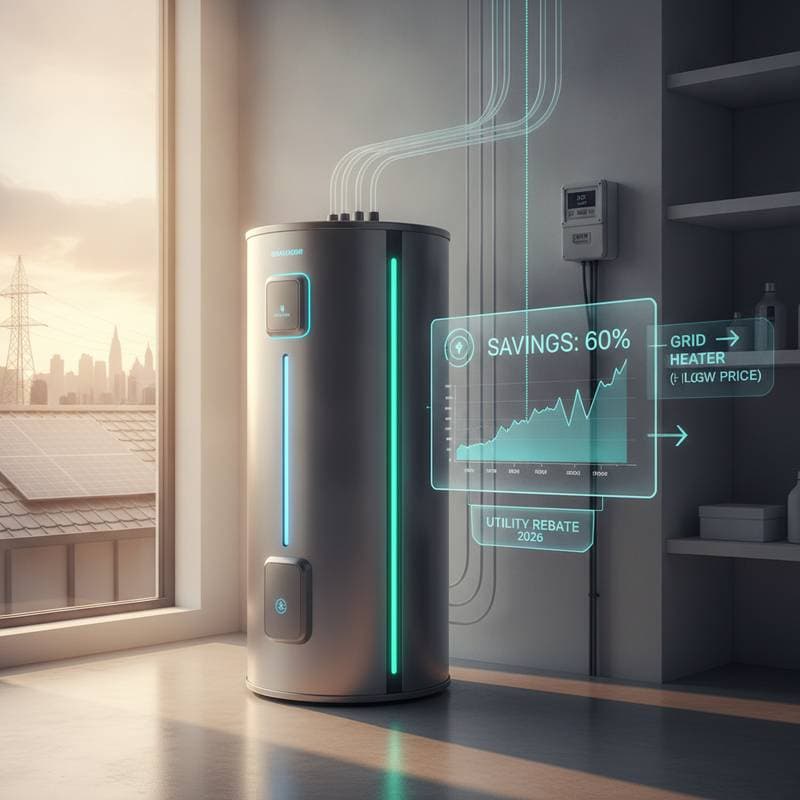
Picture starting your day with a steaming shower that requires only half the energy cost of previous months. Grid-interactive water heaters enable this reality for homeowners seeking reduced expenses alongside contributions to a more efficient energy infrastructure. These units resemble conventional tank models in appearance and basic operation, yet they incorporate grid connectivity for intelligent management.
The core concept involves strategic energy storage. Systems accumulate thermal energy during times of surplus and low pricing, then deploy it during high-demand periods. This approach benefits both personal finances and broader environmental goals.
How Grid-Interactive Water Heaters Work
Conventional water heaters consume electricity steadily, frequently at peak rates. Grid-interactive versions employ sensors, advanced software, and bidirectional grid communication to synchronize operations. During demand surges, the unit temporarily scales back heating; in low-demand phases, it restores the tank's temperature with minimal expense.
Core Components
- Smart Controller: Modifies heating cycles in response to real-time grid directives.
- Connectivity Module: Establishes secure links to utility networks or energy platforms.
- Thermal Storage: Maintains warmth over extended durations to preserve user comfort.
- User Dashboard: Provides oversight and adjustments via mobile applications or integrated home systems.
Data from the U.S. Department of Energy indicates that demand response initiatives can curtail residential energy use by 9 to 15 percent. Paired with time-of-use tariffs, annual reductions frequently climb to 40 or 50 percent.
Financial and Environmental Benefits
Load shifting forms the foundation of cost reductions. Operations during off-peak windows minimize charges, while participation in demand programs often yields direct payments from providers, effectively monetizing the appliance.
These heaters also bolster grid reliability. They capture surplus from solar and wind sources during optimal conditions and alleviate pressure at peak times. Such adaptability facilitates greater renewable energy adoption and diminishes dependence on fossil fuel reserves.
Comparing Costs and Payback
| System Type | Average Upfront Cost | Annual Savings | Typical Payback Period |
|---|---|---|---|
| Standard Electric | $700 to $1,200 | Minimal | None |
| Smart Grid-Connected | $1,200 to $2,000 | $200 to $400 | 3 to 5 years |
| Heat Pump + Grid Interactive | $2,000 to $3,000 | $400 to $600 | 2 to 4 years |
Initial investments differ by region and features, but incentives like federal tax credits narrow the difference. Most owners recoup costs quickly and sustain savings throughout the equipment's service life.
Practical Steps to Get Started
1. Check Utility Programs
Reach out to your electricity provider to identify grid-interactive incentives or demand response options. Providers frequently cover installation fees or issue credits for enrollment, easing the transition.
2. Choose the Right Model
When replacing an aging unit, select a grid-ready option certified by ENERGY STAR. Prioritize models with robust connectivity and efficient insulation to maximize long-term performance.
3. Integrate with Your Smart Home
Connect the heater to your home automation setup for detailed monitoring, custom scheduling, and operational notifications. This arrangement maintains user oversight while enabling automated optimizations.
4. Maintain for Long-Term Efficiency
Regular upkeep preserves functionality. Schedule annual tank flushing, inspect the anode rod for corrosion, and apply software updates to sustain optimal operation.
Expert Perspectives
Specialists in energy systems view grid-interactive heaters as thermal equivalents to batteries, offering dual advantages for residences and networks. Dr. Leigh Parker, a researcher in energy systems, describes them as a foundational element in demand flexibility, emphasizing their role in heat storage over electrochemical alternatives.
Energy suppliers value their potential at scale. A major utility noted that 50,000 interconnected units in one area could match the load-balancing output of a moderate-scale generation facility, all without expanding physical infrastructure.
Adopting Grid-Interactive Heating Today
For upcoming home improvements, consider a grid-interactive water heater as a strategic choice. It delivers prompt financial relief and tangible ecological impacts, integrating your residence into an advanced energy ecosystem.
Evaluate your existing utility rates, research compatible units, and investigate regional support programs. As connected heating solutions proliferate, early implementation secures enduring economic and sustainability advantages, transforming routine hot water access into a model of efficiency.