Key Benefits of Hempcrete
- Hempcrete delivers inherent fire resistance via its mineral composition, providing a secure option over typical insulation.
- It maintains steady temperature and humidity levels, which lowers energy use and enhances living comfort.
- Long-term durability and cost efficiencies surpass the elevated initial investment.
- Carbon-negative attributes establish it as a leading sustainable construction material.
- Applicable in new builds and renovations, it suits diverse projects and financial plans.
Addressing Core Building Needs: Safety, Comfort, and Sustainability
Homeowners everywhere grapple with balancing safety, comfort, and efficiency in their living spaces without excessive costs or quality trade-offs. Fire protection, energy conservation, and ecological accountability frequently conflict. Standard insulation options may perform well thermally yet include chemicals that emit toxins in fires or deteriorate quickly.
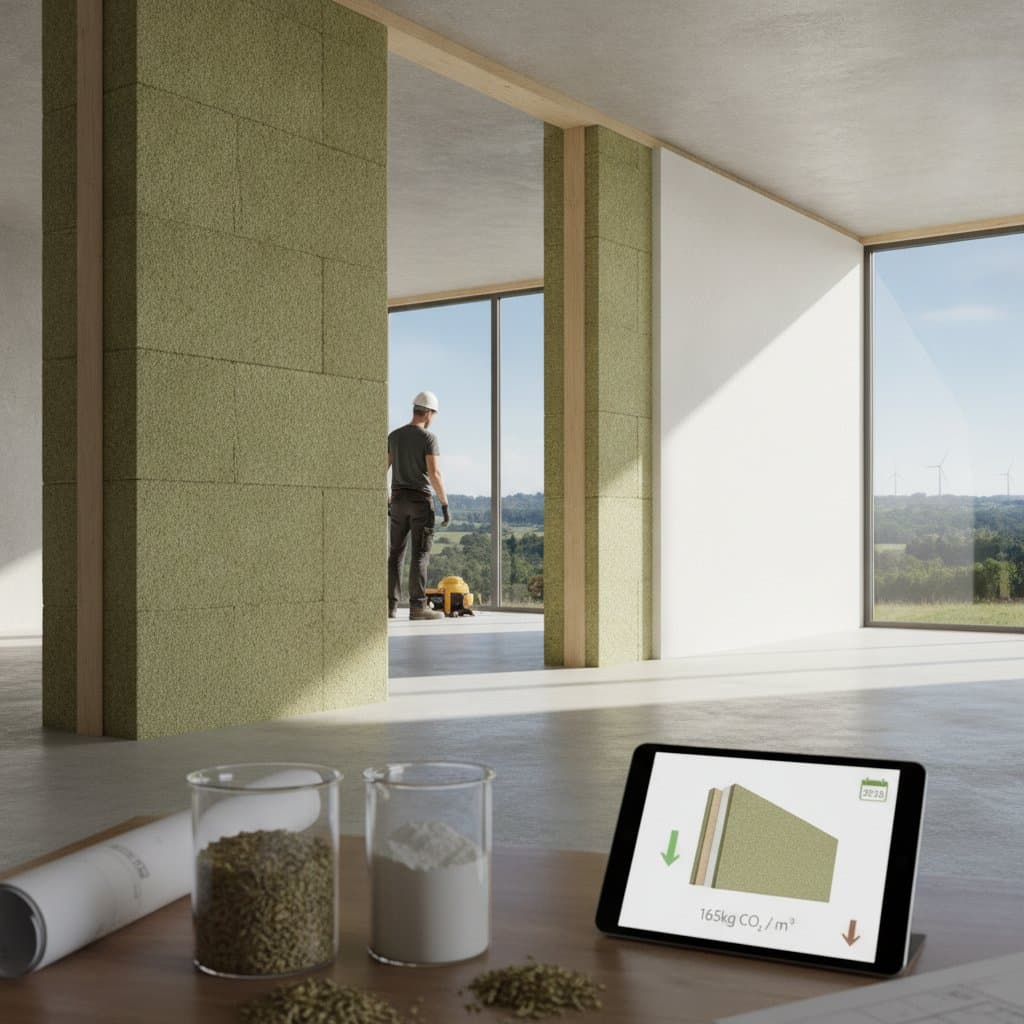
Hempcrete emerges as a bio-composite solution, crafted from hemp plant's inner core blended with lime and water. This material tackles several demands concurrently: effective insulation, natural fire resistance, moisture control, and carbon sequestration. Homeowners seeking enduring strength and environmental alignment find it particularly compelling.
Elevating Fire Safety in Modern Homes
Fires pose severe risks to residences and neighborhoods, where material choices dictate outcomes from limited harm to complete destruction. Common insulations like foam boards or fiberglass readily ignite or produce hazardous vapors under intense heat. Even designated fire-retardant variants depend on treatments that weaken with age.
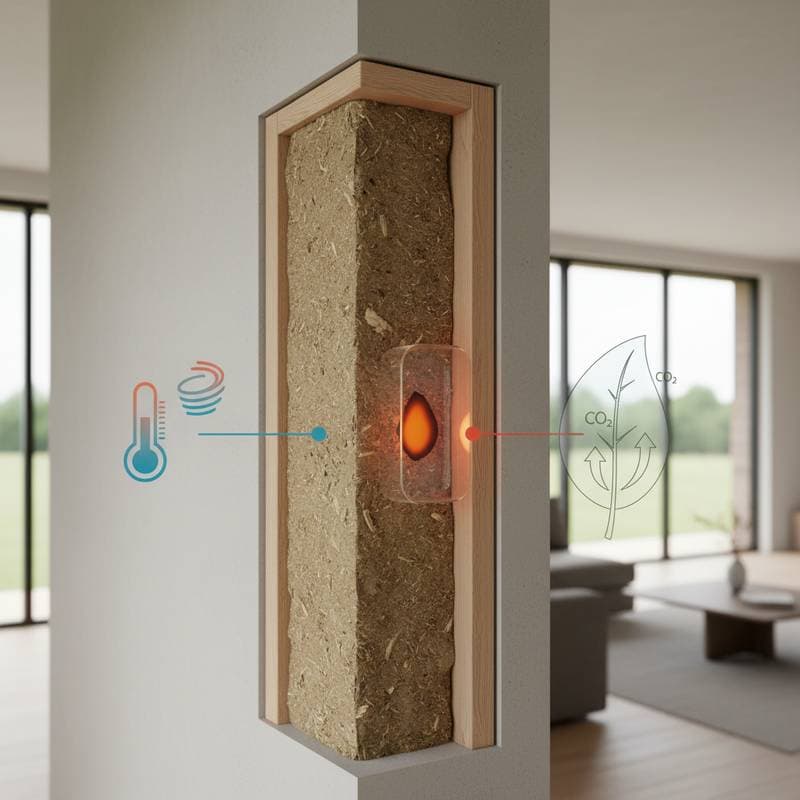
Hempcrete operates on a distinct principle. Its lime binder evolves into a mineral matrix during curing, forming a combustion-resistant framework. Upon flame exposure, the surface chars without propagating fire. Tests confirm it endures prolonged direct heat without compromising integrity, proving essential in wildfire zones or areas with stricter fire regulations.
This built-in protection offers homeowners reliable assurance. Hempcrete in walls or as insulation creates an inherent safeguard, free from upkeep-dependent coatings or additives.
Understanding Hempcrete's Technical Advantages
Hempcrete's fire resistance stems from its mineral elements and internal structure. Cured lime becomes calcium carbonate, a non-flammable substance. The enclosed hemp hurd limits oxygen access, while surface charring insulates against advancing heat.
In thermal terms, hempcrete moderates rather than merely traps heat, unlike fiberglass or foam. It leverages thermal mass and permeability to absorb daytime warmth and release it slowly. This approach minimizes reliance on constant heating or cooling.
Consequently, it supports dual goals of energy savings and fire security. Hempcrete walls match moderate conventional insulation ratings, augmented by phase-change effects for stable interiors, especially in variable climates. Expect reduced utility expenses and consistent comfort.
Evaluating Costs and Long-Term Value
Hempcrete may seem pricier upfront due to specialized materials, preparation, and labor. A full wall assembly typically runs 10 to 25 percent above standard framed systems with basic insulation. Lifecycle analysis reveals superior economics.
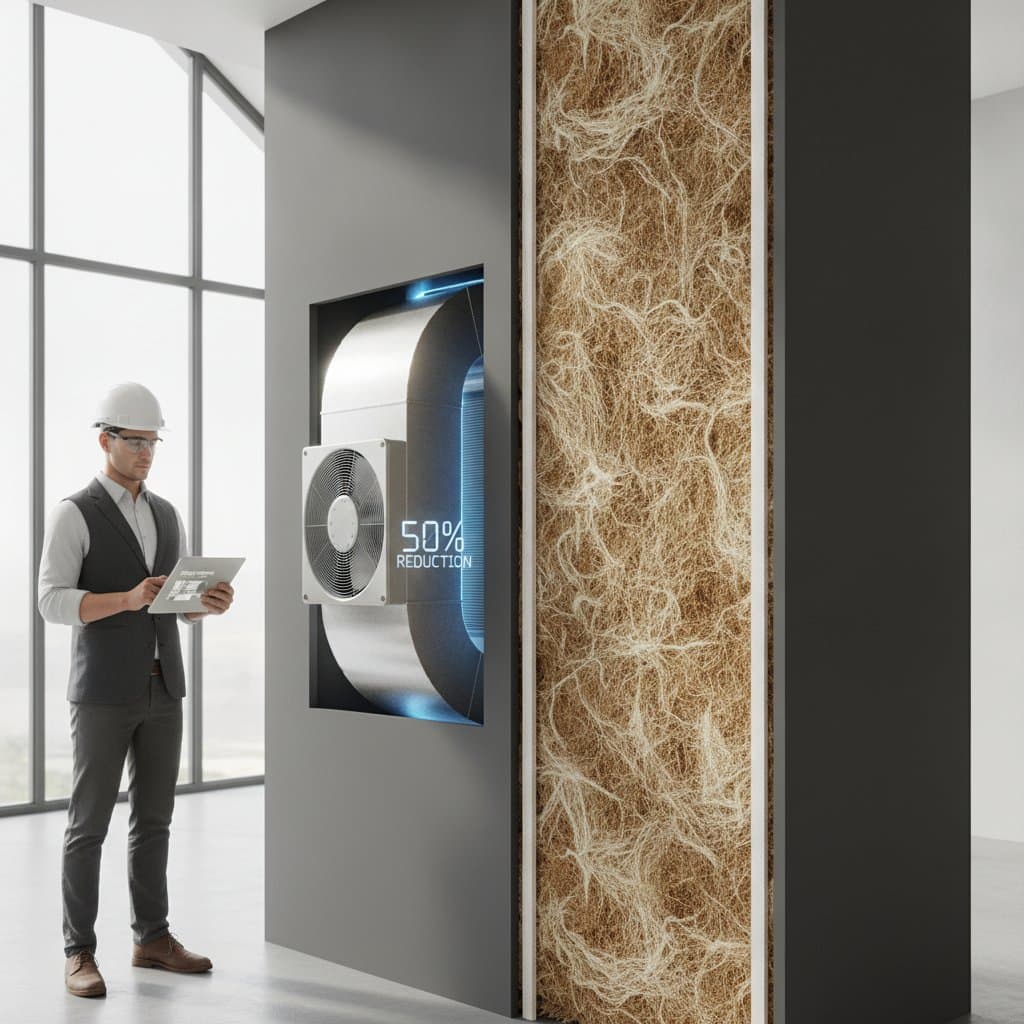
Energy reductions reach 30 to 50 percent over years, offsetting initial outlays. Humidity control curbs mold and decay, trimming repair needs. Consider these ROI elements:
- Initial premium: 10 to 25 percent.
- Annual energy cuts: up to 50 percent.
- Lifespan maintenance savings: 20 to 30 percent.
- Market resale boost: 5 to 10 percent, varying by location.
These projections highlight hempcrete's reliability across fiscal and ecological scenarios. Eco-aware markets further elevate its appeal for resale.
Enhancing Health and Indoor Environments
Hempcrete extends beyond structure and finances to foster healthier interiors. It stabilizes humidity to inhibit mold and allergens. Vapor permeability enables walls to breathe, minimizing condensation and air quality threats.
Absent synthetic additives or chemical retardants, it releases no volatile organics. This suits allergy-prone or sensitive individuals. Lime's antimicrobial traits further guard against contaminants.
Daily, these features yield balanced spaces. Steady thermal and moisture profiles promote well-being, often decreasing ventilation or climate control demands.
Carbon Sequestration and Broader Environmental Gains
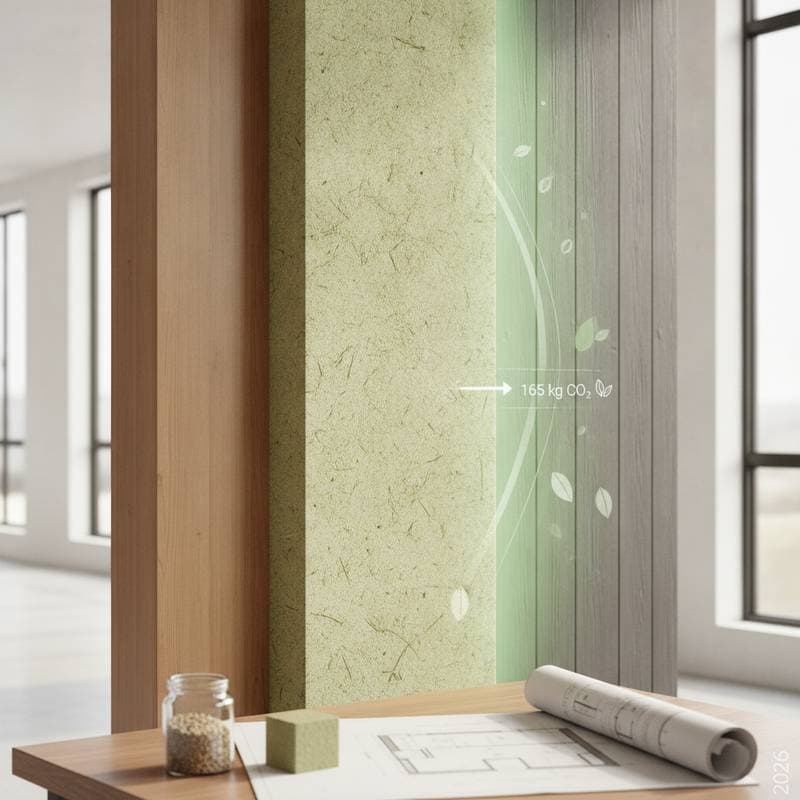
Material choices rival energy strategies in sustainability impact. Hempcrete achieves carbon negativity: hemp growth captures more CO2 than production emits, with lime locking it in long-term.
One cubic meter sequesters 100 to 150 kilograms of CO2 equivalent, based on mix and cure. A standard home offsets tons from other builds. Hemp's quick cycle, low chemical needs, and soil benefits enhance renewability.
Lime recaptures CO2 during extended curing. Versus fossil-based insulations, hempcrete advances low-emission building without forfeiting safety or strength.
Versatility for Diverse Climates and Projects
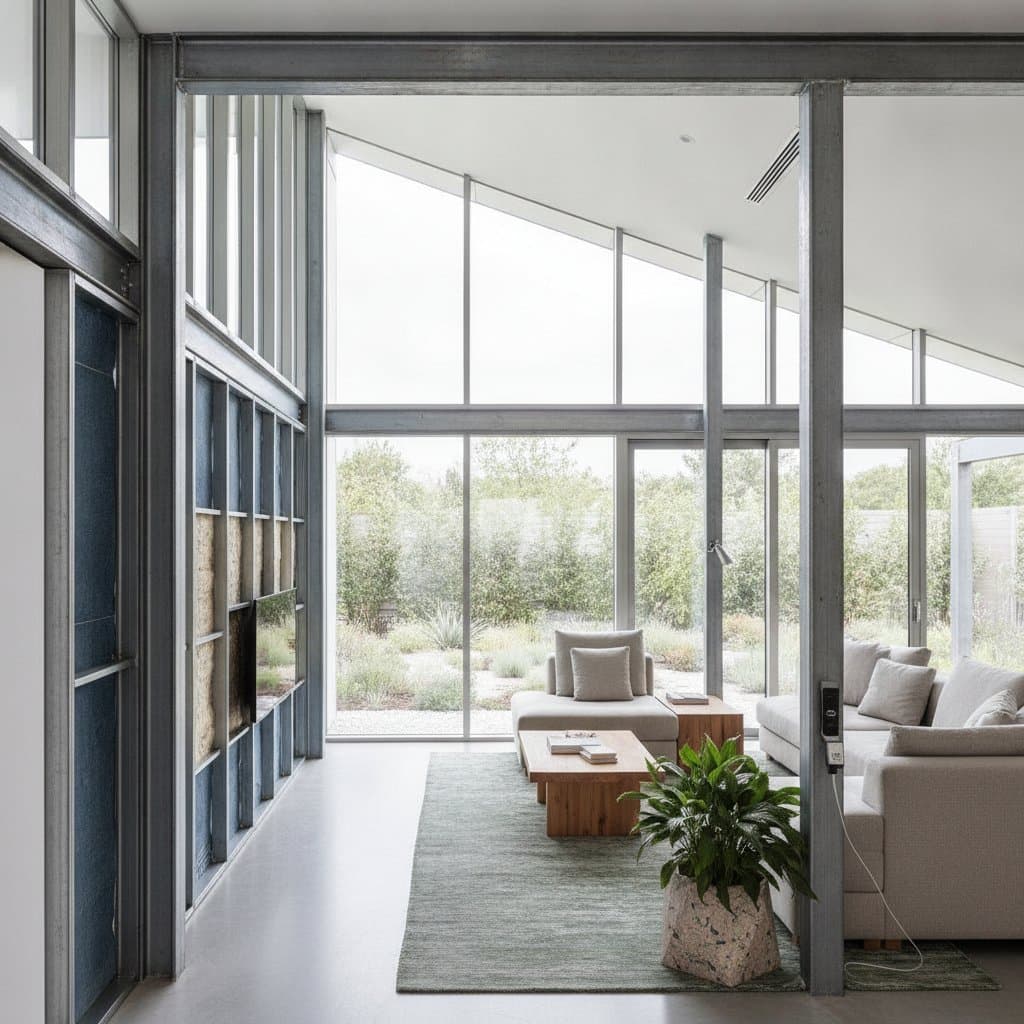
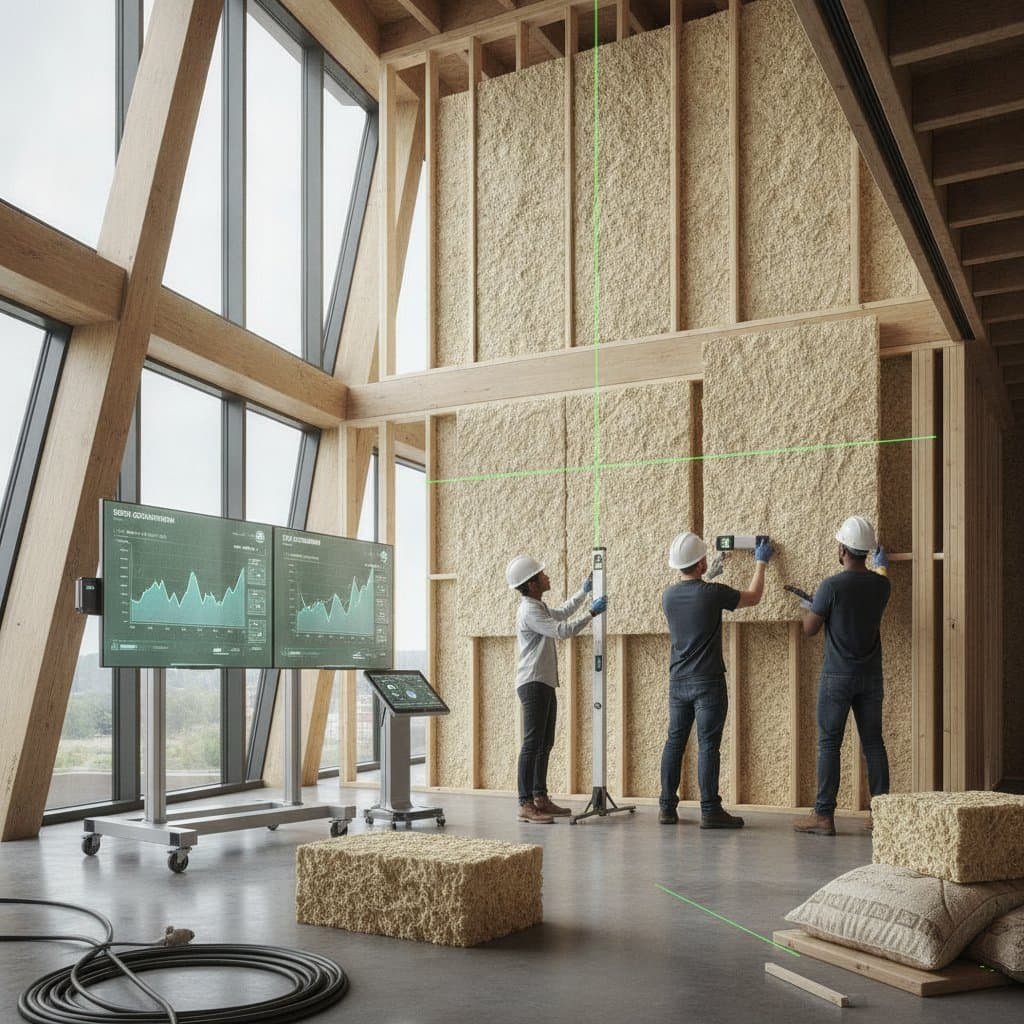
Hempcrete adapts seamlessly to various forms: cast on-site, block-molded, or cavity-sprayed. It integrates into new constructions, upgrades, or extensions without overhauling frameworks.
In cold areas, it insulates while providing mass against swings. In heat, it vents excess warmth. Moisture management fits arid or wet settings.
Codes increasingly accommodate it under performance criteria for fire, energy, and ecology. Engage lime-experienced builders for seamless incorporation. For hands-on projects, try non-structural partitions or outbuildings; structural applications demand certified experts.
Frequently Asked Questions on Hempcrete
Does hempcrete serve as structural support? No, it fills or encases frames for insulation and enclosure, not weight-bearing.
How does its R-value stack against spray foam or fiberglass? Per inch, it trails dense foams slightly, yet thermal mass and regulation yield equivalent real performance in comfort and savings.
Is retrofitting feasible? Absolutely, for walls, floors, or roofs in masonry or timber setups without full demolition.
What maintenance does it require? Little; post-cure with breathable lime plaster, inspect finishes periodically.
Can it withstand high humidity or exposure? It absorbs minimally and dries fast; use overhangs and permeable coatings for longevity.
Is it pest-proof? Lime's mineralization repels insects and rodents effectively.
Integrating Hempcrete into Your Project
Evaluate your objectives first: prioritize fire safety, efficiency, and green credentials? Hempcrete aligns uniquely. Consult lime-construction specialists and obtain climate-specific data.
Budget with foresight, accounting for savings in energy, upkeep, and value appreciation. The result extends to lived experience: natural materials yield serene, responsive homes with optimal climate and purity.