Key Points
- Hempcrete emerges as a premier carbon-sequestering insulation material that reshapes sustainable construction practices.
- Builders and homeowners anticipate swift adoption of hempcrete, driven by its environmental advantages and updates to building regulations.
- Sourcing quality materials, precise mixing, and controlled curing guarantee thermal efficiency alongside structural integrity.
- Pioneering users document significant drops in embodied carbon alongside enhanced indoor air quality.
- Expert oversight facilitates secure, compliant installations that yield enduring comfort and ecological gains.
The Green Building Shift You Can Feel
Imagine entering a home where walls regulate air naturally, sustaining consistent comfort amid shifting outdoor temperatures. The atmosphere remains fresh, sounds soften, and the environment conveys inherent harmony. As a green building professional, I observe homeowners pursuing this sensation, yet they often encounter materials that compromise either sustainability or functionality. Hempcrete resolves this dilemma.
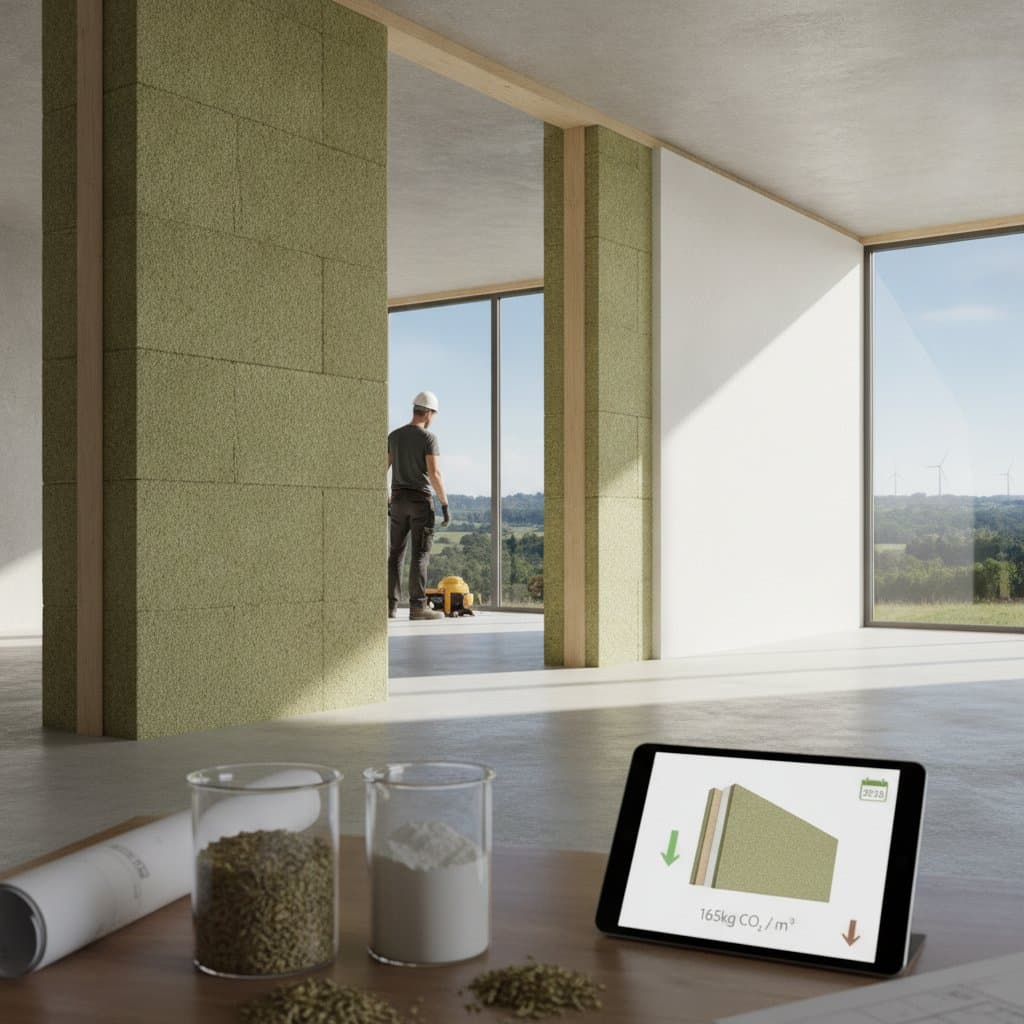
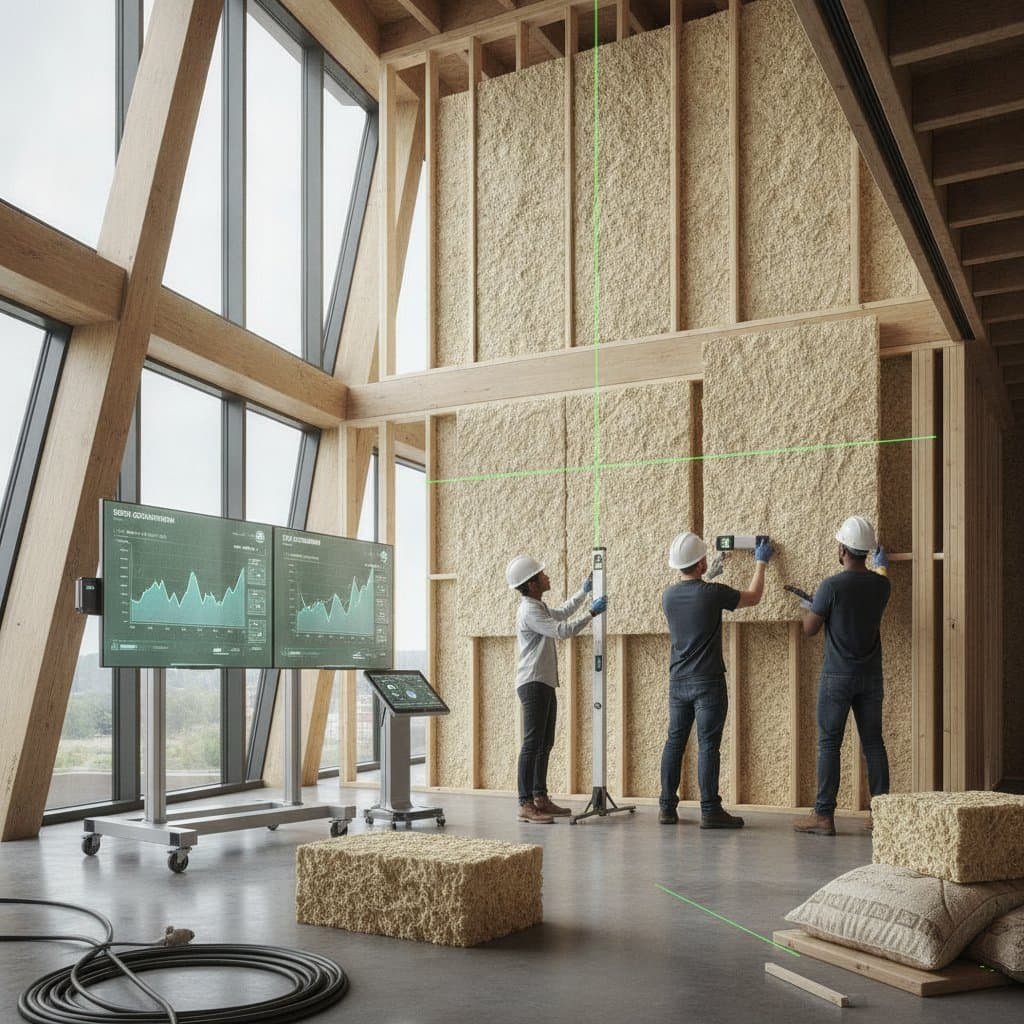
Hempcrete consists of the hemp plant's inner woody core blended with lime and water. This composition yields a lightweight, permeable insulation that captures carbon dioxide throughout the curing phase. With regions enforcing stricter energy standards and carbon-neutral mandates, hempcrete transitions from specialized applications to widespread use in homes and commercial structures.
Why Builders Are Paying Attention
Hempcrete possesses a long history, yet its ecological attributes align seamlessly with contemporary construction hurdles. Building materials contribute approximately 40 percent of worldwide carbon emissions, while conventional insulations frequently release petrochemical vapors over time. Hempcrete, however, sequesters carbon during setting, resulting in a negative carbon balance.
Through extensive field experience, I recognize that few materials combine efficacy, visual appeal, and renewable origins like hempcrete. It proves renewable, non-toxic, and thermally consistent, offering a competitive R-value in substantial wall configurations. Mastery of its application techniques determines optimal outcomes.
The Science Behind Carbon-Sequestering Insulation
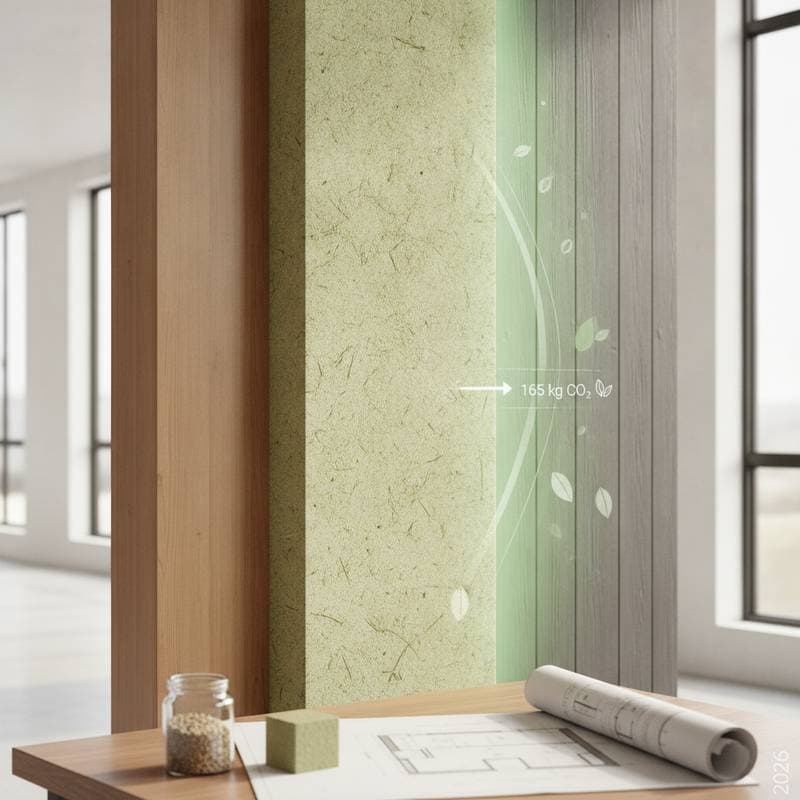
Hempcrete's carbon advantages originate in the hemp plant's development. The plant draws substantial carbon dioxide during growth, and this capture persists when integrated with lime. In the carbonation process, lime recaptures atmospheric carbon, forming a robust mineral structure that gains strength progressively.
This dual sequestration mechanism enables each cubic meter of hempcrete to retain up to 165 kilograms of carbon dioxide. Homeowners committed to minimizing their property's environmental impact gain a tangible, persistent aid to climate objectives.
Expert Tips to Boost Your Home’s Eco-Efficiency
For those exploring hempcrete in new constructions or renovations, consider these targeted recommendations:
1. Conduct a Building Energy Audit
Evaluate energy loss points in your existing setup. An expert assessment clarifies if wall modifications or comprehensive rebuilds provide superior value.
2. Choose Certified Hemp Shives
Opt for industrial hemp from verified producers. High-quality shives, the plant's woody interior, promote uniform density and humidity control.
3. Follow Precise Mixing Ratios
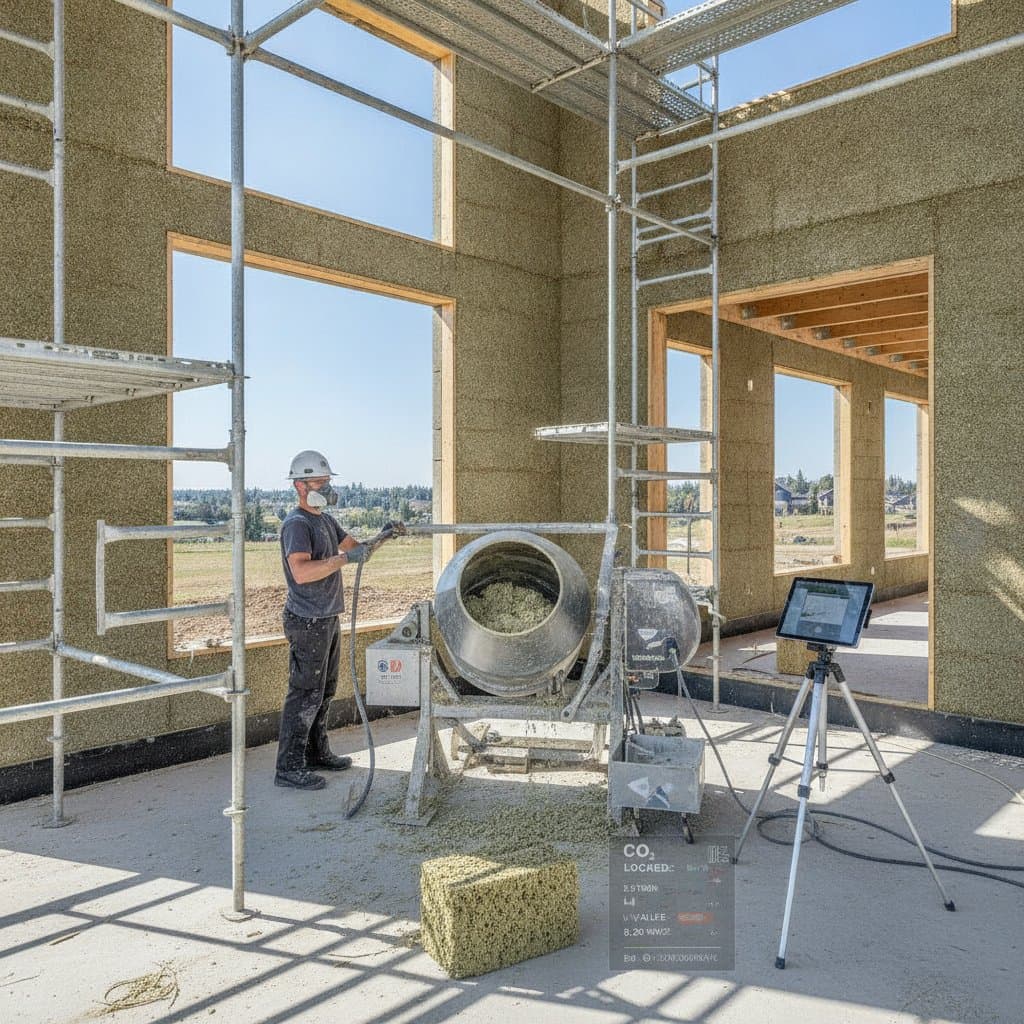
A standard formula employs one part lime binder to four parts hemp shives, incorporating water to achieve cohesion without excess liquidity. Excessive moisture invites fissures, whereas insufficient amounts diminish insulating properties.
4. Permit Adequate Curing Time
Hempcrete requires gradual curing for longevity. Influenced by ambient humidity, complete carbonation may span weeks, yet the outcome delivers a dependable, vapor-permeable wall assembly.
5. Apply Vapor-Permeable Finishes
Select lime plasters or mineral-based paints over synthetic alternatives. Such surfaces permit moisture migration, upholding the permeability central to hempcrete's effectiveness.
Real-World Results from the Field
In moisture-rich coastal areas, hempcrete surpasses traditional setups by stabilizing indoor humidity sans mechanical aids. In frigid zones, substantial hempcrete layers combined with sealed barriers form an enveloping warmth comparable to premium foam products.
Builder and sustainability consultant Maria Lewis states, “Hempcrete transforms the feel of a home. Clients describe the comfort as steady, not stifling, and they notice fewer allergens in the air.” Her team finished a hemp-lime upgrade that reduced heating needs by almost 35 percent.
Cost and Practical Considerations
Hempcrete installation costs range from $12 to $18 per square foot, varying with wall depth and surface treatments, though it exceeds some budget options. Its resilience and minimal upkeep offset initial expenses over time.
As a non-load-bearing substance, hempcrete encases timber or metal frameworks. This combined approach affords versatile designs and complies with prevailing codes under expert engineering. Certain areas incorporate hempcrete into green certification protocols, easing approvals for innovators.
Safety features include fire resistance, pest deterrence, and absence of volatile organics. It manages humidity organically, mitigating mold or moisture issues. Homeowners value this blend of livability and reliability.
How Hempcrete Matches Modern Climate Goals
Localities aiming for carbon neutrality prioritize materials that curb both energy consumption and embedded emissions. Hempcrete addresses these priorities effectively. Integrated with solar panels, water-efficient fixtures, and optimized climate control, it bolsters holistic eco-strategies.
As a green building specialist, I advocate combining hempcrete with bio-derived elements such as wooden frames or plant-fiber roof fills. This method ensures uniform heat retention while curtailing artificial components.
Overcoming Common Misconceptions
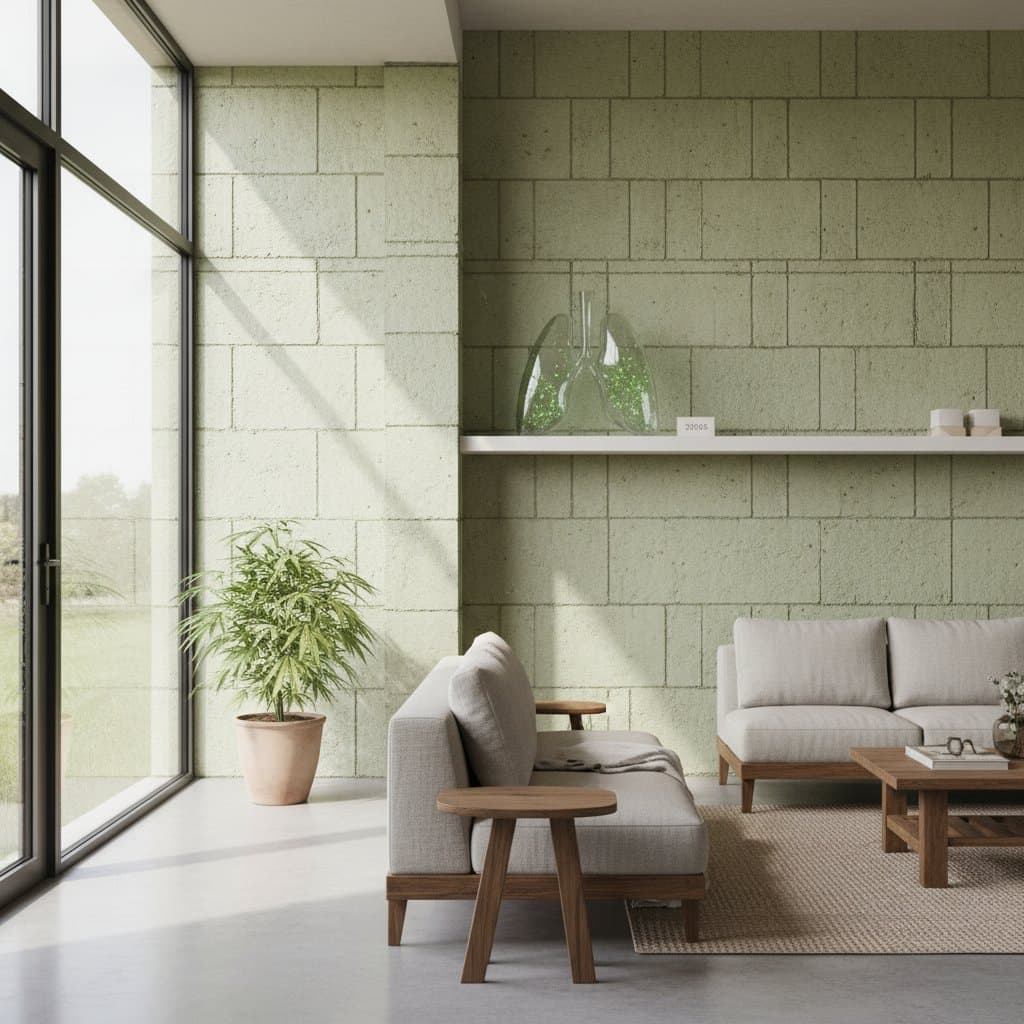
Certain individuals fear hempcrete appears weak or raw. Properly applied and coated, it yields polished finishes from textured earthiness to sleek modernity. A further fallacy claims hempcrete structures retain a plant odor. Post-curing, only the clean essence of mineralized lime prevails.
Another assumption limits hempcrete to temperate zones. With sufficient thickness and meticulous sealing, it excels in chilly or variable climates. Achieving equilibrium between insulation volume and air sealing, a skill of seasoned eco-builders, unlocks its versatility.
Making It Happen
To pursue hempcrete, engage a regional builder with verified project experience. Our platform connects you to qualified experts versed in material properties and jurisdictional rules. Professionals often provide on-site evaluations or trial setups for direct performance insights.
Reflect on whether hempcrete aligns with your finances or schedule. Compact endeavors, such as outbuildings or extensions, serve as effective introductions. Experiencing the enhanced comfort and purity often motivates expansion to primary residences.
Hempcrete embodies a progression toward restorative building methods that replenish resources. Through deliberate planning and skilled implementation, your forthcoming endeavor contributes to an enduring ecological landscape.
Frequently Asked Questions
Q: How long does it take to install and cure hempcrete walls?
A: Installation spans one to two weeks for a typical residence, followed by weeks of curing based on humidity and warmth. Carbonation advances over months, though walls become functional upon attaining dry stability.