Key Points
- Mushroom-based insulation from mycelium provides a sustainable alternative to conventional materials.
- It delivers excellent breathability, moisture resistance, and thermal performance across various climates.
- Early users experience reduced energy bills, improved indoor air quality, and lower carbon emissions.
- Production scaling will reduce costs, positioning mycelium insulation as a viable competitor to fiberglass and foam.
The Emergence of Mycelium in Construction
Professionals in green building observe homeowners grappling with the challenge of achieving comfort, efficiency, and environmental stewardship. Imagine entering a residence where walls maintain consistent temperatures, providing warmth during cold seasons and coolness in heat. This effect stems from mycelium insulation, derived from fungal roots, rather than synthetic or chemical options.
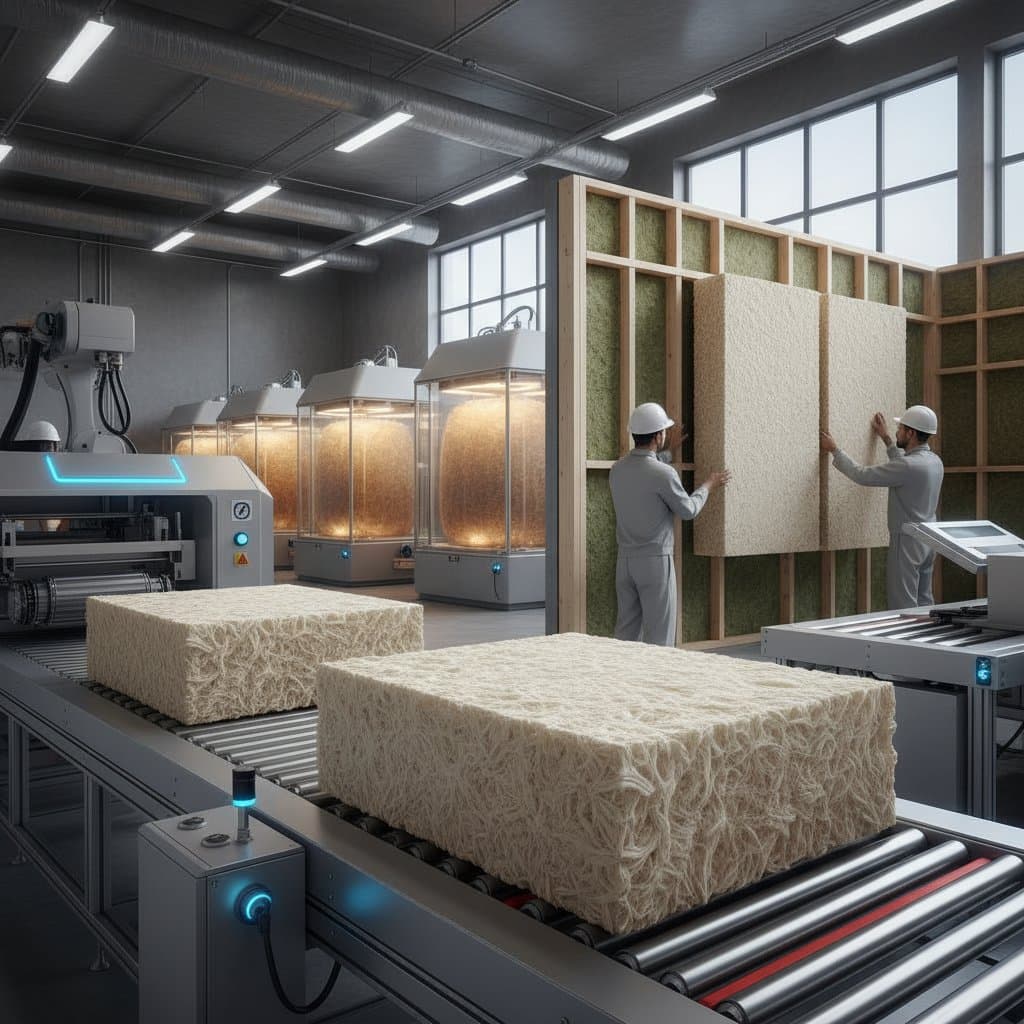
In areas prone to humidity or temperature fluctuations, construction experts increasingly select mycelium. This material develops through cultivation on agricultural byproducts, creating dense blocks that substitute for foam or spray insulation. The process aligns with sustainable practices by repurposing waste into functional building components.
Limitations of Conventional Insulation
Homeowners frequently use fiberglass, mineral wool, or petroleum-derived foams. These options function adequately but impose drawbacks. They release volatile organic compounds, deteriorate with age, and require substantial energy for production.
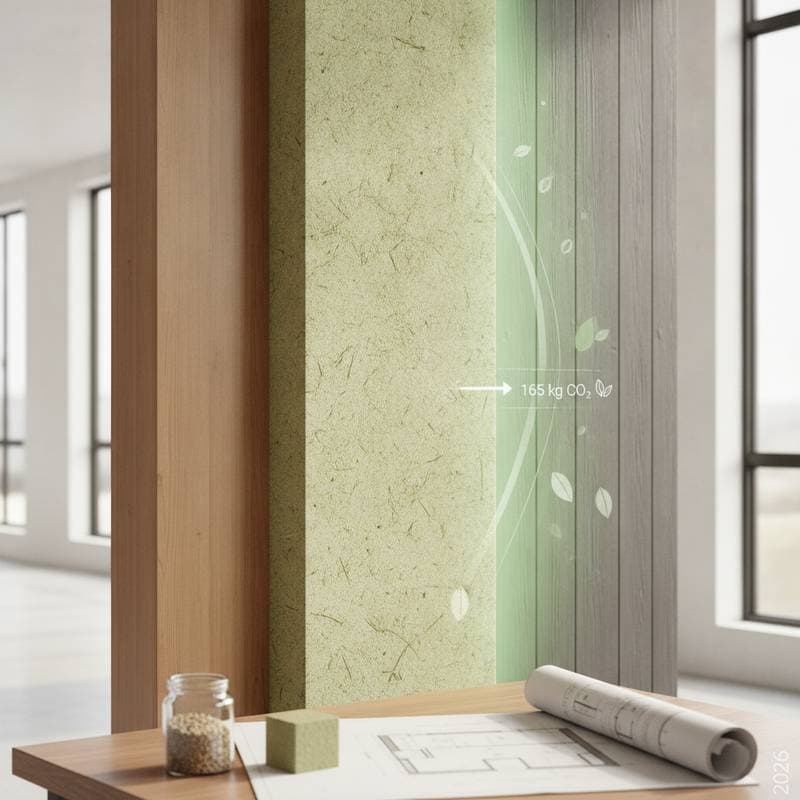
In moist environments, such materials retain water and promote mold. In dry conditions, they crack and diminish in effectiveness. Moreover, their production generates high levels of embodied carbon from manufacturing and shipping. Mycelium, however, sequesters carbon during growth, effectively storing emissions that might otherwise contribute to atmospheric greenhouse gases.
Understanding Mycelium Insulation Science
Mycelium consists of fungal root structures that form extensive networks in natural settings. When grown on substrates like hemp hurds or sawdust, it naturally binds the materials. After drying and heat processing, growth halts, resulting in a lightweight, robust composite.
Primary advantages encompass:
- Thermal performance: Matches rigid foam with R-values of 3.5 to 4 per inch, where higher values indicate greater heat resistance.
- Humidity management: Allows vapor exchange to balance indoor moisture levels.
- Fire safety: Chars without melting or releasing harmful smoke.
- End-of-life options: Fully compostable, serving as soil enhancers upon disposal.
Dr. Leanna Cruz, a materials scientist focused on bio-based building, states, “Mycelium insulation excels in fluctuating weather. It deters pests, controls humidity, and eliminates the need for synthetic adhesives that damage health and environments.”
Steps for Incorporating Mycelium Insulation
Integrating this material requires a straightforward approach based on field experience.
Assess the Building Structure
Conduct an energy audit to pinpoint heat loss areas, such as attics, basements, and wall spaces. Older structures often lose 25 percent of energy due to poor insulation.
Select Appropriate Forms
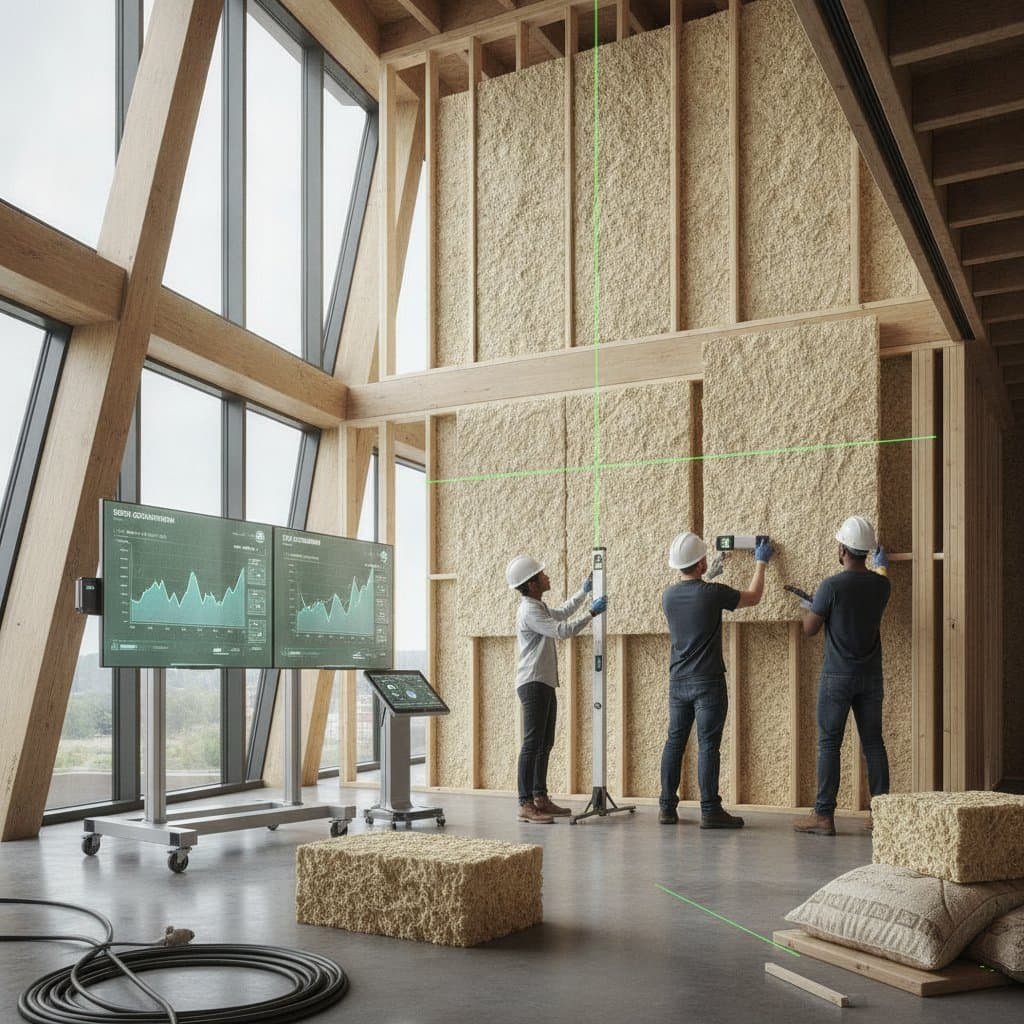
Options include rigid panels, sprayable mixtures, or custom-molded units. For renovations, panels install easily between studs. New constructions benefit from integrating blocks into wall assemblies.
Address Ventilation Needs
Mycelium manages moisture internally, yet proper airflow remains essential. Use permeable barriers to permit vapor escape while blocking liquid water.
Engage Qualified Installers
As an emerging product, expertise varies among contractors. Seek professionals certified in bio-materials, familiar with local regulations and site-specific factors.
Apply Eco-Friendly Finishes
Complement with lime-based plasters or low-VOC paints to preserve breathability. Steer clear of impermeable sealants that hinder natural properties.
Evaluating Costs and Effectiveness
Mycelium insulation currently costs $5 to $7 per square foot, based on density. Energy reductions, however, recoup the investment in five to seven years. Users note 30 percent drops in heating and cooling expenses, especially in regions with extreme weather.
Expanding manufacturing will drive prices down. Installation requires minimal tools, reducing labor time. For certifications like LEED, mycelium earns credits in sustainable sourcing and health categories.
Safety features include non-toxicity and fiber-free composition, ideal for households with allergies or sensitivities.
Strategies for Optimal Performance
- Enhance sealing: Close air leaks prior to fitting to eliminate drafts.
- Incorporate sun barriers: Use radiant shields in sunny climates to improve efficiency.
- Conduct regular checks: Monitor for water issues and resolve them quickly.
- Preserve materials: Store unused portions in dry, shaded areas.
Green building specialists suggest annual energy assessments post-installation. Pairing with automated controls or window treatments maximizes long-term benefits.
Advancing Sustainable Residences
Mycelium insulation enables homeowners to enhance ecological impact without sacrificing comfort. It converts waste into durable assets, eases waste disposal burdens, and supports healthy living spaces.
Pilot projects nationwide demonstrate its durability in real-world applications. Homeowners can participate by partnering with bio-construction specialists for customized evaluations and installations.