Fireproof Mycelium: Revolutionizing Eco Homes by 2026
When readers envision sustainable housing, solar panels, recycled steel, and energy-efficient windows often come to mind. Yet the key to fireproof, biodegradable, and thermally efficient homes may reside in fungi. Mycelium, the dense network of fungal threads beneath mushrooms, emerges as a promising material in eco-construction. Architects and environmental engineers value its structural strength, natural insulation, and fire resistance.
Key Advantages
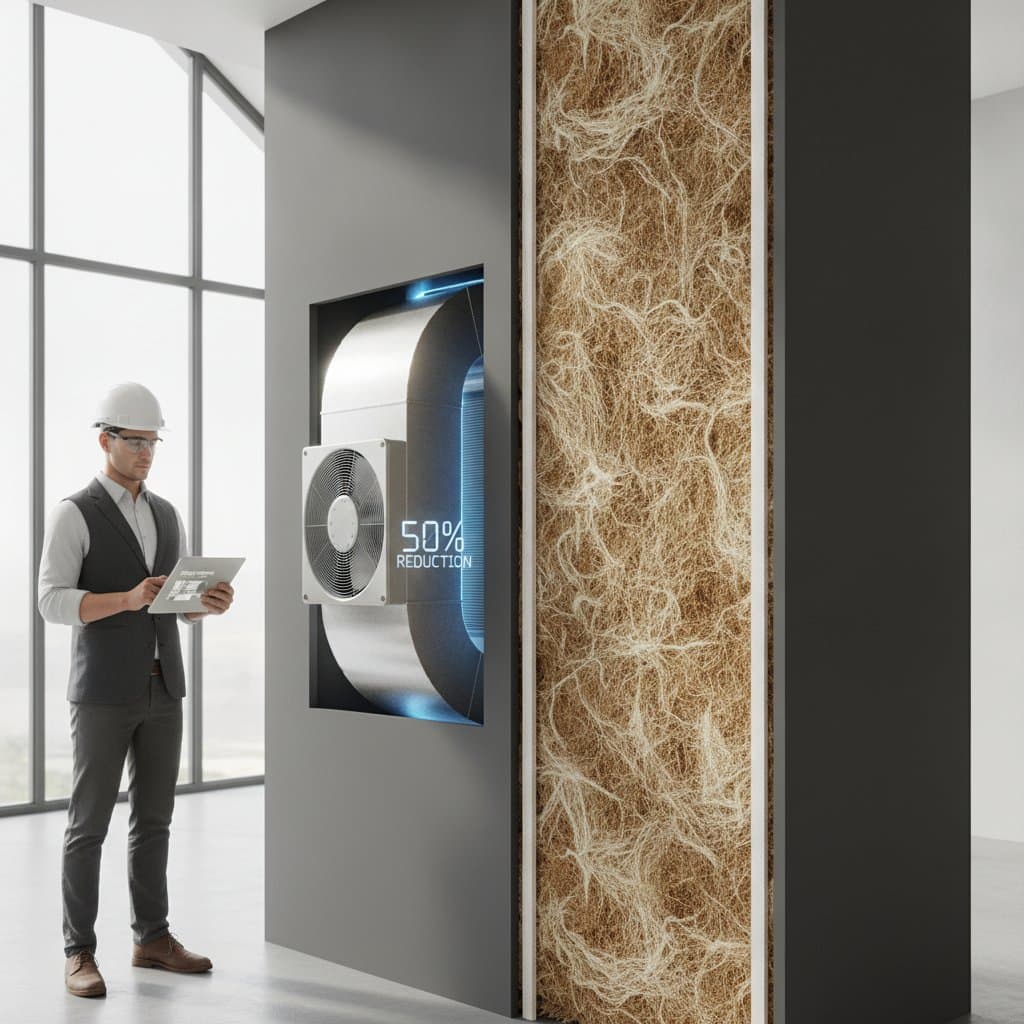
- Mycelium insulation reduces energy consumption by up to 30 percent compared to synthetic options.
- The material proves biodegradable, non-toxic, and free of volatile organic compounds.
- Prototypes demonstrate that mycelium composites endure temperatures exceeding 1000 degrees Celsius.
- Cultivation advancements will lower production costs, positioning it against fiberglass and mineral wool.
- Experts forecast broad use in green housing over the next few construction cycles.
Understanding Mycelium as a Building Material
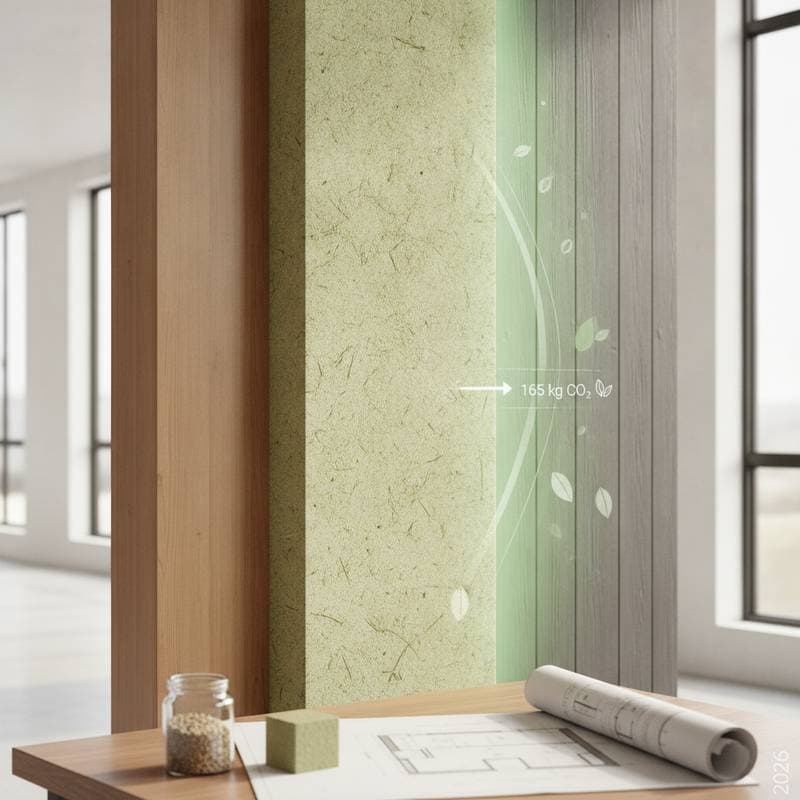
Mycelium forms the vegetative body of fungi, a living network that expands through organic matter such as straw or agricultural waste. Under controlled conditions, it binds the substrate into dense, lightweight blocks or panels. Heating or drying halts growth, yielding a stable, durable, and safe product for residential use.
The cellular structure of mycelium traps air, providing superior insulation. It matches the thermal resistance of petrochemical foams without harmful toxins. Proper treatment ensures resistance to microbial decay, pests, and moisture.
Materials scientist Dr. Lena Ortiz at the Sustainable Structures Lab states, “Mycelium shifts construction from extractive resources. It regenerates from waste, demands minimal energy for growth, and returns safely to the earth.”
Fireproofing Nature’s Network
Mycelium offers notable fire resistance. Unlike synthetic foams that melt or release toxic gases, mycelium chars without igniting. Tests confirm that panels combining mycelium and agricultural fibers meet residential fire safety standards.
Chitin and polysaccharides in fungal cell walls create a carbon-rich layer under heat, which slows combustion. Developers add mineral enhancers to boost performance, surpassing conventional insulation in endurance trials.
One study revealed that untreated mycelium panels withstood direct flames for over five minutes before compromise. Standard polyurethane foam failed in under ninety seconds. Such durability provides vital evacuation time during emergencies.
A Sustainable Alternative to Traditional Insulation
Fiberglass, polystyrene, and polyurethane dominate homebuilding insulation. However, their fossil fuel origins, non-biodegradable waste, and indoor air pollution pose environmental concerns.
Mycelium addresses these problems effectively.
| Material Type | Average Thermal Conductivity (W/mK) | Fire Resistance | Biodegradability | Cost per Square Meter (approx.) |
|---|---|---|---|---|
| Fiberglass | 0.035 | Moderate | Low | $4-6 |
| Polyurethane Foam | 0.028 | Low | None | $5-8 |
| Mycelium Composite | 0.030 | High | Complete | $4-5 (projected) |
Mycelium avoids synthetic binders, grows in days from waste, and composts fully. Homeowners gain reduced toxins, lower carbon impact, and ethical value.
The Manufacturing Process
Production starts with a substrate of sawdust, hemp hurds, or corn stalks. Sterilization removes contaminants, followed by inoculation with fungal spores. Mycelium binds particles over days into a solid matrix, then molding and heat treatment finalize panels or bricks.
This cycle consumes little energy and avoids chemicals. Inputs include organic waste and humidity control. Scaling enables local, modular facilities that cut transport emissions and foster circular economies.
Real-World Applications
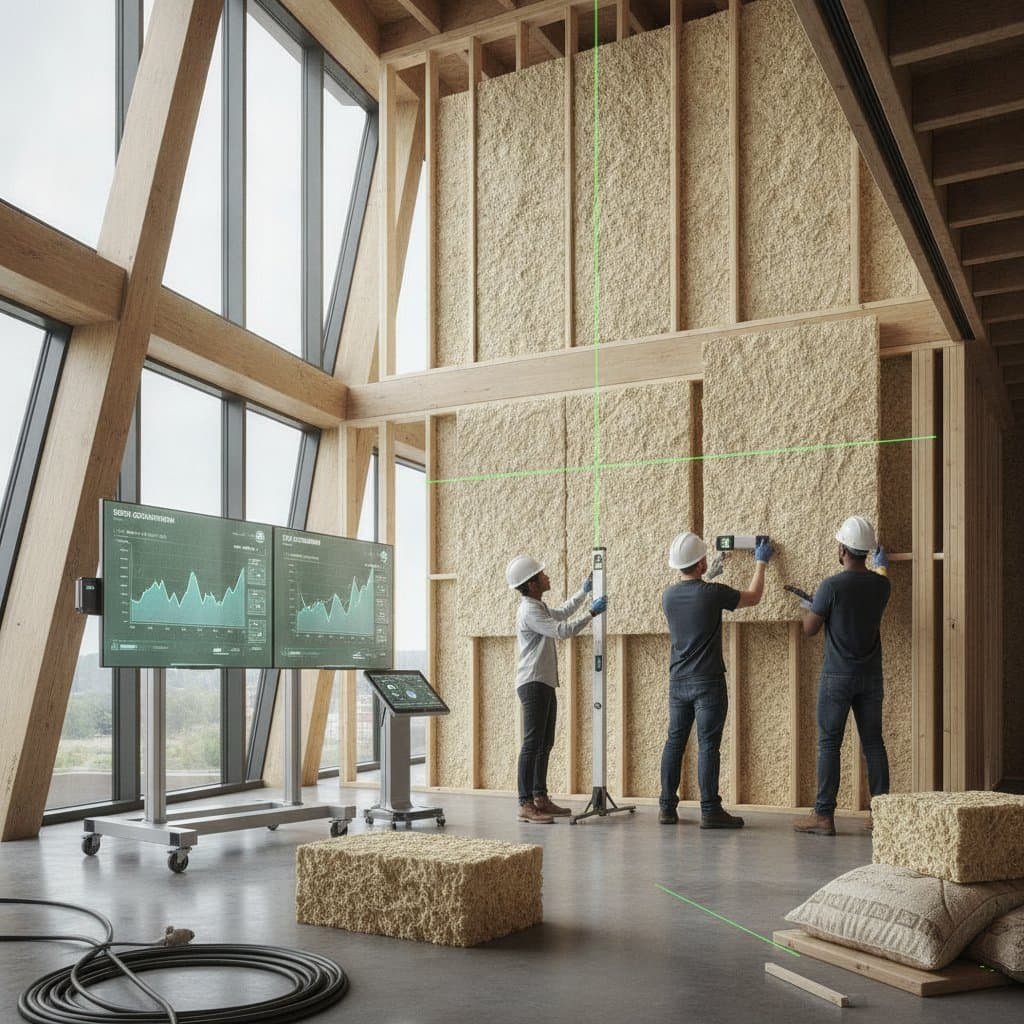
Pilot projects validate mycelium in structures. Homes with mycelium panels maintain stable temperatures, easing heating and cooling demands. The material cuts easily, weighs little, and fits wooden frames.
One demonstration reduced annual heating costs by 28 percent versus fiberglass. Its fibrous matrix also absorbs sound, minimizing noise between rooms and from exteriors.
BioHabitat Collective incorporates mycelium blocks in modular prototypes. Lead designer Amir Nadeem notes, “Using fungal materials halves construction waste while preserving stability. Builders adopt a mindset where materials grow themselves.”
Overcoming Challenges Through Research
Production consistency challenges mycelium adoption, as temperature and humidity affect growth. Automated units now regulate these for uniform density.
Building codes demand rigorous testing for fire, moisture, and structure. Promising trials pave the way for approval, with analysts anticipating faster regulatory progress.
Moisture management requires attention. Mycelium resists mold better than organics but needs sealing. Bio-based coatings enhance resistance while preserving biodegradability.
Economic and Market Prospects
Research firms project bio-based insulation claiming 15 percent of the global market in a decade, with mycelium gaining share. Scaled manufacturing will match or beat fiberglass costs.
Low capital needs, quick cycles, and waste utilization appeal to investors. Rural producers benefit from waste reduction and sales.
Incentives from governments and councils bolster viability. Insurers favor fire-resistant options, potentially lowering eco-home premiums.
Environmental and Health Advantages
Mycelium avoids microplastics and fumes, unlike synthetics. It stabilizes indoor humidity for better air quality. Production sequesters carbon from organic matter.
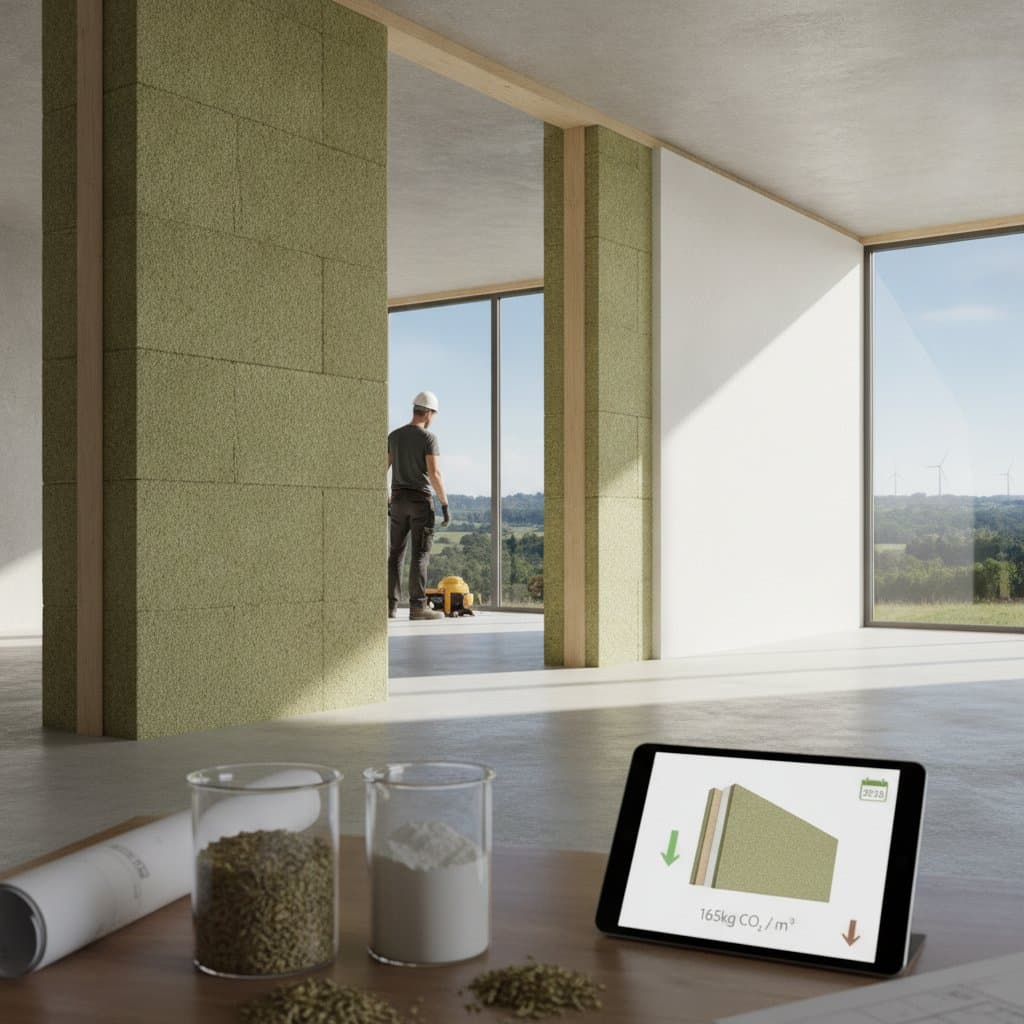
Assessments indicate 40 kilograms of CO2 captured per cubic meter. This achieves carbon negativity. Composting enriches soil at end-of-life.
Homeowners pursuing eco-living find mycelium ideal for safety, sustainability, and circular benefits.
Pathways to Widespread Use
Growing awareness draws builders, designers, and policymakers to mycelium beyond novelty. Expanding pilots and university-startup collaborations refine scalability.
Maturing technology will insulate homes and reshape sustainable living. Awareness, investment, and support position fungal materials alongside solar panels and reclaimed wood in eco homes.