Mycelium: A Biodegradable Insulator Reshaping Residential Construction
Insulation typically evokes images of fiberglass batts or foam boards at construction sites. Consider instead a material that develops from fungal roots to maintain warmth and efficiency in homes. Mycelium insulation, derived from mushroom root structures, redefines sustainable building practices. This substance proves lightweight, robust, fully biodegradable, and effective in managing both heat and sound. Fungi hold potential to supplant petroleum-derived foams in walls and attics globally.
Essential Attributes
- Mycelium insulation emerges from fungal roots cultivated through agricultural waste, forming a natural composite that substitutes for synthetic foams.
- It achieves thermal efficiency on par with polystyrene, yet imposes a reduced environmental burden.
- Manufacturing demands limited energy and avoids toxic chemicals, cutting carbon emissions by as much as 80 percent relative to standard insulation.
- Full biodegradability allows safe decomposition at end-of-life, bypassing landfill accumulation.
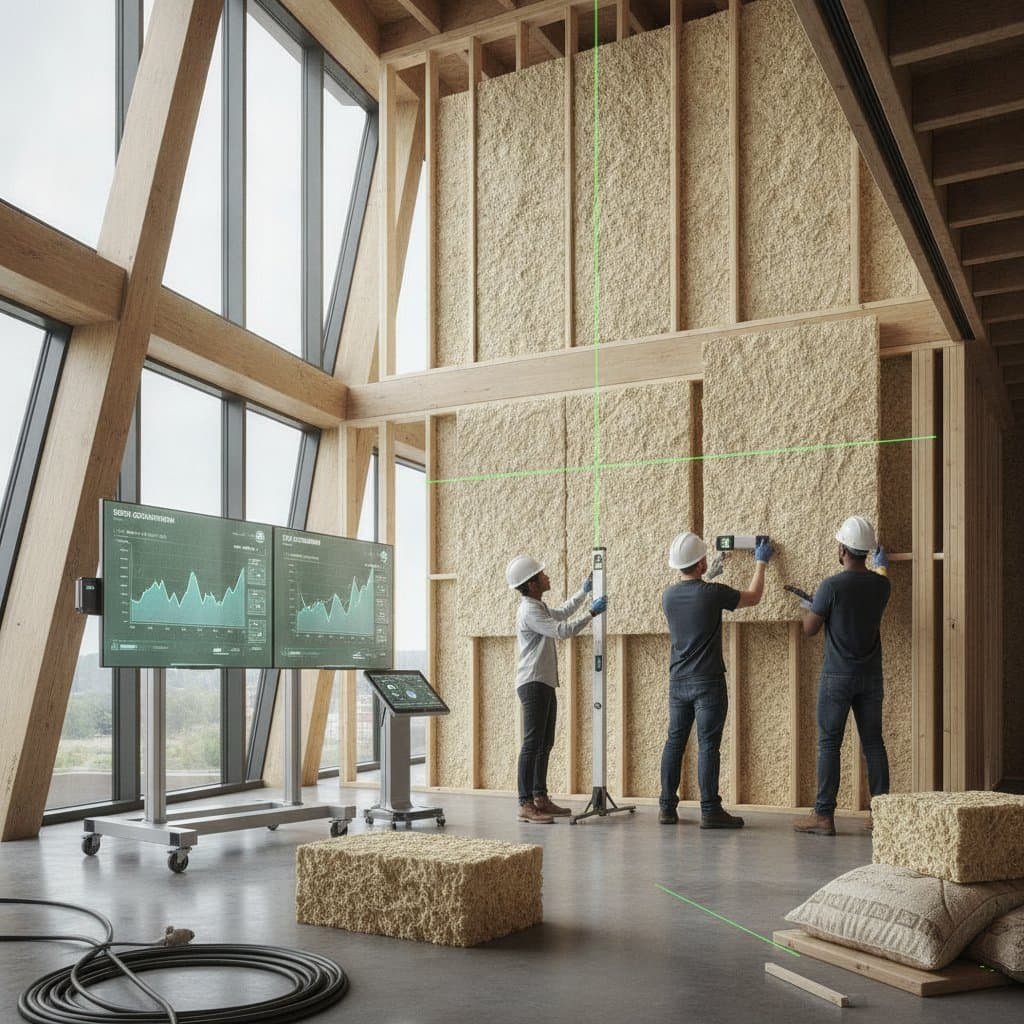
- Professionals apply it in walls, ceilings, and sound panels, integrating sustainability with reliable function.
The Composition of Mycelium Insulation
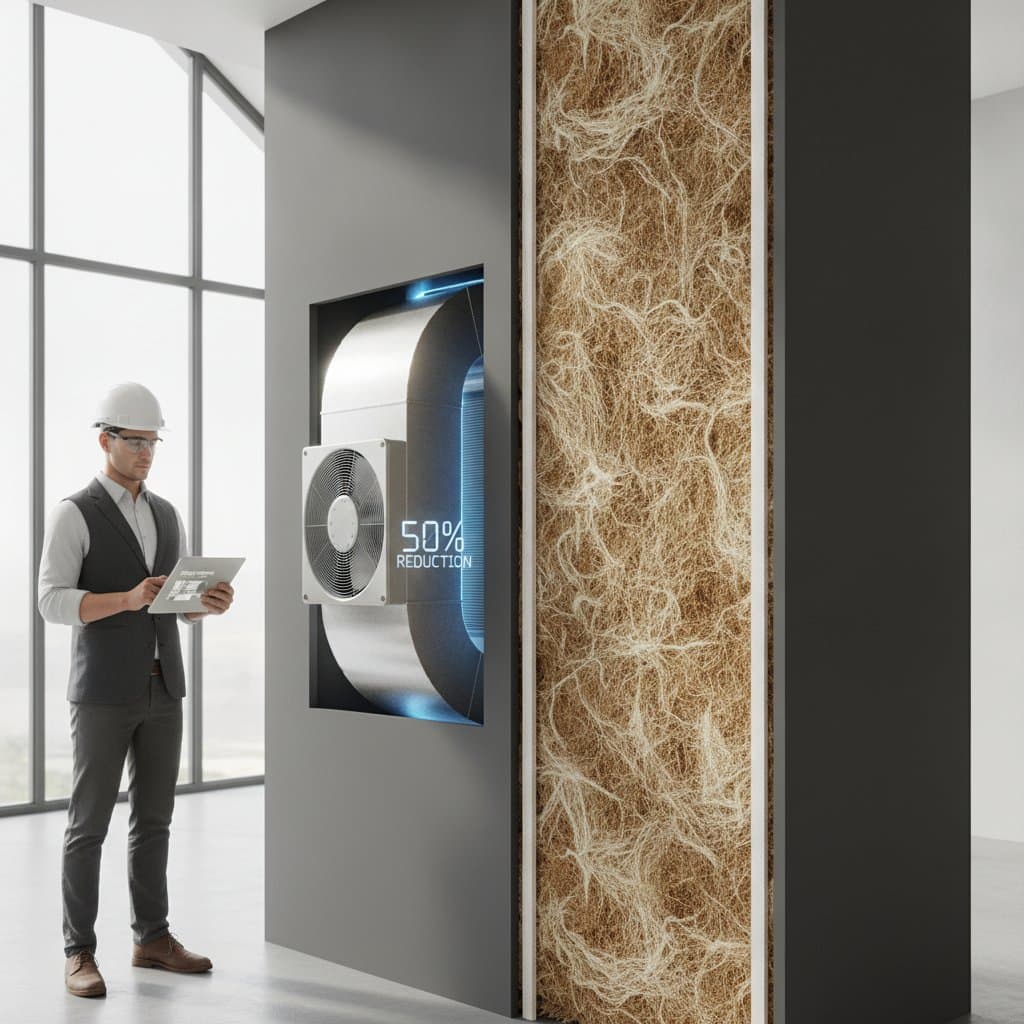
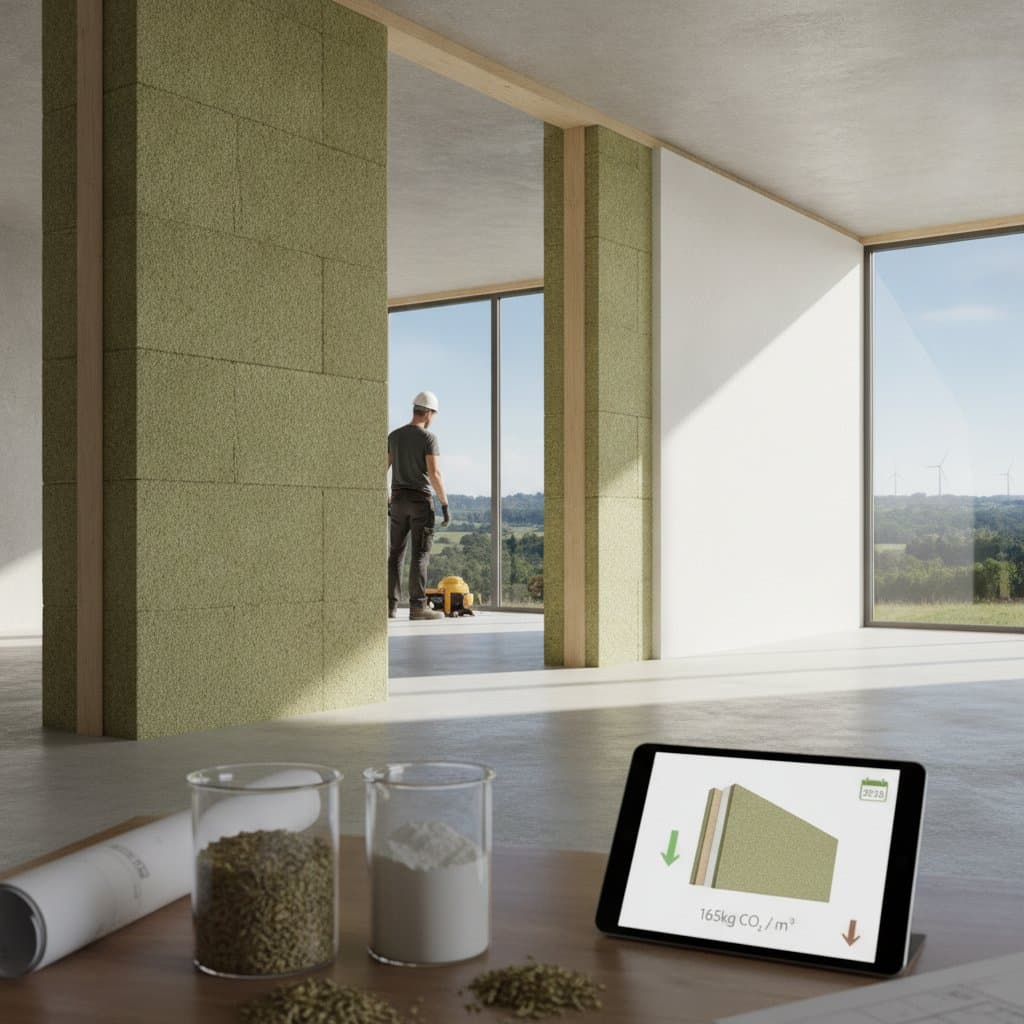
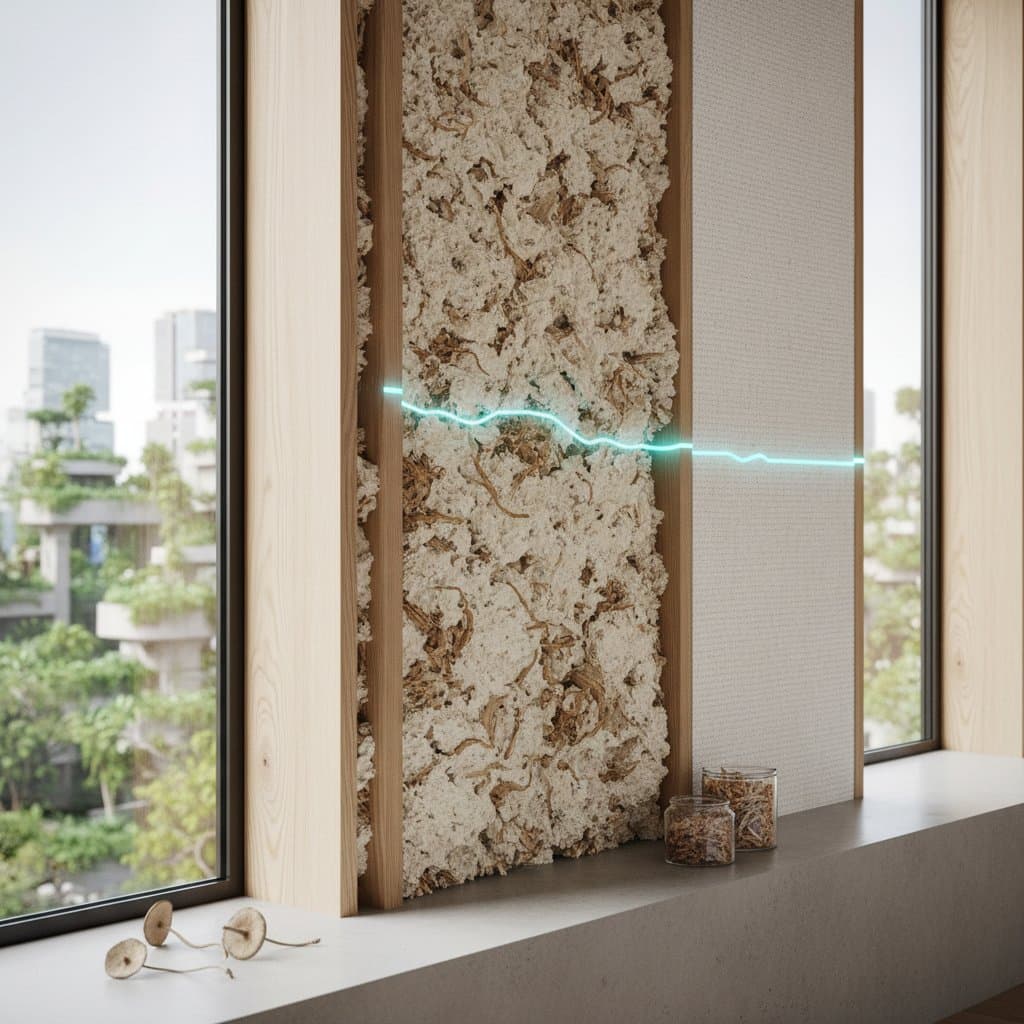
Mycelium consists of the intricate, thread-like fungal network underlying mushrooms. This network integrates organic substrates like straw, sawdust, or hemp hurds to form a cohesive form. Upon drying, the result yields a lightweight, resilient product suitable for insulating against heat and noise.
The U.S. Department of Energy highlights that insulation contributes substantially to a structure's ecological footprint. Materials such as fiberglass and polyurethane foam depend on resource-heavy production and finite resources. Mycelium follows an alternative path: it expands organically, eschews fossil fuels, and supports composting post-use.
Dr. Helena Ortiz, a materials scientist focused on bio-based composites, notes that mycelium insulation marks a key convergence of biology and architecture. It delivers results akin to premium synthetics while renewing akin to vegetation.
Production Process for Mycelium Insulation
Production starts with agricultural residues including corn stalks, rice husks, or wood chips. Workers sterilize these substrates, introduce fungal spores, and permit growth within molds. In a matter of days, mycelium permeates the material, forging a compact matrix. Heat treatment then stops development and extracts moisture, yielding durable blocks or panels.
This method uses far less energy than traditional insulation fabrication. Primary requirements include waste materials and modest electricity to sustain growth environments.
The following table contrasts environmental and performance aspects of mycelium insulation against prevalent alternatives.
| Property | Mycelium | Fiberglass | Polystyrene Foam |
|---|---|---|---|
| Thermal Conductivity (W/m·K) | 0.03–0.04 | 0.04–0.05 | 0.03–0.04 |
| Embodied Energy (MJ/kg) | 1.5–2.0 | 28–35 | 85–95 |
| Biodegradability | 100% | 0% | 0% |
| Fire Resistance | Moderate | Moderate | Poor |
| Acoustic Absorption | High | Moderate | Low |
These metrics explain the growing interest from architects and builders. Mycelium rivals advanced synthetics at a fraction of the ecological expense.
Advantages for Construction Professionals and Residents
Enhanced Energy Use and Indoor Comfort
Mycelium insulation matches expanded polystyrene in thermal regulation. It impedes heat flow adeptly, aiding homes to retain warmth during cold seasons and coolness in heat. Its inherent humidity control diminishes risks of condensation and mold within enclosures.
Residents adopting mycelium often see energy reductions up to 25 percent over legacy fiberglass setups. The open-cell design excels in sound dampening, fostering serene interior spaces.
Health and Security Benefits
Conventional insulation may emit volatile organic compounds over time or during fitting. Mycelium avoids toxins, artificial adhesives, and microplastics entirely. Handling requires no special gear, and it poses no risk to skin or respiratory health.
Dr. Marcus Lee, a consultant in building wellness, observes that the lack of emissions and fibers renders mycelium insulation ideal for homes with allergies or pursuits of green certifications.
Broader Ecological Gains
Benefits reach past individual dwellings. Utilizing agricultural waste alleviates landfill strain and repurposes items that could release methane upon decay.
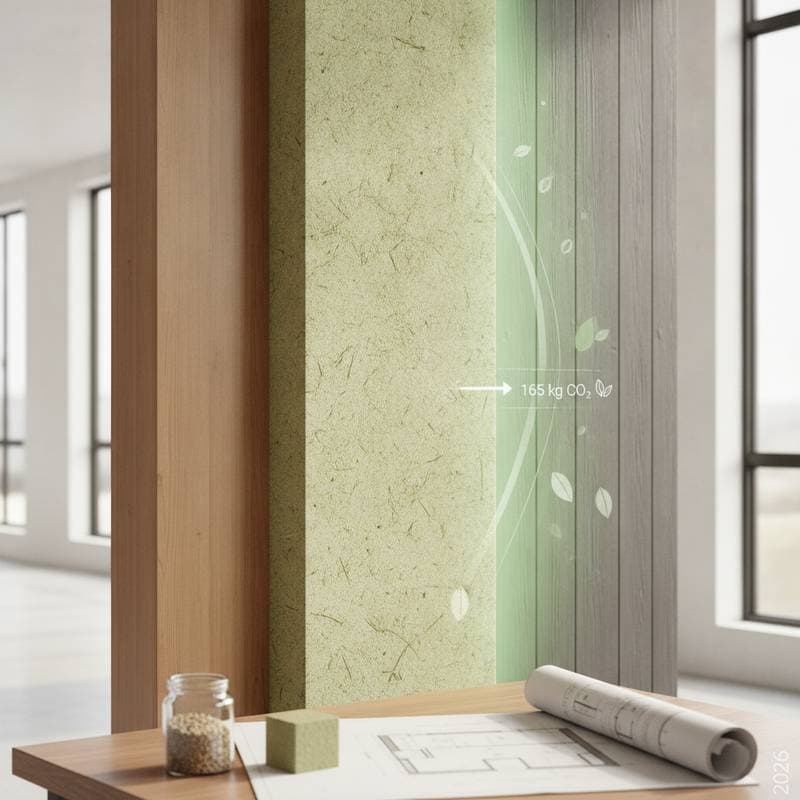
Assessments of full lifecycles indicate that one cubic meter of mycelium insulation offsets up to 150 kilograms of carbon dioxide versus polyurethane foam. Biodegradability ensures zero lasting refuse, promoting circular material cycles.
Hurdles and Ongoing Constraints
Mycelium insulation enters the market as a nascent option. Scaling production poses difficulties, given the need for precise conditions in growth and drying phases.
Pricing stands at 10 to 20 percent above fiberglass currently. Advances in techniques and rising orders narrow this difference. Composting eliminates disposal expenses associated with non-degradables.
Sensitivity to moisture requires attention. Though mold-resistant by nature, the material demands dryness in application. Developers test botanical coatings to shield against dampness while preserving eco-qualities.
Integration in Eco-Conscious Architecture
Designers for net-zero or passive structures increasingly incorporate mycelium insulation within comprehensive green plans. It pairs with options like hempcrete and bamboo elements to yield efficient, low-impact builds.
In renovations, panels fit into current wall spaces or serve as internal linings. Certain creators employ it visibly for its earthy appearance and hue, uniting form and utility.
Studies from the European Bioarchitecture Institute suggest that broad use of fungal materials might lower construction emissions by 40 percent across insulation, packaging, and interiors.
Implementation Guidance for Residents and Professionals
For those evaluating mycelium insulation in residences or builds, follow these steps:
-
Evaluate specific requirements for thermal or acoustic needs. Mycelium suits interiors, attics, and wall voids effectively.
-
Select suppliers offering verified performance data. Verify details on fire safety and heat retention to meet codes.
-
Address moisture management through vapor barriers and ventilated designs. Dry conditions optimize mycelium durability.
-
Analyze total costs including energy savings and avoided waste fees. Investments often yield 15 to 20 percent returns via reduced utilities.
-
Pair with complementary sustainable choices like low-emission finishes, recycled timber, and organic renders for amplified effects.
Advancing with Fungal Innovations in Building
Mycelium insulation heralds a transition to cultivated rather than fabricated materials. It demonstrates that efficacy and ecological care can align seamlessly. Ongoing studies promise expanded approvals for uses from custom panels to assembled homes.
For residents, this choice extends beyond eco-commitment to secure cleaner air, lower consumption, and planetary health. Professionals gain avenues to pioneer regenerative solutions over extractive ones.
Envision home comfort sourced from nature's ingenuity. Mycelium insulation illustrates how construction may evolve from rigid synthetics to the adaptive wisdom of fungi.