Key Points
- Hempcrete combines insulation with carbon sequestration for dual environmental advantages.
- It offers inherent fire resistance without chemical treatments, ensuring safety and longevity.
- Installation costs vary, yet energy savings and minimal maintenance provide substantial long-term value.
- Optimal results depend on careful sourcing, precise mixing, and skilled application.
- Versatile for various climates and structures, hempcrete suits renovations and new builds alike.
Understanding Hempcrete and Its Significance
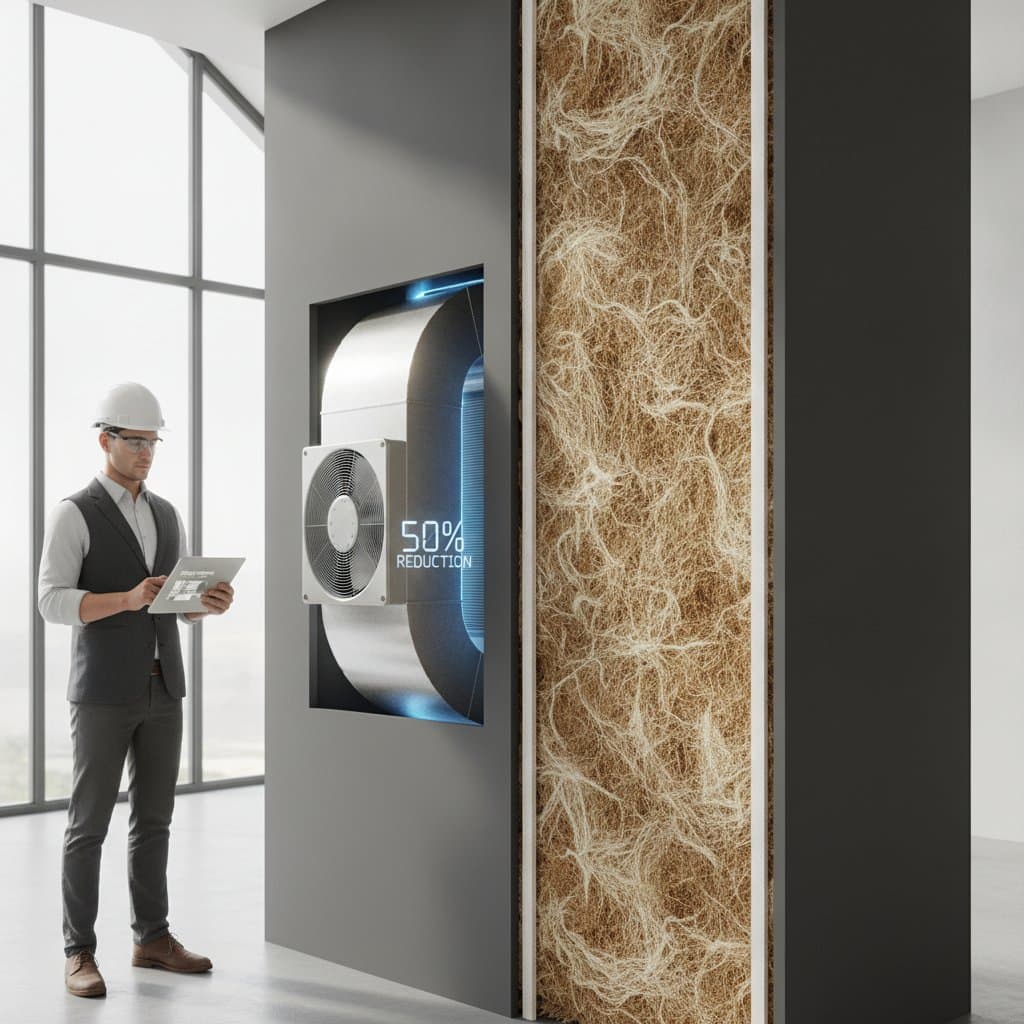
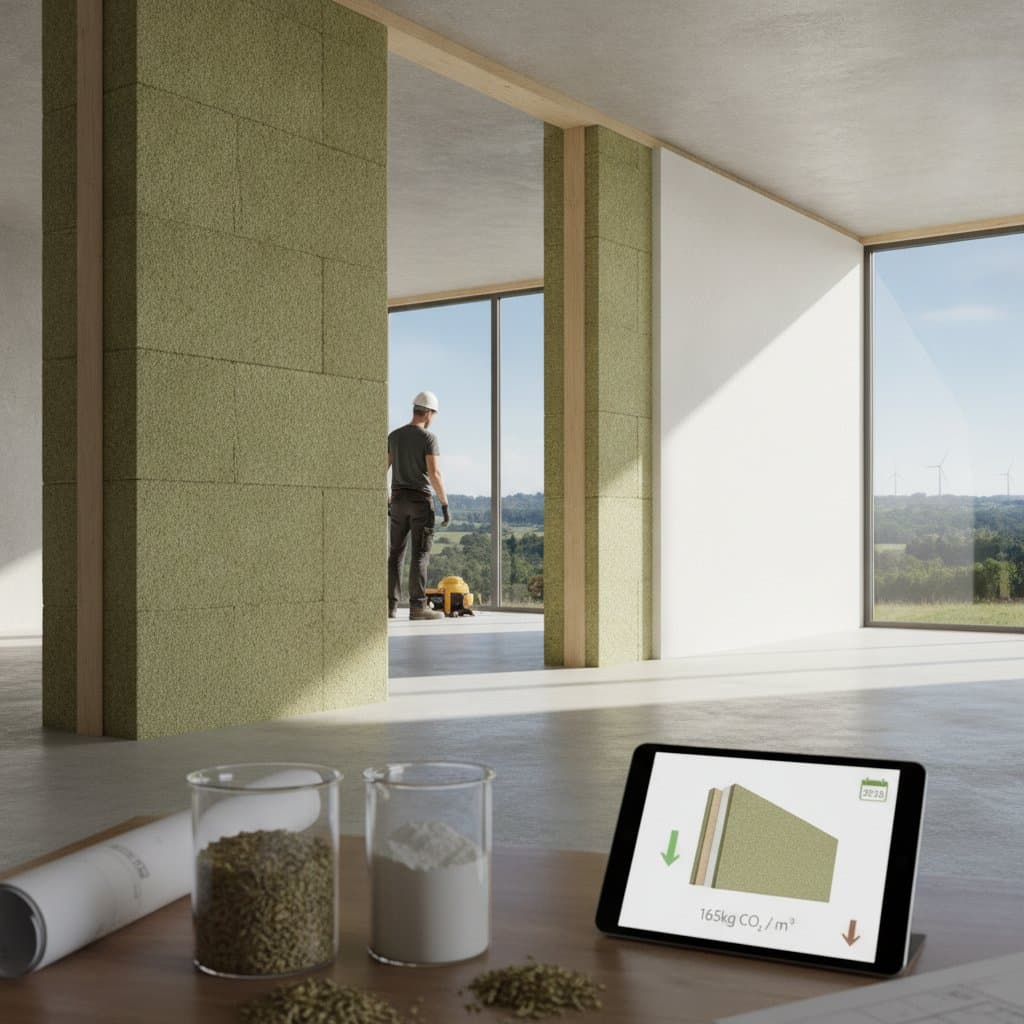
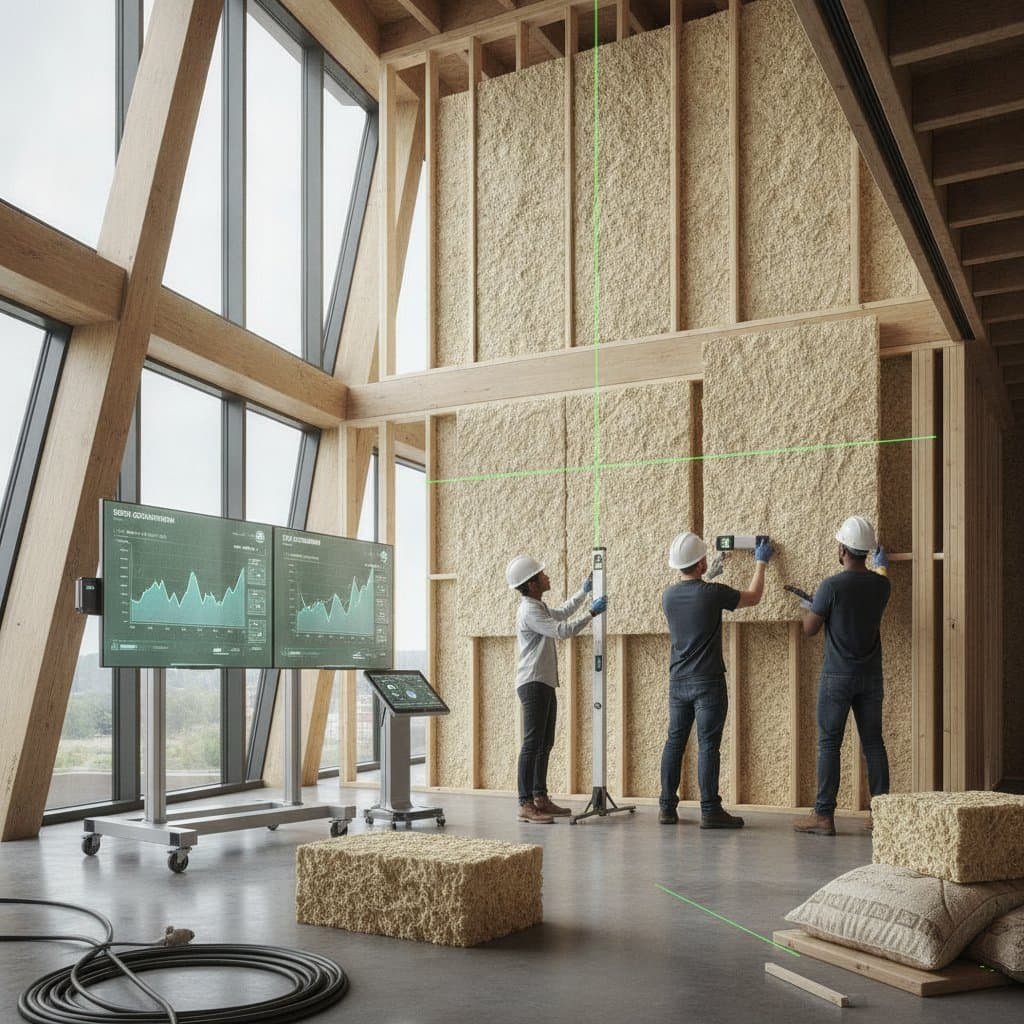
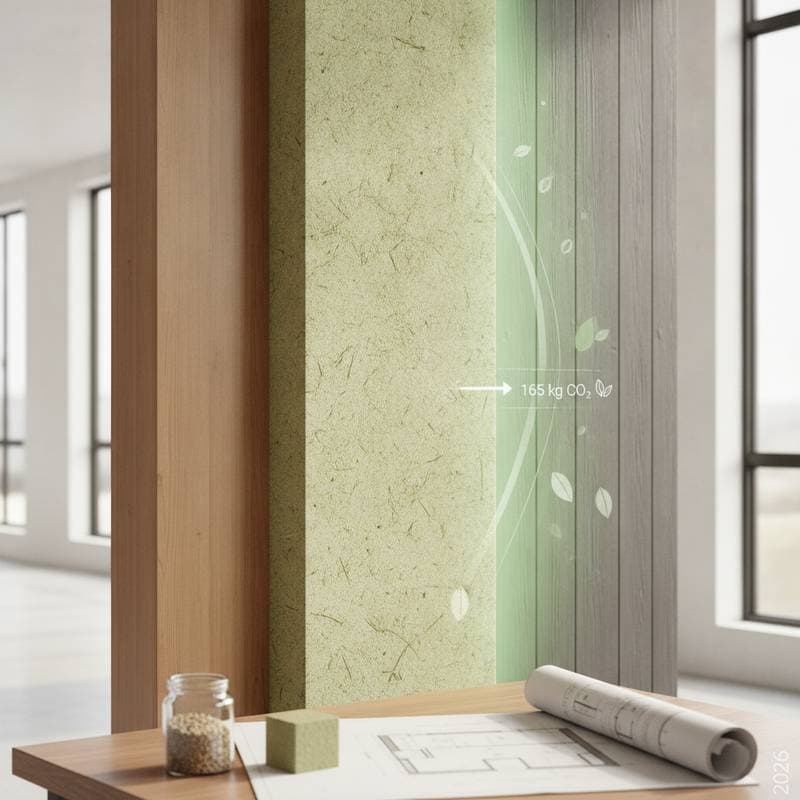
Hempcrete consists of hemp hurds, lime binder, and water. The hurds form the inner woody part of the hemp plant, supplying volume and framework. The lime binder hardens around the hurds, trapping carbon in the structure as it sets. This process persists for months or years, allowing continuous carbon dioxide absorption.
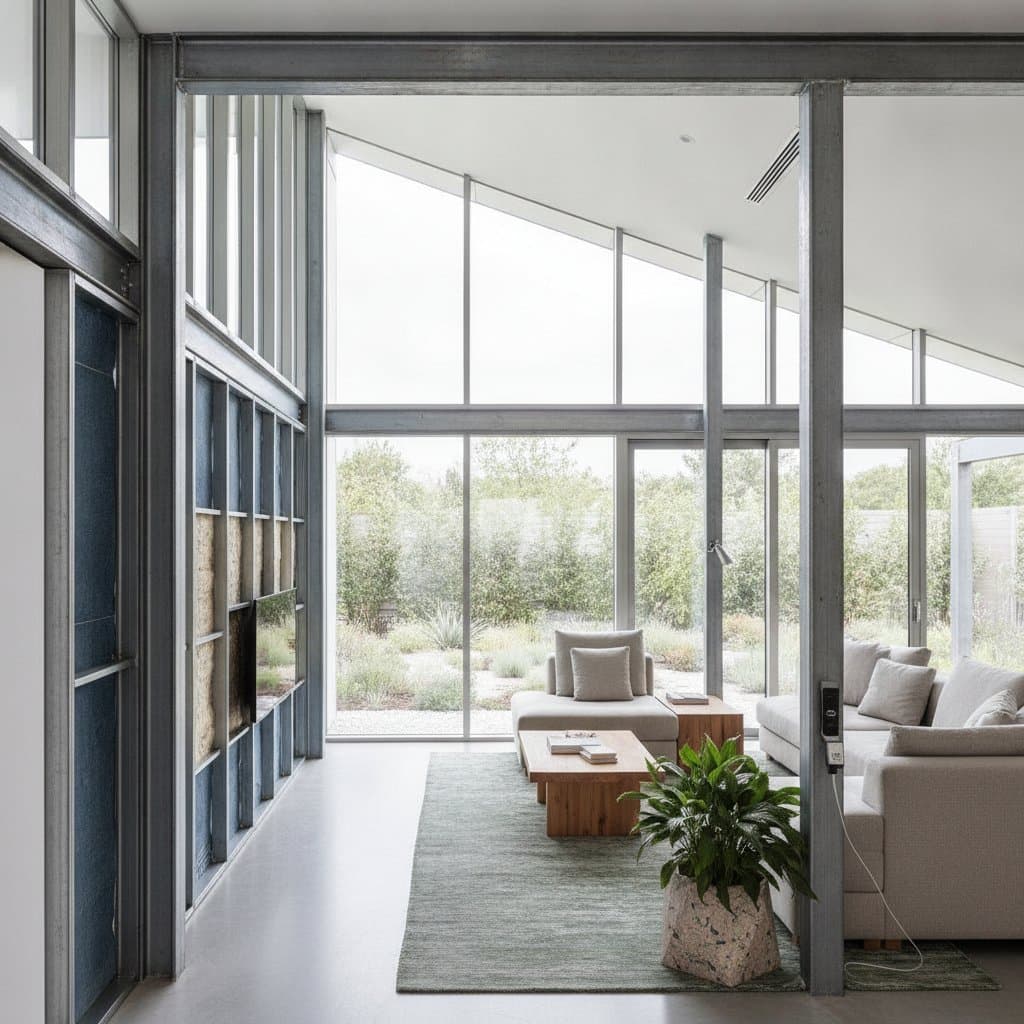
In contrast to traditional concrete, hempcrete remains lightweight and serves as non-structural infill within wooden or steel frames. Its ability to manage heat and moisture positions it ideally for walls inside and outside buildings. Selecting hempcrete means more than insulation; it involves a dynamic material that boosts living conditions, cuts energy use, and aids planetary carbon goals.
Achieving Fire Resistance Naturally
Fire protection stands out among hempcrete's strengths. Many insulations rely on chemical flame retardants that break down and emit toxins under heat. Hempcrete avoids combustion entirely through its composition. The lime encases hemp fibers, blocking fire initiation and propagation.
Tests demonstrate that hempcrete walls endure prolonged flame contact without failure. Residents in wildfire areas gain security and possible insurance discounts from this durability. To maximize fire safety, allow full curing prior to wall finishes. Pair it with fireproof outer layers. Protect roofs and eaves against flying embers.
This approach delivers robust defense free from artificial suppressants or hazardous substances.
Enhancing Comfort and Air Quality Indoors
Beyond efficiency ratings, hempcrete elevates daily living. Its open-cell design permits vapor movement, maintaining even humidity and avoiding moisture traps. Spaces with hempcrete insulation maintain a comfortable feel, free from excess dryness or dampness.
Absent volatile organic compounds and glues, hempcrete fosters cleaner air inside homes. This benefits those with allergies or preferences for chemical-free spaces. The material's thermal mass moderates temperature changes effectively. Buildings remain cooler during heat waves and hold warmth through cold nights. Such stability eases HVAC reliance, prolongs system durability, and trims energy expenses.
Adapting to Regional Climates
Hempcrete performs reliably in diverse environments, though designs adjust to specific challenges.
In colder zones, increase wall thickness and add inner vapor barriers for better warmth retention.
In humid areas, detail openings and bases carefully to avoid water accumulation.
In arid or warm regions, leverage its heat-buffering capacity to ease cooling demands.
As a breathable material, hempcrete pairs best with permeable coatings. Opt for lime-based plasters or mineral paints over plastic barriers. In earthquake or storm-vulnerable locations, use frames engineered for side forces. Hempcrete adds insulation and weight without bearing loads.
Exploring Financing Options
Interest in green materials opens doors to supportive funding. Consider these avenues for hempcrete projects:
- Green loans offering reduced rates for efficient builds.
- Utility rebates tied to lower energy consumption.
- Tax incentives for eco-materials and carbon-capture features.
- Loans from eco-oriented banks or groups.
Though emerging in some markets, hempcrete gains favor with financiers and insurers. Bolster proposals with energy simulations, supply details, and cost analyses over the building's life. Such documentation aids approvals and highlights returns.
Managing Maintenance and Long-Term Costs
Hempcrete demands minimal upkeep post-installation. It resists settling, breakdown, or particle shedding. Lime repels mold and insects, while hemp adds pliability against cracks.
Exterior care might include reapplying lime every 20 to 30 years based on weather exposure. These steps sustain looks and function without major overhauls.
Over decades, hempcrete surpasses typical insulations in lifespan and reliability. At demolition, it recycles easily, reinforcing its green credentials.
Addressing Frequent Inquiries
Does hempcrete support the strength needs of contemporary residences?
It lacks load-bearing capacity alone but integrates seamlessly with timber or metal frames for solid support and thermal control.
Is hempcrete suitable for updating existing properties?
Absolutely. Cast it beside current frameworks or attach as outer panels to upgrade insulation.
What is the drying timeline for hempcrete?
Setting begins in days, with carbonation and strengthening advancing over months for peak resilience.
Steps to Implement Hempcrete
- Consult architects versed in bio-based construction.
- Commission simulations assessing hempcrete versus conventional options.
- Choose verified providers for hemp and lime to guarantee purity.
- Schedule extra time for curing in your timeline.
- Track sequestration metrics for certifications or property enhancements.