Hempcrete Walls That Capture Carbon While You Live
Hempcrete offers a practical way to build walls that actively reduce atmospheric carbon. This material combines the woody core of hemp plants with lime and water to form a solid yet breathable wall system. Homeowners gain lower energy bills and steadier indoor temperatures as a result.
Composition and Basic Properties
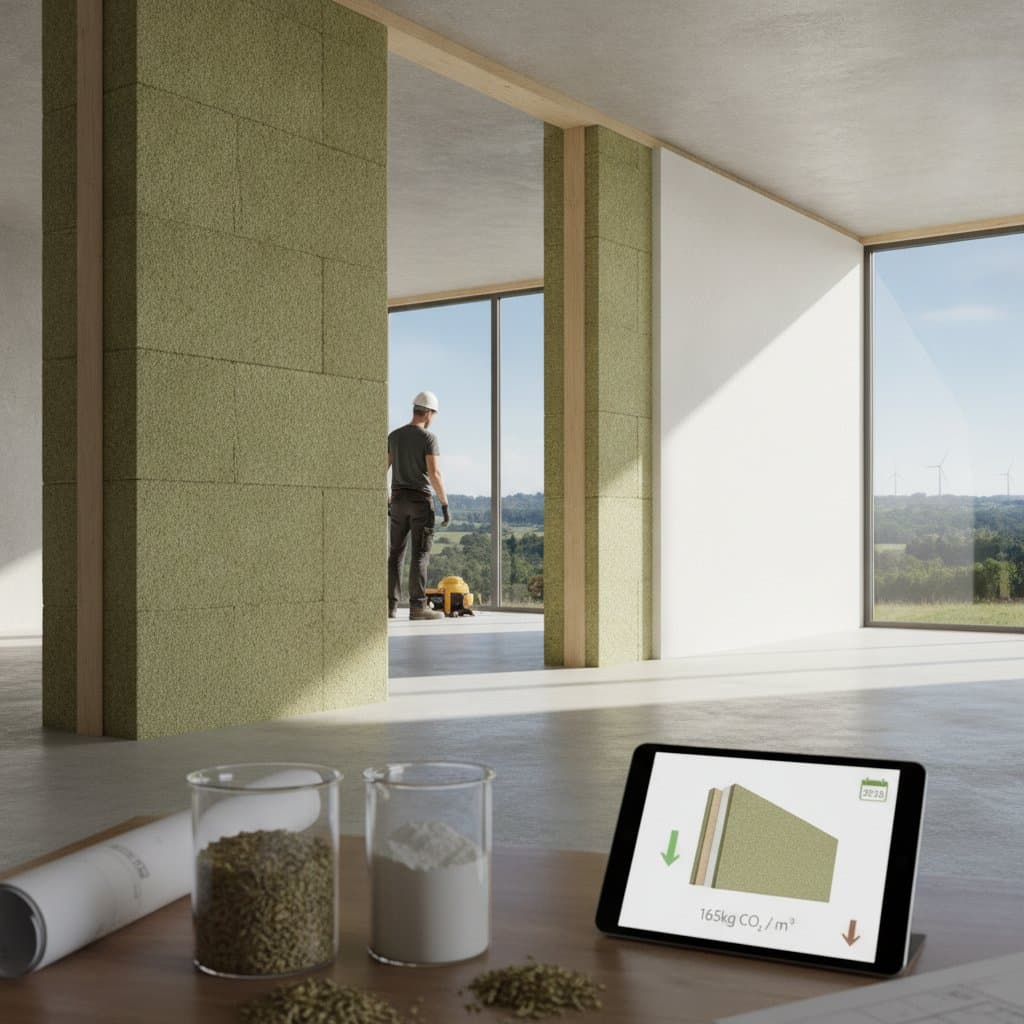
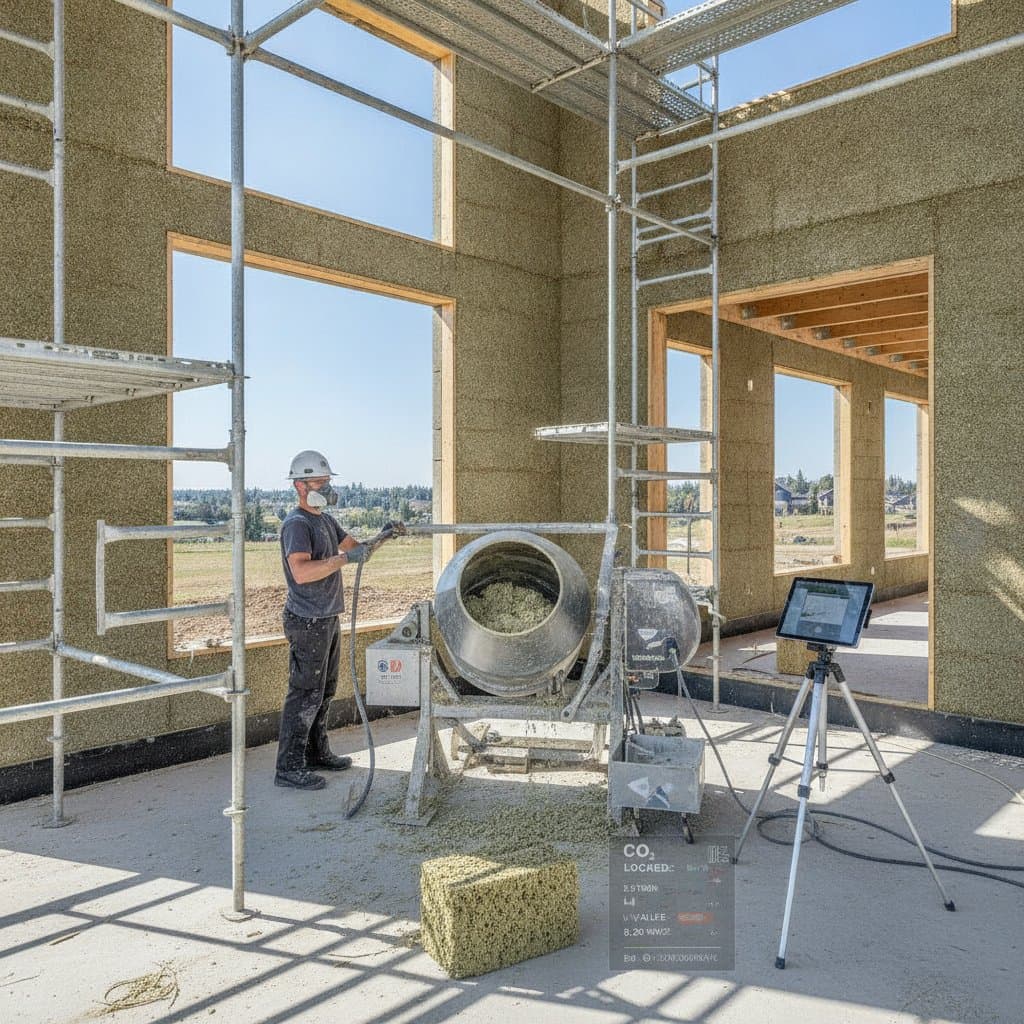
Hempcrete starts with hemp hurds, the inner woody parts of the stalk. Builders mix these hurds with a lime based binder and water to create a lightweight concrete alternative. The finished material weighs far less than traditional concrete and allows moisture to pass through without trapping it.
The lime component slowly absorbs carbon dioxide from the air during curing. This process continues for months after installation and can lock away significant amounts of carbon for the life of the building.
How Carbon Capture Works in Practice
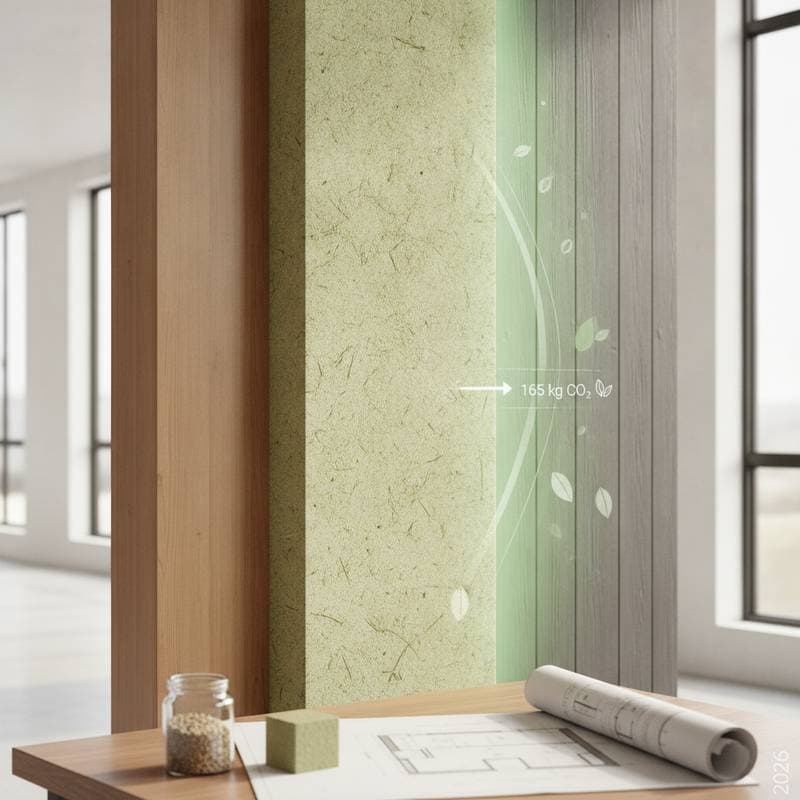
During growth, hemp plants pull carbon dioxide from the atmosphere through photosynthesis. Once harvested and processed into hurds, that carbon remains stored inside the wall. The lime binder adds further sequestration as it carbonates over time.
A typical hempcrete wall can sequester between 100 and 200 kilograms of carbon dioxide per cubic meter. This figure exceeds the emissions created during material production and transport in most cases.
Energy Performance and Indoor Comfort
Hempcrete provides natural insulation with an R value around 2.0 per inch. Walls built with this material reduce heating and cooling loads by maintaining stable temperatures throughout the day. The breathable structure also helps regulate indoor humidity, which lowers the risk of mold growth.
Residents report fewer drafts and more consistent comfort compared with conventional insulation. The material does not off gas volatile organic compounds, which supports better air quality inside the home.
Key Installation Requirements
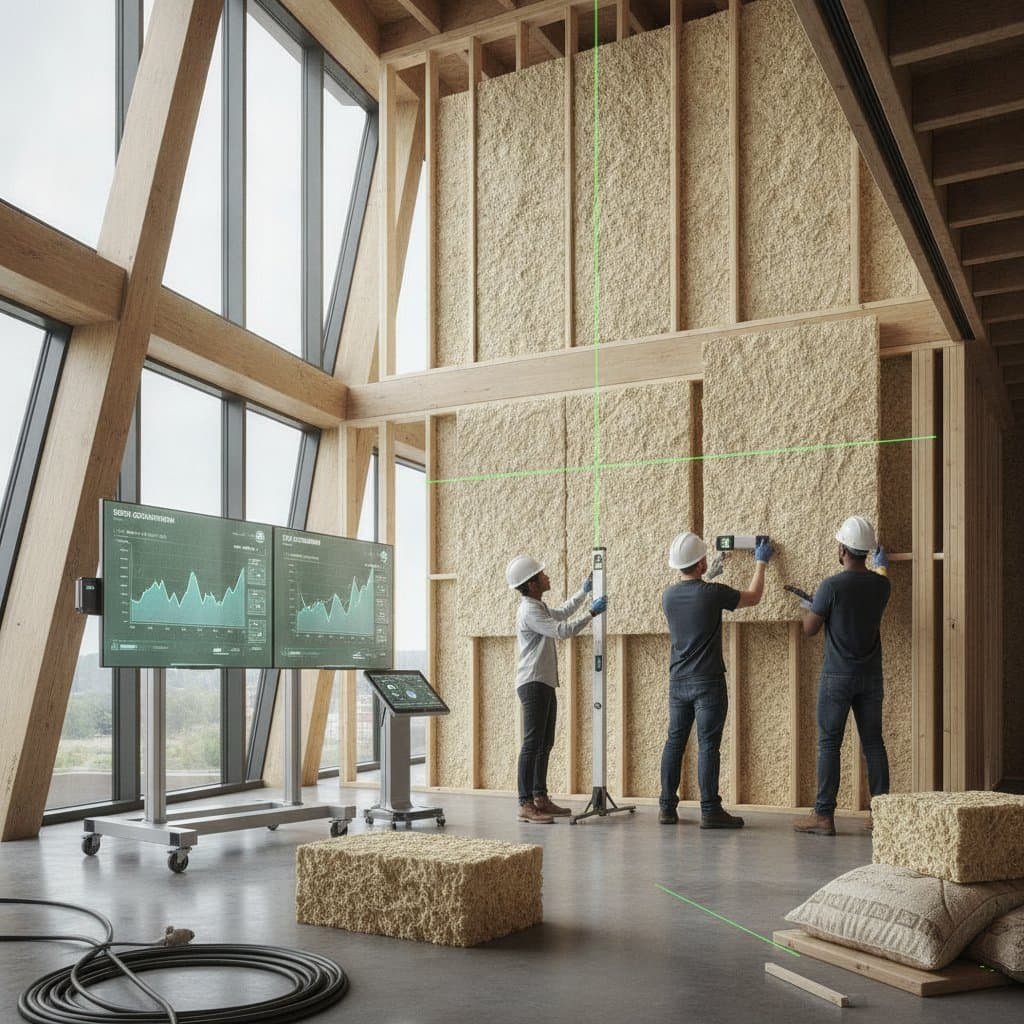
Proper installation begins with a well drained foundation and a protective roof overhang. Workers place the hempcrete mix between temporary forms or inside a timber frame and allow it to cure for several weeks. Adequate ventilation during curing prevents moisture buildup.
Contractors must follow manufacturer guidelines for mix ratios and compaction. Professional oversight ensures the wall reaches full strength and achieves the expected carbon storage capacity.
Maintenance and Long Term Value
Hempcrete walls require minimal upkeep once cured. Exterior finishes such as lime render protect the surface from weather while allowing vapor to escape. Interior surfaces can receive clay or lime plaster for added durability.
The material resists fire, pests, and decay when installed correctly. Homeowners who choose hempcrete often see stable property values because the construction meets growing demand for low carbon buildings.
Steps to Incorporate Hempcrete in a Project
- Consult a builder experienced with natural materials to assess site suitability.
- Source certified hemp hurds and lime binders from regional suppliers.
- Plan for extended curing time in the construction schedule.
- Verify local building code acceptance before final design.
- Monitor humidity levels during the first year of occupancy.
These actions help ensure the wall system delivers both environmental and performance benefits over decades.