Mycelium Insulation Emerges as a Sustainable Building Option
When you imagine the walls around you growing rather than being manufactured, it sounds like science fiction. Yet architects, builders, and environmental experts are now turning to materials that literally live, breathe, and renew. Among them, mycelium insulation is quickly becoming a leading innovation in sustainable building materials.
Performance and Environmental Advantages
- Mycelium insulation can reduce building energy use by up to 25 percent through superior thermal regulation.
- It is 100 percent biodegradable and can be composted at the end of its life.
- Production requires up to 80 percent less energy than conventional foam or fiberglass insulation.
- The material naturally resists fire, mold, and pests without chemical additives.
- Early adopters report cost savings after only a few years from lower heating and cooling demands.
Understanding Mycelium and Its Role in Construction
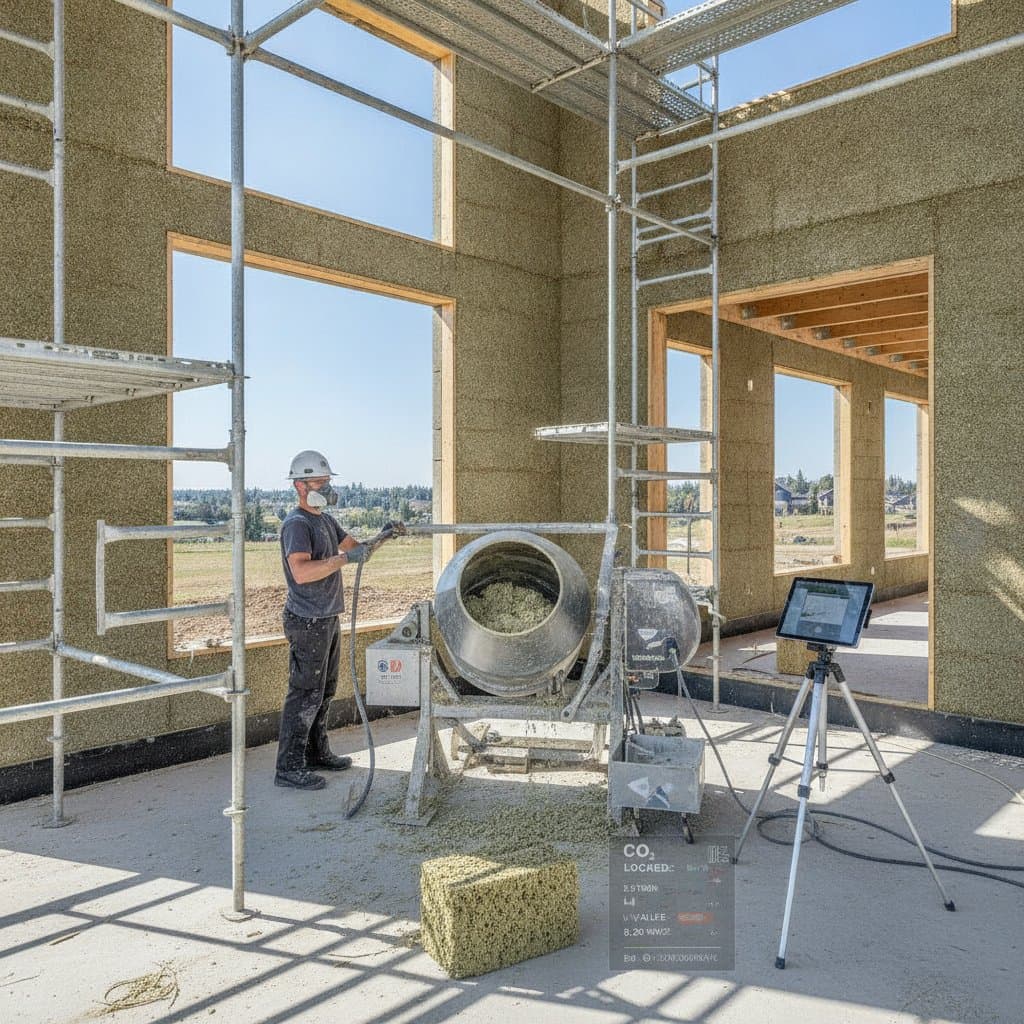
Mycelium is the root structure of fungi. It forms an underground network of fine threads that help decompose organic matter in soil. When cultivated under controlled conditions, it can grow around agricultural waste such as corn husks or sawdust. This process binds the particles together into a dense, foam-like structure. Once dried, this structure becomes lightweight, strong, and naturally insulating.
Research from bio-material laboratories shows that mycelium composites exhibit thermal conductivity values comparable to expanded polystyrene. The production process uses agricultural byproducts and minimal energy. The result is a renewable and carbon-negative material that stores atmospheric carbon absorbed during the growth phase.
Comparison with Traditional Insulation Materials
To understand why interest in mycelium insulation is growing, it helps to compare it with common options used in construction.
| Material Type | Thermal Conductivity (W/m·K) | Fire Resistance | Environmental Impact | End of Life |
|---|---|---|---|---|
| Fiberglass | 0.04 | Moderate | High embodied energy | Non-biodegradable |
| Mineral Wool | 0.045 | High | Moderate embodied energy | Non-biodegradable |
| Expanded Polystyrene (EPS) | 0.035 | Low | Petroleum-based | Difficult to recycle |
| Mycelium Composite | 0.035 - 0.045 | High | Low embodied energy | Fully compostable |
Fiberglass and foam insulation have dominated the market for decades. They require fossil fuel inputs and are difficult to recycle. Mycelium insulation is grown rather than manufactured. The production process emits very little carbon, uses no synthetic chemicals, and transforms agricultural waste into a structural material.
Dr. Elise Marlow, a sustainable materials researcher, said, "Mycelium insulation represents a paradigm shift. It performs competitively while turning waste streams into valuable construction products."
How Mycelium Achieves Strength and Insulation
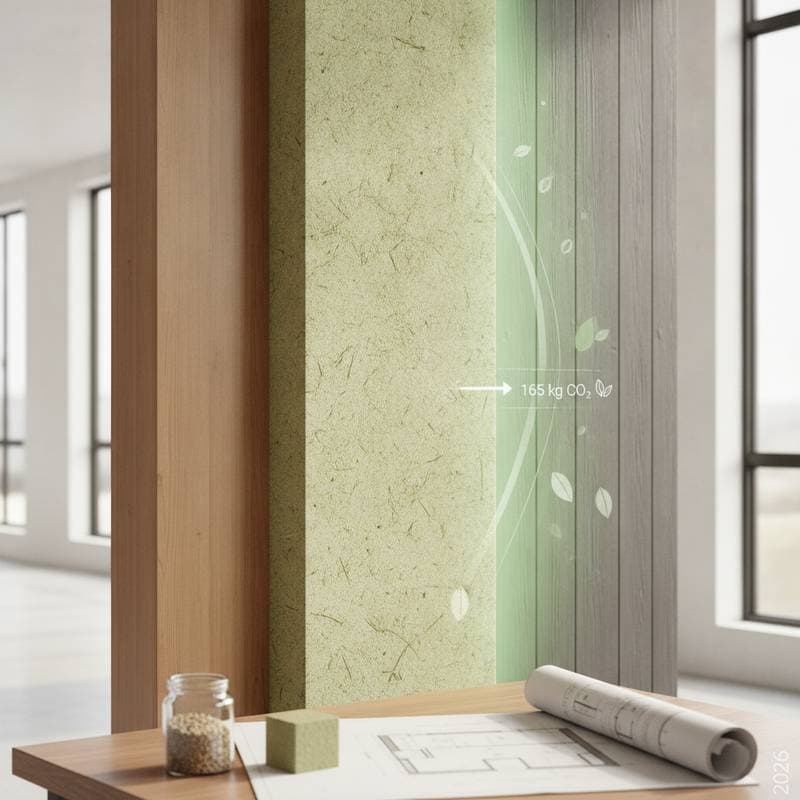
The strength of mycelium insulation lies in the natural architecture of fungal hyphae. These branching filaments make up the mycelium network. They grow through substrates in a pattern that enhances both structural integrity and flexibility. As the material grows, it forms a microscopic lattice similar to connective tissue. This gives it strength while maintaining low density.
This cellular structure traps air pockets that slow heat transfer. The material is both breathable and moisture-regulating. It helps maintain stable indoor humidity levels and reduces the risk of mold growth. Builders also value its acoustic properties, as mycelium panels absorb sound as effectively as many commercial acoustic boards.
Practical Considerations for Cost and Installation
Early adopters often worry about cost. As production scales, prices are becoming competitive. A square meter of mycelium insulation currently costs roughly 15 to 20 percent more than fiberglass. The total cost of ownership tells a different story. With lower heating and cooling demands, homeowners often recoup the difference within a few years.
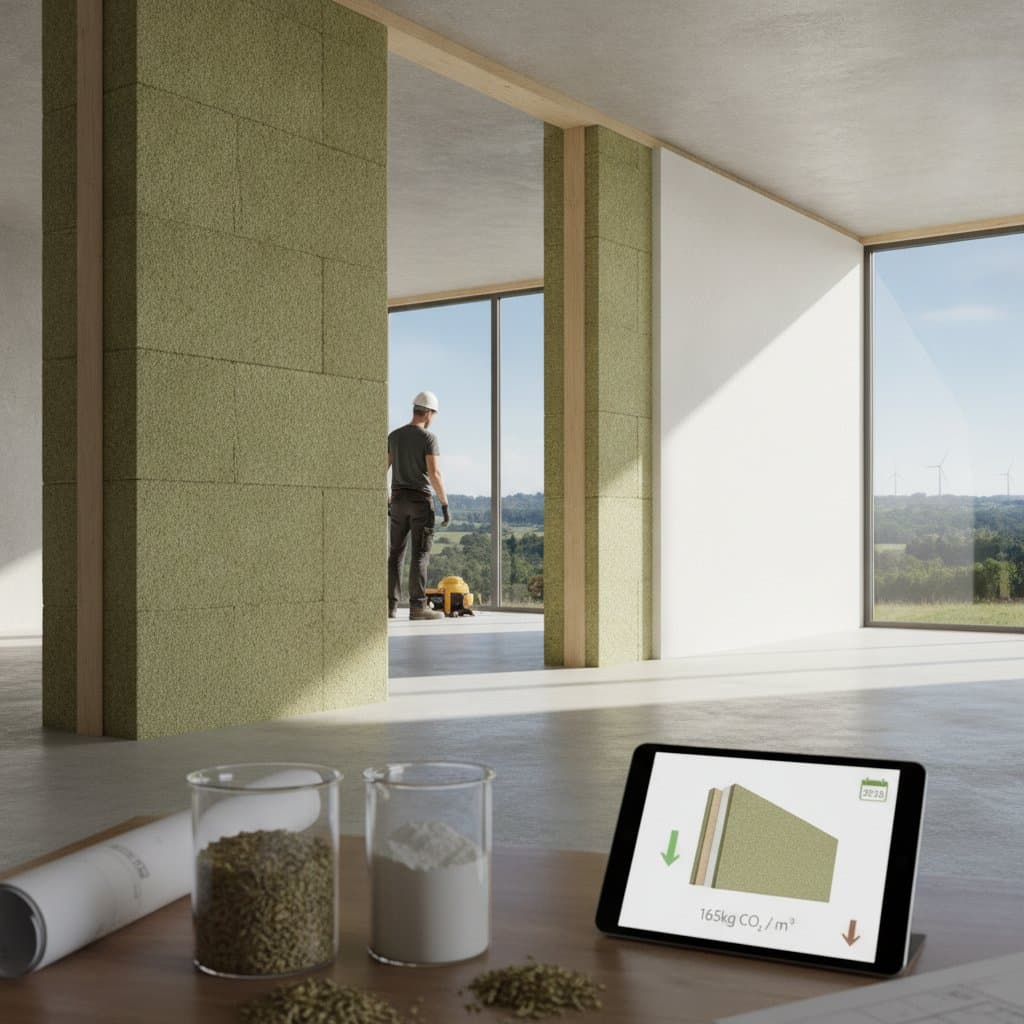
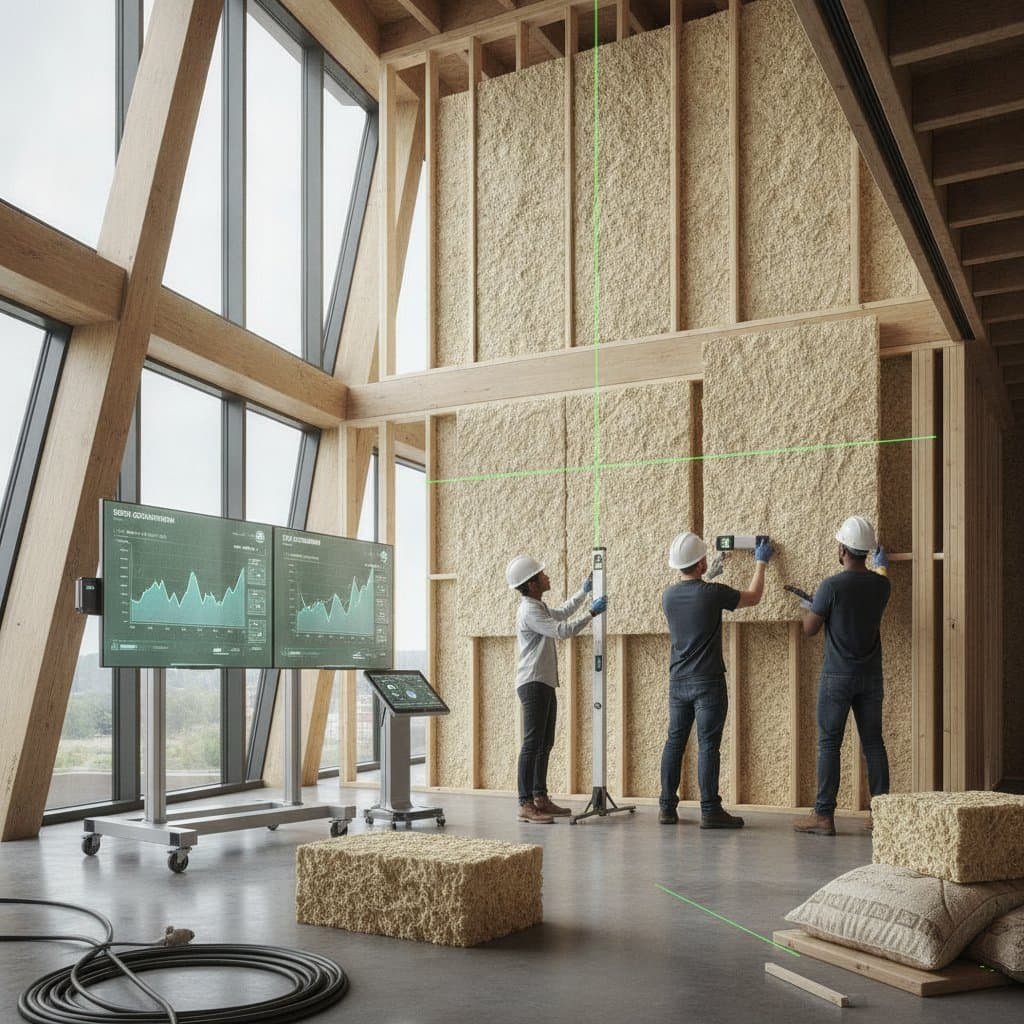
Installation follows the same principles as standard insulation. Panels can be cut to size and fitted between studs or within wall cavities. The material is lightweight. This reduces transportation costs and simplifies handling on site. The absence of chemical irritants also means safer working conditions for installers.
Broader Benefits for Health and the Environment
From an environmental perspective, the benefits of mycelium insulation extend far beyond energy savings. Traditional insulation materials often release volatile organic compounds and microplastic particles. Mycelium contains none of these. It contributes to healthier indoor air quality by passively regulating humidity and absorbing certain airborne toxins.
Replacing synthetic insulation with mycelium in a single residential project can reduce embodied carbon emissions by up to 60 percent. Because the material is compostable, it leaves no trace at the end of its life. This closes the loop in a circular production model.
Addressing Current Limitations
Despite its advantages, mycelium insulation still faces hurdles. Production requires precise environmental control during the growth phase. Scaling up from laboratory to industrial levels demands consistent quality assurance. The material also has lower compressive strength than rigid foams. This limits its use in load-bearing applications.
Some builders express concern about moisture resistance in extreme climates. While the material manages humidity well, prolonged exposure to water can degrade its structure. Manufacturers are addressing this through surface treatments made from natural waxes or bio-based resins.
Current Market Trends and Applications
Interest in bio-based insulation is growing as building codes tighten around energy efficiency and embodied carbon limits. Mycelium is now being tested in prefabricated housing, office retrofits, and acoustic design applications.
Industry forecasts predict double-digit annual growth in the bio-based insulation sector. Mycelium leads the charge because of its low production energy and full biodegradability.
Practical Steps for Adopting Mycelium Insulation
For builders, homeowners, and designers seeking to reduce environmental footprints, mycelium insulation offers a rare combination of performance, safety, and sustainability. It meets technical requirements while advancing ethical and ecological goals. The technology is still evolving, but its direction is clear. Adopting mycelium insulation today means investing in a cleaner future where walls participate in a living system that supports human comfort and planetary health.