Key Advantages of Hempcrete
- Hempcrete leads as a green insulation choice through its inherent fire resistance, vapor permeability, and ability to sequester carbon.
- Professionals select hempcrete over conventional options for its reduced weight, enhanced safety, and environmental benefits.
- Early planning enables homeowners and builders to benefit from the anticipated rise in hemp-derived building products.
- Knowledge of its makeup, effectiveness, and installation methods ensures durable outcomes and adherence to regulations.
Introducing Hempcrete in Sustainable Design
Professionals in green building observe homeowners grappling with the trade-offs among efficiency, security, and ecological responsibility. Individuals seek insulation that maintains comfort without introducing harmful substances or fire hazards. Hempcrete fulfills this need as a bio-based material that permits natural airflow, withstands fire, and captures carbon continuously, appealing to architects and constructors who advance eco-friendly habitats without compromising strength or livability.
For those confronting escalating energy expenses or rigorous construction norms, hempcrete presents a strategic edge. Its blend of environmental efficacy and robustness distinguishes it among options for superior insulation and reduced carbon footprints. Based on extensive field experience, this material generates significant enthusiasm within the sustainable construction community.
Challenges of Conventional Insulation
Standard insulation materials such as fiberglass, foam panels, and spray foams carry ecological and health concerns. These products depend on petroleum derivatives, release volatile organic compounds, and retain moisture that fosters mold or compromises structures. In areas with high humidity or extreme temperatures, such materials deteriorate quickly, diminishing their insulating capacity and elevating ongoing expenses.
Green building evaluations indicate that inadequately insulated structures lose as much as 30 percent of energy via walls and roofs. The flammability of certain synthetics heightens safety risks. These issues compel homeowners and authorities to pursue alternatives that align with contemporary environmental objectives and safeguard communities.
Hempcrete as a Fire-Resistant, Carbon-Beneficial Solution
Hempcrete revolutionizes insulation and wall systems. It consists of hemp hurd, the fibrous inner stalk of the hemp plant, combined with lime and water to form a lightweight, stone-like substance resistant to mold, pests, and fire. Hempcrete achieves fire resistance through its mineral composition and absence of flammable elements, unlike synthetics that rely on additives.
When installed appropriately, hempcrete exceeds basic insulation by managing humidity, sequestering carbon during curing, and offering thermal mass. Homes equipped with it remain cooler during heat and warmer in cold, fostering stable interiors that lessen reliance on heating, ventilation, and air conditioning systems.
Components and Performance of Hempcrete
Core Components
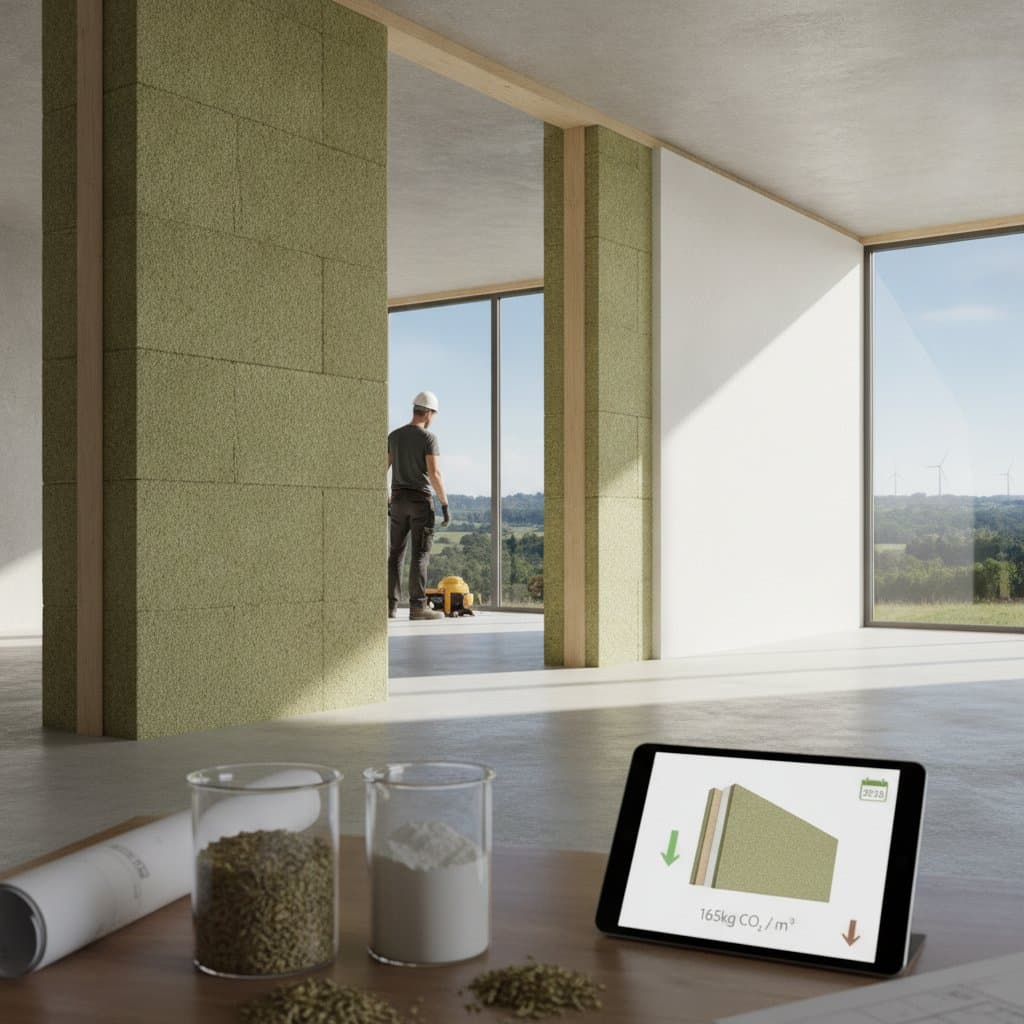
- Hemp hurd: The cellulose-rich core of the hemp plant provides lightness and porosity.
- Lime binder: Hydrated or hydraulic lime serves as the hardener, solidifying while capturing carbon dioxide.
- Water: This element facilitates the lime's activation and proper mixture setting.
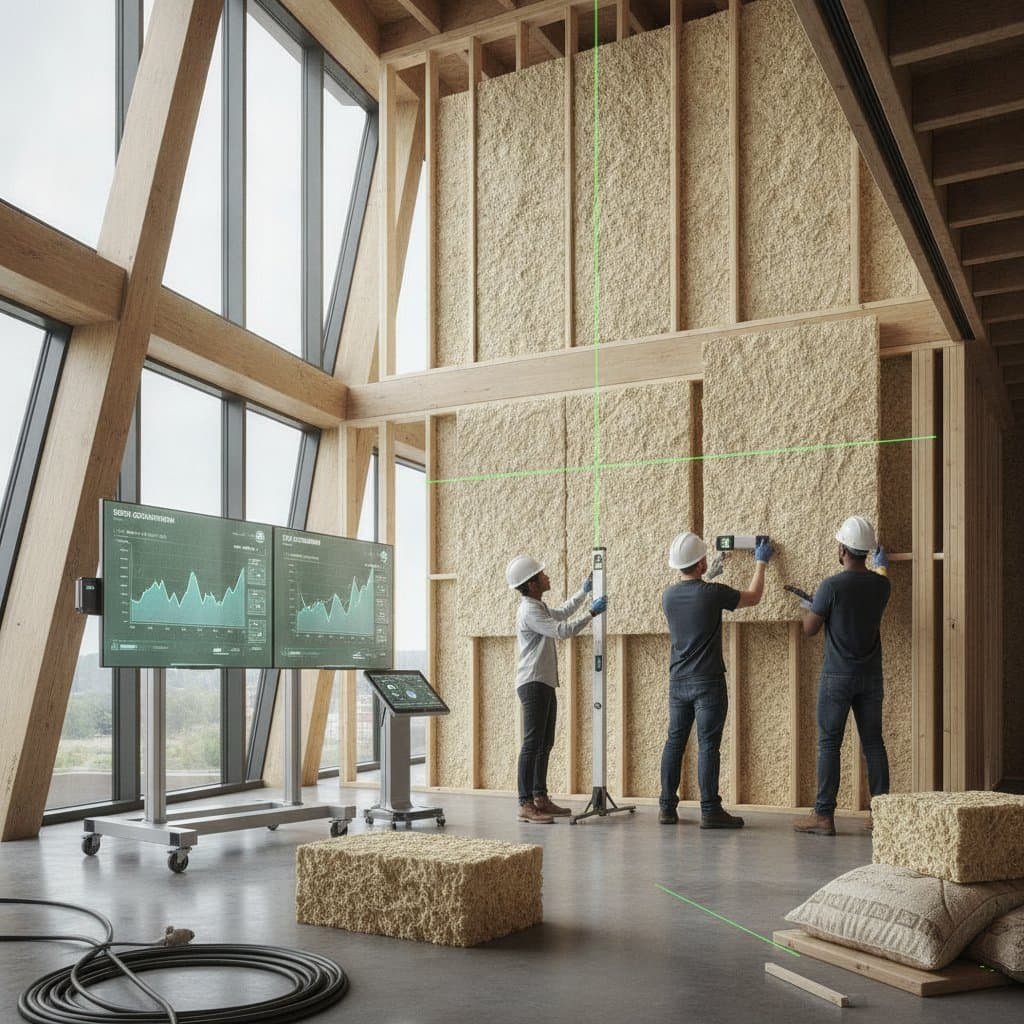
These basic ingredients yield a versatile product suitable for insulation and non-load-bearing applications, such as infill in framed walls.
Inherent Fire Resistance
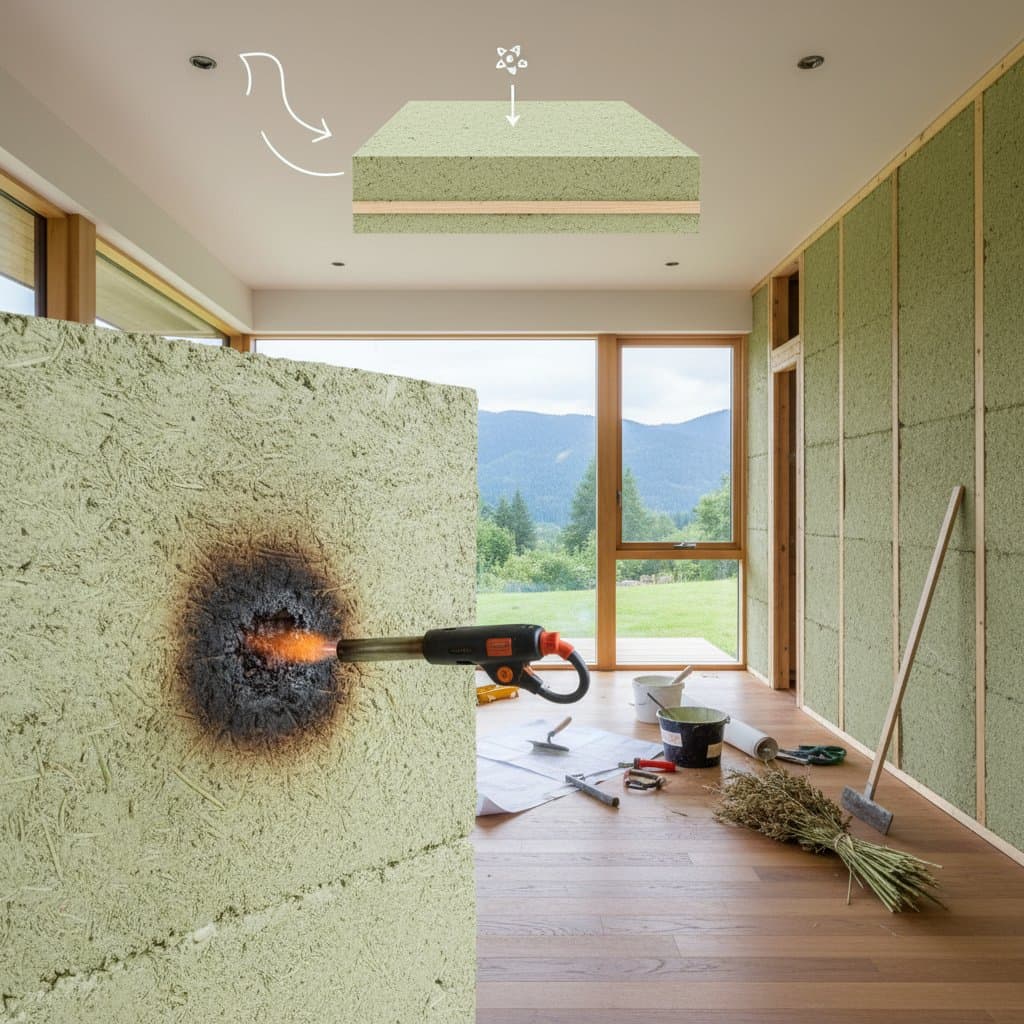
Laboratory tests demonstrate that hempcrete endures prolonged flame contact without combustion. The lime creates a heat-isolating barrier that contains fire. In contrast to foam, which releases harmful fumes during burning, hempcrete stays intact, providing reassurance in fire-vulnerable locations.
Capacity for Carbon Capture
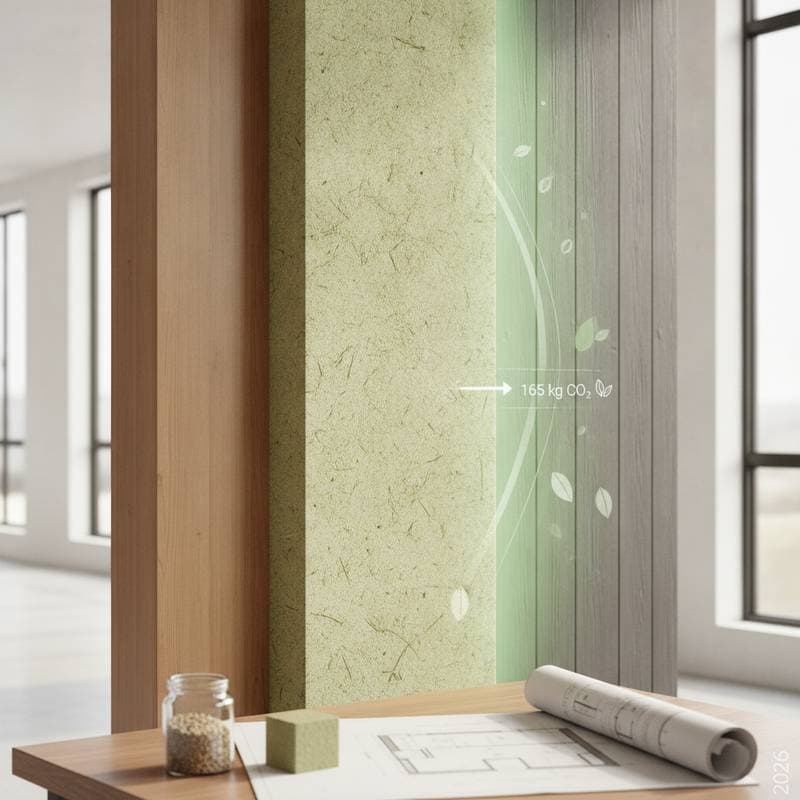
One cubic meter of hempcrete sequesters approximately 100 kilograms of carbon dioxide via hemp growth and lime processes. This absorption persists as the binder interacts with atmospheric carbon. Consequently, structures achieve a carbon-negative profile that aids global climate strategies.
Vapor-Permeable Design for Comfort
Hempcrete facilitates moisture movement through walls, averting buildup and microbial growth. It acts like a responsive barrier for buildings, optimizing air quality and humidity levels beyond what rigid synthetics provide.
Practical Strategies for Integrating Hempcrete
Implementation Steps for Professionals and Residents
- Conduct an Efficiency Assessment: Pinpoint energy leaks, dampness issues, and ventilation shortcomings to decide on new installations or upgrades.
- Select Appropriate Proportions: Adjust mixtures for local weather; denser formulations suit cold areas, while porous ones favor humid environments.
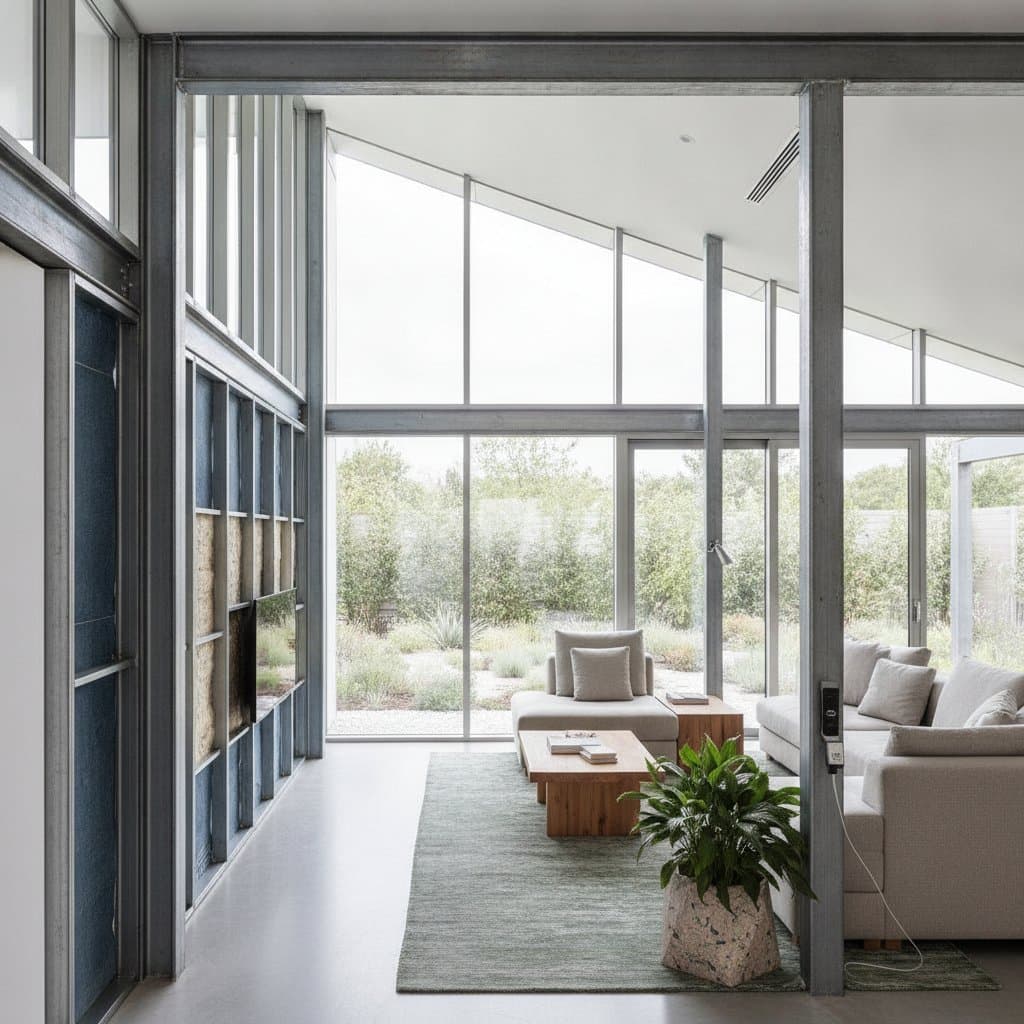
- Prepare Suitable Frameworks: Pair hempcrete with wooden or metal supports, as it lacks independent load capacity.
- Allow Thorough Curing: Permit extended drying and carbonation to preserve strength and insulating properties.
- Apply Compatible Finishes: Use lime or clay renders to sustain the system's breathability.
Essential Recommendations
- Weather Considerations: Refrain from application in subzero temperatures or high moisture to avoid defects.
- Protective Measures: Employ gloves and respirators when handling, given lime's potential to irritate skin and respiratory systems.
- Sourcing Locally: Collaborate with nearby hemp suppliers to cut transport-related emissions and bolster regional sustainability.
Financial Considerations for Hempcrete Projects
Guidance for clients reveals that budget discussions often dictate material choices in sustainable builds. Initial costs for hempcrete surpass basic insulations, yet lifetime returns prove substantial.
- Installation Expenses: Budget $12 to $20 per square foot, influenced by location, supply, and assembly depth.
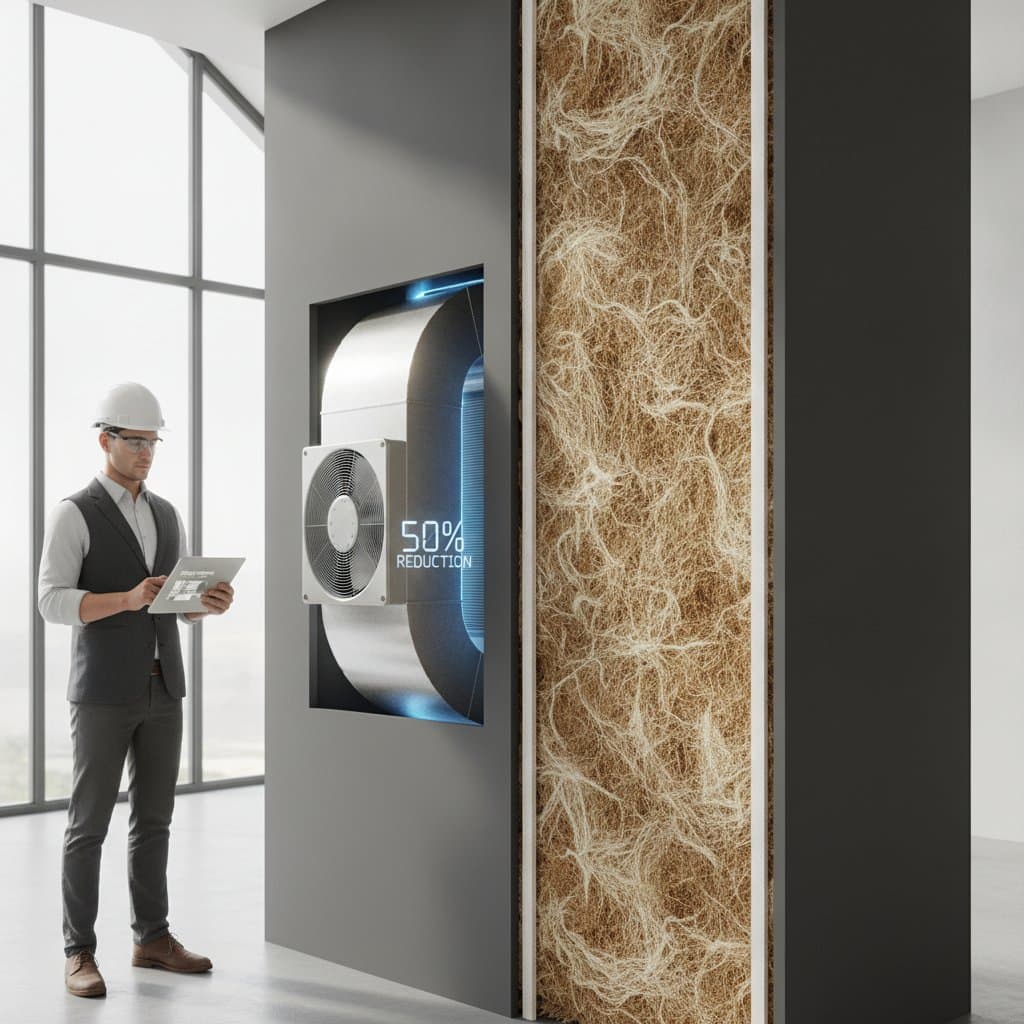
- Efficiency Gains: Expect reductions in energy bills up to 50 percent from effective temperature control.
- Longevity: Well-cared-for hempcrete endures far beyond traditional options, minimizing maintenance outlays.
- Risk Reduction: Fire-resistant properties may qualify projects for insurance discounts.
View hempcrete as an integrated upgrade. Pair it with renewables like solar arrays, efficient glazing, and controlled airflow to maximize habitability, security, and ecological impact.
Navigating Regulations and Certifications
Hempcrete secures increasing approval in construction standards as studies validate its reliability. Prior to projects, review regional codes and engage architects versed in natural materials. It supports certifications like LEED or Passive House through minimal energy use and strong insulation.
Regulatory Essentials
- Load Verification: Validate designs treating hempcrete as filler, not primary support.
- Flame Safety Proof: Secure supplier-provided test data for code fulfillment.
- Dampness Control: Design assemblies with permeable layers and runoff features for balanced drying.
- Approval Processes: Consult officials promptly to address reviews and standards.
Adapting Hempcrete to Local Conditions
Performance varies by climate, requiring customized tactics.
- High-Humidity Areas: Opt for slimmer walls and open coatings to accelerate evaporation.
- Cooler Regions: Thicken assemblies for higher R-values and combine with advanced windows.
- Dry Environments: Leverage humidity balancing to sustain comfort without added devices.
In fire-risk zones, hempcrete's non-flammable nature provides critical defense, delaying external threats. Demand grows among builders for such resilient, organic systems.
Perspectives from Specialists
Dr. Lena Mitchell, a materials scientist focused on eco-composites, states, "Hempcrete ushers in carbon-aware building. It functions dynamically, managing moisture and heat while extracting atmospheric carbon."
Builder and energy consultant Carlos Nguyen adds, "Clients now seek materials excelling in protection, livability, and sustainability. Hempcrete achieves this with skilled execution."
These views align with field observations: hempcrete transitions from experimental to standard practice.
Positioning for Hempcrete's Expansion
For upcoming builds or updates, investigate suppliers and experts now. Projections indicate lower costs and wider availability for pioneers. Proceed by:
- Obtaining estimates from reliable contractors via resources like itsacoolerplanet.com.
- Touring showcase projects or attending sessions for direct familiarity.
- Directing designers to simulate savings in energy and emissions.
- Exploring combinations with alternatives like wood fiber or recycled fills for peak results.
Beyond walls, apply hempcrete in floors, roofs, or modules, suiting homes to complexes.
Enduring Gains for Homes and Ecosystems
Selecting hempcrete extends past construction to daily living. Residents enjoy natural ventilation, flame safety, and purified air. Contributions include ongoing carbon storage and aid to hemp farming, which enriches land, conserves water, and stimulates communities.
Projects with hempcrete prompt reevaluations of resource use. The consistent climate, sound dampening, and ethical alignment render older methods obsolete.
Frequently Asked Questions
What makes hempcrete fireproof? Its lime-based structure resists ignition and heat transfer, enduring flames for extended periods without toxic release.
How does hempcrete sequester carbon? Hemp plants absorb CO2 during growth, and the lime binder recaptures it during curing and beyond.
Is hempcrete suitable for load-bearing walls? No, it serves best as non-structural infill within frames for insulation and stability.
What are typical installation costs? Installed rates range from $12 to $20 per square foot, varying by region and scale.
Can hempcrete be used in retrofits? Yes, it adapts well to existing structures, especially for adding insulation without major disruptions.
How long does hempcrete last? With proper care, it endures for generations, outlasting many synthetics.