Key Points
- Mycelium-based mushroom insulation serves as a biodegradable substitute for foam or fiberglass options in wall applications.
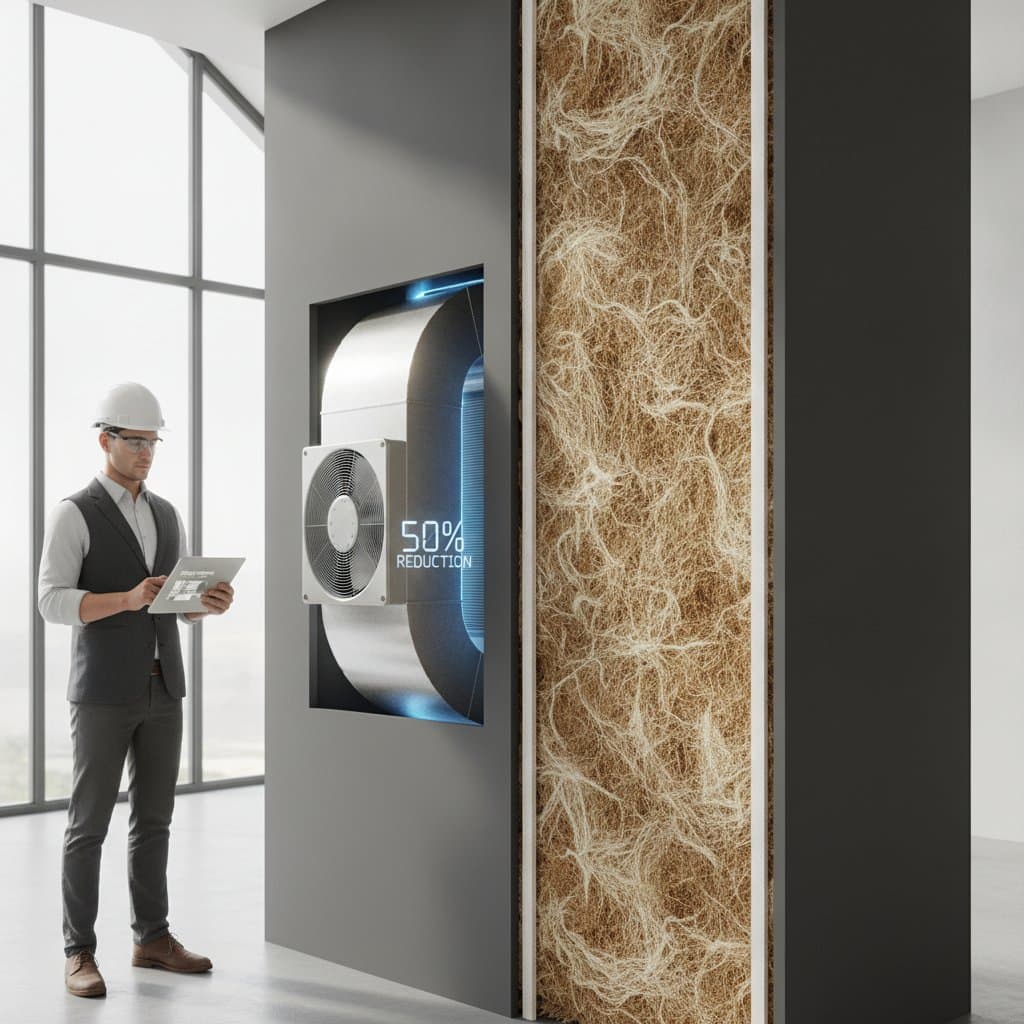
- It delivers robust thermal insulation, superior sound dampening, and inherent fire resistance without chemical additives.
- Custom-fit panels emerge from a low-impact growth process using agricultural waste substrates.
- Production scaling drives costs toward parity with standard insulation materials.
- This approach supports closed-loop systems that minimize construction waste and lower net carbon emissions.
The Emergence of Mycelium in Green Construction
Imagine entering a residence where walls facilitate natural airflow, indoor air remains pristine, and the insulation integrates fungal biology seamlessly. With extensive experience as a green building specialist, the author has observed numerous material advancements, yet mycelium insulation stands out for its potential to redefine eco-conscious architecture. Beyond mere energy reduction, it addresses construction waste, carbon sequestration, and the integrity of building components.
For those confronting escalating energy bills or seeking to lessen ecological impact, mycelium insulation presents a viable solution. It demonstrates that innovative design merges biological processes with practical engineering to yield resilient, chemical-free living spaces.
Limitations of Traditional Insulation Materials
Standard insulators such as fiberglass, mineral wool, or foam boards carry unseen drawbacks. Their production demands substantial energy inputs, depends on petroleum derivatives, and produces long-lasting waste. In moist environments, these substances retain water, fostering mold growth and compromising indoor air standards.
Through years of professional observation, the author notes frequent complaints from residents about degrading installations, persistent drafts, and installation discomfort. The persistent issue involves identifying a material that excels in heat and sound control while breaking down harmlessly at the end of its service life. Mycelium insulation addresses this gap effectively.
The Process Behind Mycelium Insulation
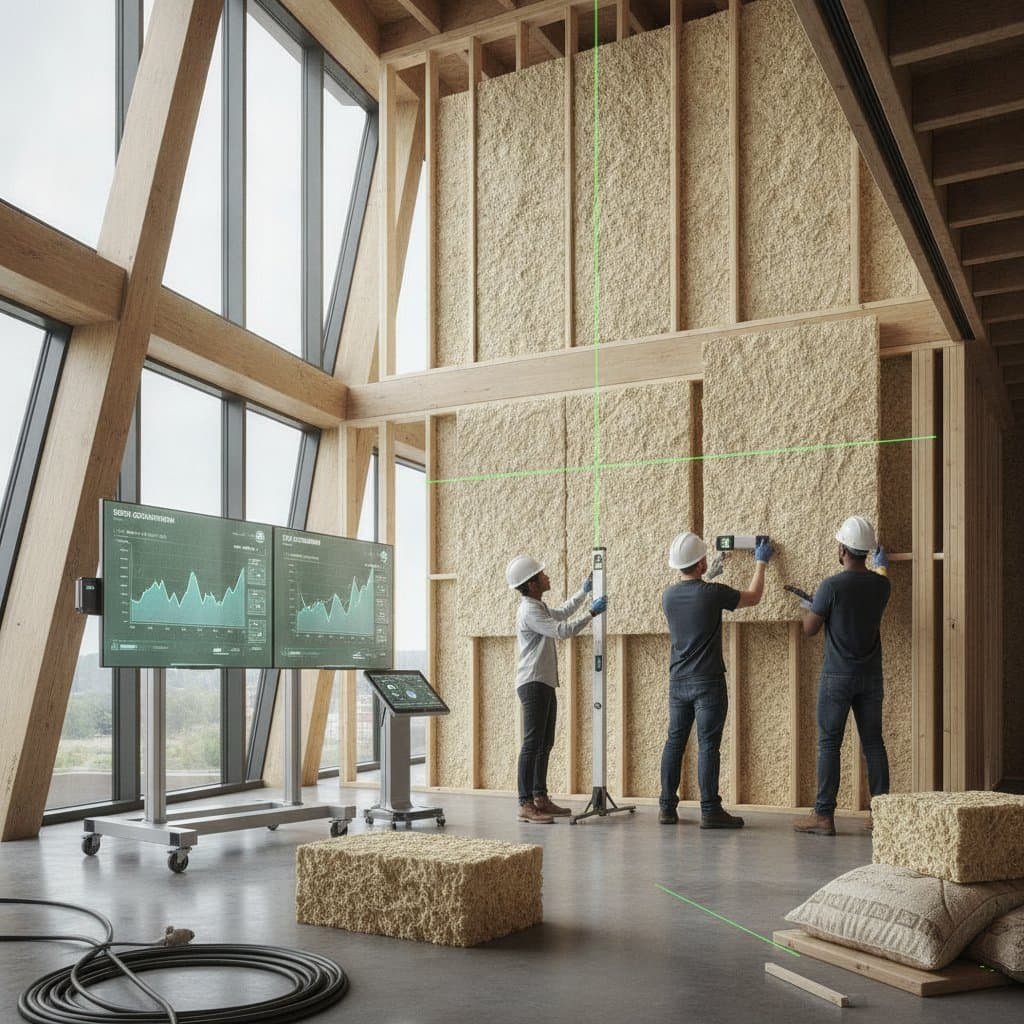
Mycelium insulation develops through cultivation rather than industrial fabrication. Mycelium, the filamentous network of fungi, integrates with upcycled farm residues like corn husks or hemp fibers to create a cohesive, porous structure. Subsequent drying terminates biological activity, yielding lightweight, rigid panels suitable for walls.
The cultivation sequence unfolds as follows:
- Substrate Preparation: Combine mycelium inoculant with agricultural byproducts in a nutrient-rich blend.
- Forming: Pack the mixture into tailored molds matching wall dimensions or irregular spaces.
- Incubation: Allow several days for mycelium to colonize and bind the substrate through natural enzymatic action.
- Stabilization: Apply controlled heat to dehydrate and fix the material, ensuring long-term stability.
These panels achieve insulation ratings akin to fiberglass, derived solely from replenishable sources.
Strategies to Enhance Home Sustainability
Drawing from expertise in sustainable design, the author advises targeting mycelium insulation in areas that leverage its inherent strengths:
- Partition and Ceiling Applications: Leverage acoustic properties to foster serene interiors.
- Subfloor and Foundation Zones: Benefit from natural defenses against insects and microbial growth to sustain air purity.
- Renovation Projects: Utilize moldable forms to fill non-standard voids, particularly in heritage structures.
Optimal integration involves vapor-permeable assemblies that promote moisture vapor diffusion. Such configurations mitigate buildup and preserve insulation efficacy throughout the material's lifespan.
Advantages for Environment and Well-Being
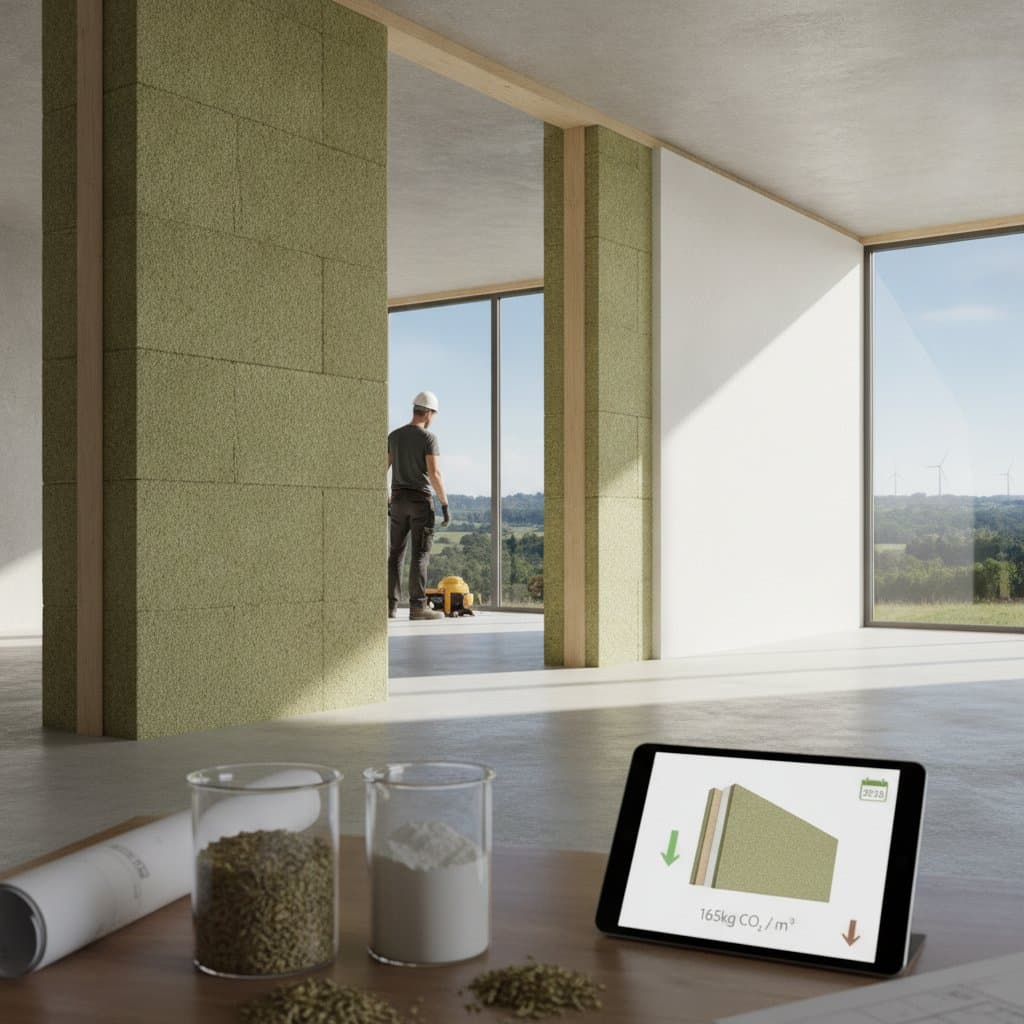
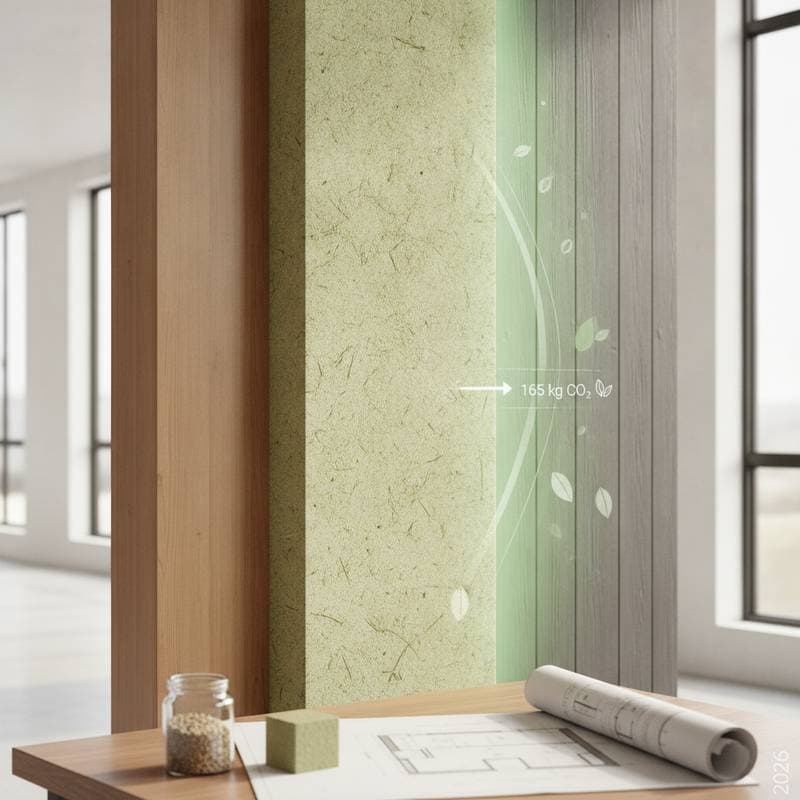
Mycelium insulation decomposes fully, enabling soil reintegration at disposal rather than landfill accumulation. Its growth phase sequesters atmospheric carbon, rendering the material net-negative in emissions.
Additional merits encompass:
- Chemical-Free Makeup: Absence of formaldehyde, volatile organics, or artificial adhesives.
- Flame Retardancy: The structure carbonizes gradually, impeding fire progression.
- Structural Resilience: Dehydrated forms withstand biodegradation, vermin, and dampness effectively.
Dr. Lena Ortiz, a bio-materials researcher focused on sustainable engineering, states, "Mycelium insulation represents a rare building product capable of completing the carbon cycle. It utilizes waste inputs, matches premium insulation standards, and degrades benignly in ecosystems."
Implementation Factors: Pricing, Fitting, and Sourcing
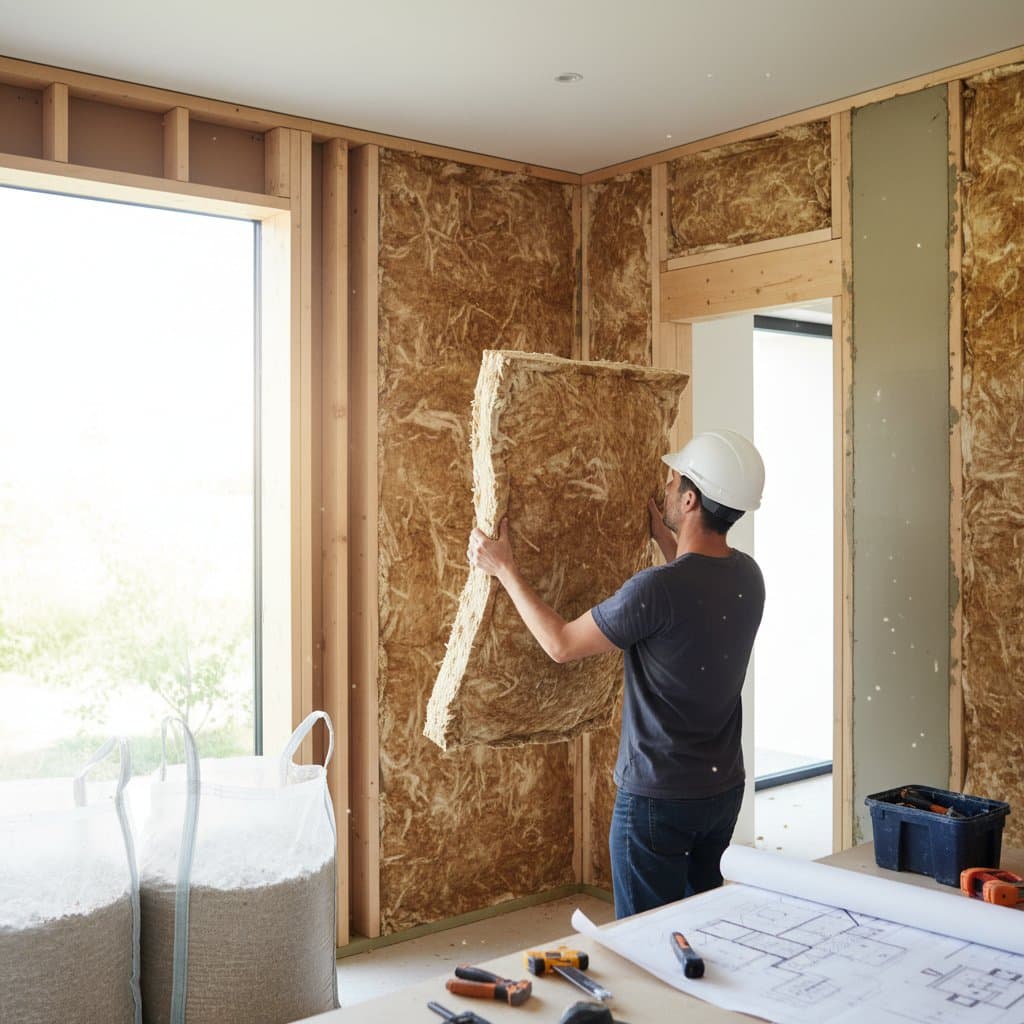
Mycelium panels range from $10 to $13 per square foot, aligning with advanced foam alternatives while minimizing environmental costs. Fitting requires basic tools due to the material's low weight and ease of sectioning.
Expanding adoption of fungal composites attracts additional producers. Certain vendors provide home cultivation sets for minor undertakings, though expert oversight guarantees uniform density and heat retention.
In major developments or eco-certified initiatives, engage contractors versed in organic materials. They verify adherence to regulations and synergy with elements like moisture controls or exterior finishes.
Addressing Hurdles in Adoption
Emerging technologies like mycelium insulation encounter obstacles:
- Scalability Constraints: Distribution networks evolve gradually, influencing stock levels.
- Hydration Control: Despite mold resistance, installation demands dry conditions to prevent saturation.
- Pricing Variability: Similar to nascent renewables, rates fluctuate pending market maturation.
Success depends on collaboration with knowledgeable practitioners in eco-design. Seek certified professionals through dedicated directories for sustainable expertise.
Integrating Mycelium into Your Build
For upcoming modifications or constructions, incorporating mycelium insulation elevates environmental credentials. Initiate with an energy assessment to pinpoint high-yield locations. Subsequently, a sustainability advisor evaluates suitability based on regional climate, structural setup, and financial parameters.
Consider the value of transitioning: it yields superior air health, reduced emissions, and enduring efficiency gains. Mycelium insulation signals a move toward restorative practices, emphasizing cultivation over consumption in architecture.
Connect with qualified specialists for personalized guidance. Witness how this biological innovation revitalizes residences and safeguards ecosystems.
FAQ
Q: What R-value does mycelium insulation offer compared to fiberglass?
A: It attains 3.5 to 4 per inch, paralleling fiberglass or cellulose, distinguished by its renewable origins and decomposability.
Q: Is mycelium insulation suitable for outer wall systems?
A: Affirmative, provided integration with permeable facades and protective membranes to avert liquid ingress and sustain dryness.
Q: Does it pose risks for allergy sufferers?
A: Post-drying, the material remains inactive and hypoallergenic, free of active spores or particulates, supporting allergy-conscious environments.