Key Points
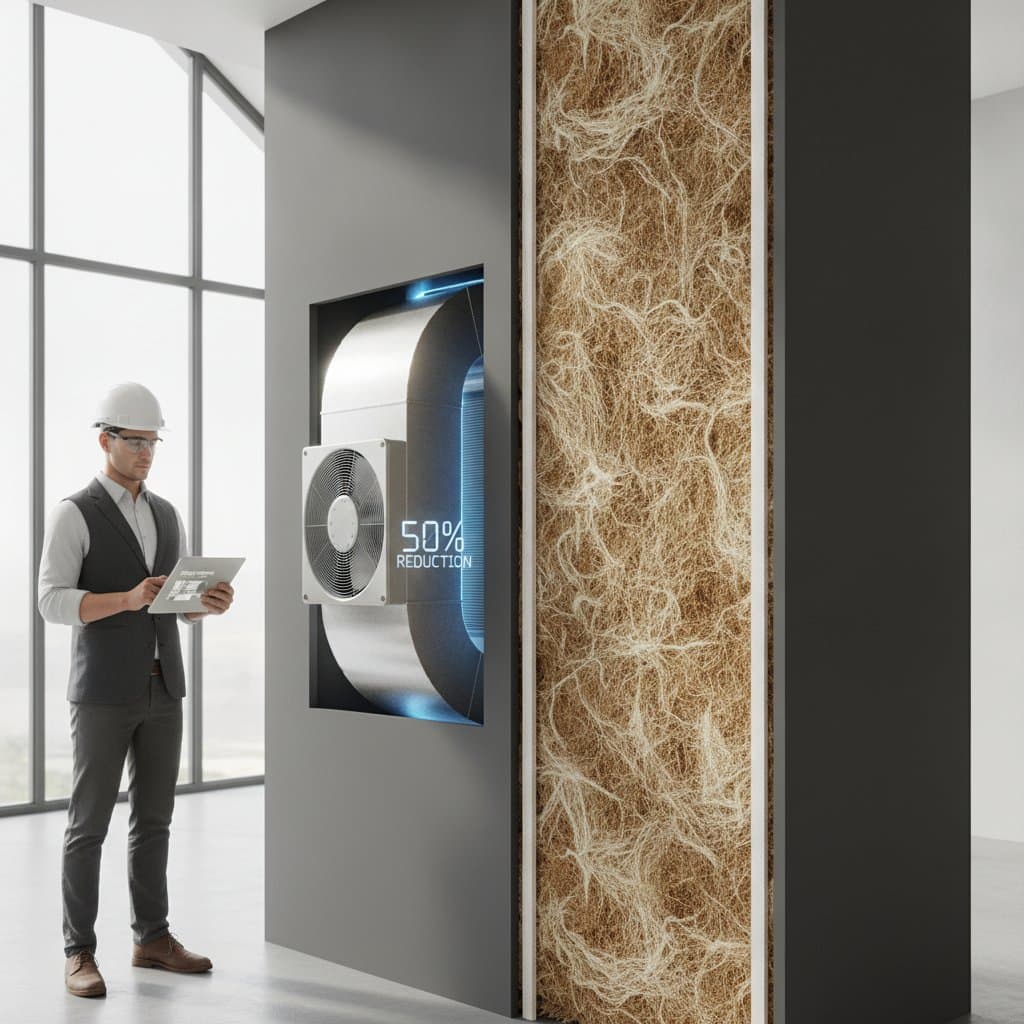
- Mycelium insulation reduces energy bills by up to 50 percent and lowers building carbon footprints.
- It provides natural performance and cost savings as an alternative to petrochemical insulations.
- Lightweight, fire-resistant, and biodegradable, it delivers energy efficiency alongside sustainability.
- Suitable for new constructions or retrofits in walls, roofs, and floors.
- Returns on investment occur within a few years via energy savings and property value increases.
Addressing Rising Energy Costs
Homeowners face escalating utility expenses from heating in winter and cooling in summer. These costs strain budgets significantly. Traditional insulations mitigate heat loss but often involve synthetic materials with environmental and health concerns.
Mycelium insulation addresses these issues effectively. Derived from fungal root structures, this bio-based material offers a practical solution. It balances comfort, affordability, and environmental impact in home energy management.
Benefits for Contemporary Homes
Mycelium insulation excels in multiple areas beyond thermal efficiency. It renews easily by growing on agricultural waste like straw or husks into dense, fire-resistant mats. It also regulates humidity and temperature better than many synthetics, fostering healthier indoor spaces.
At lifecycle's end, it composts fully, supporting a circular economy. Pilot projects demonstrate 30 to 50 percent reductions in heating and cooling needs across climates. For average households, this yields annual savings of several hundred dollars, amplified when combined with solar systems.
Mechanics of Mycelium Insulation
Mycelium creates a natural thermal barrier through its fungal network binding organic substrates. This forms a structure with tiny air pockets that trap heat like synthetic foams, but without harmful chemicals or high energy production.
After growth, drying halts development and yields stable panels for walls, ceilings, or floors. Pair these with vapor-permeable membranes to manage moisture while preserving insulation. Local production from waste minimizes transport emissions and costs.
Mycelium Versus Traditional Insulations
Common insulations include fiberglass batts and foam boards, which perform well but have drawbacks. Fiberglass irritates skin and respiratory systems. Foam boards depend on petrochemicals that emit greenhouse gases during manufacturing.
Mycelium grows with low energy and negligible waste. The following table compares key properties:
| Property | Fiberglass | Foam Board | Mycelium |
|---|---|---|---|
| Thermal Resistance (R-value per inch) | 2.9 - 3.8 | 4.0 - 6.5 | 3.5 - 4.0 |
| Fire Resistance | Moderate | Variable | High |
| Moisture Regulation | Poor | Poor | Excellent |
| Environmental Impact | High | Very High | Very Low |
| End-of-Life Disposal | Landfill | Landfill | Compostable |
Mycelium's moisture control, fire resistance, and biodegradability position it strongly for eco-conscious builds, even if R-values vary slightly.
Evaluating Costs and Returns
Initial costs for mycelium exceed fiberglass but align with mid-tier foams. Energy savings and simpler installation recover the difference swiftly. A 10 to 15 percent premium often pays back in three to five years through lower utility bills.
Over decades, total savings reach thousands of dollars. At resale, sustainable features boost property values, recouping 60 to 80 percent of the investment via appreciation.
Health and Ecological Advantages
Mycelium enhances indoor air quality by avoiding volatile organic compounds. Its breathability discourages mold in sealed homes. It also dampens sound, reducing noise without extra treatments.
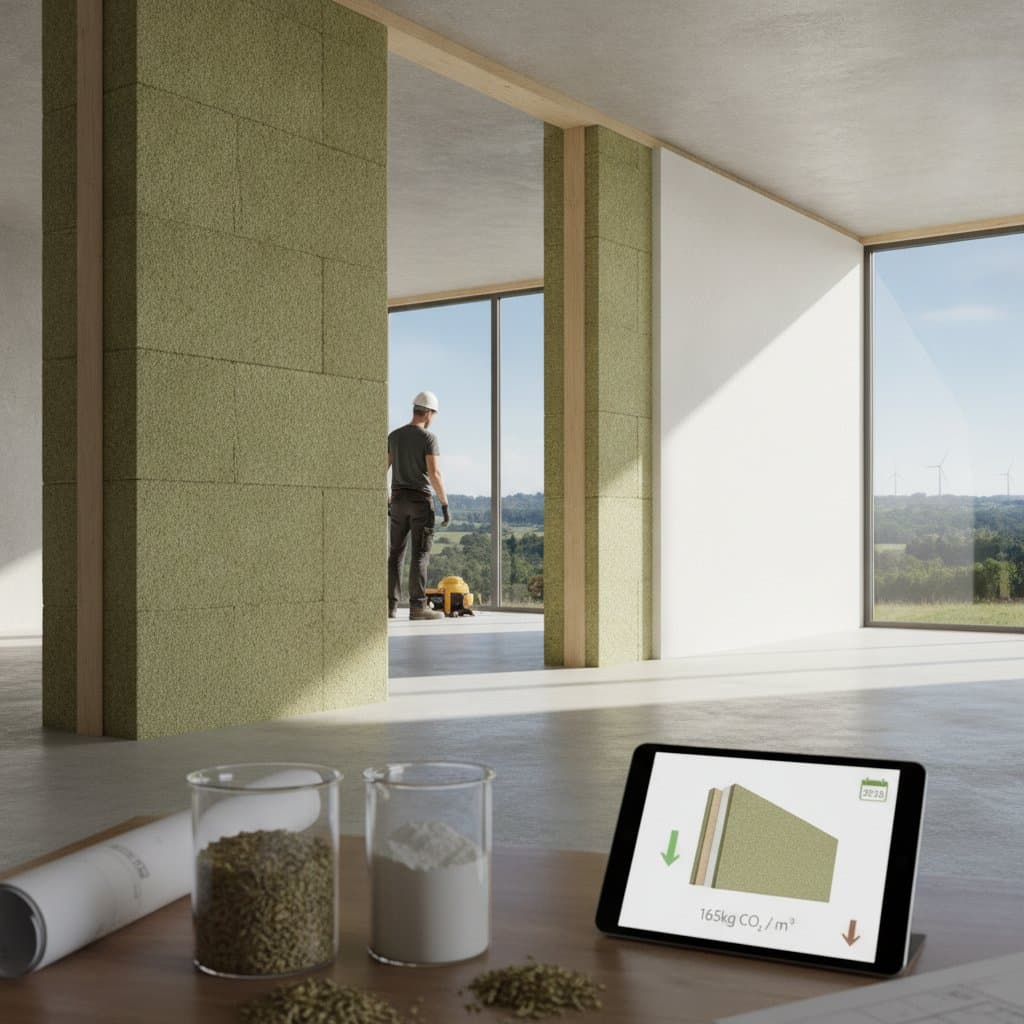
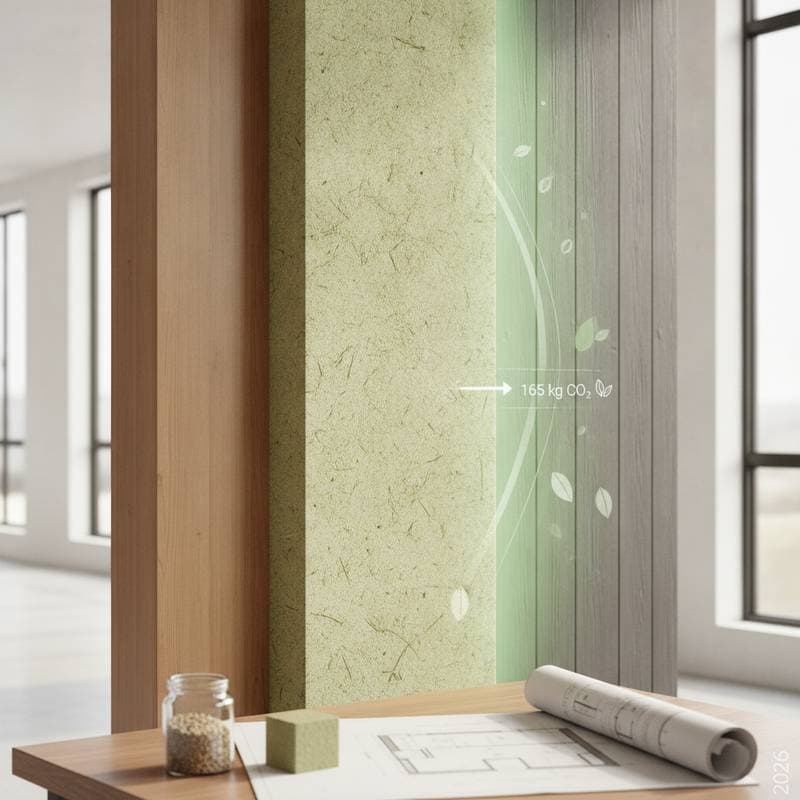
During growth, it sequesters carbon, making production carbon-negative. Installed panels continue this benefit, offsetting emissions over time. Few materials achieve full lifecycle carbon negativity like mycelium.
Versatility in Various Settings
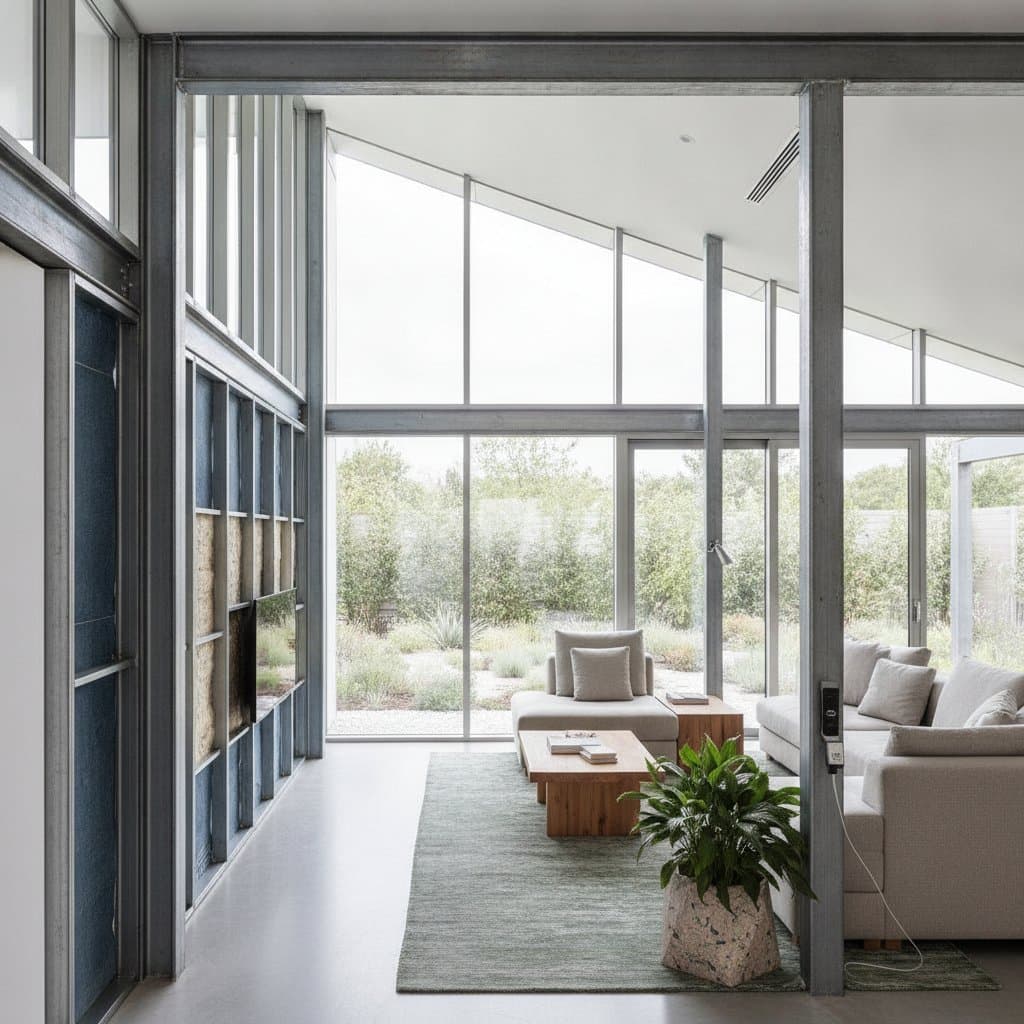
Mycelium adapts to diverse climates and structures. Thicker panels suit cold areas for better heat retention; permeability aids cooling in warm regions. It integrates with timber or steel frames and excels in retrofits.
Replace outdated fiberglass in existing walls with minimal disruption. Combine with cellulose or hemp for hybrid systems that optimize cost and performance. This flexibility supports customized energy strategies.
Practical Installation Tips
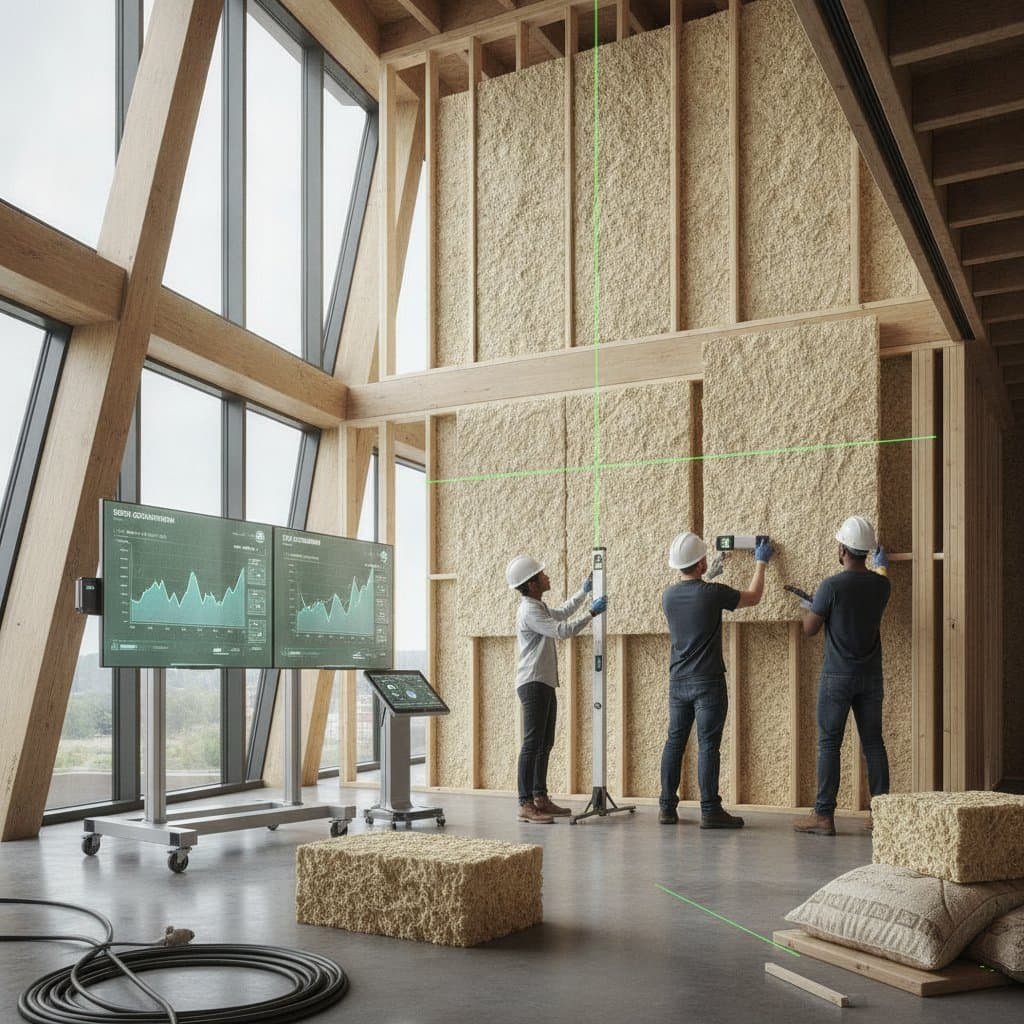
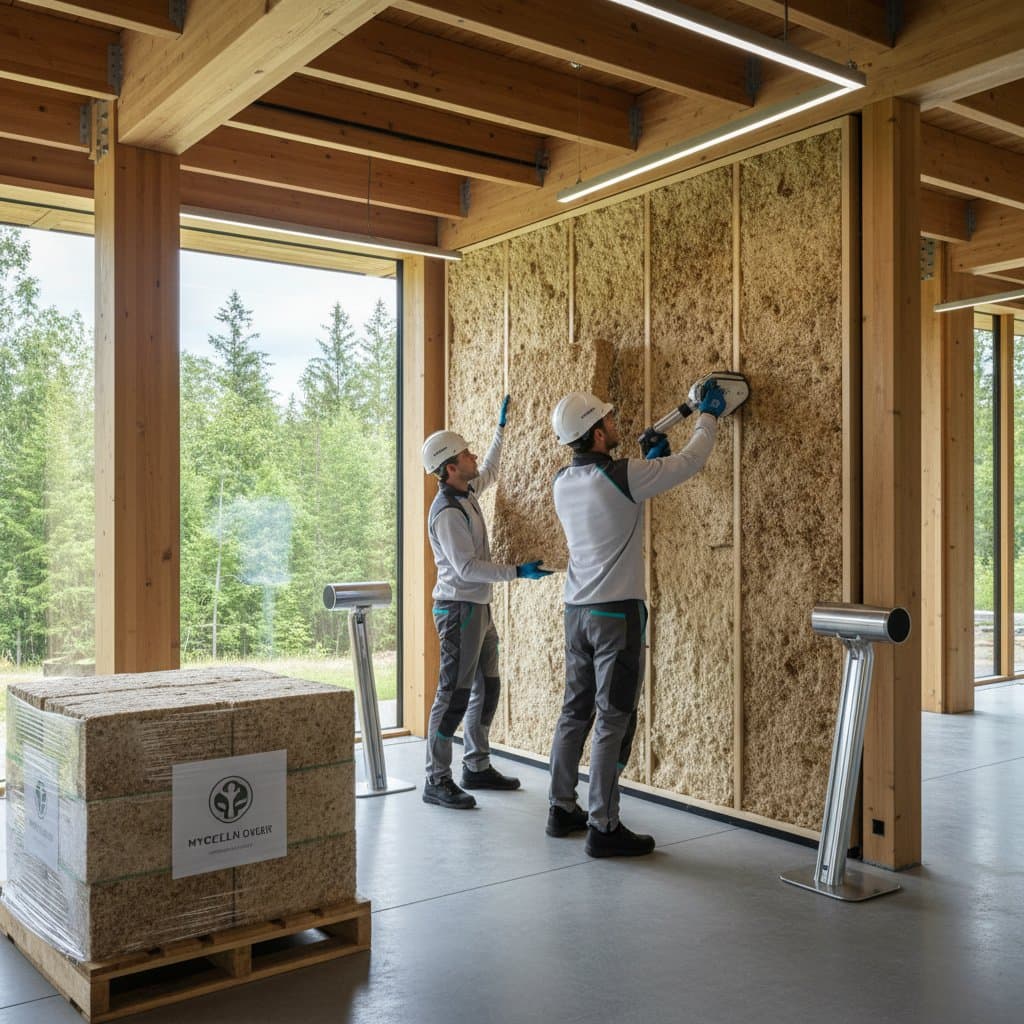
Contractors install mycelium panels by cutting to fit studs or joists and sealing with permeable membranes. Its light weight eases handling without structural strain. Unlike fiberglass, it poses no irritation risks on site.
DIY enthusiasts can tackle attics or small outbuildings. For comprehensive projects, hire professionals to handle sealing and ventilation. Verify local codes for new materials prior to starting.
Emerging Trends in Bio-Based Construction
Global construction favors renewables like hempcrete and cork. Mycelium aligns with this movement toward low-impact buildings. Incentives from governments reward such adoptions.
Economically, scaling production lowers prices and broadens access. Early adopters gain from regulatory shifts toward low-carbon standards. This positions mycelium as a mainstream choice soon.
Frequently Asked Questions
How durable is mycelium insulation? Once dried and treated, it resists pests and maintains stability. Proper protection ensures longevity comparable to traditional options.
Does it promote mold or decay? Drying stops growth, and breathability prevents condensation. It actively resists microbial issues.
What about fire safety? It chars to form a barrier, slowing fire spread without additives. This meets standard safety requirements.
Can it pair with other insulations? Yes, hybrids with cellulose or minerals boost overall effectiveness while preserving eco-benefits.
Where to source it? Emerging producers link with farms; distributors serve residential needs, with online options growing.
Future Outlook and Adoption
Research advances mycelium's formulas and scalability. Costs decline as markets mature, enhancing accessibility. Its low-energy production and lifecycle advantages solidify its role in green building.
Homeowners gain from integrating this technology. It supports planetary health while delivering practical efficiencies.
Steps to Implement Mycelium Insulation
Start with an energy audit to identify heat loss areas. Consult sustainable specialists for design input.
Begin with high-impact zones like attics if budgets limit scope. Explore green financing or rebates to ease costs.
Adopting mycelium advances personal savings and contributes to sustainable living trends.