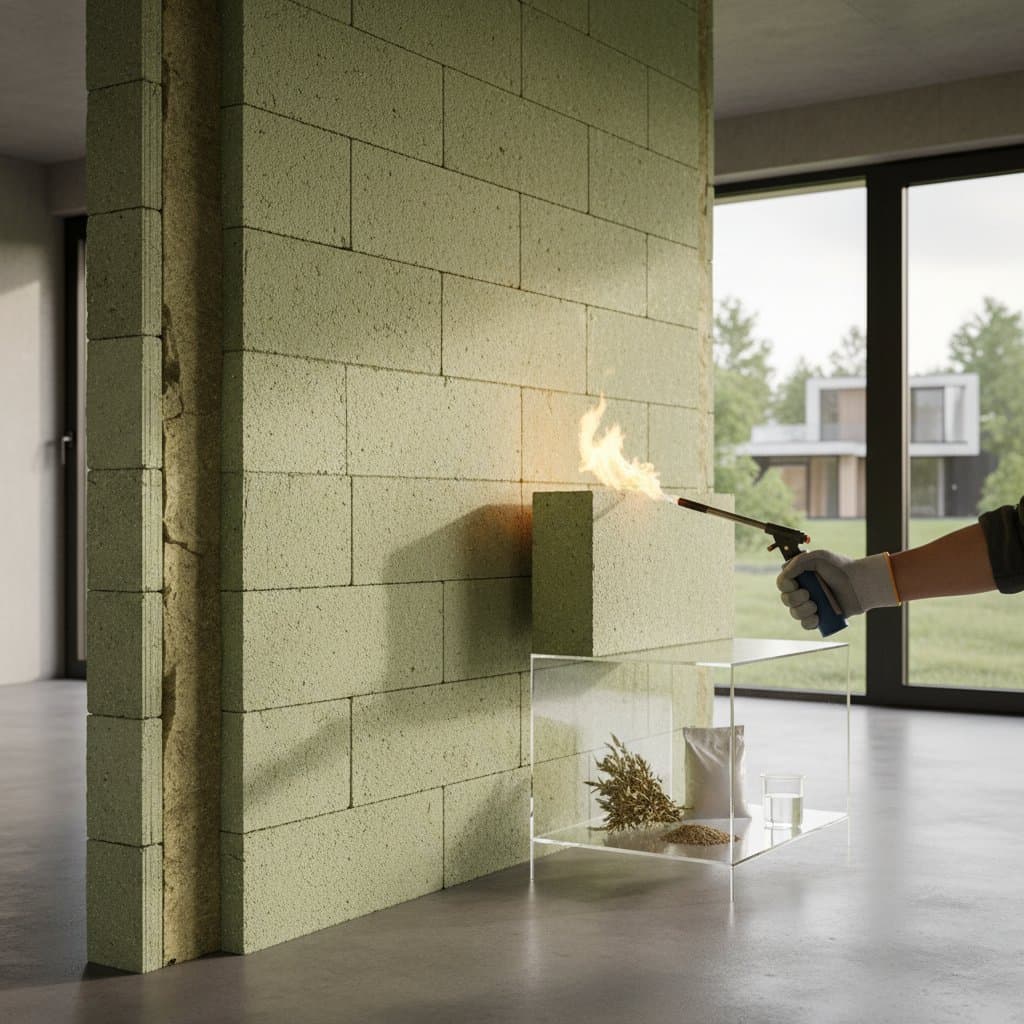
Hempcrete: The Plant-Based Insulation That Won't Burn
Hempcrete represents a breakthrough in sustainable building materials. This innovative insulation combines industrial hemp hurds, lime binder, and water to create a lightweight, durable product. Builders and homeowners increasingly turn to hempcrete for its ability to enhance safety while promoting environmental responsibility.
The material's rise aligns with the growing demand for green construction practices in 2025. Traditional insulation options often rely on synthetic foams or fiberglass, which can pose health risks and environmental harm. Hempcrete offers a natural alternative that prioritizes both performance and planetary health.
Understanding Hempcrete Composition
Hempcrete derives from the inner woody core of the hemp plant, known as hurds. These hurds mix with a lime-based binder and water to form a bio-composite that hardens over time. The process requires no high-heat manufacturing, which reduces energy consumption during production.
Lime acts as the key binding agent, providing strength and antimicrobial properties. Water facilitates the chemical reaction that solidifies the mixture. This simple formula results in a versatile material suitable for walls, roofs, and floors in residential and commercial structures.
The hemp plant grows rapidly, often reaching maturity in four months. Farmers cultivate it without pesticides, making it an ideal renewable resource. As a result, hempcrete supports local agriculture and decreases reliance on non-renewable materials.
Fire Resistance and Safety Features
One of hempcrete's standout qualities is its inherent fireproof nature. Unlike conventional insulations that may melt or release toxic fumes under heat, hempcrete chars slowly without igniting. Tests demonstrate that it withstands temperatures up to 1,200 degrees Celsius for extended periods.
The lime component contributes to this resistance by forming a protective barrier. When exposed to fire, the material releases water vapor, which cools the surface and prevents flame spread. This behavior makes hempcrete ideal for fire-prone regions or buildings requiring enhanced safety standards.
In practical terms, structures insulated with hempcrete achieve higher fire ratings. Insurance providers often recognize these benefits, potentially lowering premiums for property owners. The material's non-combustible properties also simplify compliance with building codes focused on life safety.
Environmental Advantages
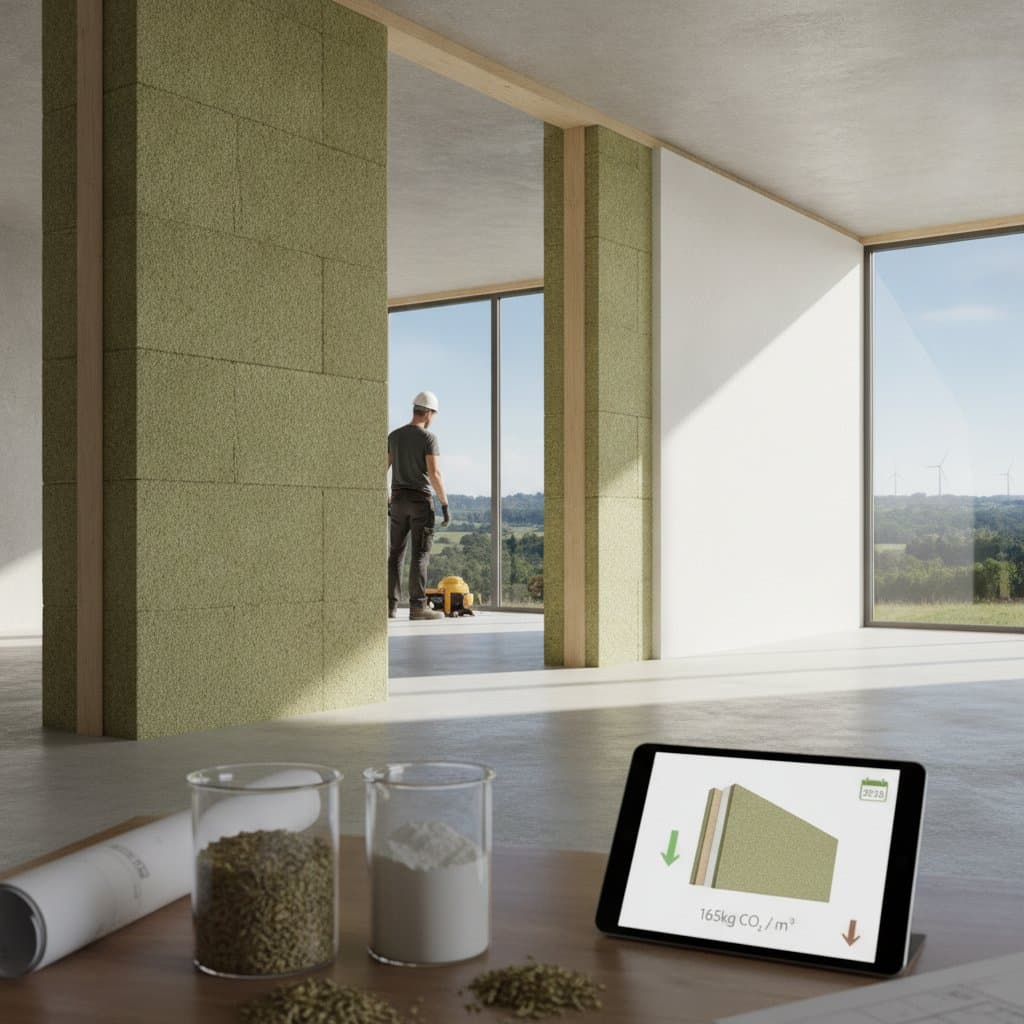
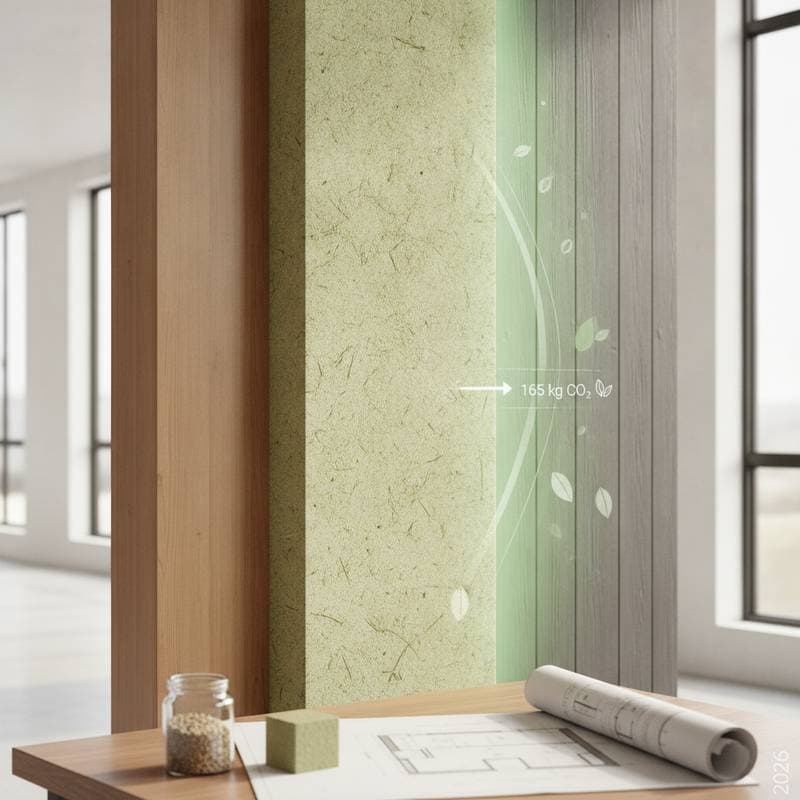
Hempcrete qualifies as carbon-negative, meaning it sequesters more carbon dioxide than it emits during its lifecycle. The hemp plant absorbs CO2 as it grows, and the lime binder continues to capture carbon through a process called carbonation. Over time, a hempcrete wall can offset the emissions from its production and installation.
Production of hempcrete generates minimal waste. Leftover hurds can return to the soil as mulch, enriching farmland. This closed-loop approach contrasts sharply with the resource-intensive mining required for materials like concrete or foam insulation.
By choosing hempcrete, builders contribute to broader sustainability goals. It reduces the urban heat island effect through better thermal regulation. Communities adopting this material support a shift toward regenerative construction that restores rather than depletes natural resources.
Thermal Performance and Comfort Benefits
Hempcrete excels in providing consistent thermal insulation. Its porous structure traps air pockets that slow heat transfer, maintaining indoor temperatures year-round. In cold climates, it prevents heat loss; in warmer areas, it blocks external heat gain.
The material regulates humidity effectively, absorbing excess moisture and releasing it when levels drop. This breathability prevents mold growth and improves indoor air quality. Occupants experience fewer allergens and respiratory issues compared to homes with synthetic insulations.
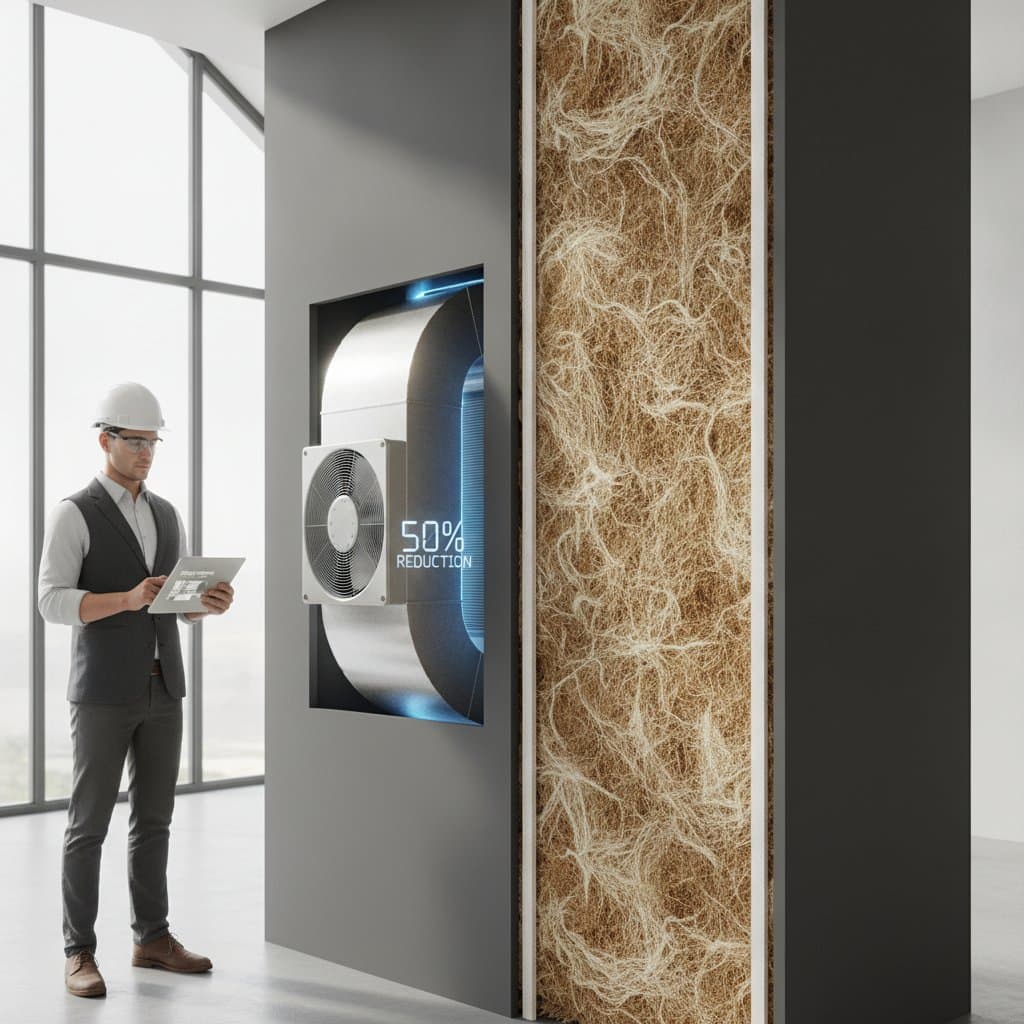
Energy efficiency follows naturally from these properties. Homes insulated with hempcrete can reduce heating and cooling demands by up to 50 percent. Utility bills reflect these savings, allowing homeowners to invest in other sustainable upgrades.
Practical Applications in Modern Homes
Architects incorporate hempcrete into various building designs. Monolithic walls cast in place offer seamless insulation without thermal bridging. Pre-cast blocks provide faster assembly for modular construction projects.
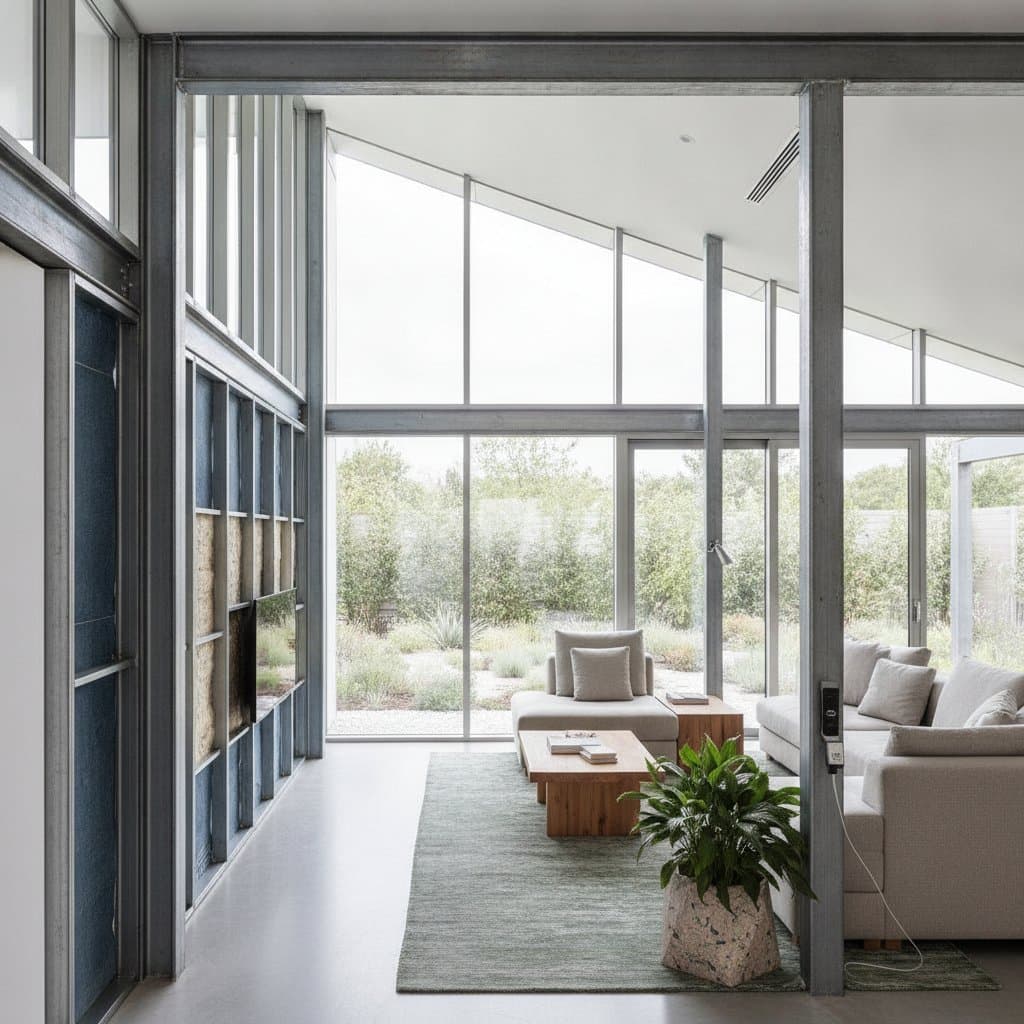
For retrofits, hempcrete fills cavities in existing walls, enhancing performance without major structural changes. It adheres well to timber frames, creating hybrid systems that combine wood's aesthetics with hempcrete's durability. This versatility suits everything from tiny homes to large eco-developments.
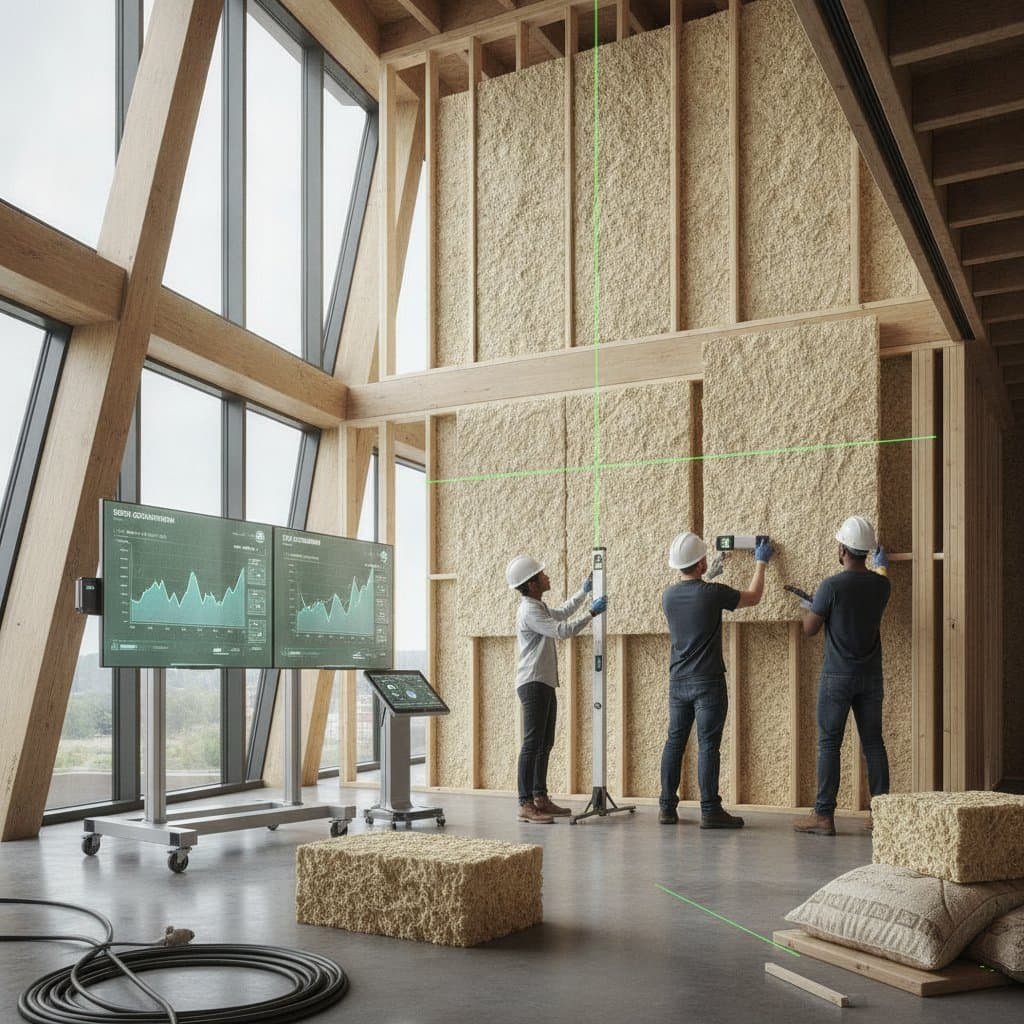
Installation requires basic tools and skilled labor familiar with natural materials. Workers mix the components on-site, pour into forms, and allow curing for several weeks. Proper technique ensures optimal density and strength, tailored to specific climate conditions.
Cost Considerations and Long-Term Value
Initial costs for hempcrete may exceed those of standard insulations due to the specialized mixing process. However, bulk hemp sourcing and lime availability keep prices competitive. In regions with established hemp industries, expenses drop further.
Long-term savings emerge through reduced energy use and maintenance needs. The material resists pests and decay, eliminating the need for chemical treatments. Its longevity, often exceeding 100 years, minimizes replacement costs over a building's lifespan.
Government incentives for green building materials can offset upfront investments. Tax credits and rebates reward projects using low-carbon alternatives like hempcrete. These financial perks make adoption accessible for budget-conscious builders.
Real-World Examples of Hempcrete Success
In Europe, several passive houses feature hempcrete walls that meet stringent energy standards. One notable project in France demonstrates how the material integrates with solar panels for net-zero performance. Residents report comfortable interiors without excessive mechanical systems.
North American builders experiment with hempcrete in urban infill projects. A community center in Canada uses it for acoustic insulation, reducing noise pollution alongside thermal benefits. Feedback highlights the material's role in creating healthier public spaces.
These cases illustrate hempcrete's adaptability across scales. From single-family dwellings to multi-unit complexes, it proves reliable in diverse settings. Lessons from these implementations guide future projects toward greater efficiency.
Embracing Hempcrete for Sustainable Living
Hempcrete transforms how we approach home insulation by blending safety, efficiency, and ecology. Its fireproof qualities protect families, while environmental benefits safeguard the planet. As 2025 unfolds, this plant-based solution positions itself as essential for forward-thinking construction.
Homeowners ready to upgrade should consult certified installers to assess feasibility. Integrating hempcrete early in planning maximizes its advantages. The result is a resilient, comfortable home that aligns with global sustainability efforts.
This material not only insulates structures but also inspires a mindset of responsible building. By selecting hempcrete, individuals contribute to a cooler, safer planet for generations to come.