Discover Hempcrete: Carbon-Eating Insulation for 2026
When you think about future homes, you probably imagine solar panels, smart thermostats, and electric vehicle chargers. You may not picture walls that consume carbon from the air. Hempcrete does exactly that. This natural material changes how builders approach insulation and carbon sequestration.
Key Benefits at a Glance
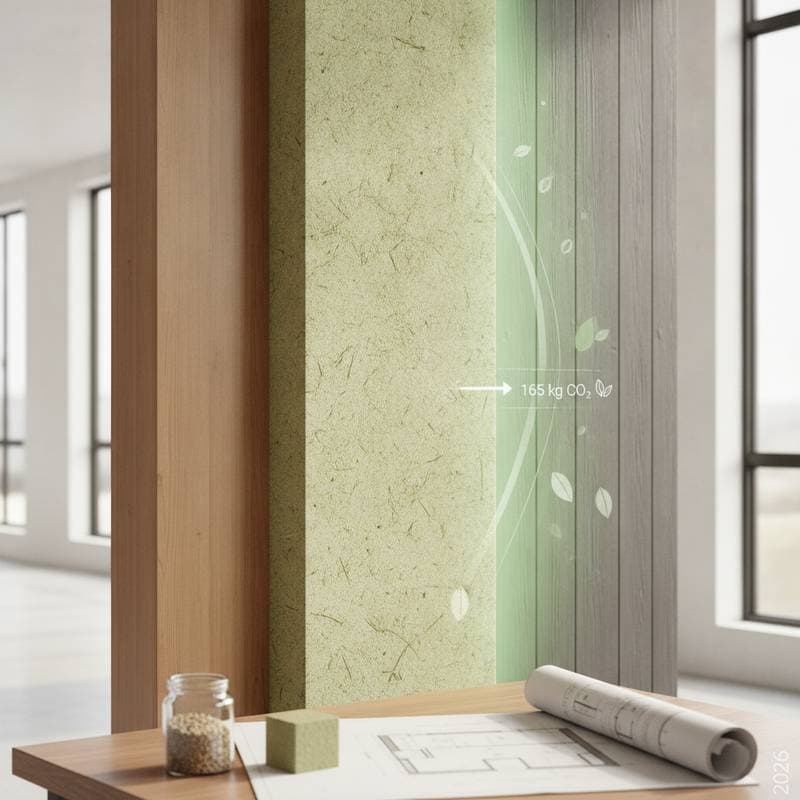
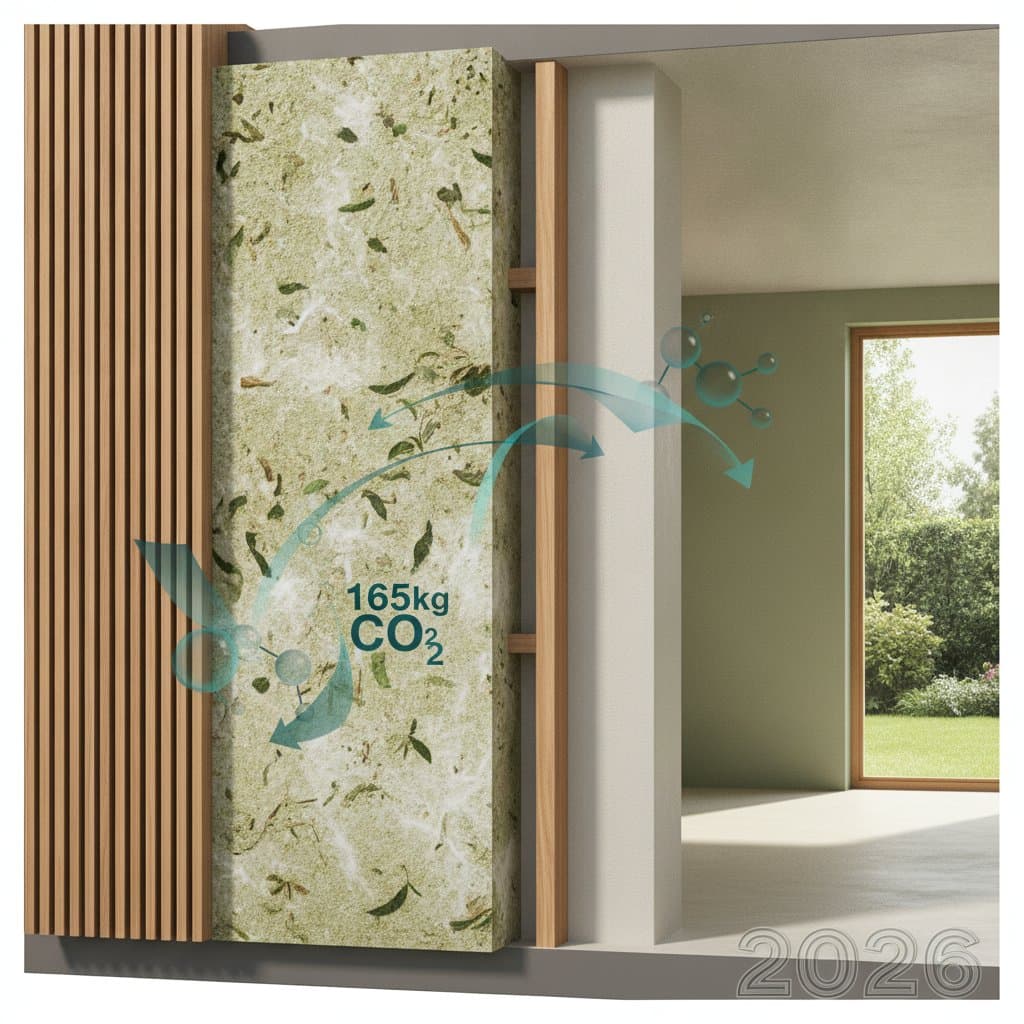
- Hempcrete absorbs up to 165 kilograms of carbon dioxide per cubic meter over its life cycle.
- It consists of hemp hurd, lime, and water to form a breathable, mold-resistant composite.
- Structures with hempcrete achieve energy savings of 25 to 35 percent through better thermal performance.
- The material stores carbon long after installation and offsets emissions from other building components.
- Broad use could cut national construction emissions by up to 10 percent across multiple building cycles.
Composition and Formation
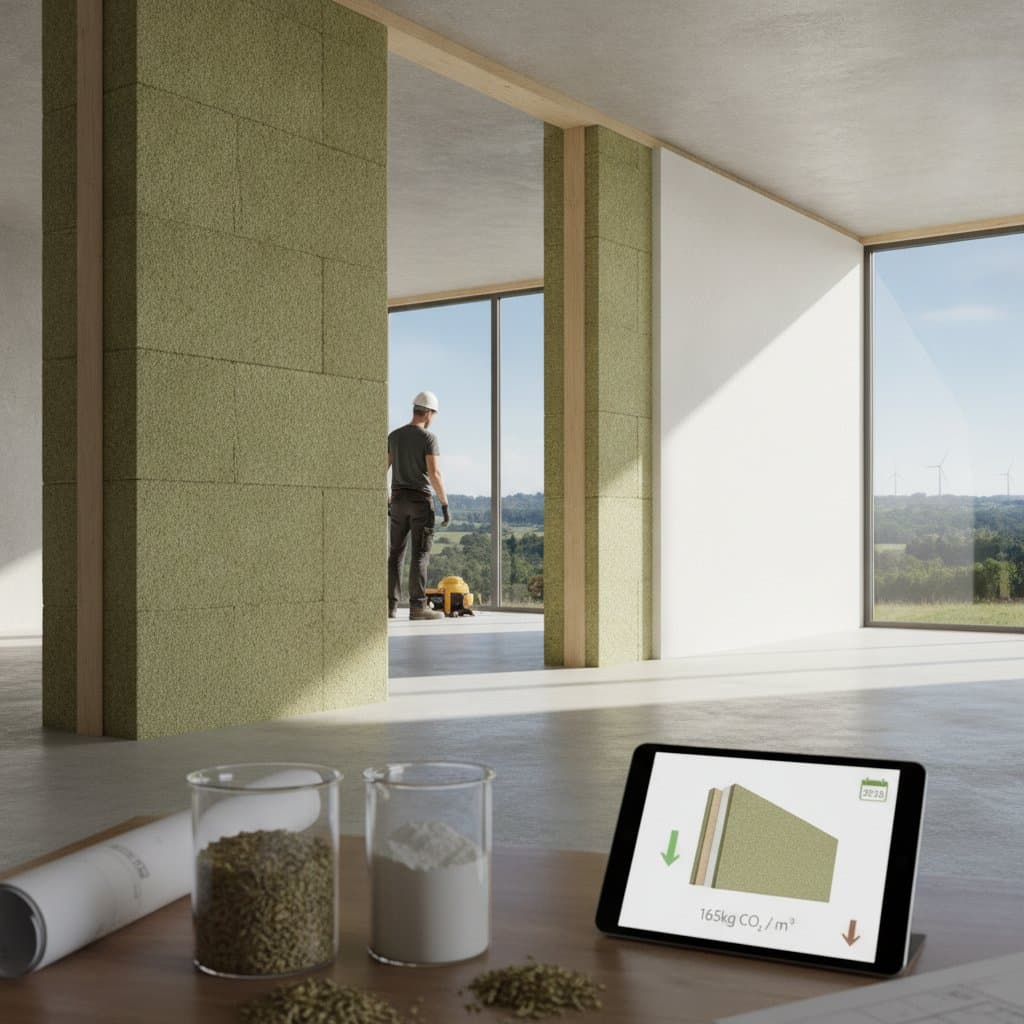
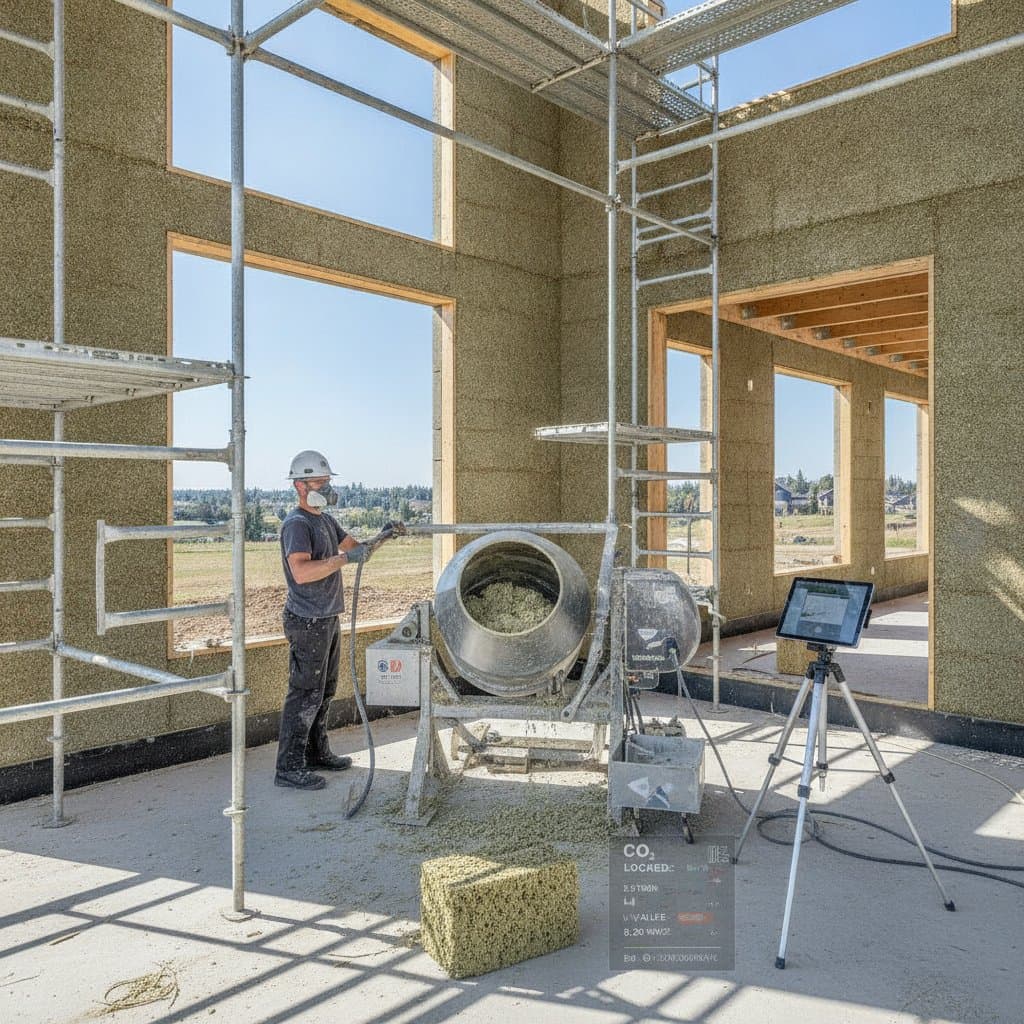
Hempcrete combines the woody core of the hemp plant with a lime binder and water. After mixing and curing, it creates a lightweight, porous material used as insulation or wall infill. It avoids cement, which carries a heavy carbon footprint.
During curing the lime binder undergoes carbonation. This process pulls carbon dioxide from the air and locks it into the wall. The hemp plant itself captures substantial carbon while growing. Together these steps produce a dual sequestration effect unmatched by most conventional materials.
Reasons for Growing Adoption
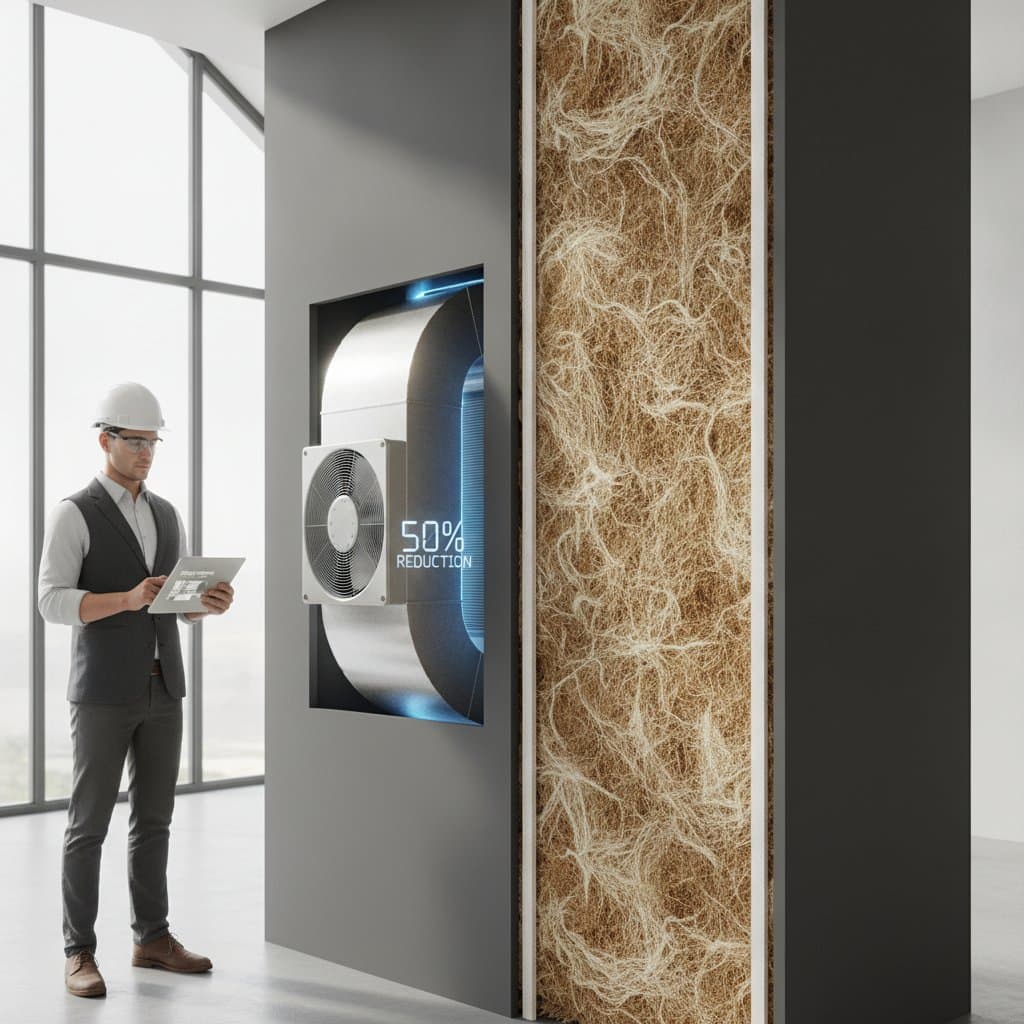
The construction sector faces mounting requirements to lower emissions. Standard insulation such as fiberglass or foam board demands high energy inputs and often ends in landfills. Hempcrete offers a renewable option that enhances indoor air quality and reduces heating and cooling loads.
Tests show thermal conductivity between 0.06 and 0.08 watts per meter kelvin. Homes therefore remain comfortable with less mechanical conditioning. Application methods add further appeal. Builders can cast the mix on site or install preformed blocks.
| Property | Hempcrete | Fiberglass | Foam Board |
|---|---|---|---|
| Thermal Conductivity (W/mK) | 0.07 | 0.04 | 0.03 |
| Carbon Footprint | Negative | High | High |
| Moisture Resistance | Excellent | Moderate | Poor |
| Lifespan (years) | 80+ | 50 | 40 |
| Recyclability | Full | Limited | Low |
Carbon Storage Performance
Each ton of hemp removes roughly 1.6 tons of carbon dioxide during growth. Once formed into walls the carbon stays sequestered for decades. Research confirms that a typical hempcrete wall stores more carbon than emitted during production and placement. This profile supports net-zero goals with measurable results.
Observed Performance in Use
Homeowners note steadier indoor temperatures and fresher air. Breathability lets moisture pass through walls, which limits condensation and mold. Humidity levels often stabilize near 50 percent, a range comfortable for occupants and protective of building components. Sound absorption also benefits urban projects.
Installation and Cost Factors
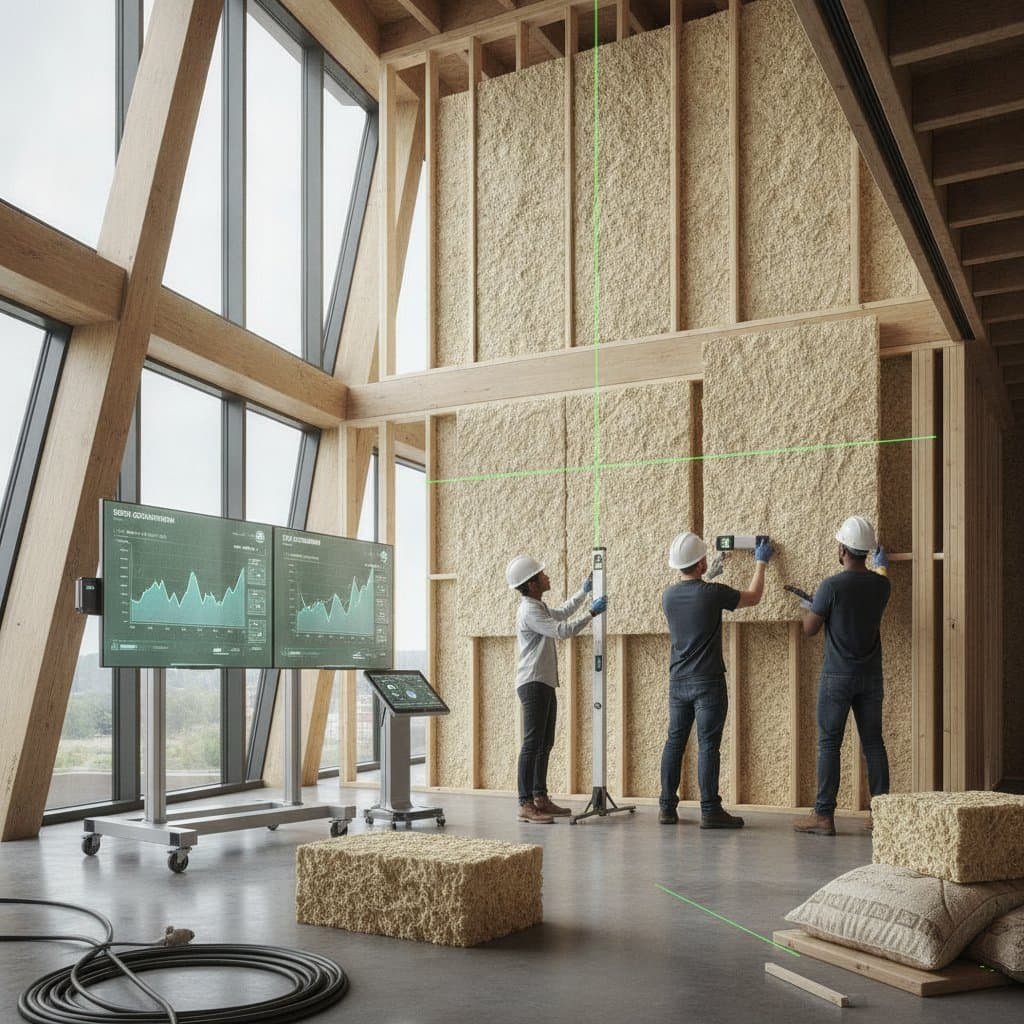
Hempcrete serves best as infill within timber frames rather than as a structural element. Proper curing conditions matter because excess moisture can slow carbonation. Initial costs run 10 to 20 percent above conventional insulation. Lifetime energy savings and durability frequently deliver returns above 30 percent. Some jurisdictions provide incentives that improve upfront economics.
Maintenance stays minimal. The lime binder resists pests and fire. At end of life the material can be crushed and returned to soil without harmful residues.
Steps Toward Wider Use
Architects now incorporate hempcrete into modern projects, and developers test it at larger scales. Increased hemp cultivation supports reliable supply. Homeowners planning new builds or renovations can ask design teams about hemp-based systems. This choice aligns construction practices with natural carbon cycles.