Key Points
- Mycelium insulation serves as a biodegradable and low energy alternative to conventional materials.
- It delivers strong thermal performance along with natural fire resistance and moisture regulation.
- Production costs decrease over time through local manufacturing and reduced waste disposal.
- Installation adapts to standard framing systems for easier adoption by builders.
- Evaluation of lifecycle performance and maintenance supports informed decisions.
A Fresh Look at What Keeps Us Warm
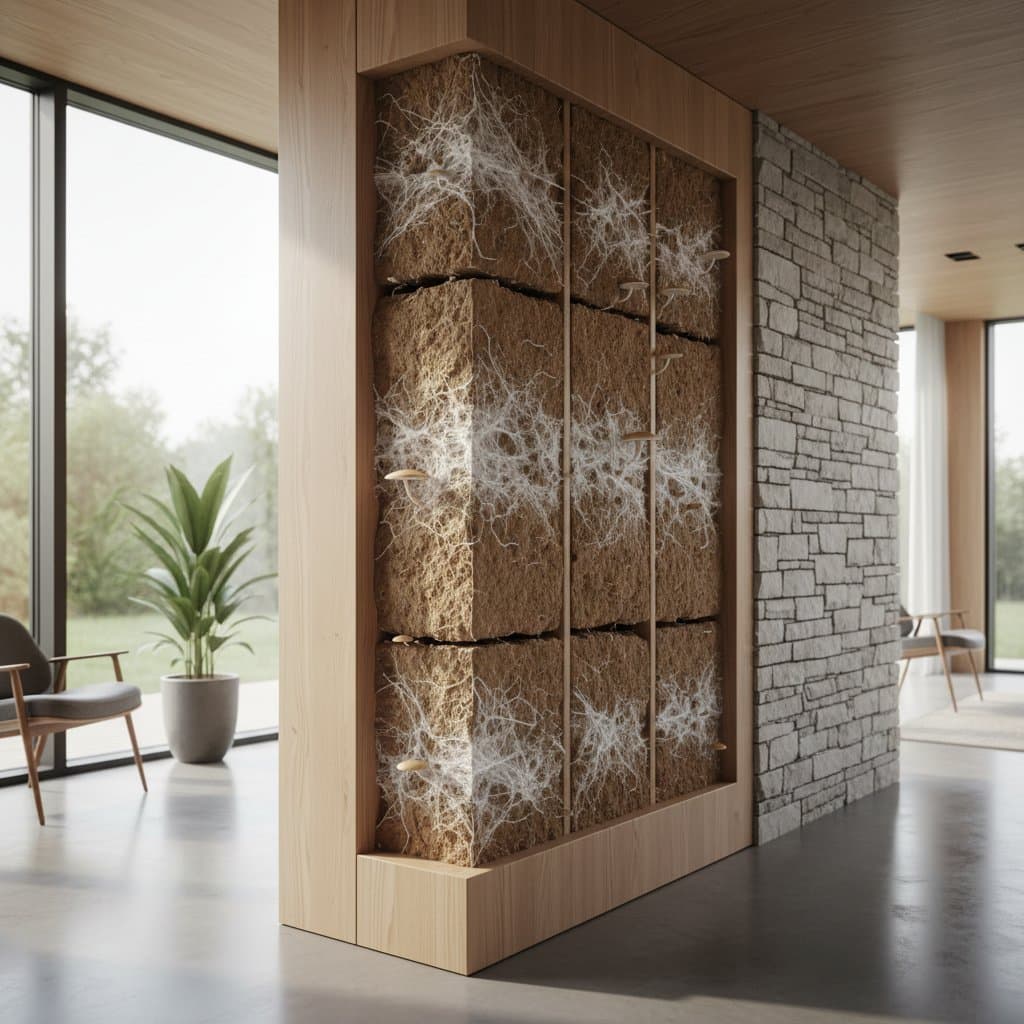
Imagine entering a home where the walls grew themselves. No synthetic foams or chemical off gassing appear here. Instead clean breathable insulation forms from the root structure of mushrooms. This approach represents a quiet shift in sustainable construction. Homeowners now seek materials that safeguard both comfort and the planet.
Why It Matters
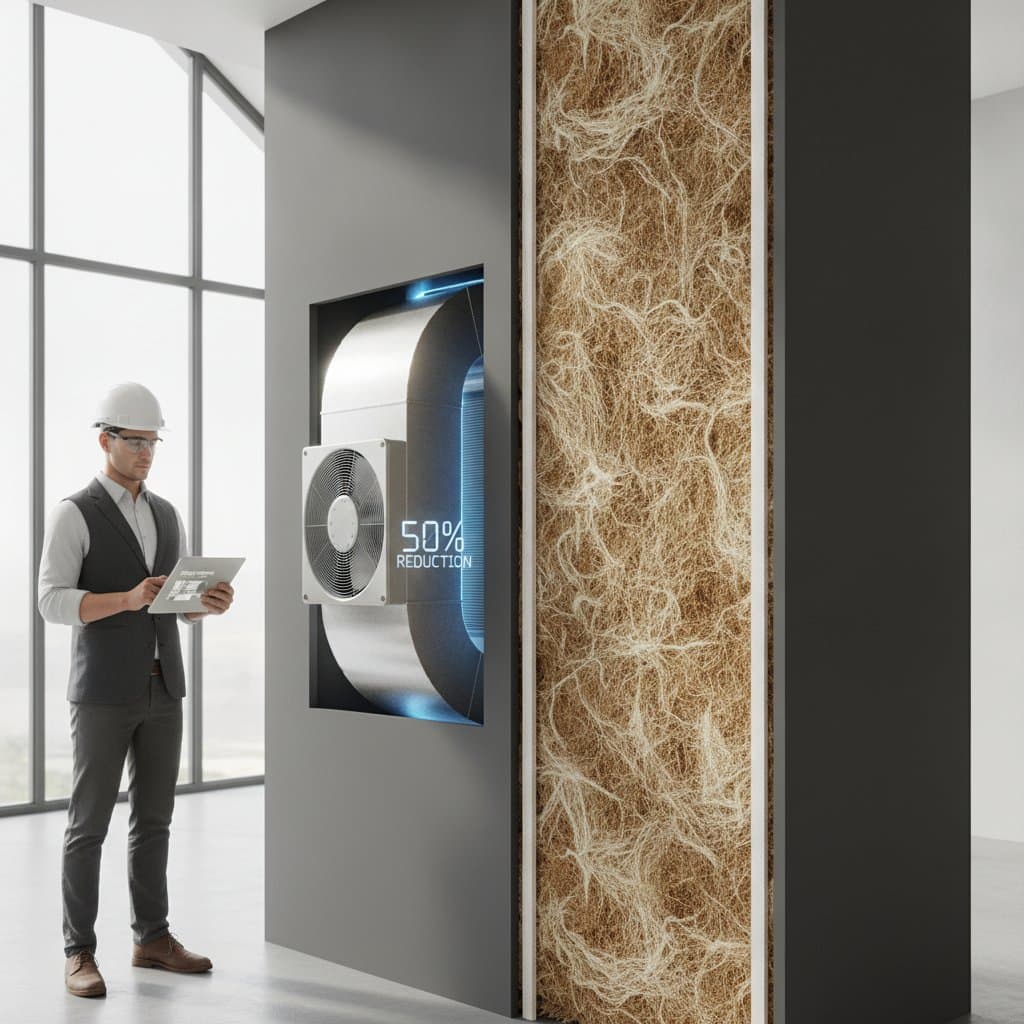
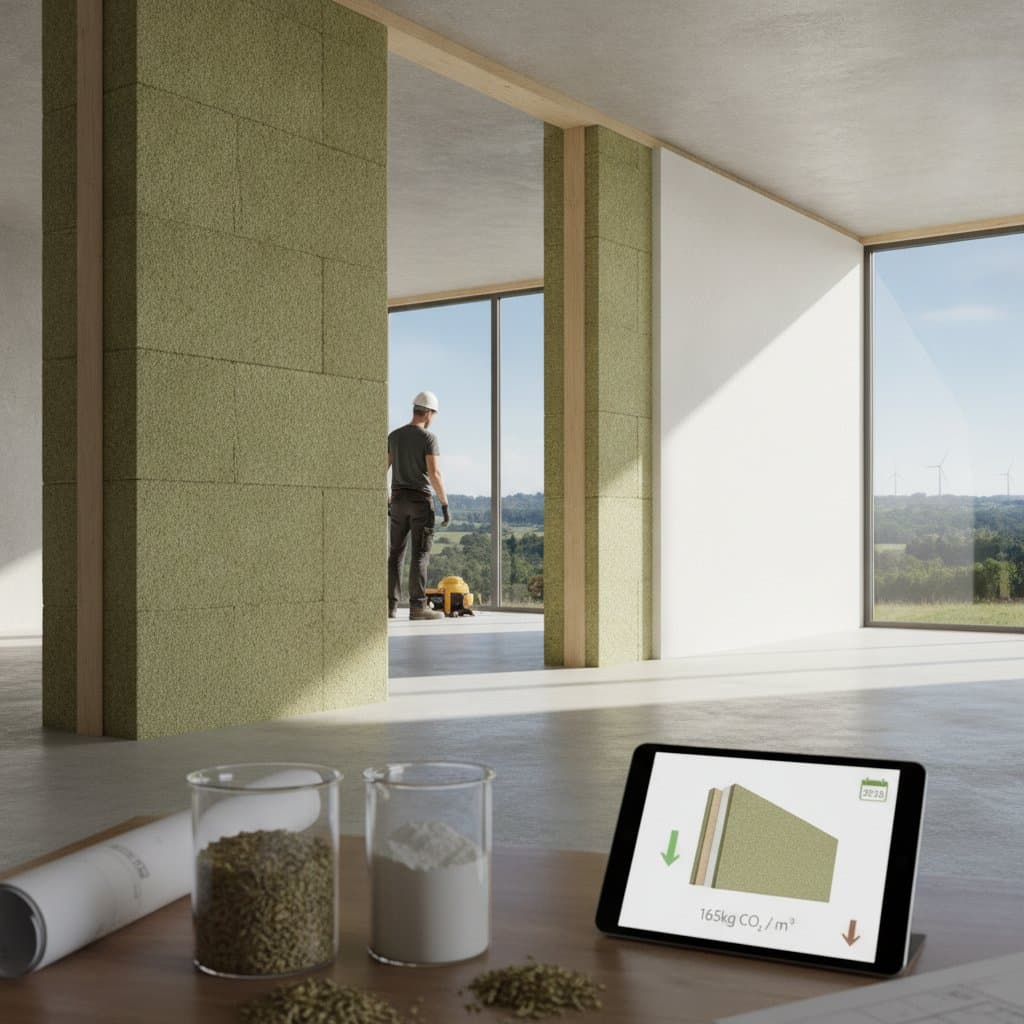
Traditional options such as fiberglass and polystyrene perform adequately yet carry environmental costs. These materials depend on petrochemicals and possess high embodied energy. They may also release microplastics or volatile compounds gradually. Mycelium insulation uses agricultural waste including corn husks or sawdust bound by fungal growth. The outcome is a lightweight durable and compostable product that retains heat effectively while maintaining a minimal carbon footprint.
Energy efficient insulation lowers heating and cooling expenses. Annual energy consumption often drops by 10 to 20 percent. Long term this efficiency yields measurable savings and supports higher resale value among eco conscious buyers.
Planning Considerations
Several performance factors guide the integration of mycelium insulation.
- Thermal Resistance (R Value): Typical values range from 3 to 4 per inch. This matches cellulose or fiberglass while avoiding health and disposal issues common with other products.
- Moisture Control: The material resists mold and regulates humidity through absorption and release. Seasonal climate variations benefit from this natural balance.
- Fire Safety: The dense structure chars instead of igniting and provides fire resistance rare among natural options.
- Durability: Proper sealing and dry conditions allow decades of service comparable to other natural fiber insulations.
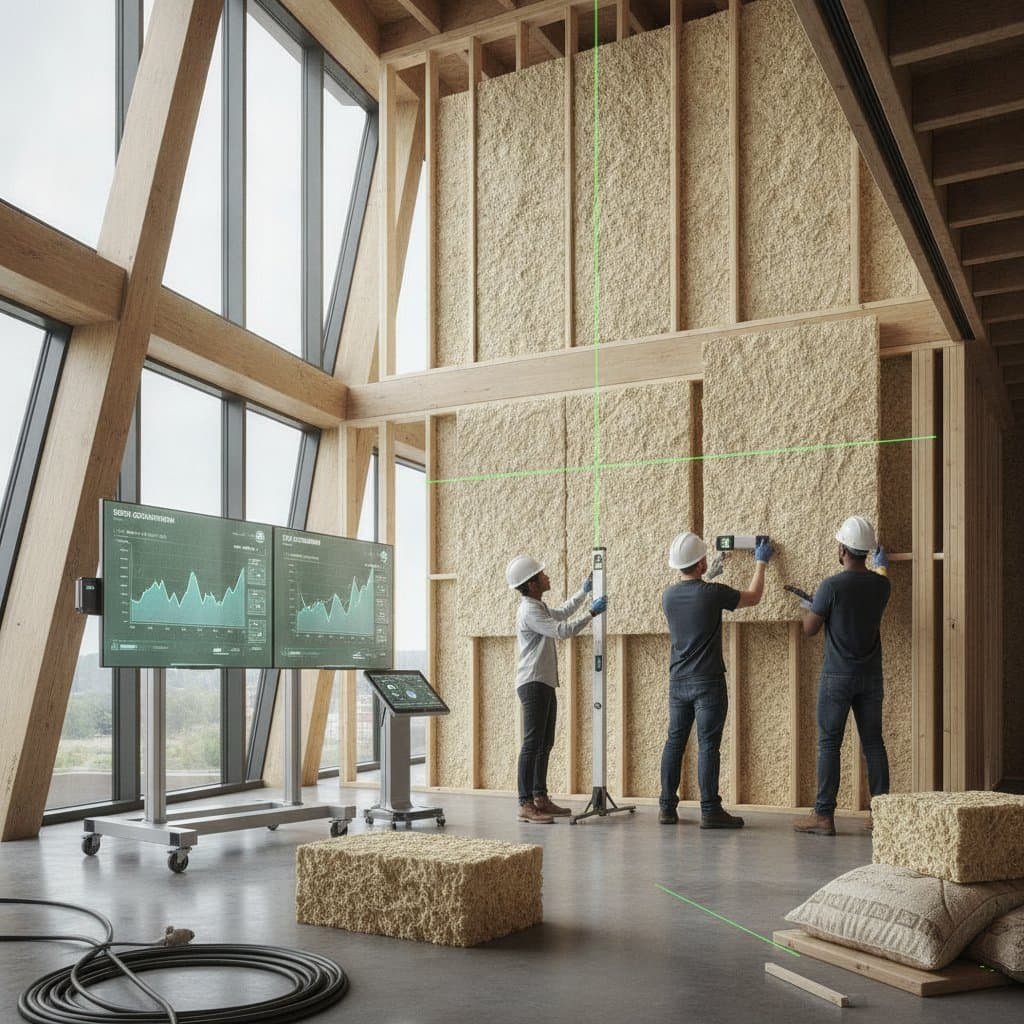
- Compatibility: The product fits timber framing and modular panels for both new builds and retrofits.
These attributes allow customization for local climates and project sizes.
Cost Breakdown and Return on Investment
Initial expenses may exceed those of fiberglass due to limited availability. Installed costs currently fall between 2.50 and 4.00 per square foot based on thickness and location. Regional production continues to reduce these figures.
Material costs sit slightly above fiberglass yet align with cellulose or sheep wool. Labor requirements match standard batt or board installation. Energy savings reach 10 to 25 percent annually. Payback typically occurs within 5 to 10 years through combined utility and maintenance reductions.
Compared with rigid foam boards mycelium insulation provides a cleaner lifecycle. Manufacturing emits far less carbon and requires no toxic binders. At the end of service the material composts fully. This approach lowers both environmental impact and total ownership costs.
Design and Layout Options
Mycelium insulation supports creative applications because it can be molded during growth.
- Custom panels match curved walls or unique ceiling forms.
- Hybrid systems pair mycelium with reclaimed wood or cork for combined thermal and acoustic benefits.
- Visible finishes allow partial exposure sealed with natural resins to highlight texture.
Insulation therefore contributes to the narrative of the home rather than remaining hidden.
Project Feasibility Factors
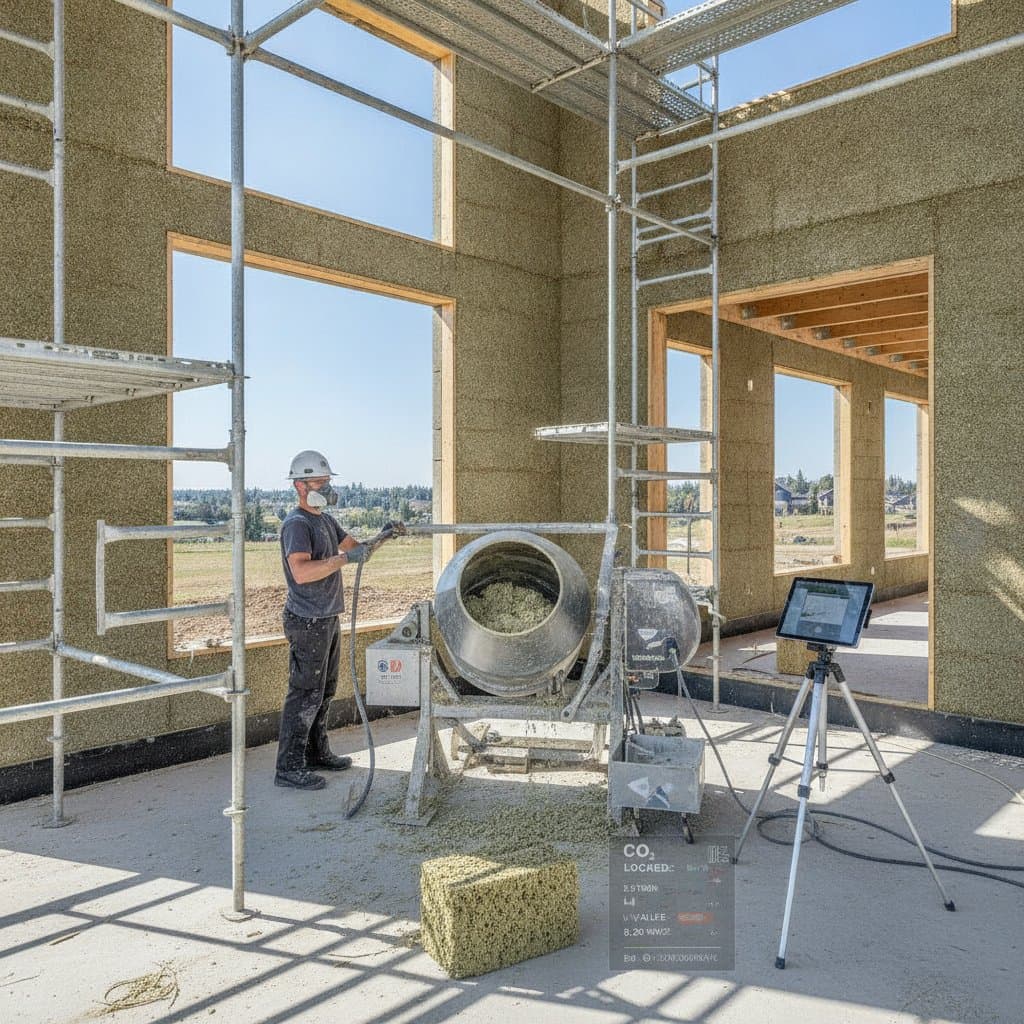
Climate suitability favors moderate regions though hybrid systems extend use to colder areas. Local production cuts both cost and emissions. Some builders explore on site growth using molds for direct panel formation. Building code compliance requires verification of certifications such as ASTM standards for flame spread and thermal performance. Once installed and protected from moisture the material needs minimal upkeep.
Sustainable Features and Efficiency Gains
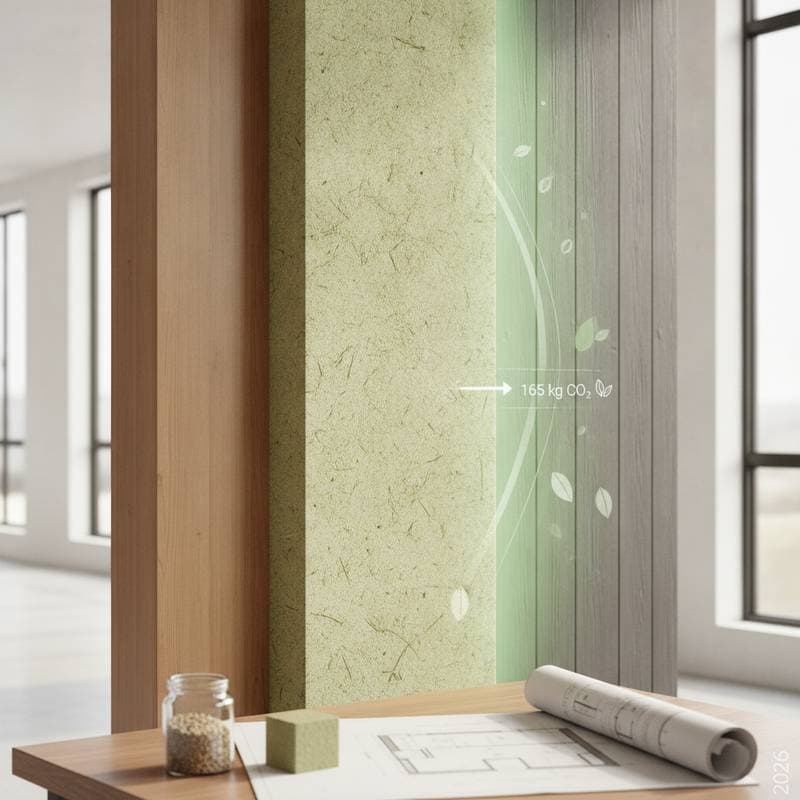
Production relies on biological growth rather than energy intensive processes. Carbon capture occurs during manufacturing. Breathability improves indoor air quality by limiting condensation and mold. Absence of formaldehyde supports healthier conditions. When combined with efficient windows and airtight construction the system reduces operational emissions over decades.
Frequently Asked Questions
Is mycelium insulation safe for people with allergies? Once dried and treated the fungal growth stops. It releases no spores or allergens and behaves like other organic insulation products.
Can it replace spray foam insulation? Performance excels in wall cavities and prefabricated panels. Irregular gaps still favor spray foam. A combination of both often produces strong results.
How long does it take to grow? Most batches reach maturity within several weeks under controlled conditions. This timeline proves faster than many natural fiber alternatives.
Does it attract pests? The growth process removes nutrients that insects or rodents seek. The resulting fibrous structure offers no appeal.
Is it recyclable or compostable? The material returns fully to soil or reprocesses into new panels at end of life.
Next Steps for Adoption
Homeowners evaluate local suppliers and verify code compliance first. Pilot projects in suitable climates demonstrate performance quickly. Long term benefits include lower energy use reduced environmental load and healthier living spaces.