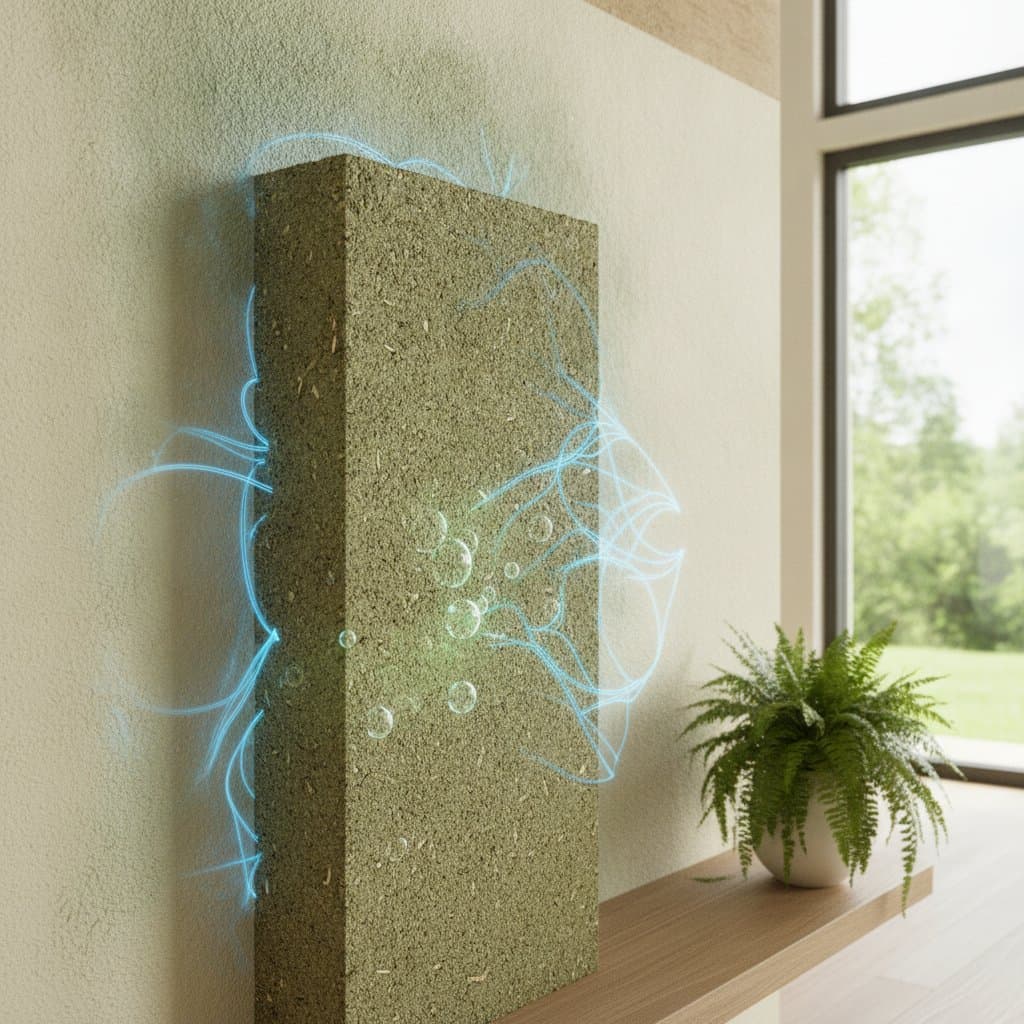
The Promise of Carbon-Absorbing Walls
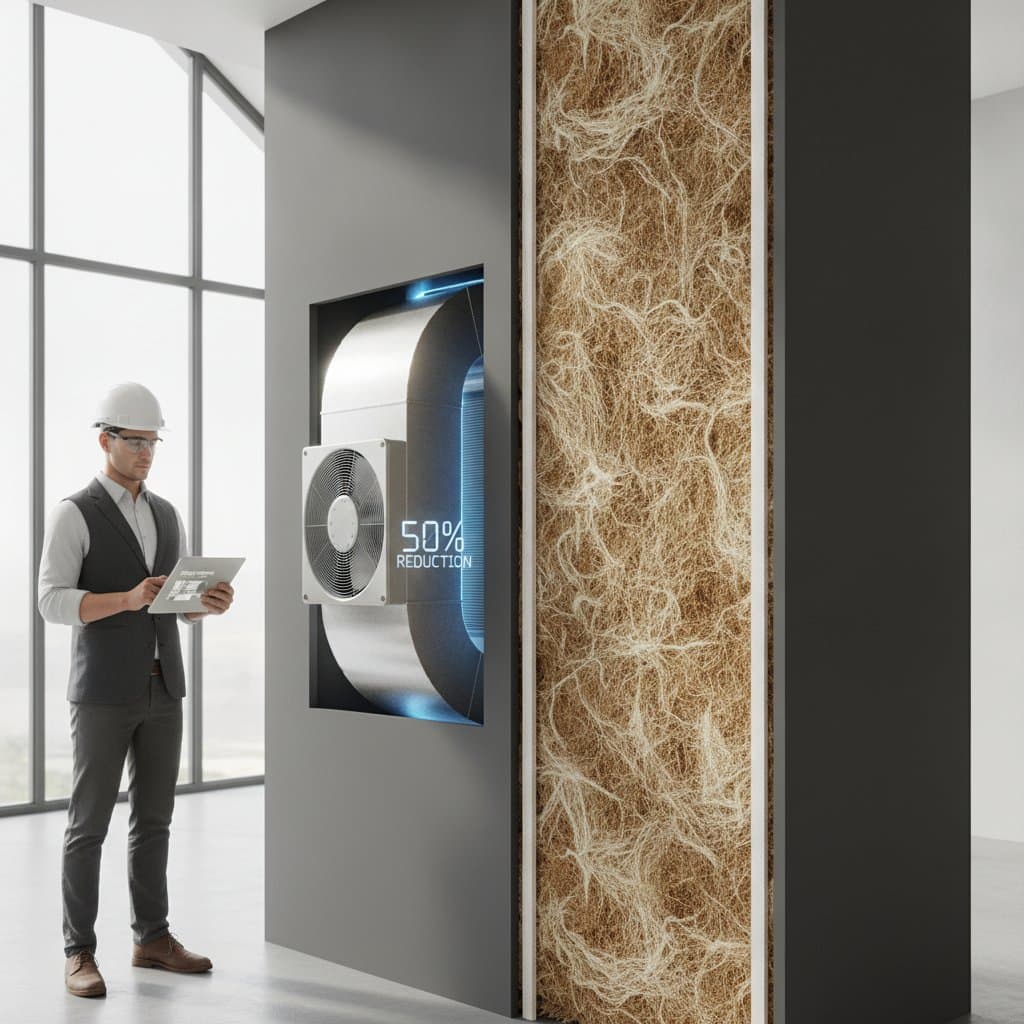
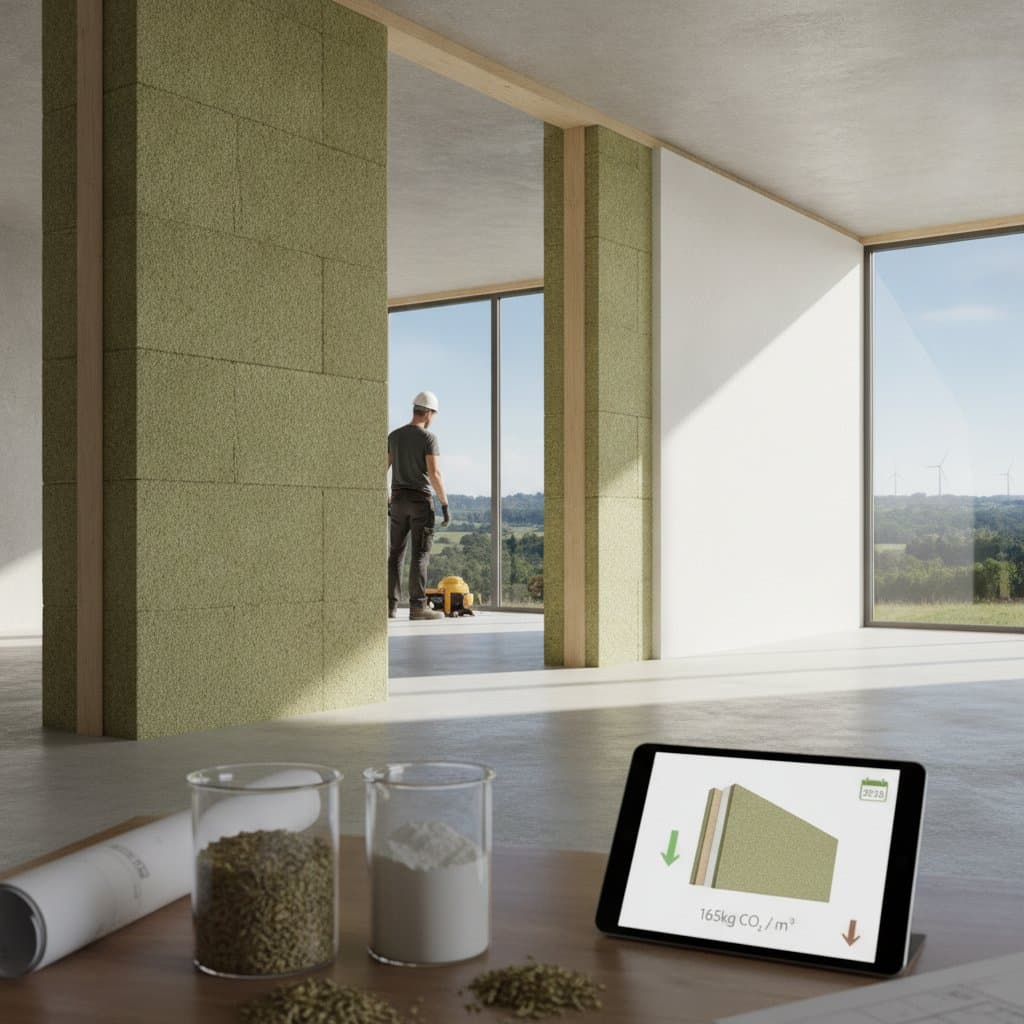
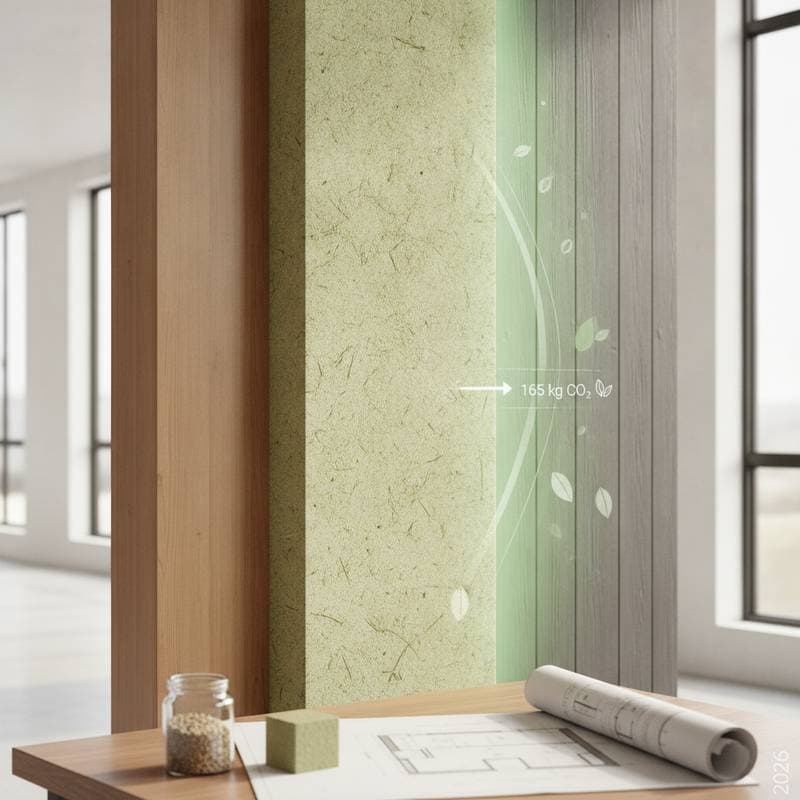
Hempcrete turns ordinary walls into active participants in carbon reduction. This plant-based material absorbs carbon dioxide during curing and continues the process throughout the life of the structure. Homeowners gain insulation that also improves air quality and humidity control.
Traditional insulation often relies on petrochemicals and energy-intensive manufacturing. Hempcrete reverses that pattern by converting an agricultural byproduct into a long-term carbon sink. The result supports both environmental goals and practical building performance.
Core Advantages for Home Performance
Hempcrete delivers several measurable benefits when installed correctly.
- It regulates indoor humidity through its vapor-permeable structure.
- The material reduces condensation risks and limits mold growth.
- Thermal mass stabilizes room temperatures across seasons.
- Natural resistance to fire and pests eliminates the need for chemical treatments.
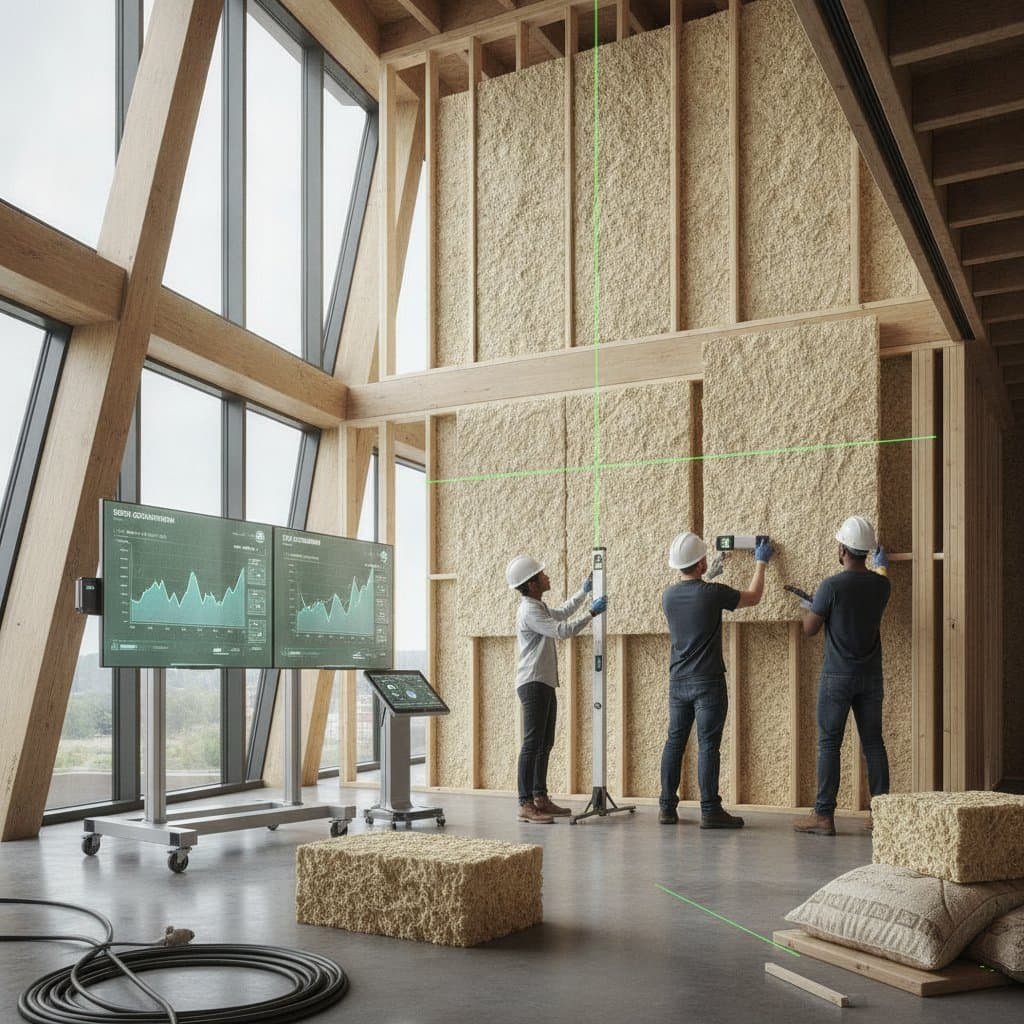
These properties work together because hempcrete functions as infill within a timber or light-steel frame. The assembly creates a durable envelope without carrying structural loads.
Planning and Installation Details
Successful projects begin with attention to wall thickness and climate requirements. Walls typically measure eight to sixteen inches thick. Thicker assemblies increase insulation value and thermal stability while demanding more material and floor space.
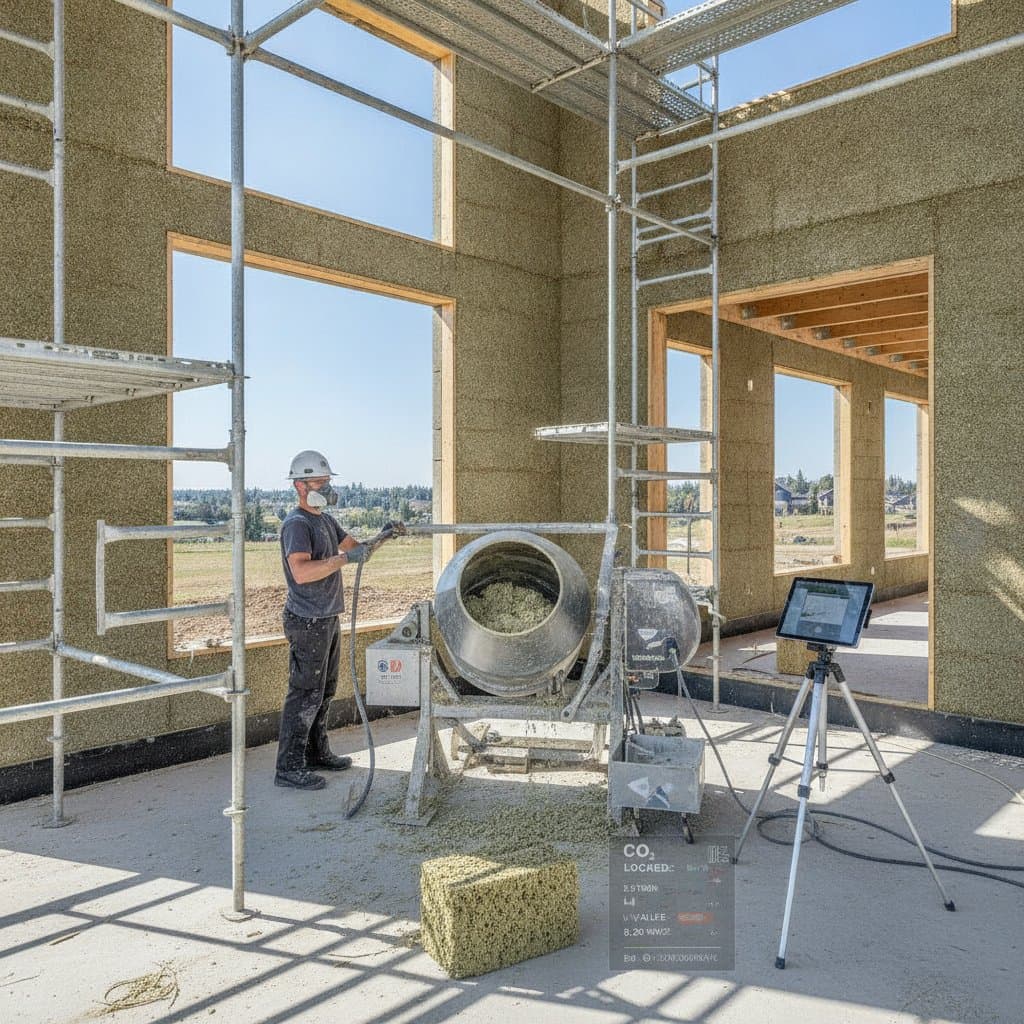
The mix combines hemp hurd, a lime-based binder, and water. The lime component carbonates slowly and locks away carbon dioxide. Builders can cast walls in place, spray the mixture, or use pre-cast blocks. Each method changes labor time, curing duration, and final precision.
Moisture management remains essential. Finishes must permit vapor movement. Non-breathable paints or sealants trap moisture and shorten service life.
Financial Considerations and Long-Term Value
Initial costs run 15 to 40 percent above conventional systems. Regional material availability and design complexity drive the exact figure. Energy savings of 20 to 40 percent on heating and cooling often offset the premium within a decade. Lower maintenance needs and extended material lifespan add further returns.
Buyers increasingly recognize eco-friendly construction as a premium feature. This perception supports stronger resale value. Carbon sequestration provides an additional environmental return that extends beyond monetary calculations.
Design Approaches and Retrofit Options
Hempcrete adapts to curved surfaces, beams, and irregular shapes during casting or spraying. Natural finishes such as lime plaster, wood cladding, or clay paint maintain visual cohesion in both modern and traditional homes.
Renovation projects benefit from internal application against existing masonry. The material preserves breathability in historic walls while raising comfort levels. New construction allows designers to optimize thickness, window placement, and thermal mass from the outset.
Daily Living and Ongoing Performance
Acoustic absorption creates quieter interiors, an advantage in dense neighborhoods. Fire resistance arises naturally from the lime and cellulose composition. Hemp cultivation supports soil health and requires few pesticides, lowering the overall lifecycle impact.
Properly detailed installations perform across varied climates when paired with breathable finishes. Regular exterior inspections maintain weather resistance and vapor permeability. The lime binder continues to gain strength and sequester carbon over decades.
Owners report stable indoor conditions and reduced mechanical system runtime. These outcomes reinforce the material choice for projects that prioritize both resilience and environmental responsibility.