Key Benefits of Mycelium and Hemp Materials
- Mycelium insulation and hempcrete provide durable renewable options that lower carbon emissions compared with concrete and steel.
- These materials deliver strong thermal regulation, natural moisture control, and improved indoor air quality.
- Initial expenses exceed those of conventional products, yet energy reductions and minimal upkeep create long term value.
- Bio based options align with circular construction goals that emphasize reuse and regeneration.
- Practical knowledge of performance limits and installation steps supports informed project decisions.
Environmental Pressures from Standard Materials
Conventional choices such as concrete and fiberglass require intensive energy during manufacture and release substantial carbon. They can also introduce compounds that degrade indoor air. Growing awareness of these effects has increased interest in alternatives grown from renewable sources.
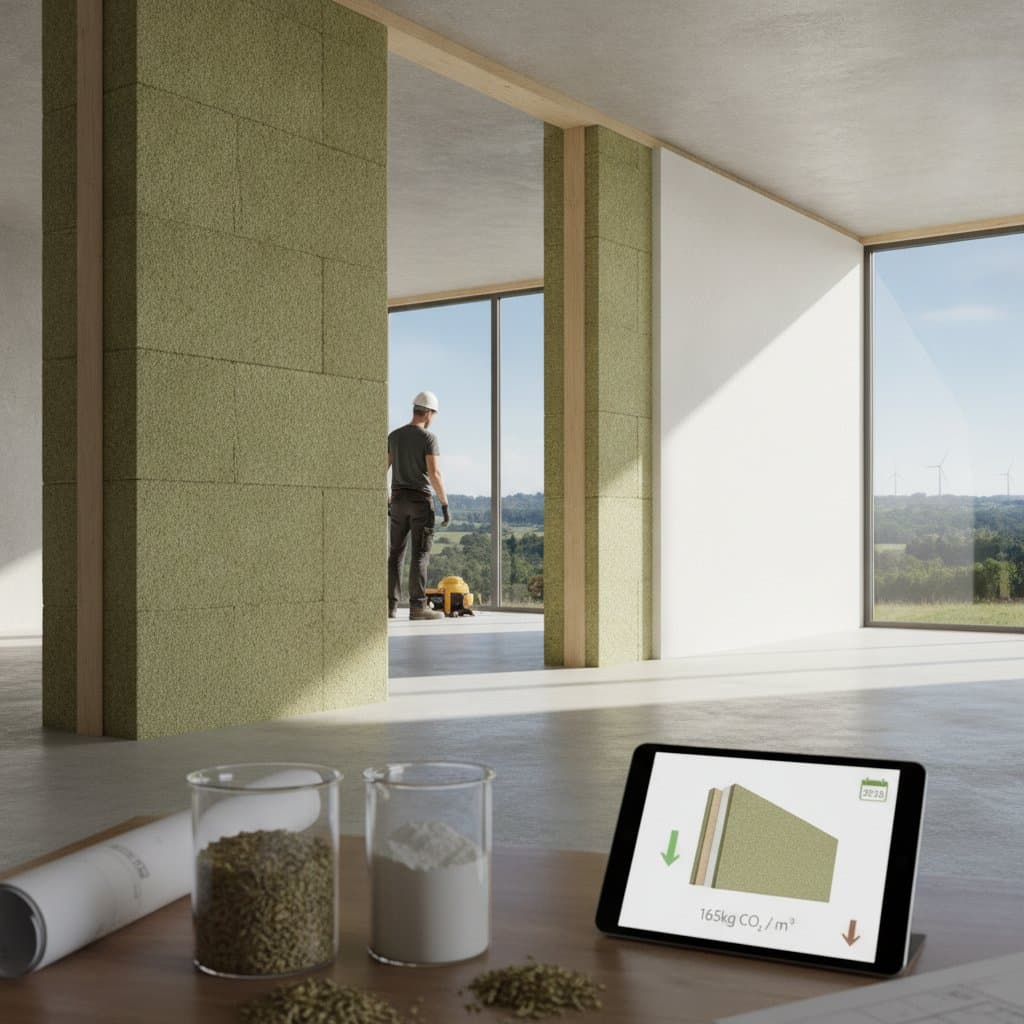
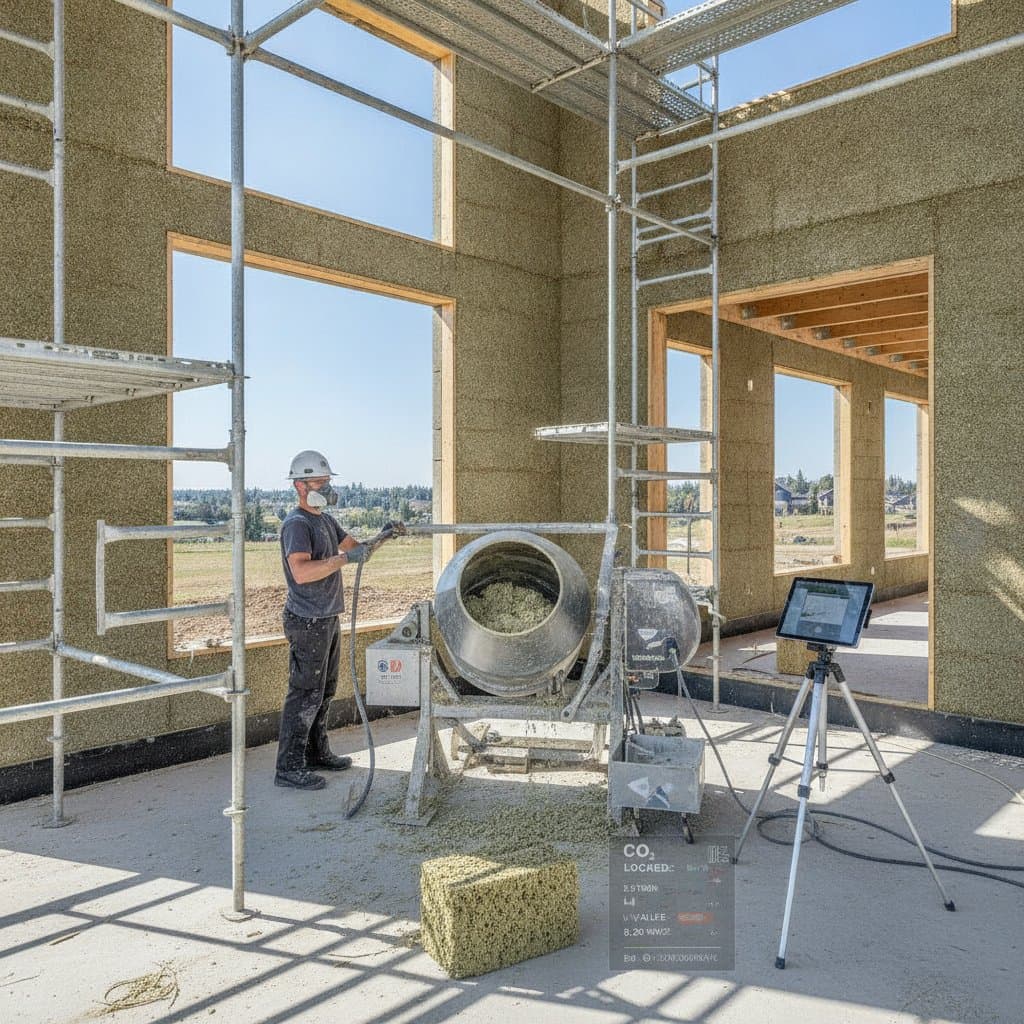
Mycelium and hempcrete stand out because both feedstocks capture carbon while growing. Production can occur near building sites, which cuts transport emissions. The resulting products maintain high thermal efficiency and resist degradation over decades.
Performance Advantages
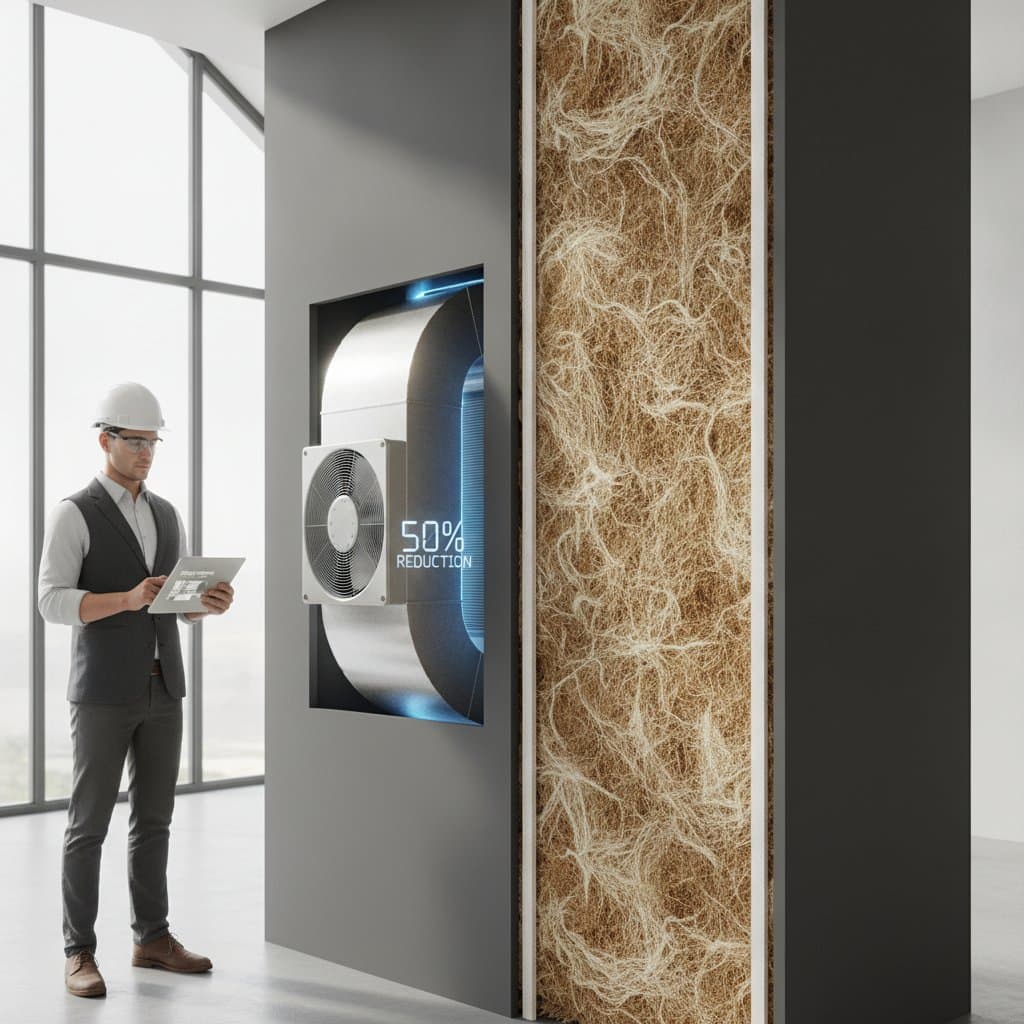
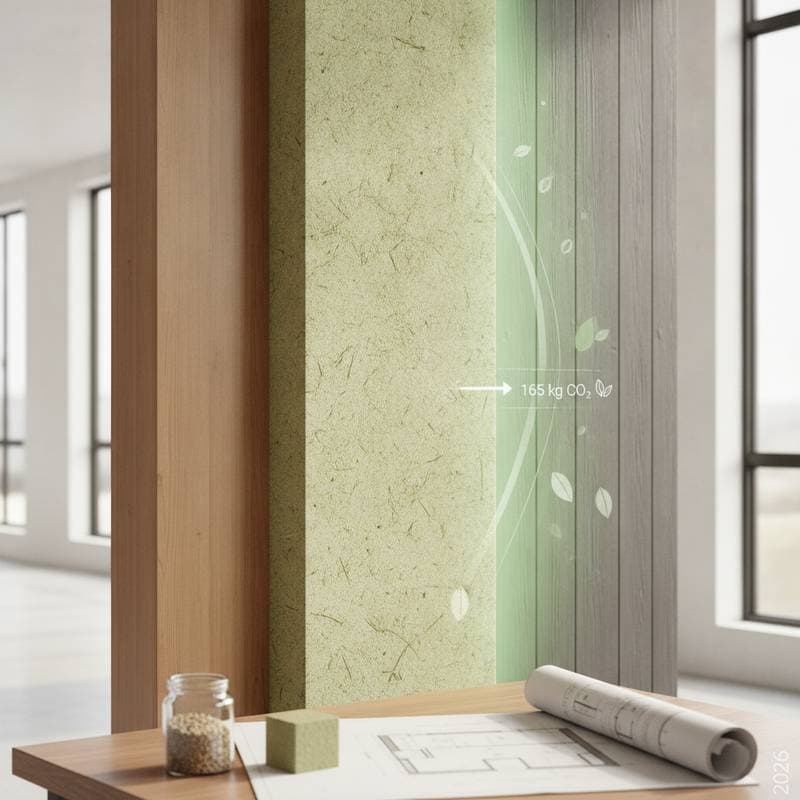
Mycelium and hemp lower embodied carbon because the source plants absorb carbon dioxide during growth. Thermal conductivity values for mycelium range from 0.03 to 0.05 watts per meter kelvin, matching many mineral wool products. Hempcrete adds thermal mass that moderates daily temperature swings and can reduce heating and cooling loads by 20 to 30 percent.
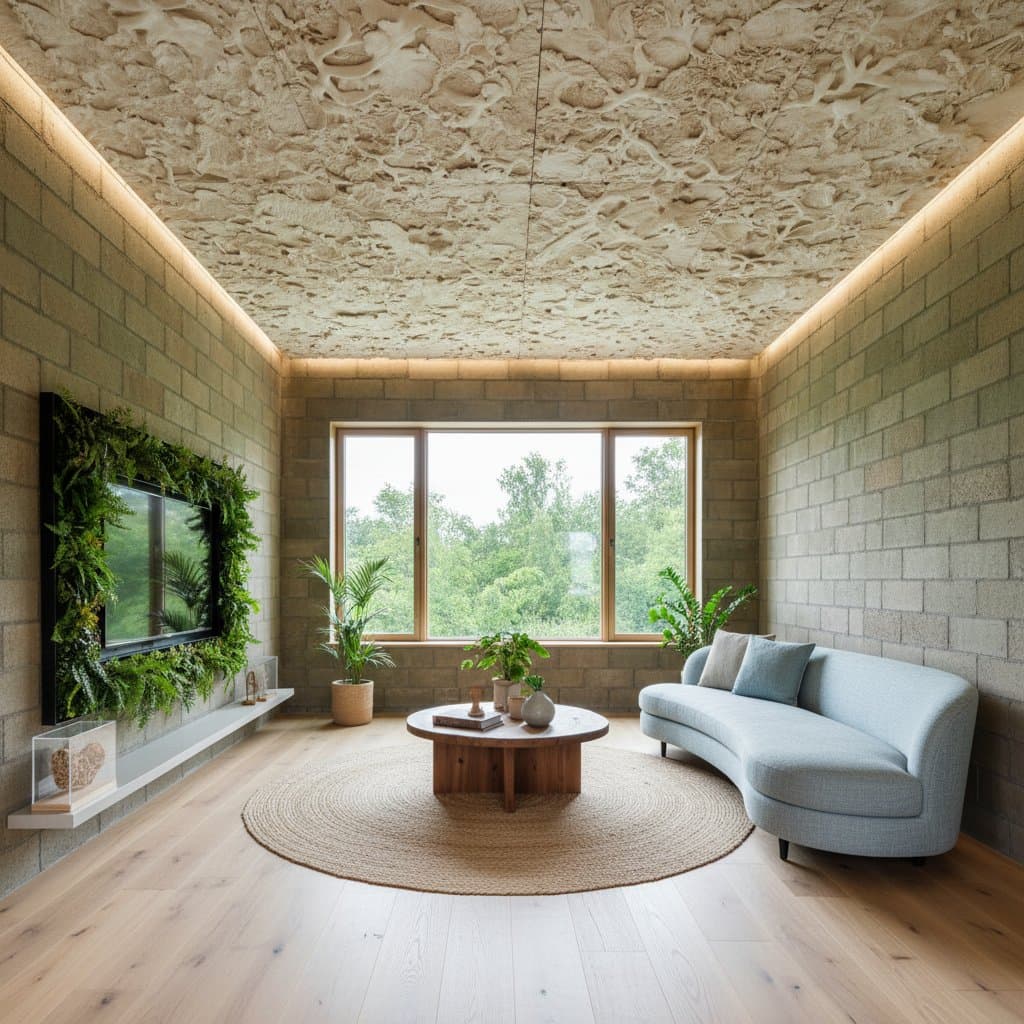
Both materials allow vapor to pass, which limits condensation and mold. When paired with lime plaster finishes they maintain steady humidity levels that support respiratory comfort. Fire tests show that lime within hempcrete and optional eco retardants on mycelium satisfy code requirements.
At the end of service life the materials can return to soil or re enter manufacturing streams, supporting closed loop building practices.
Cost Considerations and Payback
Mycelium panels typically cost 10 to 25 percent more than fiberglass per square foot. Hempcrete pricing varies with wall thickness and forming methods. Energy consumption often falls 20 to 40 percent, and maintenance needs decline because the materials resist pests and moisture damage naturally.
Lifecycle analyses covering 20 years indicate that total ownership costs become comparable to or lower than standard assemblies. Homeowners also note steadier indoor temperatures and fewer airborne irritants, benefits that extend beyond simple financial calculations.
Planning Steps for Successful Projects
Climate influences material thickness and detailing. Temperate and humid regions gain the most from vapor permeability, while colder zones require additional air sealing. Small test areas such as one wall or a roof section allow performance verification before larger commitments.
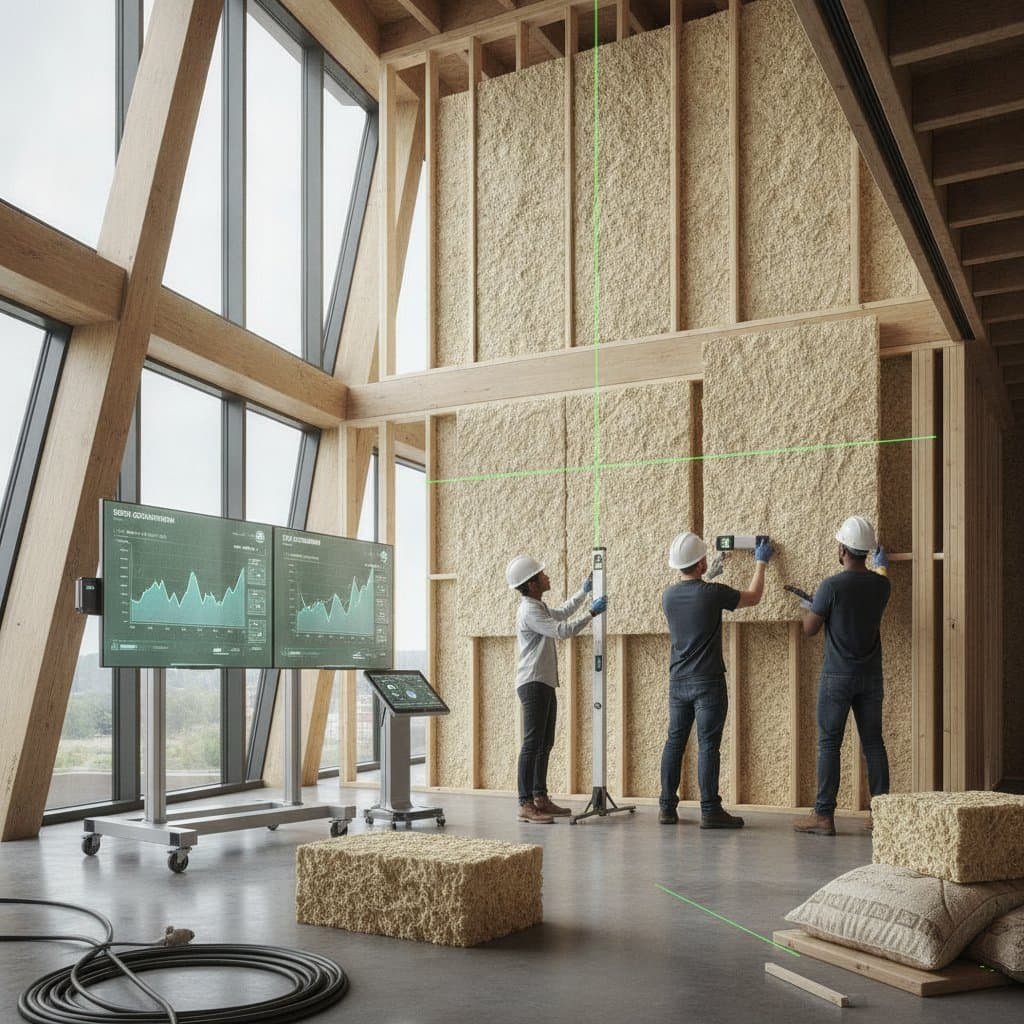
Qualified installers reduce errors and waste. Third party certifications for fire, structural capacity, and environmental metrics help secure permits and insurance. When combined with passive solar design and on site renewables, the materials further improve overall efficiency.
Installation and Maintenance Practices
Mycelium arrives as rigid panels that fit standard framing cavities. Hempcrete is cast or sprayed around a structural frame, usually timber. Both approaches need proper flashing to keep liquid water away while preserving breathability.
Routine care consists of visual inspections and prompt repair of exterior cladding. No chemical treatments or specialized cleaning routines are required under normal conditions.
Retrofit Opportunities
Existing buildings can accept mycelium panels in walls, ceilings, or floors. Hempcrete can be added as interior insulation or an exterior layer when structural ties and weather barriers are detailed correctly. These upgrades improve comfort without full demolition.
Outlook for Wider Adoption
Scaling production and training more crews will moderate prices. As codes recognize bio based performance data, permitting becomes more straightforward. Homeowners who begin with modest applications gain experience that supports larger future projects.
The result is housing that regulates itself, returns safely to the environment, and maintains value across decades.