Hempcrete Walls Resist Fire for Hours
Key Benefits at a Glance
- Hempcrete combines hemp hurd, lime, and water to deliver fire resistance that lasts for hours without structural failure.
- The material offers strong thermal performance, breathability, and carbon-negative properties.
- Homeowners gain lower energy costs, better indoor air quality, and compliance with green building standards.
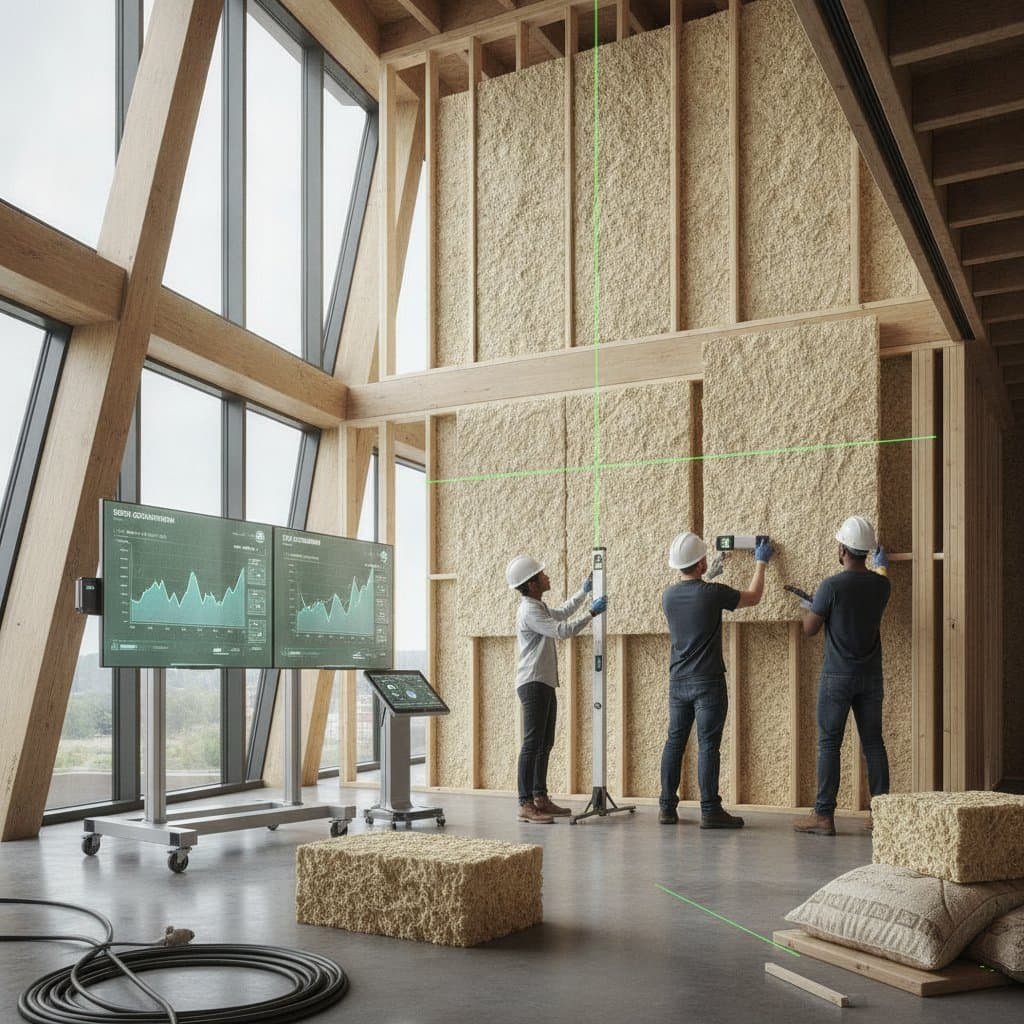
- Builders value straightforward installation methods that work with standard wood or steel frames.
A Practical Choice for Modern Homes
Homeowners often seek insulation that balances safety, comfort, and environmental goals. Traditional options such as fiberglass or foam can ignite quickly or release fumes. Hempcrete provides a natural alternative that addresses these concerns directly. Its composition creates walls that stay cool in summer, reduce noise, and avoid toxic emissions during heat exposure.
Rising wildfire risks and updated energy codes have increased interest in this material. It meets the need for resilience while supporting sustainability targets.
Fire Performance in Real Conditions
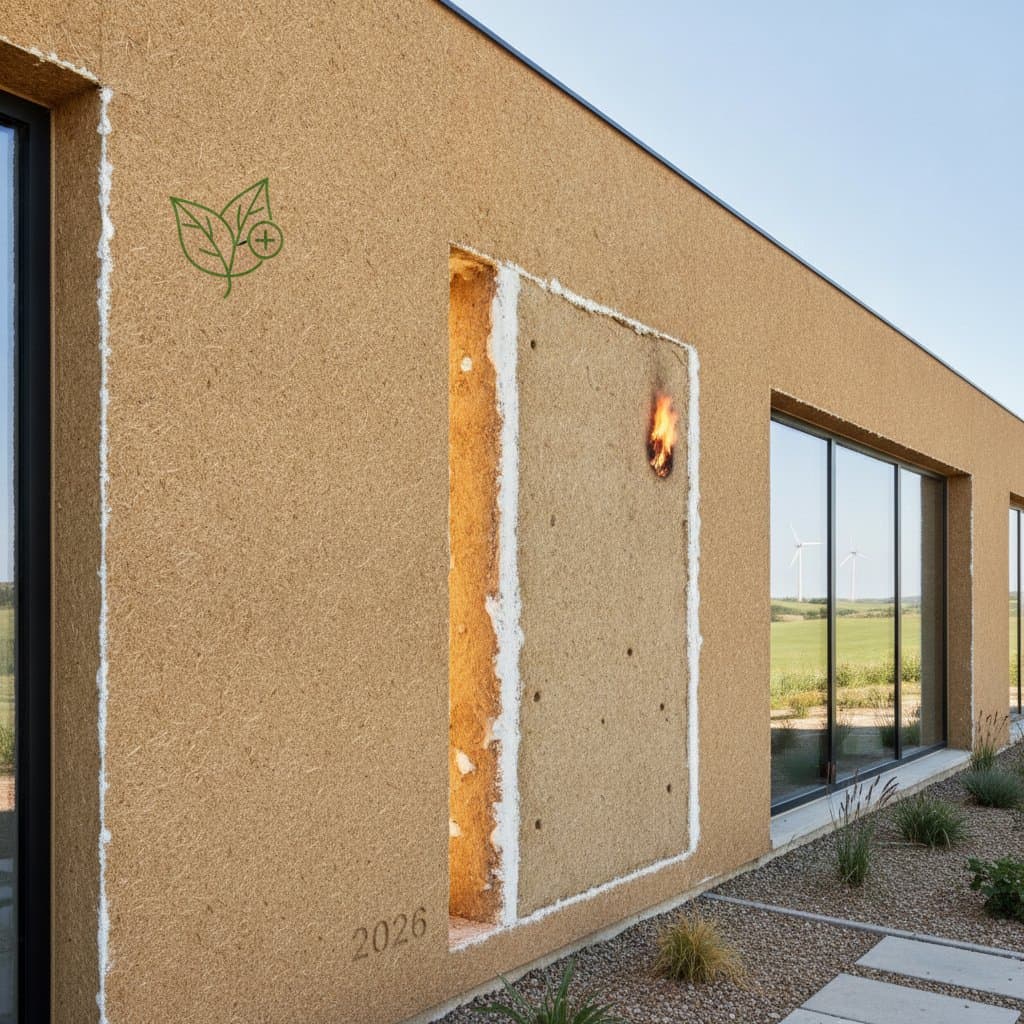
Walls built with hempcrete resist ignition because the lime binder forms a protective mineral layer. The hemp fibers char slowly and produce minimal smoke. Tests confirm that properly installed hempcrete walls maintain integrity for up to two hours under direct flame. This performance exceeds many synthetic insulations that soften or emit gases at lower temperatures.
How the Material Achieves Fire Resistance
Three components work together during mixing and curing.
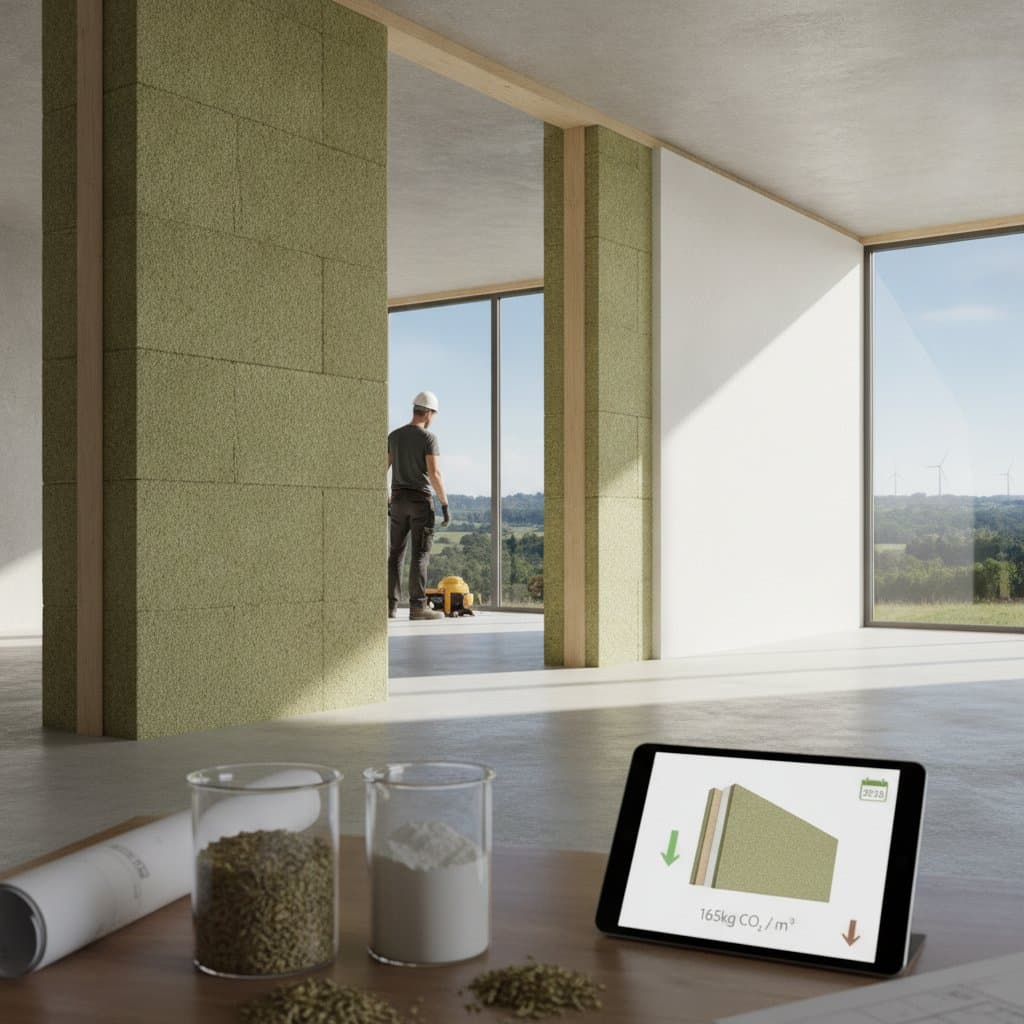
- Hemp hurd supplies the fibrous structure and initial insulation value.
- Lime binder mineralizes the mixture, creating heat resistance as it hardens.
- Water activates the binder so the wall cures into a stable, porous mass.
The finished wall allows moisture vapor to pass through, which prevents mold growth. It stores heat and releases it gradually, stabilizing indoor temperatures without mechanical systems running constantly.
Energy Savings and Carbon Storage
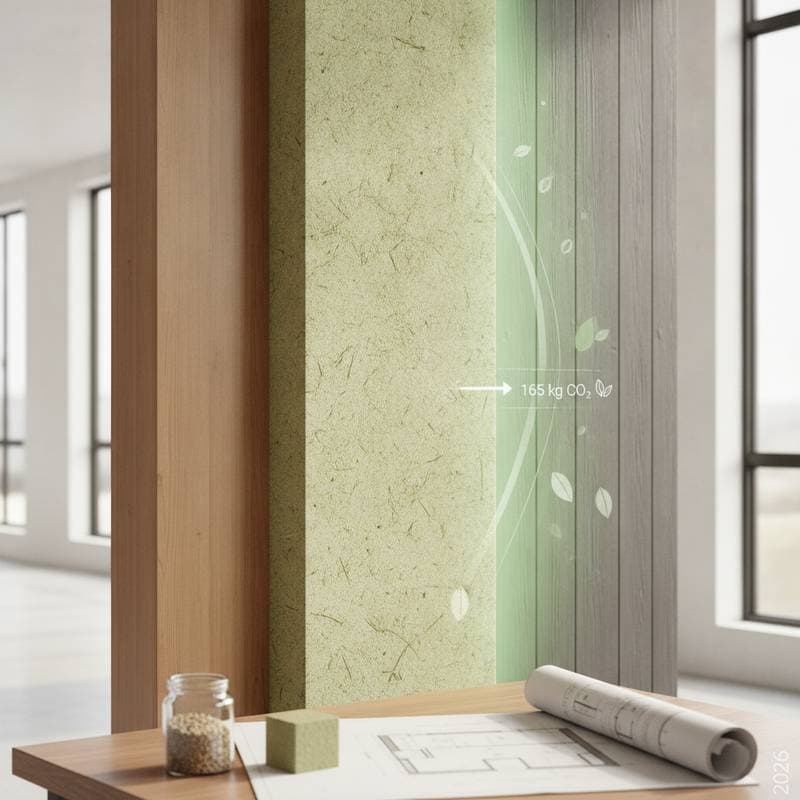
Hempcrete delivers steady comfort through thermal mass rather than high R-value alone. Daily temperature swings are moderated naturally. In addition, the hemp absorbs carbon dioxide while growing, and the lime continues to sequester carbon as it cures. One cubic meter can store roughly 100 kilograms of carbon dioxide.
Installation Process for New or Existing Walls
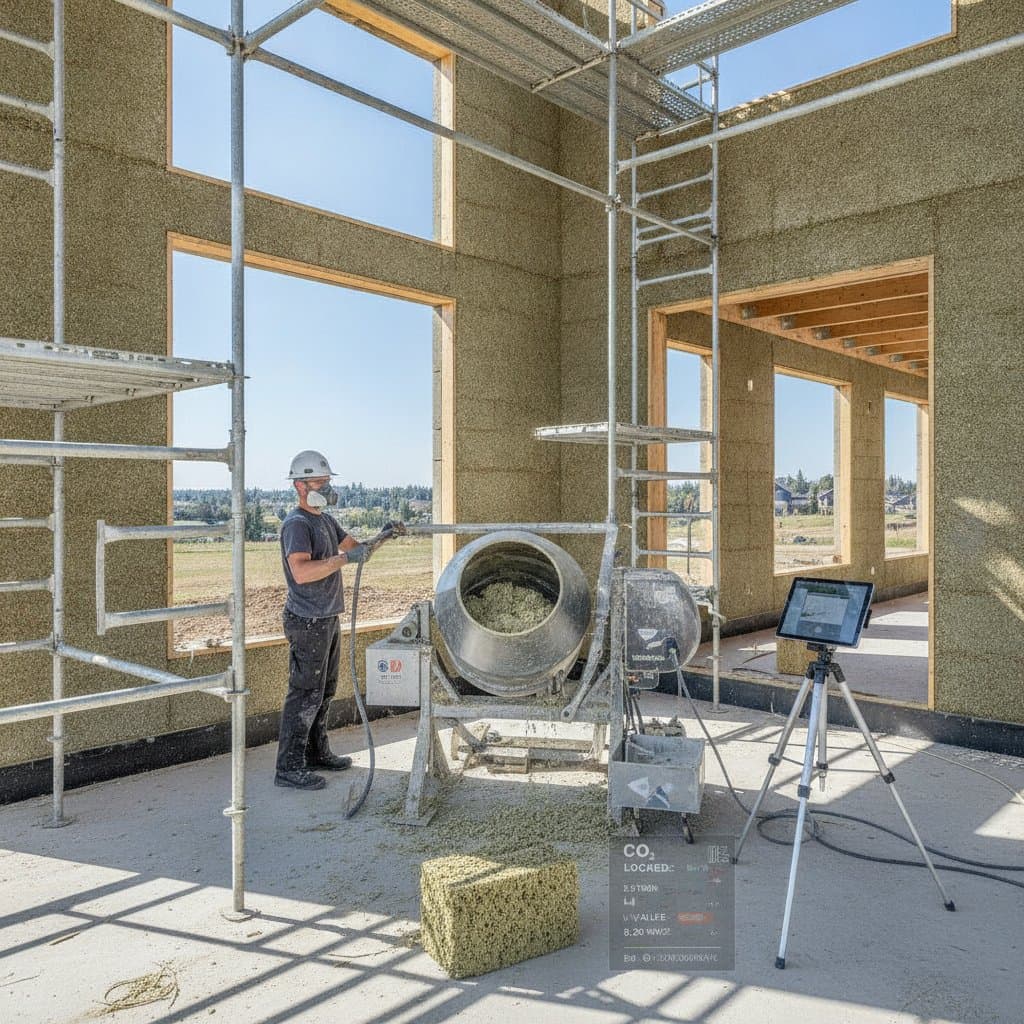
Builders follow a clear sequence that requires basic tools and formwork.
- Set forms around the structural frame.
- Mix hemp hurd, lime, and water to a workable consistency.
- Tamp the mixture into place.
- Allow four to six weeks for curing with adequate airflow.
- Apply lime plaster or vapor-permeable paint as the finish.
The method suits both new construction and retrofits inside existing studs when load capacity is verified.
Cost and Long-Term Value
Installed costs range from 12 to 20 dollars per square foot. Energy reductions of 20 to 30 percent often offset the initial investment over time. Many regions offer incentives for materials that meet green certification programs. Insurance providers in high-risk areas may also adjust premiums based on documented fire performance.
Next Steps for Your Project
Schedule an energy audit to locate the highest-impact areas. Consult contractors experienced with lime-based systems to confirm code compliance and curing requirements. Review local demonstration projects to observe finished results before committing to a full installation.