The Challenge of Building Responsibly
Homeowners confront a core dilemma during construction or renovation: how to create comfortable, efficient, and enduring spaces without environmental damage. Conventional materials such as concrete and fiberglass insulation have endured for generations, but their manufacture generates substantial global emissions. With rising focus on embodied carbon and overall lifecycle impacts, demand for superior alternatives accelerates.
Hempcrete, a bio-based mixture of hemp plant's inner core, lime, and water, presents a robust option. This material transcends fleeting fads or limited applications. It signals a profound evolution in carbon-capturing building practices that could redefine residential design and market value.
Hempcrete's Composition and Role
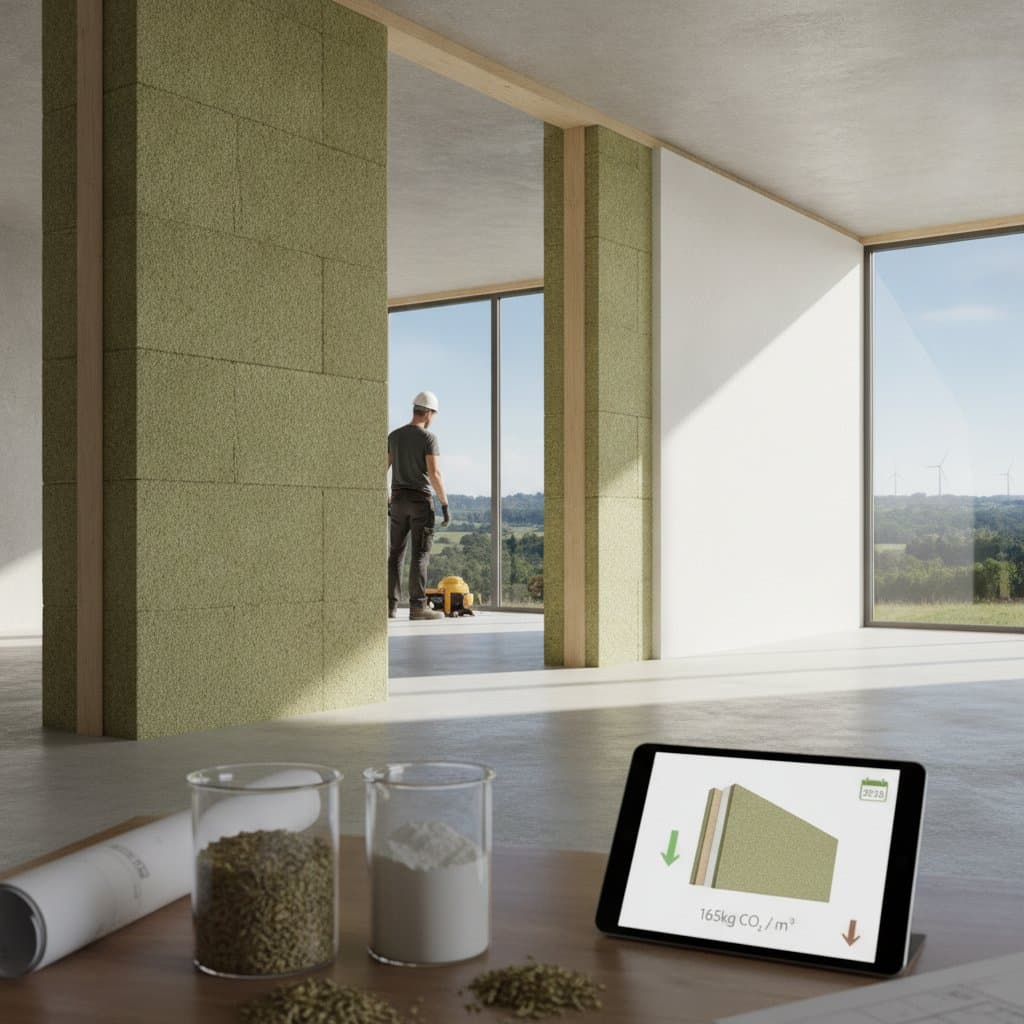
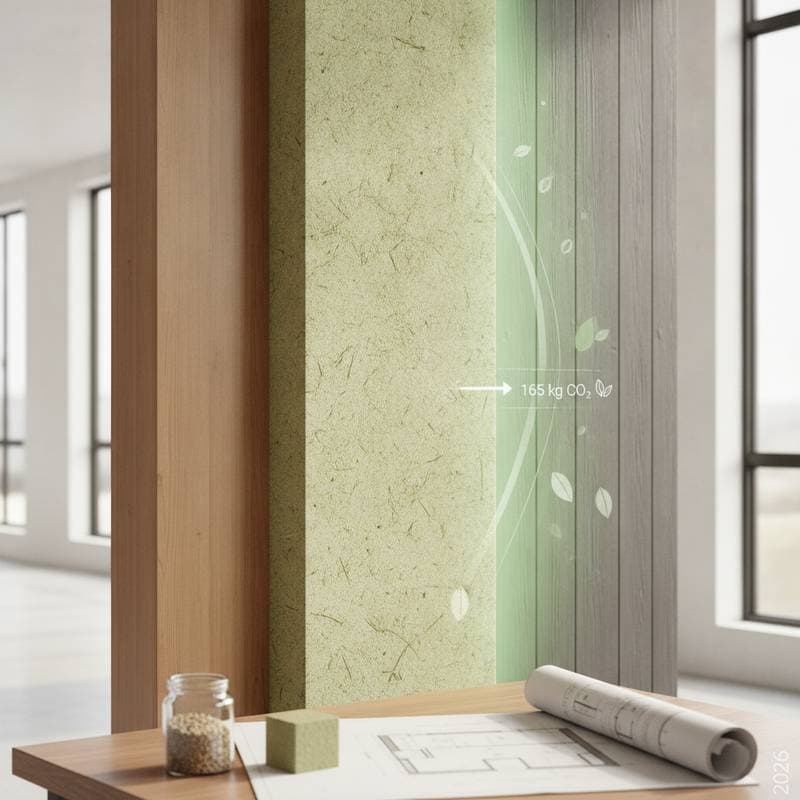
Hempcrete blends natural elements with intentional engineering. The hurd from hemp stalks mixes with a lime binder to form a lightweight, porous substance. Once placed in walls, floors, or roofs, it hardens into a durable form that ongoingly captures carbon dioxide through lime's curing process. This mechanism embeds atmospheric carbon directly into the building's framework.
In contrast to cement, which emits carbon at production, lime binders recapture it progressively. The outcome yields a wall assembly that evades emissions and sequesters them actively. One cubic meter of hempcrete captures carbon equivalent to that stored by a modest tree across its service life. For those pursuing substantial ecological contributions, this approach delivers concrete climate benefits.
Financial Advantages of Hempcrete
Sustainability engages ideals, but economics guides building choices. Hempcrete yields quantifiable gains across multiple dimensions:
-
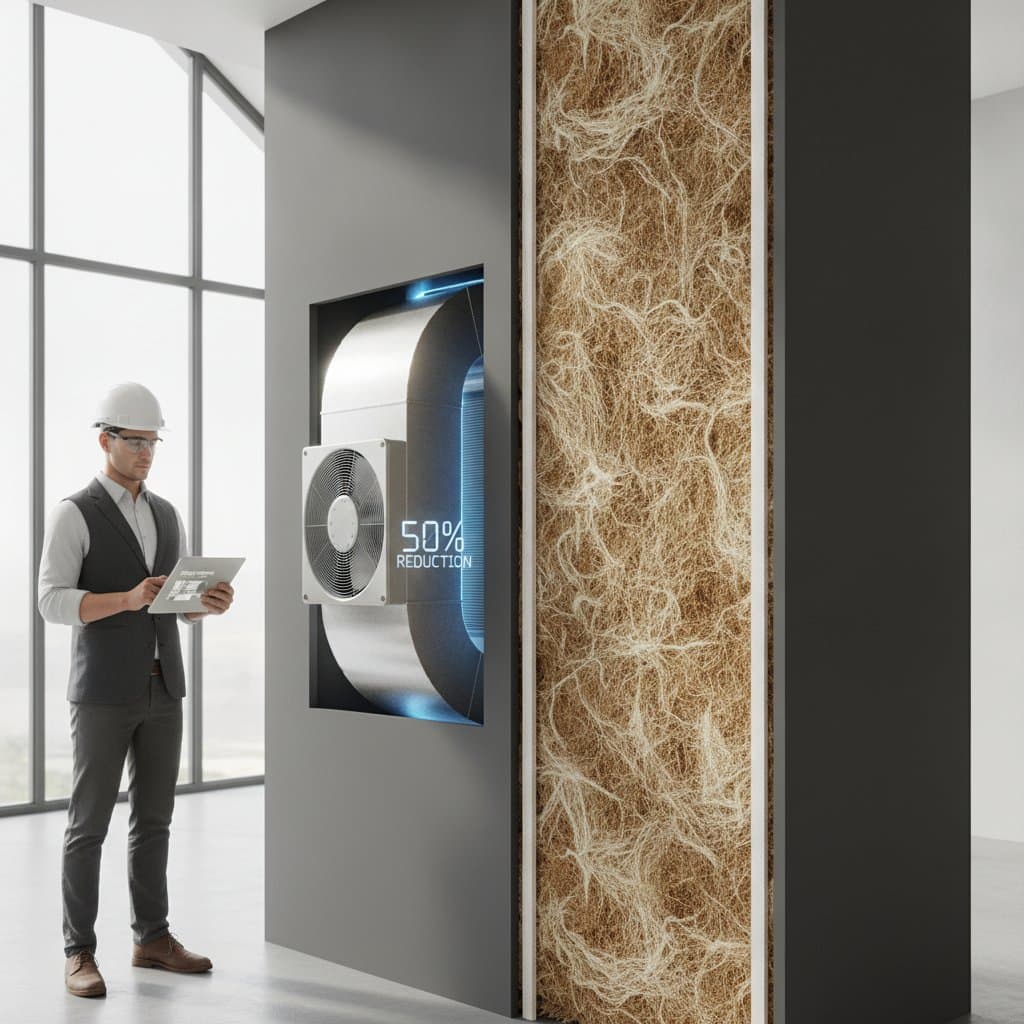
Energy Savings: Its thermal resistance matches advanced insulation setups. Through insulation and thermal mass, it stabilizes temperatures, lowering heating and cooling needs by 30 to 50 percent based on regional conditions.
-
Longevity and Upkeep: Hempcrete wards off mold, insects, and flames naturally, without added chemicals. Breathable properties avoid moisture buildup, minimizing repairs over time.
-
Wellness and Livability: It sustains consistent humidity and avoids emissions from artificial insulators, fostering an indoor setting that aids breathing and overall ease.
-
Market Appeal: Properties boasting documented green features draw premium buyers. Experts in real estate now value sustainable builds as desirable assets, with hempcrete offering aesthetic and moral distinction.
Initial square-foot expenses exceed standard framed walls by 10 to 20 percent. Lifecycle evaluations indicate payback through reduced energy and maintenance within 10 years, followed by sustained gains.
Incorporating Hempcrete in Construction
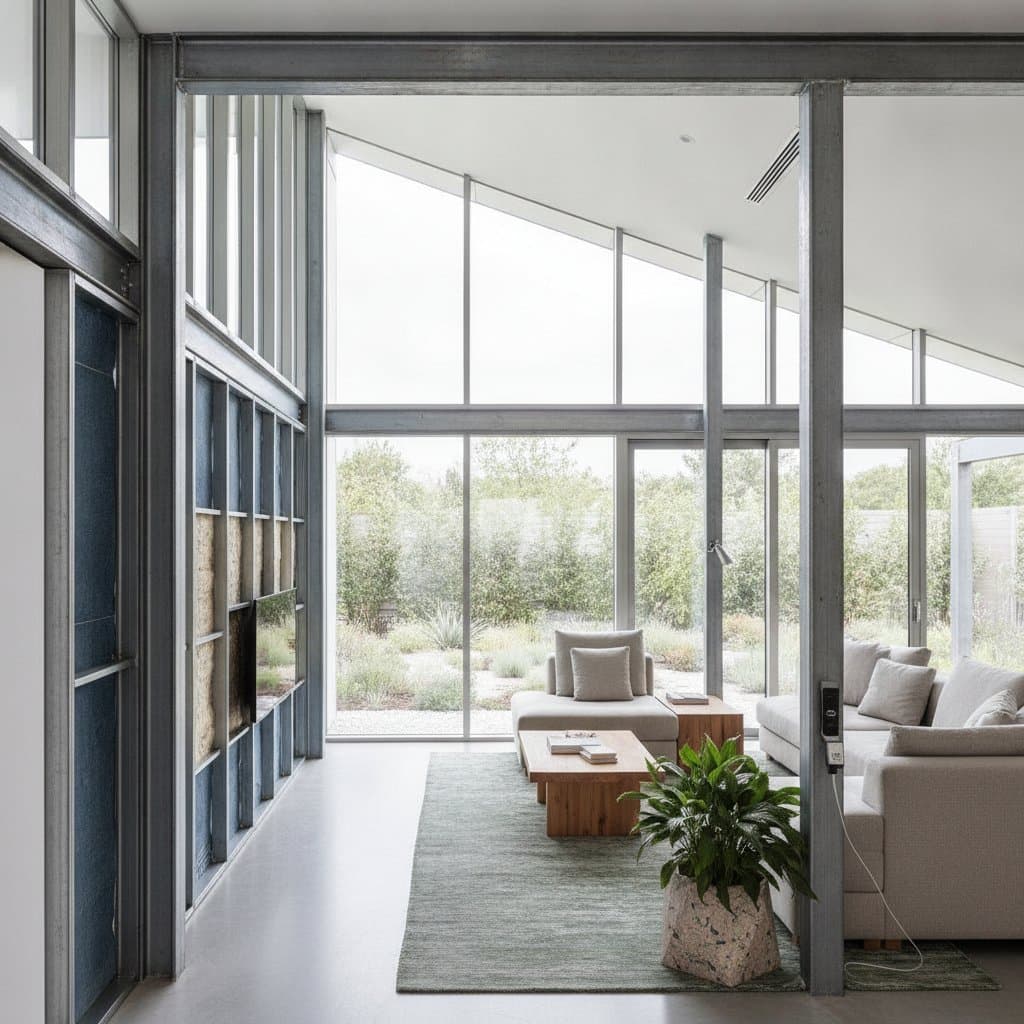
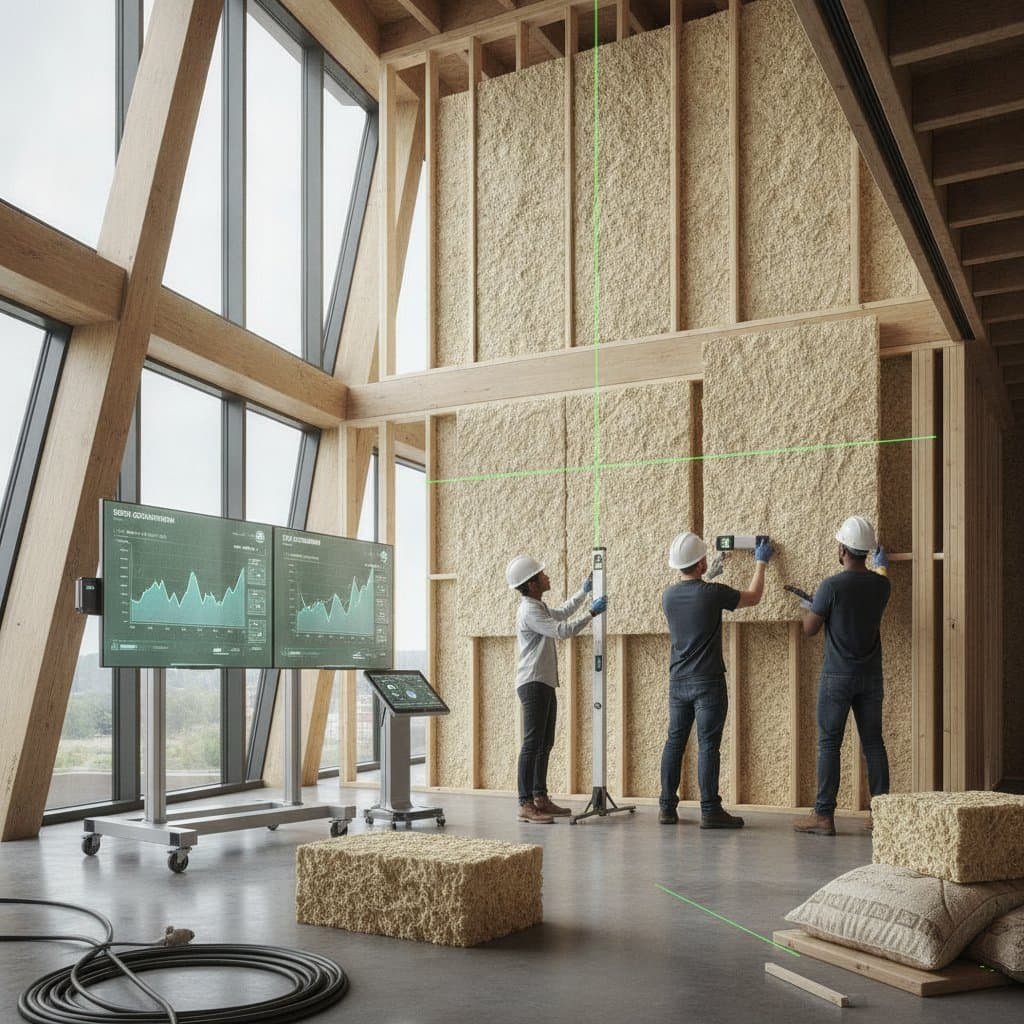
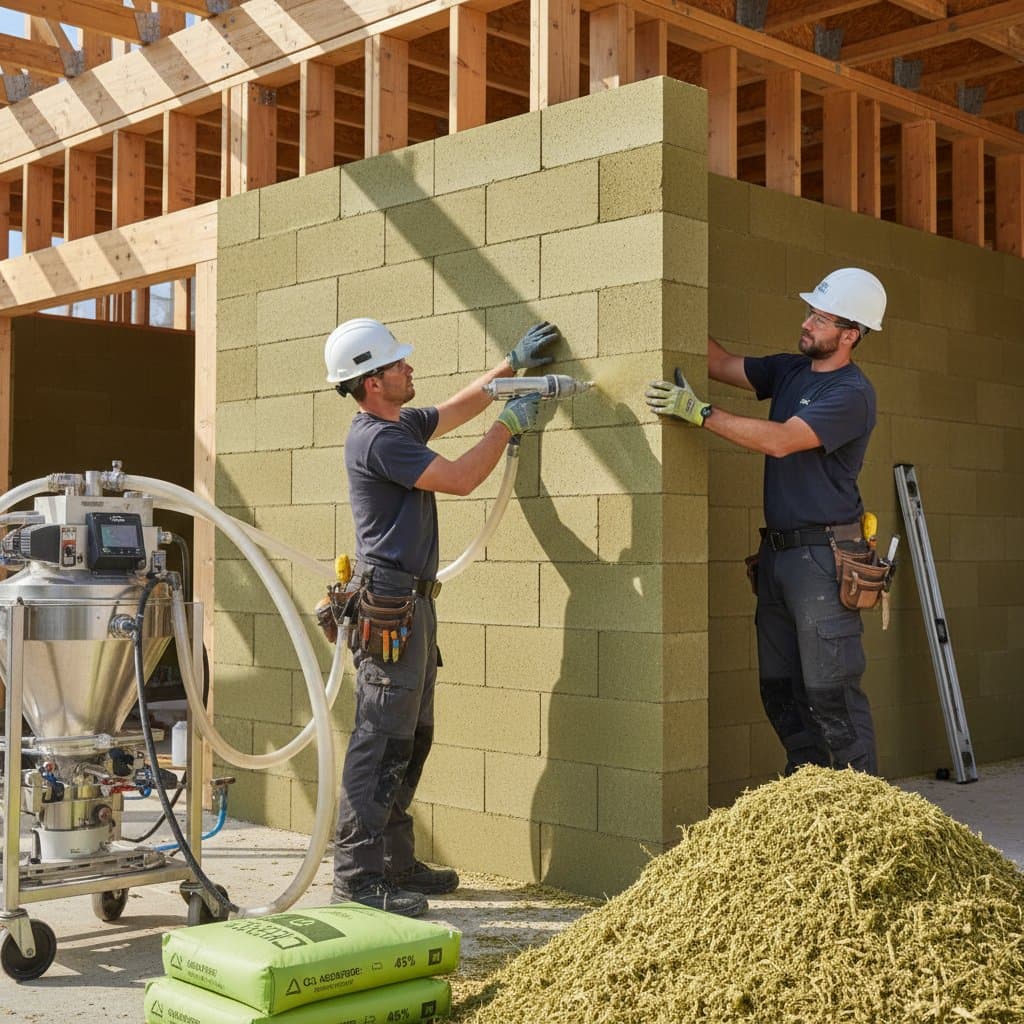
Hempcrete serves as infill rather than load-bearing concrete. It excels within timber or steel frameworks. New builds require envelope designs accounting for its depth and setting traits. Retrofitting options include prefabricated panels or blocks fitted into current setups.
Essential Installation Phases
-
Framework Setup: Use breathable wood structures to aid curing and enduring function.
-
Preparation and Placement: Blend hemp hurd, lime, and water, then pack or spray into cavities.
-
Setting Period: Allow weeks for hardening, with ventilation to facilitate carbonation and avoid fissures.
-
Surface Treatment: Apply lime-based plasters or permeable finishes to safeguard while preserving airflow.
Novices should hire specialists versed in hempcrete dynamics to sidestep errors. Seasoned DIYers might handle modest projects like internal panels or dividers.
Regional and Climate Factors
Hempcrete adapts to diverse environments, though site specifics shape implementations. Humid areas demand vigilant moisture and airflow details. Colder zones benefit from increased thickness or combined insulators, upholding eco-credentials. Vapor openness suits condensation-prone locales.
Regulations differ by area; hempcrete gains acceptance, yet some locales need extra structural proofs. Collaborate with architects or contractors skilled in organic materials for adherence and efficacy.
Evaluating Environmental and Efficiency Impacts
Assessing hempcrete's green merits involves lifecycle scrutiny. Unlike manufactured insulators burdened by production emissions, hempcrete begins with sequestration advantages. Hemp cultivation absorbs carbon into biomass, which walls preserve permanently.
Research indicates typical hempcrete residences reach net-negative carbon status, incorporating plant growth capture and lime recarbonation. Simulation software verifies sharp drops in energy use, with examples showing bills halved versus standard constructions.
Wellness, Comfort, and Interior Conditions
Living in hempcrete spaces offers unique sensory benefits. Walls hold humidity at 50 to 55 percent, curbing allergens and fungi. Lacking synthetic components, it eradicates irritants like volatile organics. Sound absorption quiets interiors, even amid urban noise.
For health-conscious households, these traits elevate daily living. Such homes maintain natural climates, fresh scents, and minimal reliance on systems for comfort.
Budget Analysis
Contrast hempcrete against conventional methods via tiered investments:
-
Basic Incorporation: Apply to non-load-bearing internals or panels, adding 5 to 10 percent to budgets while enhancing livability and air purity.
-
Moderate Use: Employ in full outer walls, raising costs 10 to 20 percent but yielding major operational and emission reductions.
-
Advanced Projects: Integrate with photovoltaics, water collection, and recycled elements for near-zero carbon operations and standout status.
A 15 percent premium investment promises 30 to 50 percent yearly energy cuts, compounding value. Coupled with renewables, structures near carbon balance faster than peers.
Expert Insights and Future Trends
Designers and constructors regard hempcrete as essential for green architecture. Professionals stress that quality sourcing and execution dictate outcomes. Once teams master blends and timelines, schedules mirror conventional workflows.
Hemp farming expands regionally, stabilizing prices. This positions hempcrete for widespread mid-range residential use.
Lenders acknowledge low-emission builds, providing favorable terms for certified green projects. Such support bolsters adoption economics.
Steps to Adopt Hempcrete
Interested owners can proceed methodically:
-
Evaluate Suitability: Assess if new builds or upgrades align with objectives and finances.
-
Seek Expertise: Partner with bio-material-savvy designers for viable plans.
-
Procure Nearby: Select local hemp and lime to cut transport impacts and aid communities.
-
Prioritize Permeability: Choose finishes that allow vapor movement to retain moisture balance.
-
Track Outcomes: Monitor air and energy metrics to quantify benefits and affirm value.
Choosing hempcrete reimagines homes as active carbon sinks and self-sustaining havens that boost well-being and planetary health.