Key Points
- Hempcrete walls absorb carbon dioxide during and after construction, acting as natural carbon sinks.
- Properly mixed and cured hempcrete can outlast conventional insulation while improving indoor air quality.
- Local sourcing of hemp materials reduces transportation emissions and supports regional green industries.
- Builders can retrofit or construct new homes with hempcrete using cost-effective, scalable techniques.
- Long-term energy savings and durability make hempcrete a strong contender for sustainable building goals.
A Home That Works With Nature
As a green building professional I have watched homeowners struggle to achieve both comfort and resilience in their residences. Consider a home that stays cool on humid afternoons and warm on cold nights. The air stays fresh because the walls regulate moisture and your energy bills reflect steady efficiency rather than constant adjustments. Hempcrete delivers this performance by capturing carbon while providing durable enclosure.
Homeowners who face rising energy costs and want to lower their environmental impact can turn to this bio-based material. It combines time-tested ingredients with current knowledge of building performance.
Why Hempcrete Addresses Common Building Problems
Many homes lose up to 30 percent of conditioned air through gaps in insulation and poor vapor control. Conventional fiberglass or foam products often trap moisture, which encourages mold and lowers air quality. Hempcrete counters these issues by allowing vapor to move through the wall assembly while storing heat.
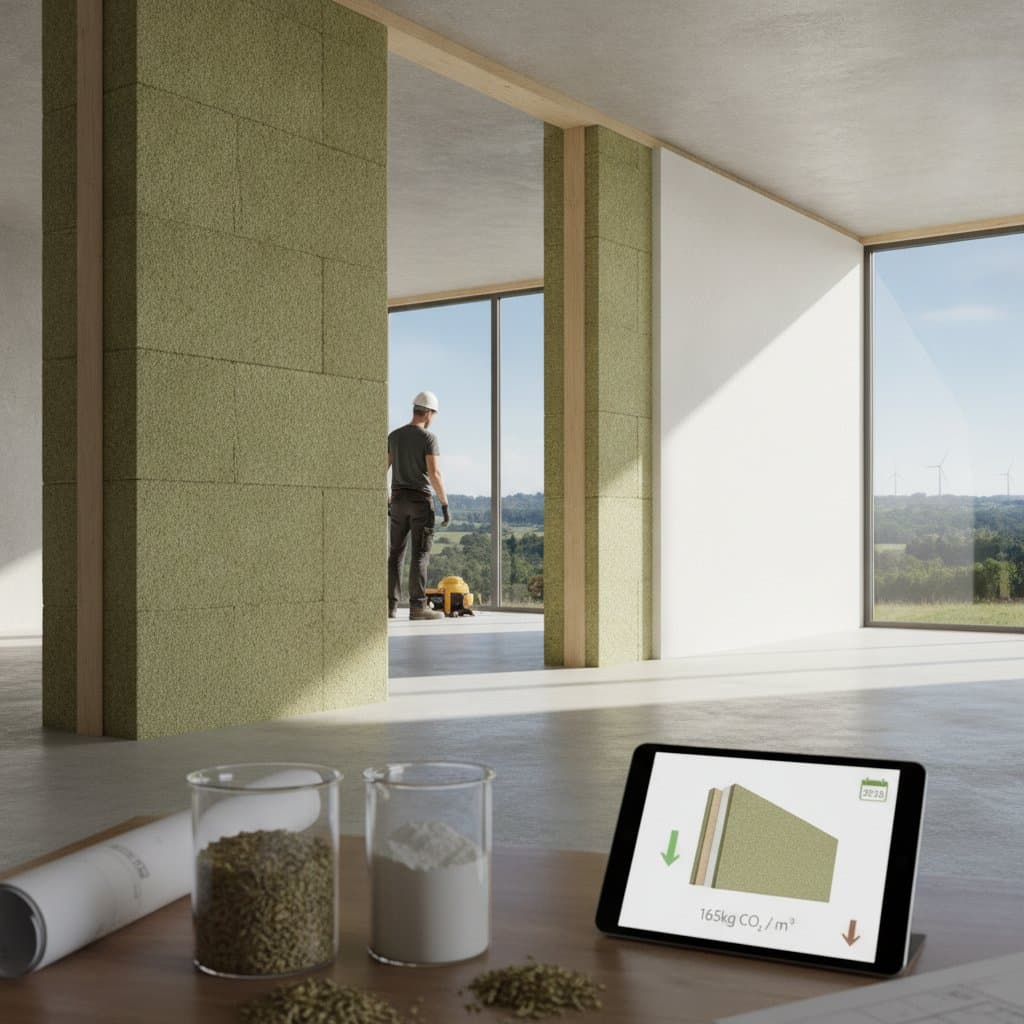
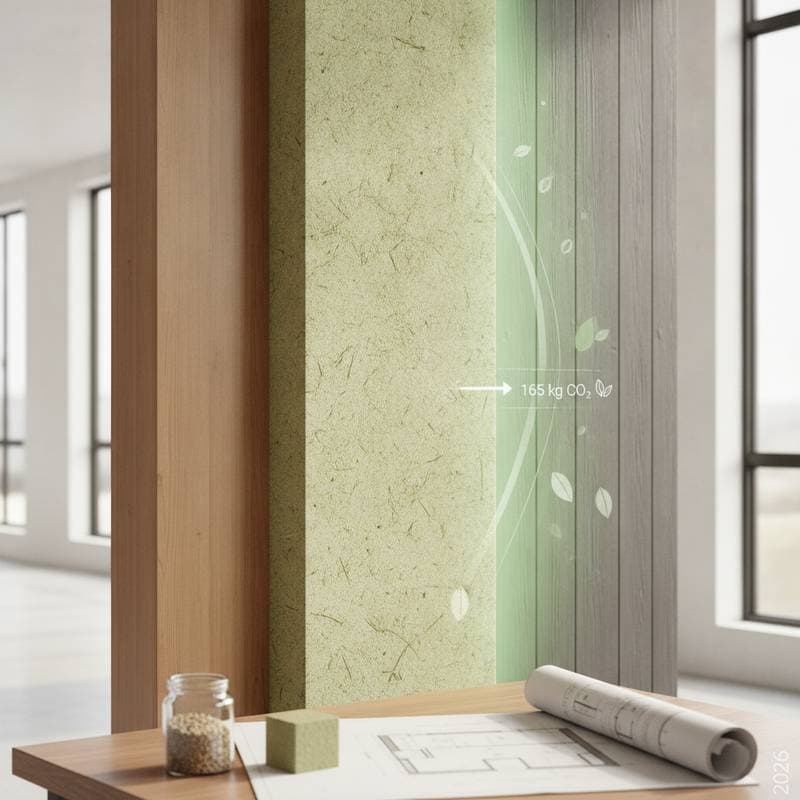
Over years of site work I have seen that homeowners now seek materials that improve health and reduce operating costs at the same time. Hempcrete captures carbon dioxide as the lime component cures, locking greenhouse gases into the wall matrix. One cubic meter can sequester several kilograms of carbon across its service life.
How Hempcrete Is Made And Performs
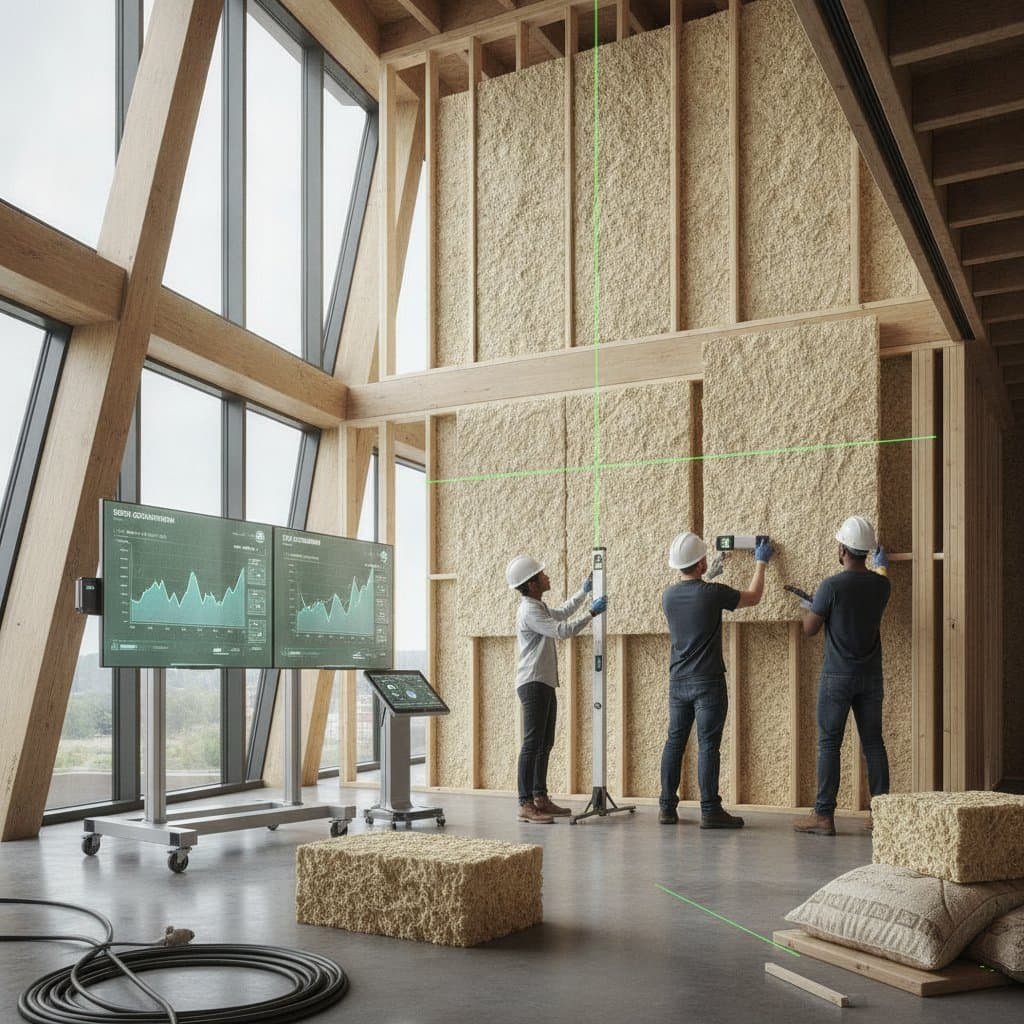
The material consists of hemp hurd, lime, and water. These ingredients form a lightweight matrix that resists fire, pests, and decay. The lime continues to absorb carbon dioxide during curing, which strengthens the wall over time.
Its R-value ranges from 2.4 to 3.0 per inch. Thermal performance improves as the material regulates moisture and provides thermal mass. Dr. Lena Ortiz, a sustainable materials researcher, notes that hempcrete balances indoor conditions naturally rather than fighting the outdoor climate.
Steps To Build With Hempcrete
- Source locally grown hemp hurd from regional producers who avoid pesticides.
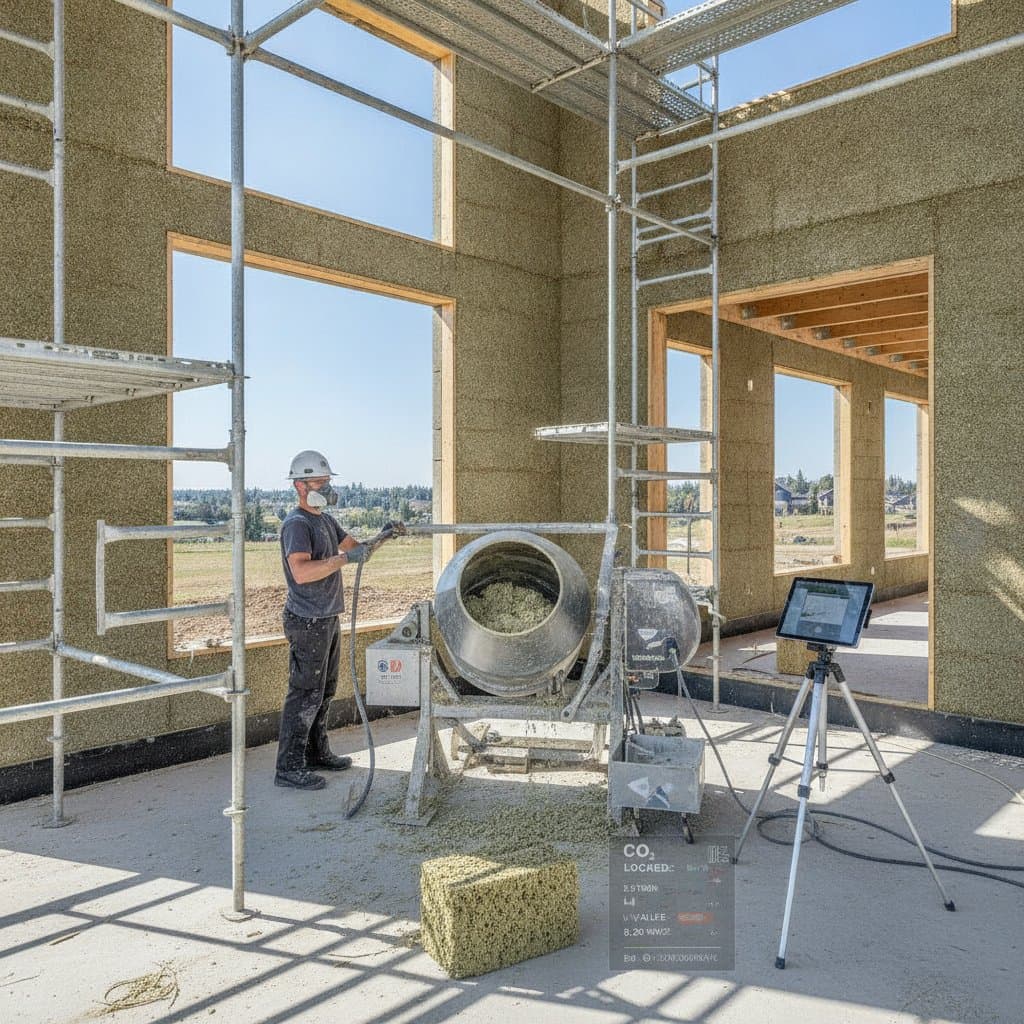
- Mix four parts hurd with one part lime binder and water until the blend reaches a damp, crumbly consistency.
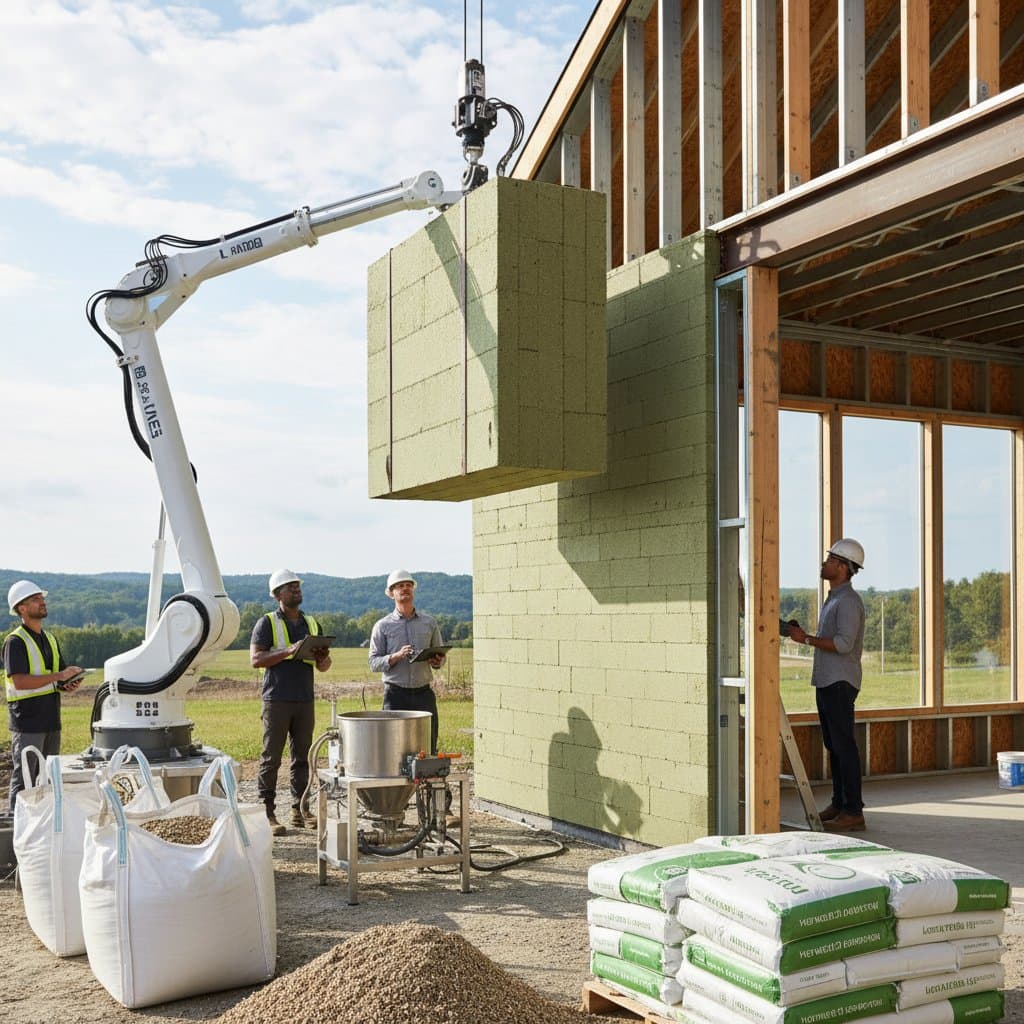
- Place the mixture between removable forms around a structural frame of wood or steel.
- Allow several weeks for curing so the lime can harden and absorb carbon dioxide.
- Apply a lime or clay plaster finish that permits continued vapor movement.
Practical Ways To Increase Efficiency
- Choose wall thickness of 12 to 16 inches to gain useful thermal inertia in most climates.
- Select reclaimed wood or recycled aluminum for openings to keep the project consistent with sustainable goals.
- Combine the walls with shading, cross ventilation, and proper solar orientation.
- Add solar panels or heat pumps to further reduce grid dependence.
- Engage a certified green builder to oversee mixing, curing, and code compliance.
Cost, Savings, And Environmental Returns
Complete hempcrete wall systems average 135 to 200 dollars per square foot including finishes. The higher initial outlay is typically recovered within ten years through lower heating and cooling expenses. Clients commonly report 30 to 50 percent reductions in energy use compared with standard construction.
Each ton of hemp captures up to 1.6 tons of carbon dioxide while growing, and the curing process stores additional carbon in the finished structure. This results in a building material with a net negative carbon footprint.
Safety, Codes, And Professional Guidance
Hempcrete does not release toxic gases when heated and meets fire-resistance requirements in most jurisdictions. Confirm that the chosen lime binder satisfies local codes and that the project can qualify for programs such as LEED. In many areas the material serves as infill insulation and requires a separate load-bearing frame.
Work with an architect experienced in bio-based construction to secure permits. Professional supervision during mixing and drying prevents cracking and ensures uniform density.
Daily Benefits For Occupants
On a humid evening the interior stays comfortable because the walls absorb and release moisture to maintain relative humidity between 45 and 55 percent. Allergy sufferers often notice fewer irritants since the material discourages mold growth.
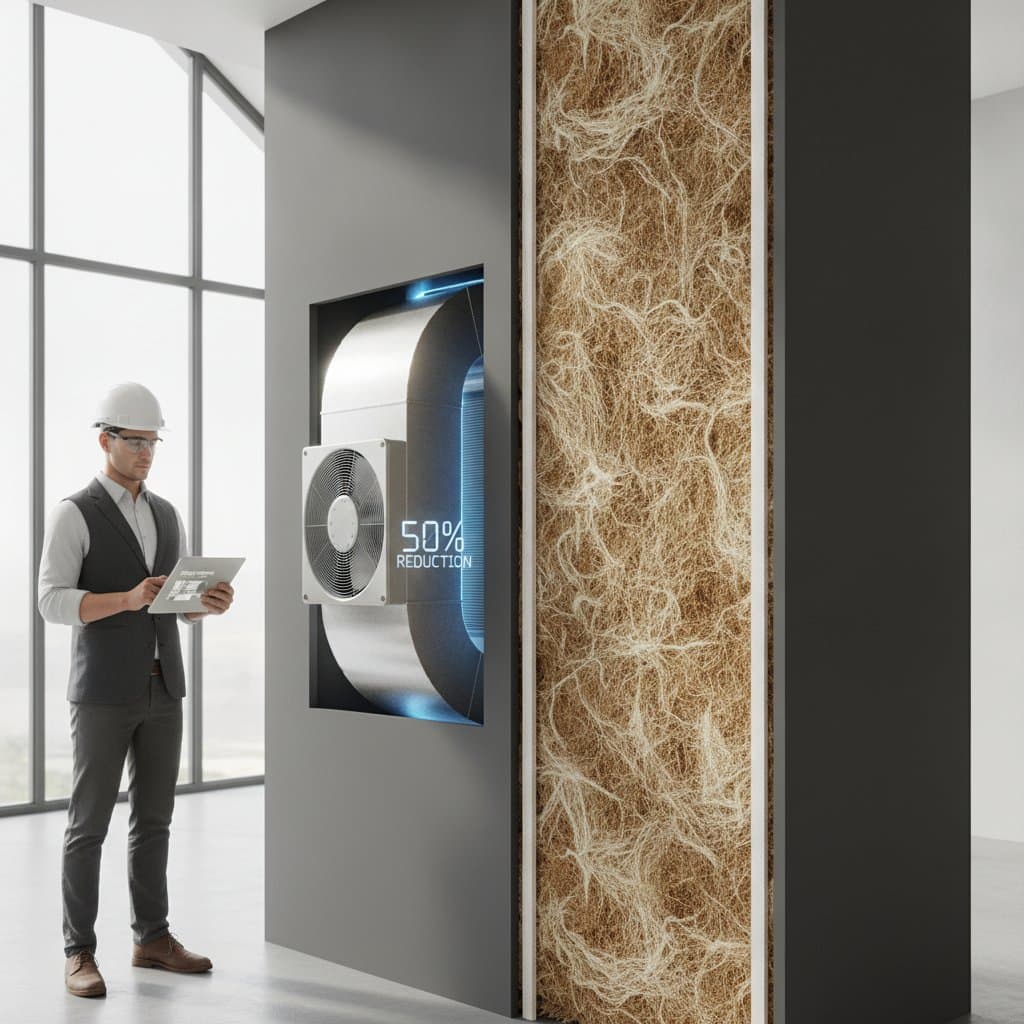
The dense fibrous structure also reduces sound transmission, creating quieter rooms even near busy streets.
How Hempcrete Compares With Other Options
| Feature | Hempcrete | Fiberglass | Concrete Block |
|---|---|---|---|
| Carbon Footprint | Negative | High | High |
| Moisture Regulation | Excellent | Poor | Minimal |
| Fire Resistance | High | Moderate | High |
| Longevity | 50+ years | 20-30 years | 50+ years |
| Health Impact | Non-toxic | Possible irritants | Neutral |
| Cost per square foot | Moderate to high | Low | Moderate |
Select the system that matches local climate conditions. In coastal zones the vapor permeability helps prevent rot. In inland areas the thermal mass moderates temperature swings.
Next Actions For Interested Homeowners
Consult a local contractor who specializes in bio-based materials to obtain a site-specific estimate. Many professionals now offer guidance on sourcing, detailing, and certification. The result is a residence that maintains comfort, stores carbon, and requires less energy over decades of use.