Why Homeowners Focus on Hempcrete
Homeowners often confront decisions that extend beyond aesthetics like paint or countertops. The core issue involves creating a residence that withstands challenges, operates efficiently, and minimizes environmental impact without excessive expenditure. Hempcrete stands out as a robust response to these demands, representing a reliable construction method rather than a fleeting trend.
This material captures atmospheric carbon, enhances indoor comfort, and generates enduring worth. Homeowners who prioritize the future appreciate its ability to decrease energy consumption via inherent insulation while sequestering carbon. Such attributes yield tangible financial gains and ecological advantages.
The Composition and Mechanism of Hempcrete
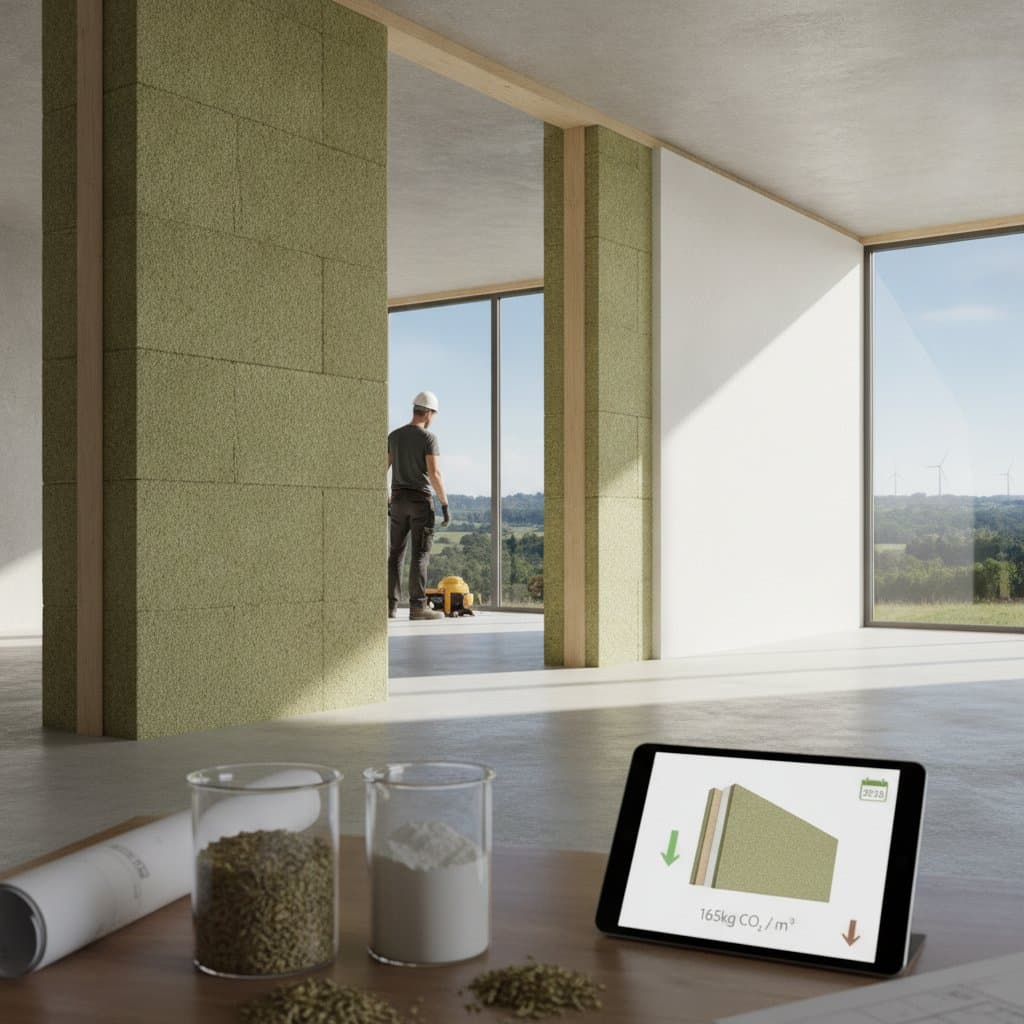
Hempcrete derives from three basic components: the hurd from the hemp plant's inner core, a lime-based binder, and water. These elements blend to produce a lightweight, porous substance that solidifies into wall infill. Distinct from concrete, hempcrete avoids cement, and the lime binder absorbs carbon dioxide during curing.
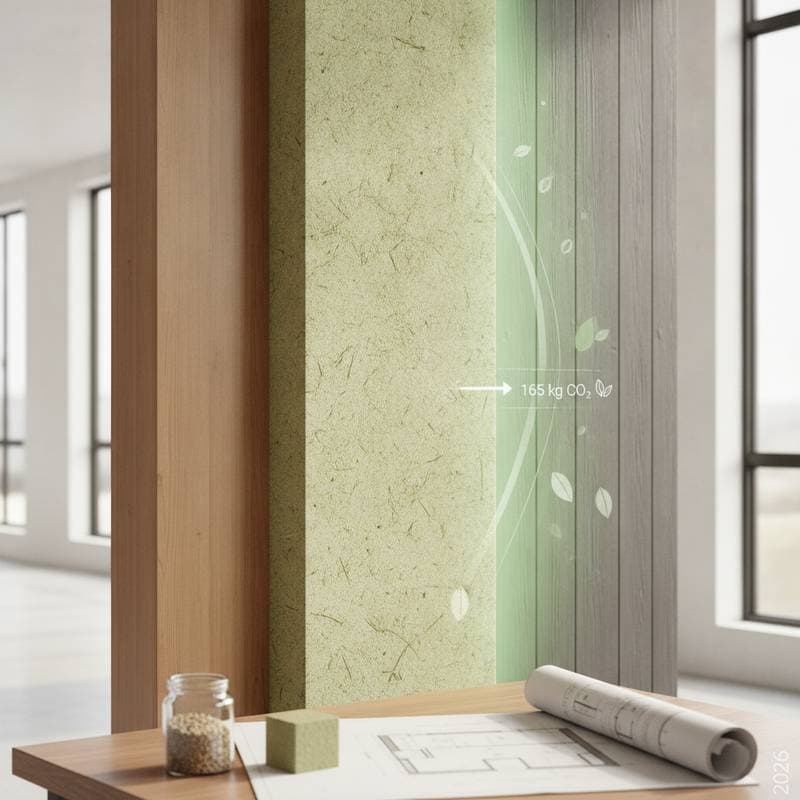
One square meter of hempcrete wall sequesters multiple kilograms of carbon over its lifespan. This ongoing carbonation strengthens the material and enhances stability, turning it into an active carbon repository integrated into the home's structure.
Thermal Regulation and Comfort
Hempcrete excels in managing temperatures. Its substantial thermal mass absorbs daytime heat and releases it gradually overnight. This process maintains steady indoor conditions and lessens dependence on heating or cooling systems.
The material also regulates moisture effectively. It draws in surplus humidity and expels it when air grows arid, thereby inhibiting mold and promoting superior air quality. Homeowners benefit from these traits without needing elaborate ventilation equipment.
Financial Aspects, Returns, and Enduring Worth
Evaluating hempcrete financially demands a comprehensive perspective. Upfront costs range from 10 to 20 percent above those of typical insulation, influenced by regional labor rates and material access. However, reductions in energy expenses and maintenance often recoup this within a few years.
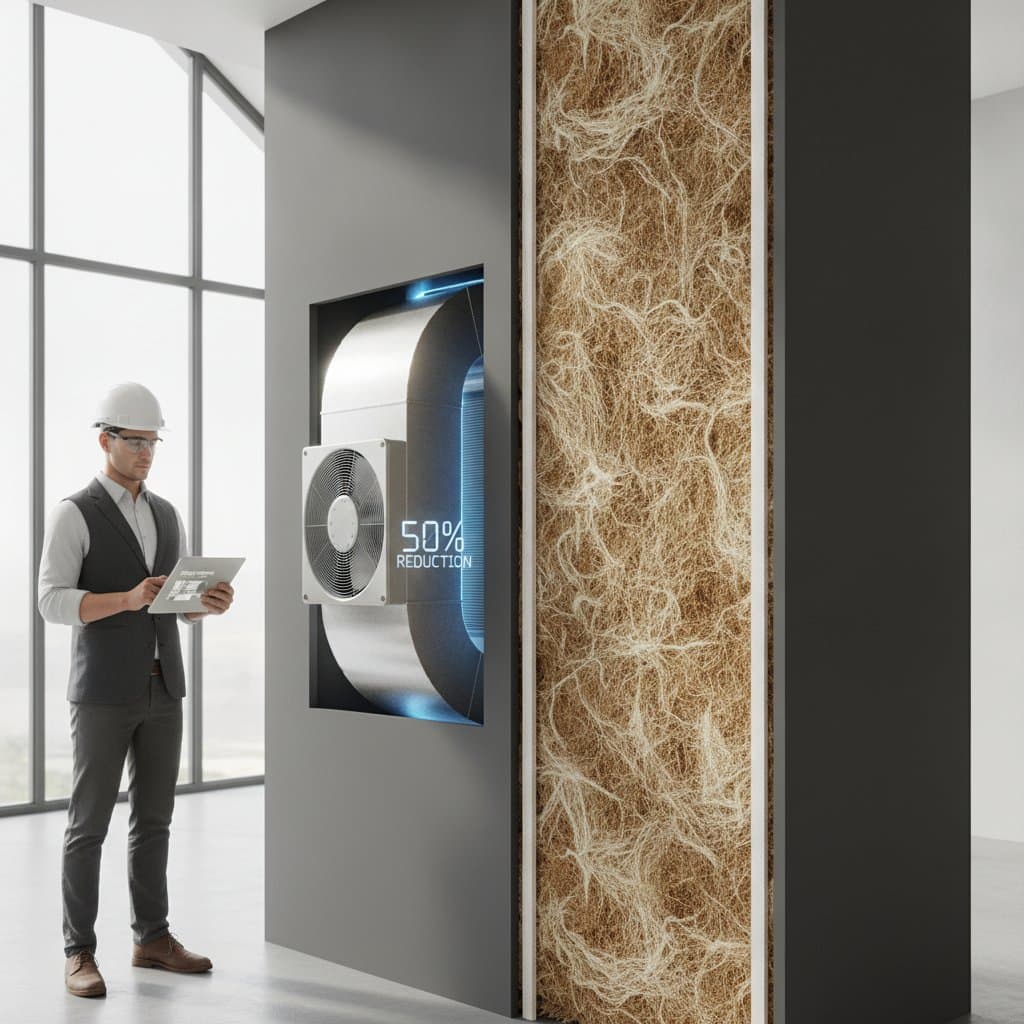
Over the full lifecycle, the appeal intensifies. Replacing standard insulation with hempcrete frequently achieves 30 to 50 percent energy reductions. The permeable design minimizes moisture entrapment and structural wear, prolonging the durability of walls and surfaces.
Properties featuring bio-based elements attract increasing interest. Real estate experts note heightened demand for homes with documented green attributes. Certifications for energy efficiency typically command resale values 5 to 10 percent higher.
Funding Options and Support Programs
Numerous areas provide rebates or favorable loans for bio-based insulation. Initiatives promoting carbon sequestration or efficiency improvements render hempcrete installations more accessible, particularly when paired with solar integrations or enhanced envelopes.
Homeowners benefit from consulting local contractors and lenders versed in sustainable practices to identify pertinent aids.
Installation and Construction Factors
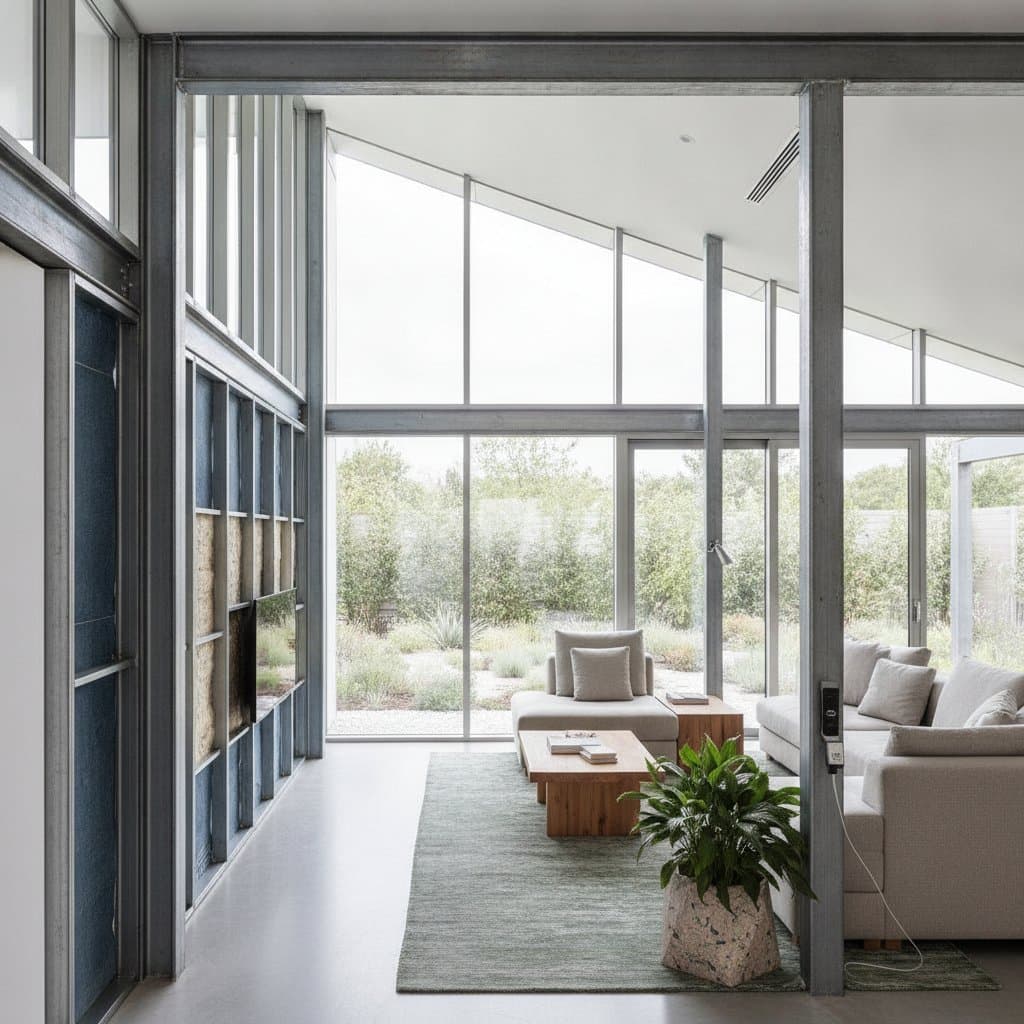
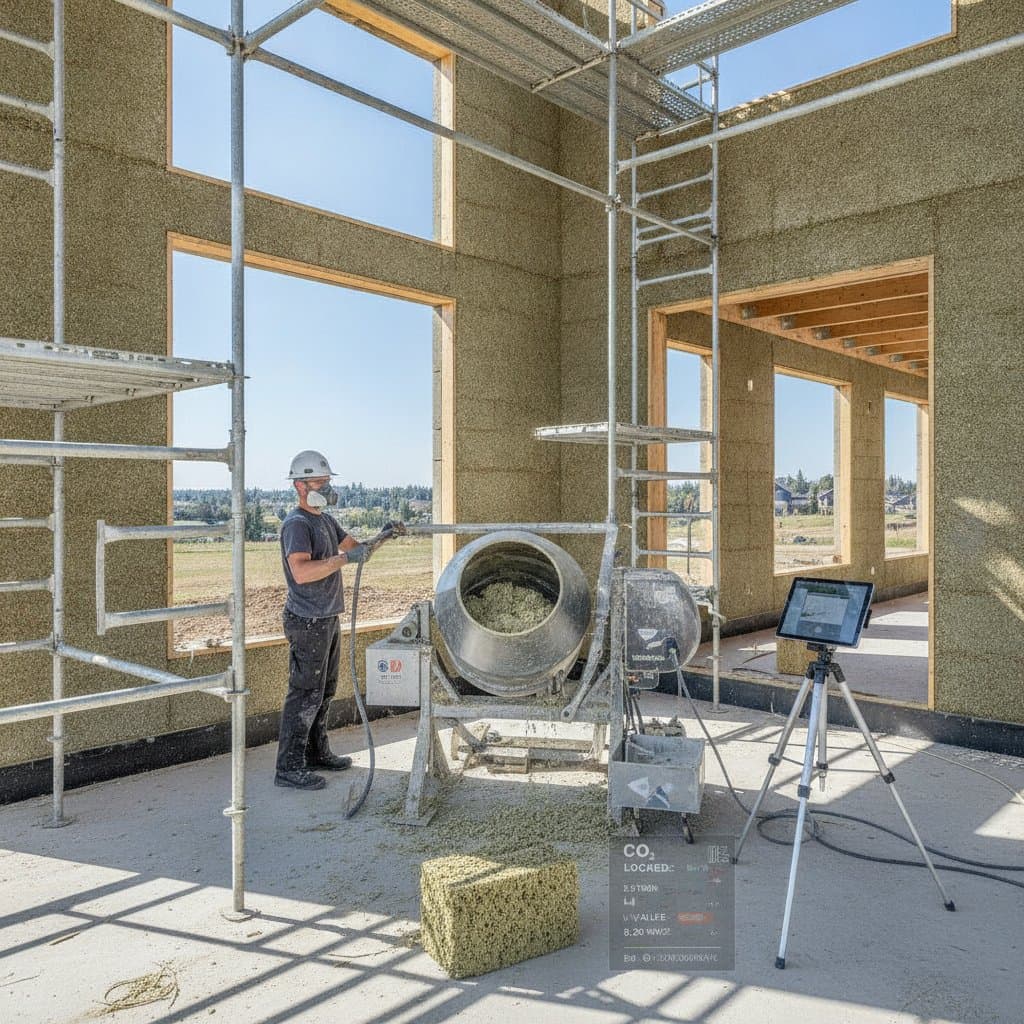
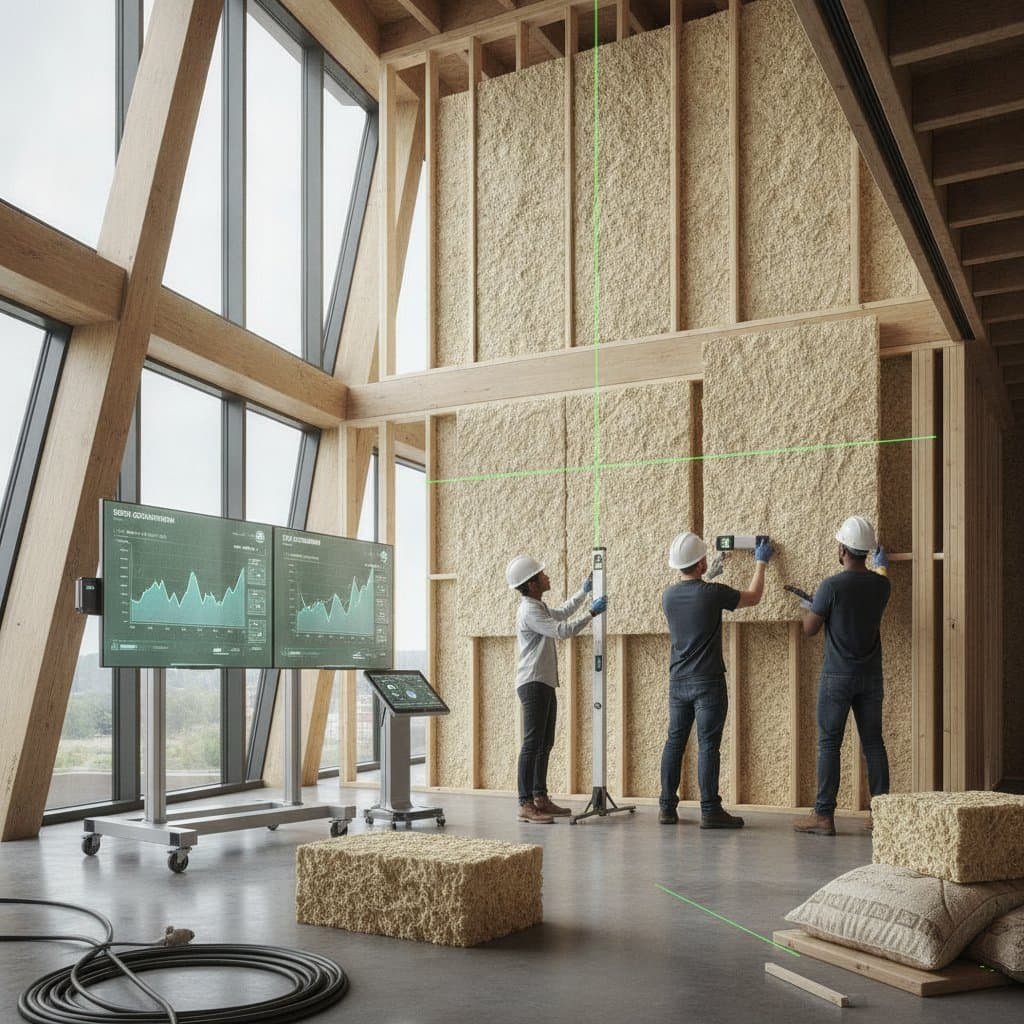
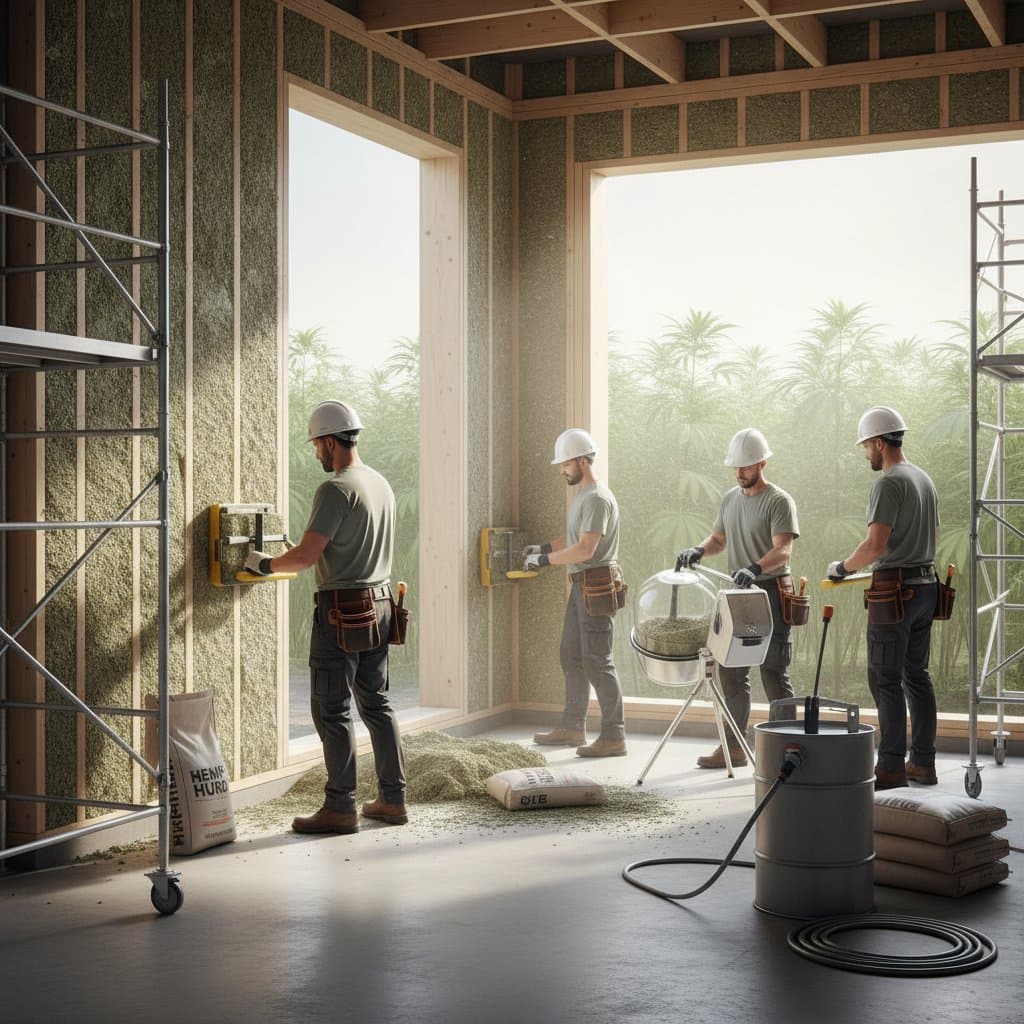
Builders apply hempcrete around a supporting frame, as it serves as non-load-bearing infill. Application methods include casting in temporary molds or spraying onsite, tailored to the project's size and specifications. After curing, it offers robust insulation and fire resistance, free from harmful chemicals.
Adaptation to Various Climates
Hempcrete suits diverse environments. In cold areas, combine it with open-vapor plasters or additional layers to boost insulation. In moist or seaside locations, its humidity control averts condensation and deterioration.
Professionals must navigate regional building codes, as natural materials gain acceptance unevenly. Collaboration with specialists in bio-construction guarantees adherence and reliable outcomes.
Options for Professional Installation or Self-Application
For minor updates like internal insulation or patch repairs, capable homeowners may manage the work. Extensive endeavors, such as full infill or wall systems, necessitate expert teams adept in mixtures, curing durations, and humidity oversight. Selecting certified installers ensures warranties and consistent quality.
Ecological and Wellness Advantages
Beyond carbon capture, hempcrete advances environmental goals. Hemp cultivation proceeds swiftly, demands minimal irrigation or chemicals, and enriches soil. Incorporating hemp products fosters farming variety and diminishes dependence on resource-heavy alternatives like fiberglass or synthetics.
Within residences, hempcrete fosters salubrious conditions. It emits no volatile organics, filters particulates, and sustains balanced humidity to deter allergens. Families prone to respiratory issues or sensitivities find these features particularly valuable.
Enhancing Home Resilience for the Long Term
Sustainability forms one facet of hempcrete's value. The material bolsters durability and adaptability, bolstering asset appreciation. Reduced repair frequency and resistance to moisture issues safeguard against common pitfalls in sealed modern structures.
Steps to Implement Hempcrete
- Evaluate objectives. Determine if the focus lies on lowering energy use, sequestering carbon, or improving air quality.
- Seek expert input. Involve architects or builders experienced in natural systems to assess fit with existing structures.
- Solicit proposals. Obtain comprehensive quotes detailing expenses, timelines, and projected efficiencies.
- Prepare for upkeep. Hempcrete demands minimal care, though outer layers like lime renders may require occasional refreshing for protection.
Adopting hempcrete transcends selecting eco-friendly fill. It signifies a progression to intelligent, resilient designs that benefit both ecosystems and owners' economics.