Eco Dream Built Fast: Modular Green Homes in 90 Days
Imagine moving into a fully sustainable, beautifully designed home within three months. Modular construction makes this possible through precision engineering, sustainable materials, and efficient production processes. These homes deliver efficient, responsible living at an accelerated pace.
Key Points
- Completion time: Modular green homes finish in as little as 90 days, thanks to off-site fabrication and concurrent site preparation.
- Energy savings: Models achieve up to 60 percent energy reduction compared to conventional builds.
- Waste reduction: Factory methods cut material waste by 35 to 40 percent.
- Cost efficiency: Shorter timelines lower labor costs and enable earlier occupancy, saving thousands of dollars.
- Sustainability: Homes incorporate eco-certified materials, superior insulation, and renewable energy systems to minimize lifetime emissions.
How the 90-Day Build Works
The 90-day process coordinates design, fabrication, and site work in parallel, unlike the sequential steps of traditional construction. This approach eliminates delays and maintains quality.
- Design Phase (Weeks 1–3): Select layouts, finishes, and energy features. Digital tools create accurate models for production.
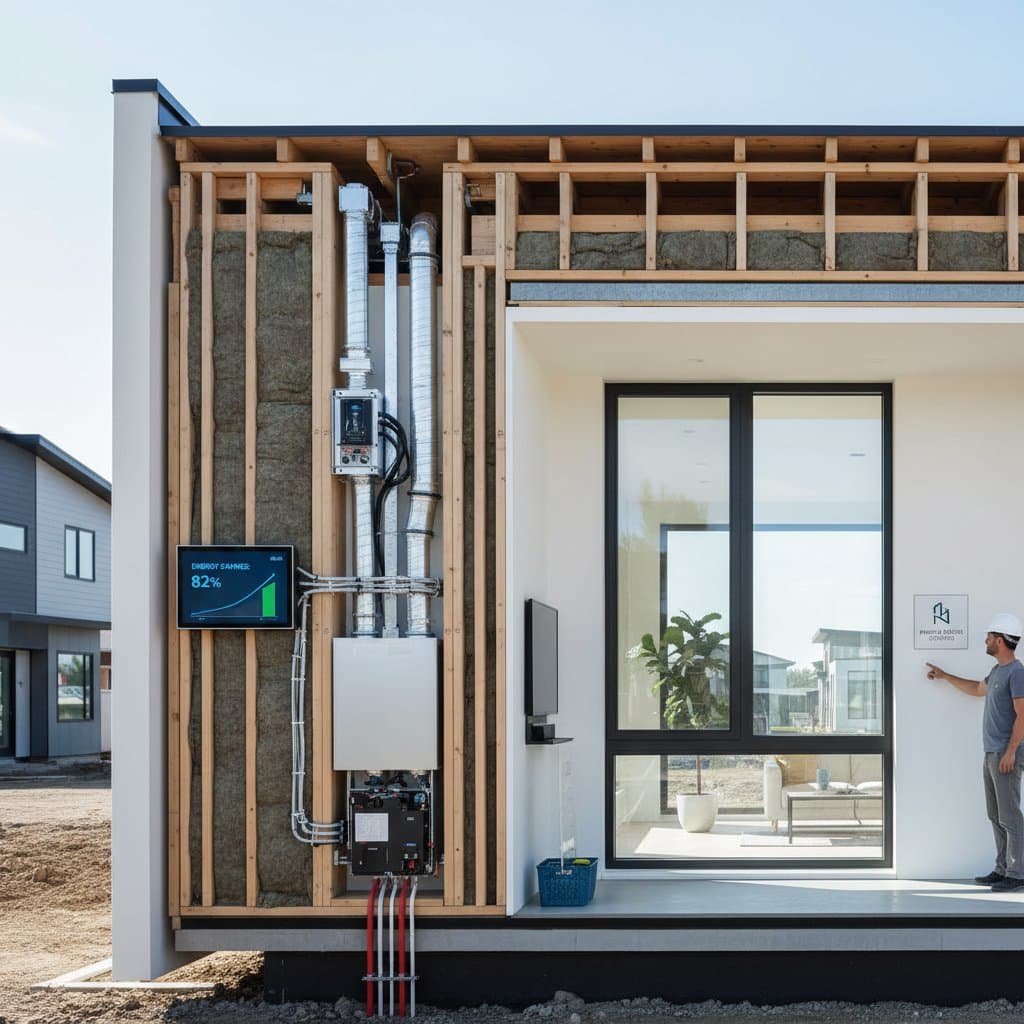
- Factory Fabrication (Weeks 2–8): Build modules in a controlled environment while preparing the foundation on-site. Use pre-cut materials and advanced insulation.
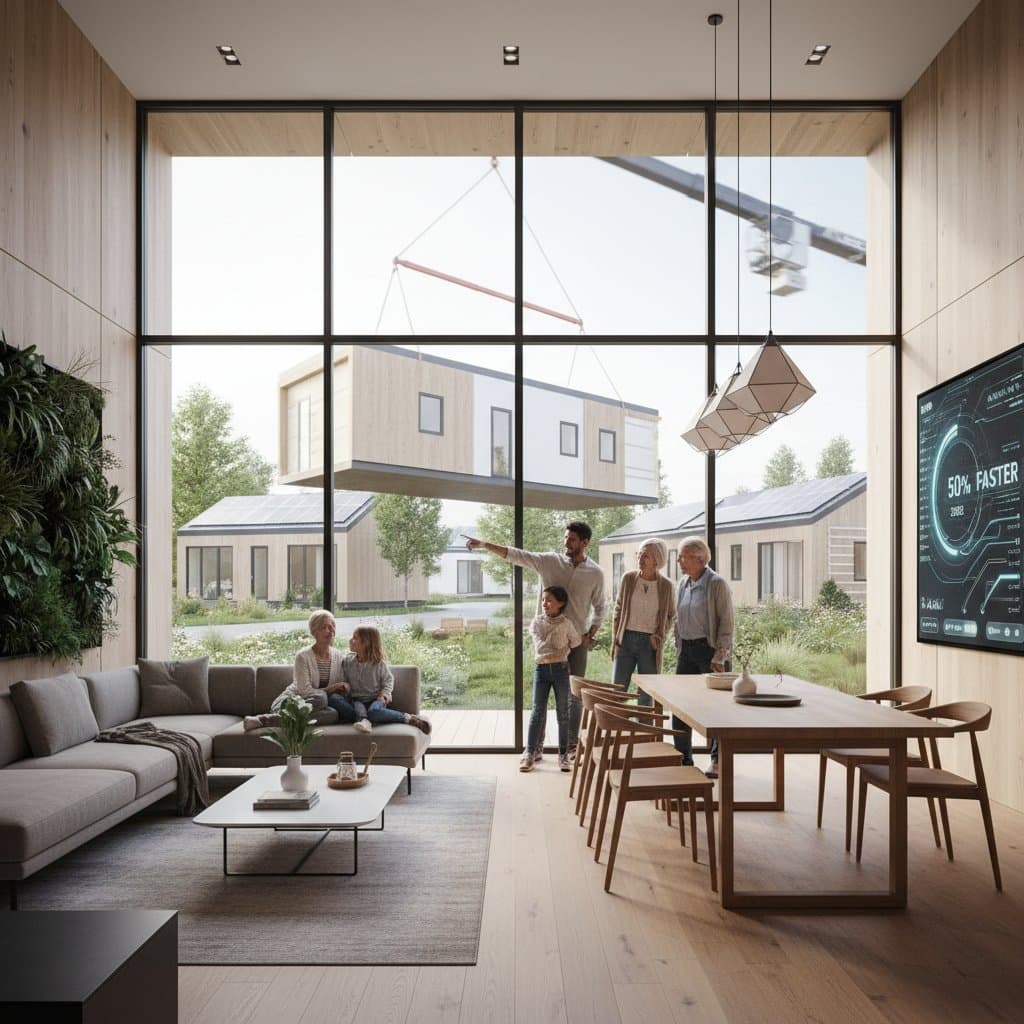
- Transportation and Assembly (Weeks 9–10): Deliver modules via truck and position them with cranes.
- Finishing (Weeks 11–12): Connect utilities, add interior details, and complete landscaping.
Factory conditions prevent weather-related interruptions and reduce errors, ensuring minimal waste.
Sustainability by Design
Modular homes extend environmental benefits from construction through occupancy. Smart engineering reduces energy consumption and carbon emissions over time.
Energy Efficiency and Insulation
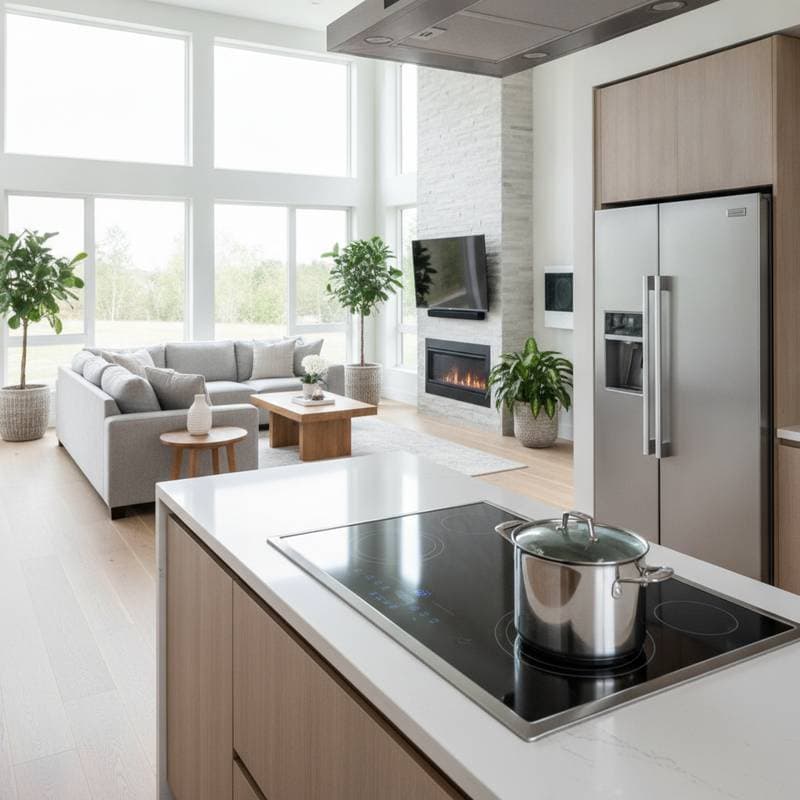
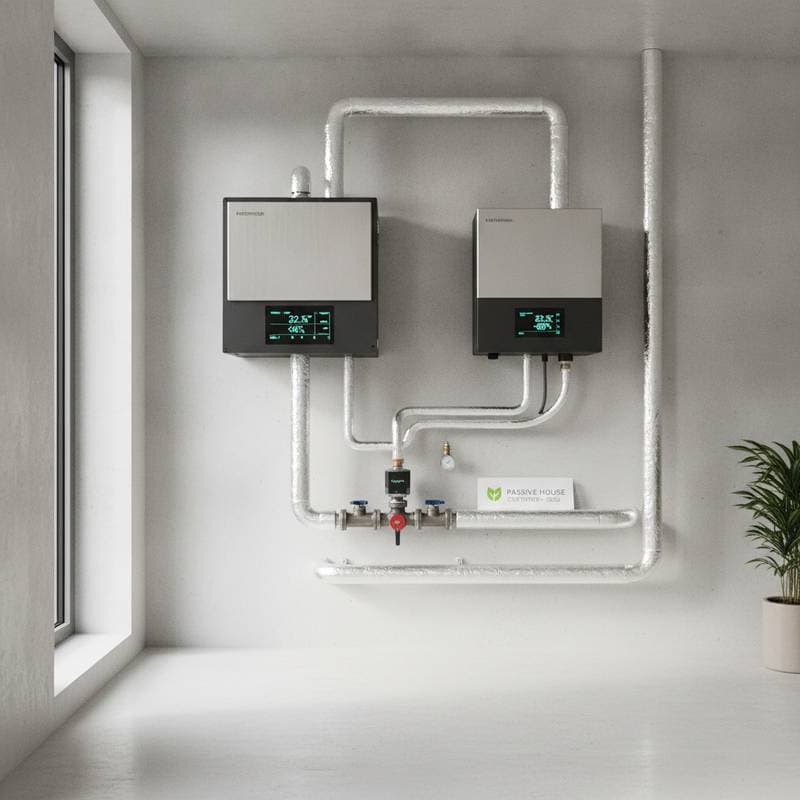
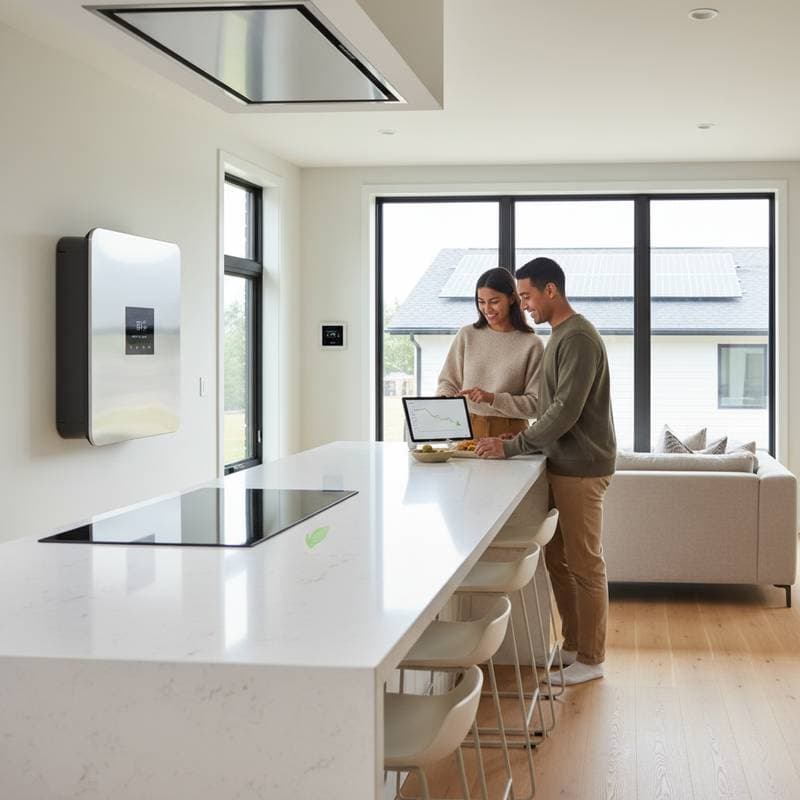
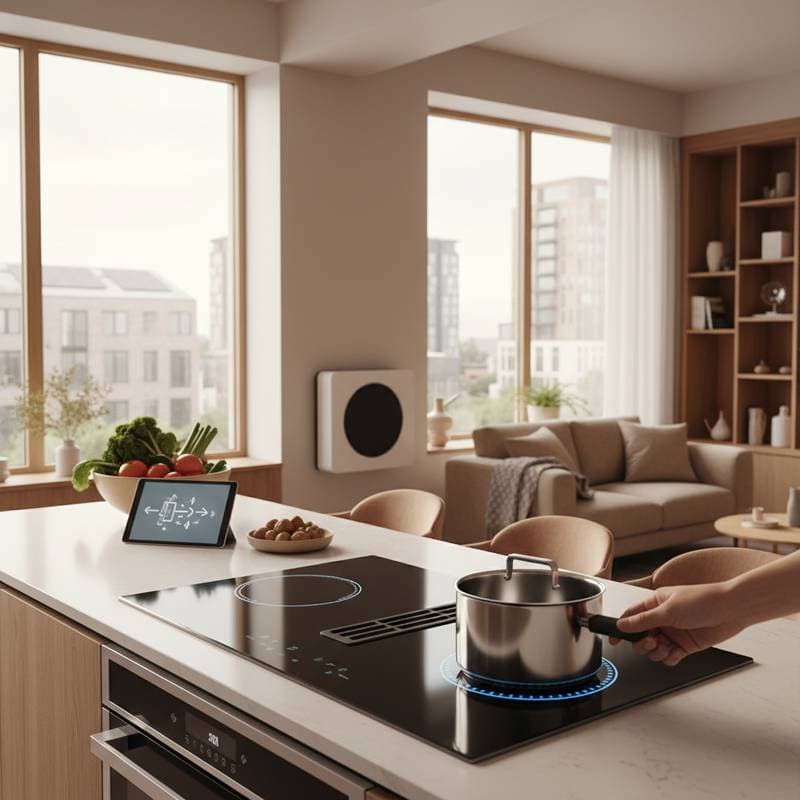
Standard features include high-performance insulation, triple-pane windows, and airtight seals. These maintain indoor temperatures and cut heating and cooling demands by 30 to 50 percent. Integrate solar panels, heat recovery systems, and programmable thermostats to lower utility costs further.
Material Selection
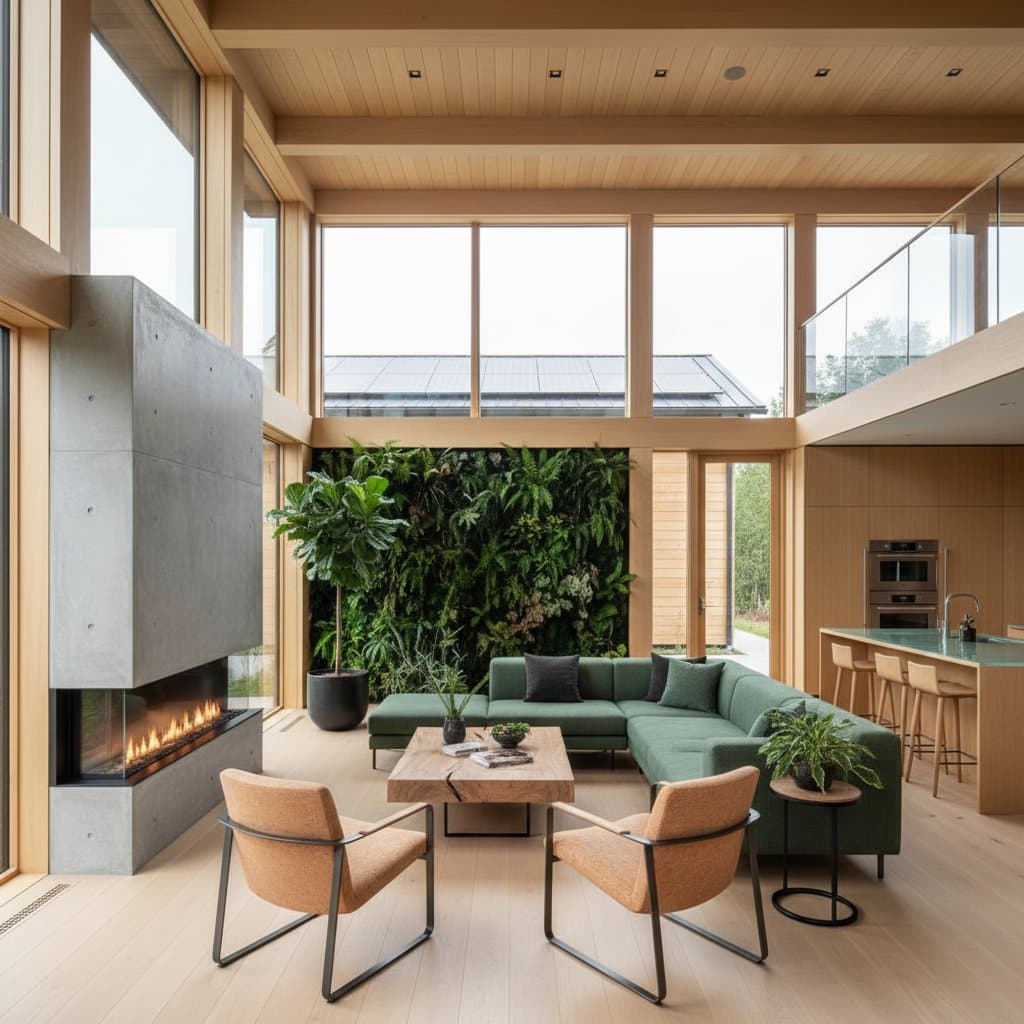
Builders source FSC-certified wood, low-VOC paints, and recycled metals. Bulk purchasing reduces packaging and transport emissions. This results in healthier indoor environments with fewer toxins.
Renewable Integration
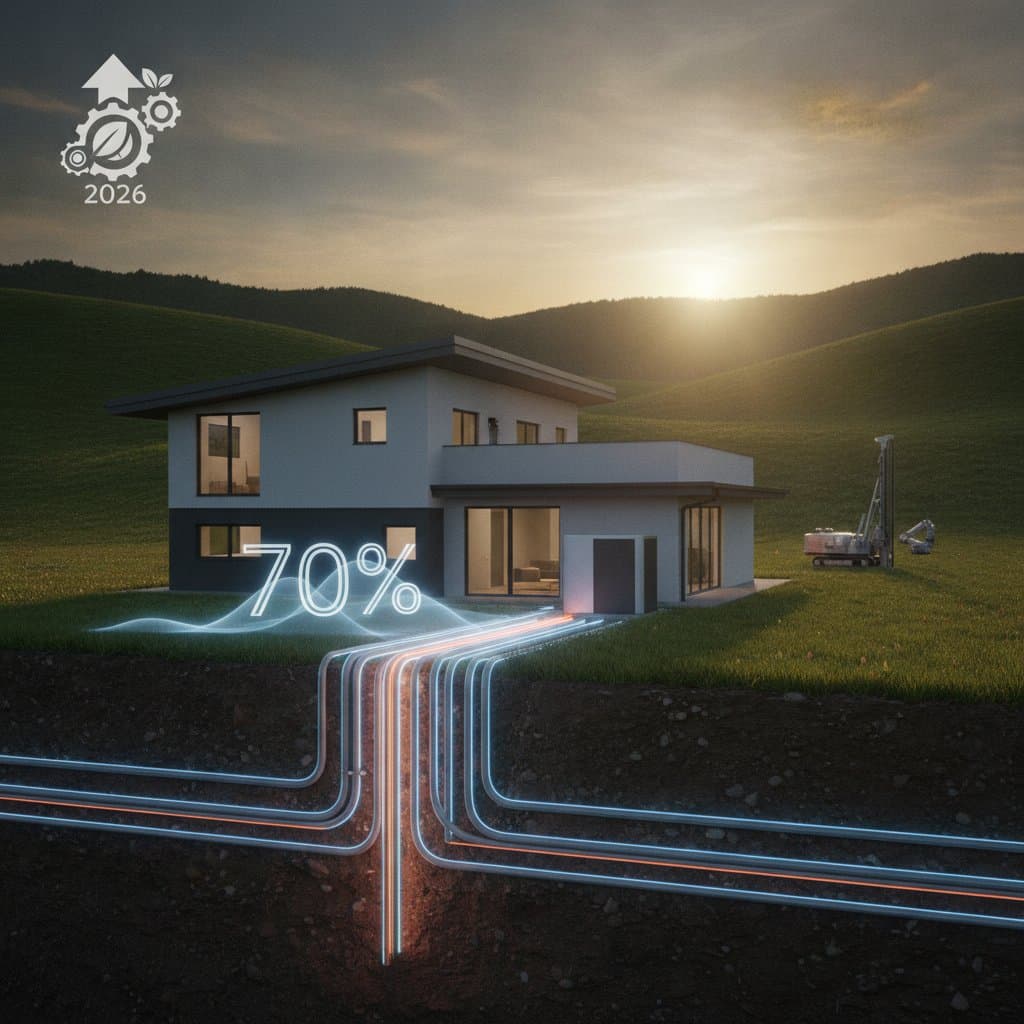
Optional packages feature solar arrays, battery storage, and water recycling systems. These decrease grid dependence and yield returns through energy offsets. Properties with these additions often gain 5 to 10 percent in value.
Comparing Modular and Traditional Construction
| Feature | Modular Green Homes | Traditional Construction |
|---|---|---|
| Build Time | 60–90 days | 6–12 months |
| Waste Reduction | Up to 40% less waste | High on-site waste |
| Energy Efficiency | 30–60% energy savings | Varies by builder |
| Cost Control | Fixed pricing before build | Frequent budget changes |
| Weather Delays | None during fabrication | Common during build |
| Customization | Extensive, within design system | Unlimited but slower |
Modular methods provide predictability with fewer on-site variables, avoiding common overruns in time and budget.
Practical Considerations for Homeowners
Modular homes require planning beyond the factory build. Address these elements for a seamless process.
Site Preparation
Prepare the land with grading, utility connections, and permits before delivery. Experienced builders navigate local codes to avoid setbacks.
Transportation and Assembly
Large modules need clear access routes and crane space. Local expertise handles logistics and weather contingencies.
Financing and Appraisal
Secure loans from prefab-savvy lenders for smooth approval. Appraisers now equate modular quality to site-built homes, supporting strong resale values.
The Economic and Environmental Payoff
Modular green homes balance financial gains with ecological advantages. Quick completion shortens loan periods and accelerates income from rentals or use.
Energy efficiencies recoup any upfront costs within a decade. Environmentally, these homes lower carbon emissions by up to 50 percent over their lifecycle, from production to daily operations.
Factory precision cuts material transport and site disruptions, preserving local habitats. Real estate analyst Mark Davison notes, "The modular sector has proven that sustainability and profitability are not competing goals."
Steps to Build Your Modular Home
Research builders with verified sustainability credentials. Examine certifications, waste protocols, and energy metrics. Evaluate models for insulation quality and renewable compatibility.
Modular green homes unite rapid construction, environmental responsibility, and innovative design. Achieve a comfortable, low-impact living space in 90 days.