Key Points
- All-electric homes reduce utility bills substantially through efficient heat pumps, induction cooking, and connections to renewable energy sources.
- Eliminating fossil fuel use indoors enhances indoor air quality and increases safety.
- Incentives, rebates, and advanced energy management systems make electrification more accessible and cost-effective.
- Expert planning and accurate equipment sizing ensure optimal comfort and sustained savings.
- All-electric homes support local grids in shifting to cleaner energy and decrease community-wide emissions.
Envisioning an All-Electric Home
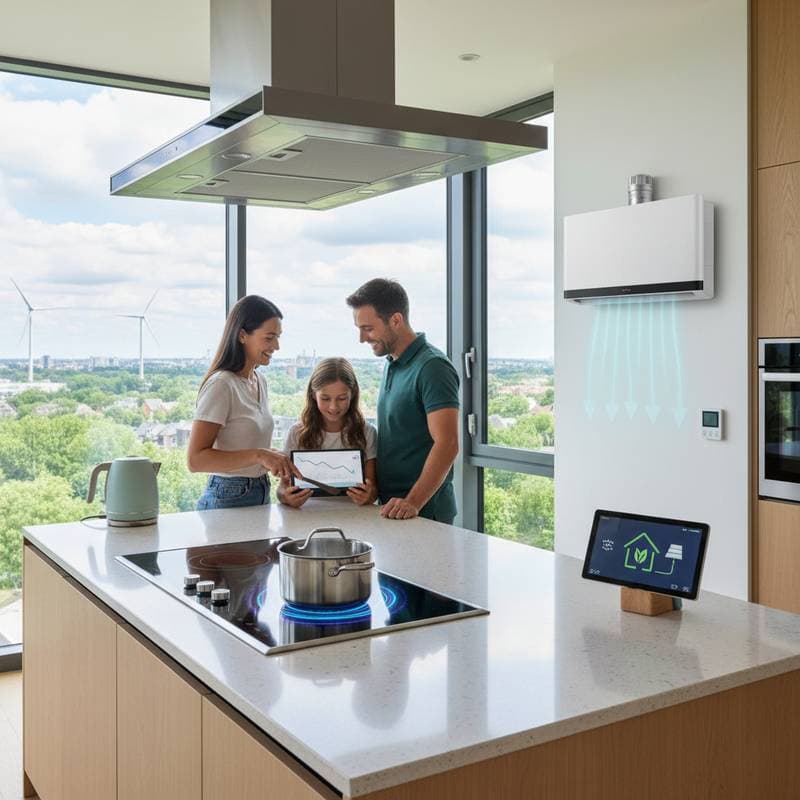
Imagine entering a home powered entirely by clean electricity. The air remains fresh, the kitchen stays cool during cooking, and monthly energy bills decline steadily. As a green building professional, the observation of numerous homeowners achieving this comfort level after adopting all-electric systems stands out. This transition involves more than technology; it establishes a healthier, more reliable lifestyle aligned with community climate objectives.
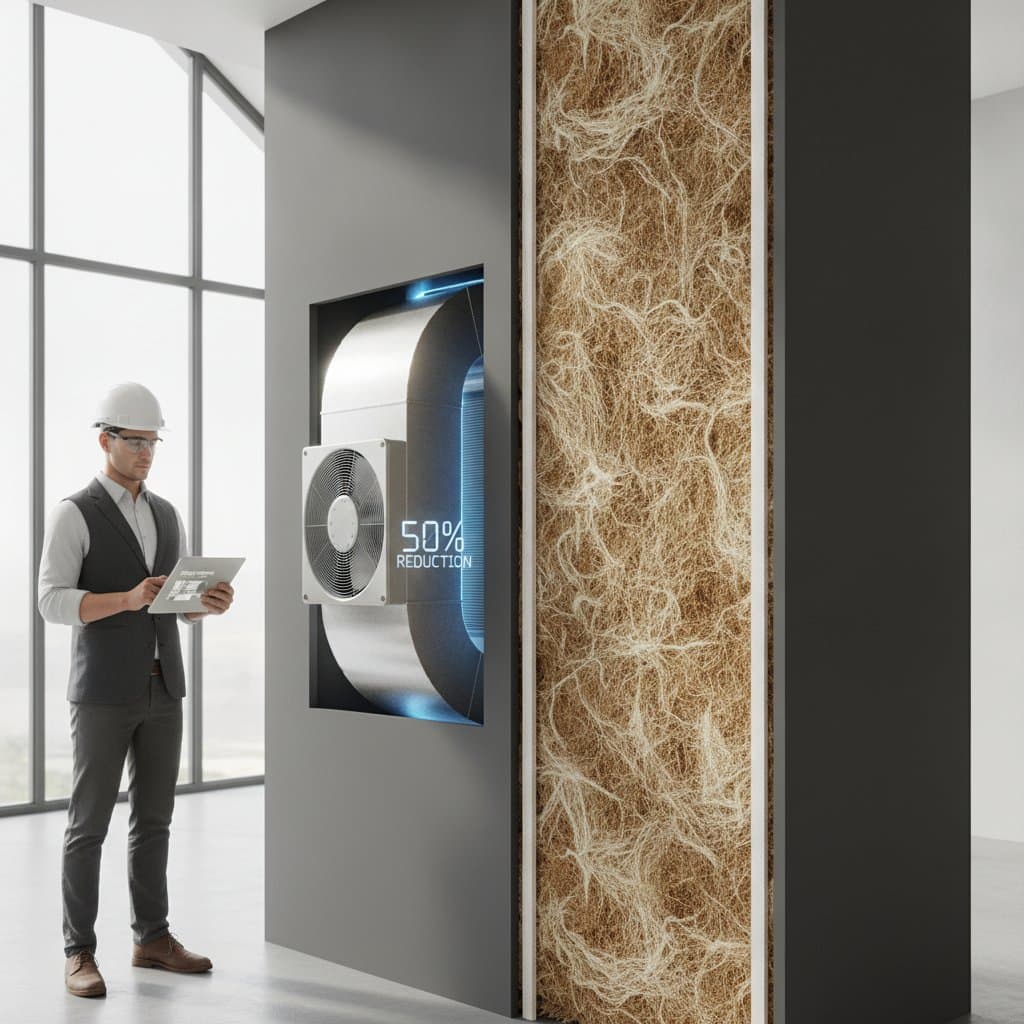
For those confronting escalating energy expenses or outdated gas furnaces, adopting all-electric systems presents a pivotal opportunity. These systems operate with high efficiency, greater safety, and growing affordability. Families frequently achieve utility cost reductions of up to 50 percent while maintaining consistent temperatures and superior air quality throughout the year.
The Urgency of Home Electrification
Nationwide, power grids undergo modernization, renewable energy expands, and communities establish sustainability standards. However, many residences continue to depend on gas furnaces, water heaters, and stoves that release carbon indoors and contribute to greenhouse gas emissions outdoors. Transitioning to all-electric operations eliminates these emissions and equips homes for integration with cleaner electricity grids.
Electric heat pumps, enhanced insulation, and induction cooktops serve as the core elements of this approach. They utilize energy more effectively and minimize waste. According to the U.S. Department of Energy, electric heat pumps provide three units of heating energy for every unit of electricity consumed, a level of efficiency that directly results in financial savings.
Primary Advantages of All-Electric Homes
Electrifying a home extends beyond mere bill reduction. It fosters a safer, quieter environment that harmonizes with environmental constraints.
1. Substantial Utility Bill Reductions via Efficiency
Electric systems transform energy into heat or cooling with far greater effectiveness than combustion alternatives. Heat pumps transfer heat rather than produce it anew. Induction cooktops employ magnetic fields to heat cookware directly, reducing energy loss and maintaining a cooler kitchen.
2. Enhanced Indoor Air Quality
Gas appliances release nitrogen dioxide, carbon monoxide, and particulate matter into living spaces. Electric alternatives eliminate these pollutants entirely. The outcome includes cleaner air that alleviates respiratory issues, particularly benefiting children and seniors.
3. Robust and Forward-Compatible Infrastructure
As urban areas and utilities incorporate more solar and wind power, all-electric homes integrate effortlessly. Future additions like solar panels or battery storage require few modifications. Increased reliance on clean energy strengthens community resilience amid grid evolutions.
Proven Strategies for Home Electrification
Electrification appears daunting initially, yet a structured plan renders it manageable. Based on extensive homeowner consultations, prioritize upgrades to the highest energy-consuming components first.
Step 1: Upgrade Heating and Cooling
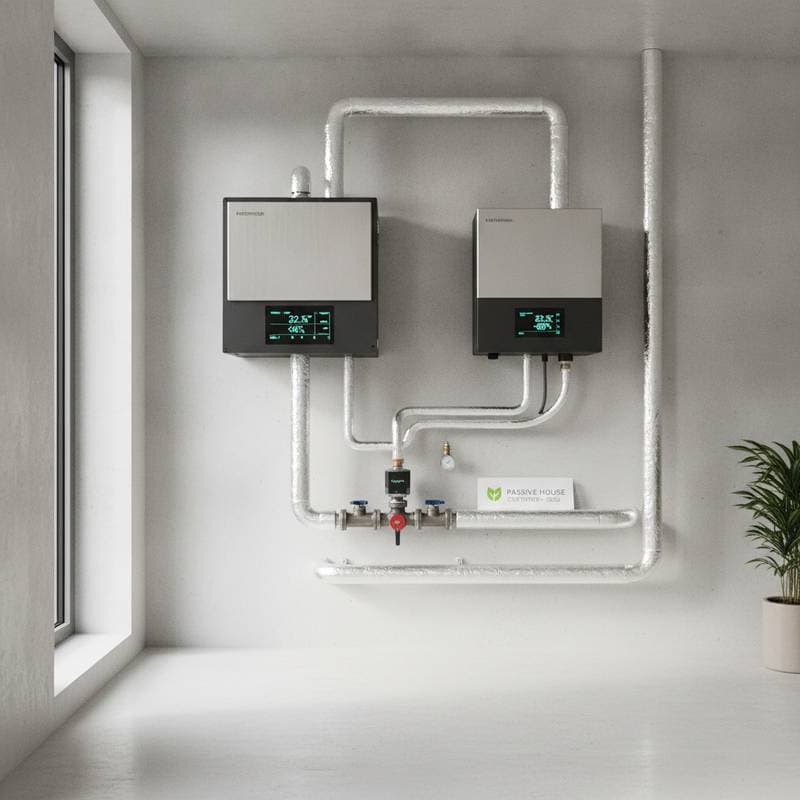
A heat pump forms the central component of an all-electric home, functioning as a device that shifts heat between interior and exterior environments. During summer, it removes indoor heat and expels it outside; in winter, it reverses to draw outdoor heat indoors. Contemporary cold-climate models sustain performance in subzero conditions.
Pro Tip: Select a certified installer experienced with variable-speed compressors and refrigerant handling. Proper sizing proves critical; oversized units cycle inefficiently, while undersized ones falter in extreme weather.
Step 2: Switch to Induction Cooking
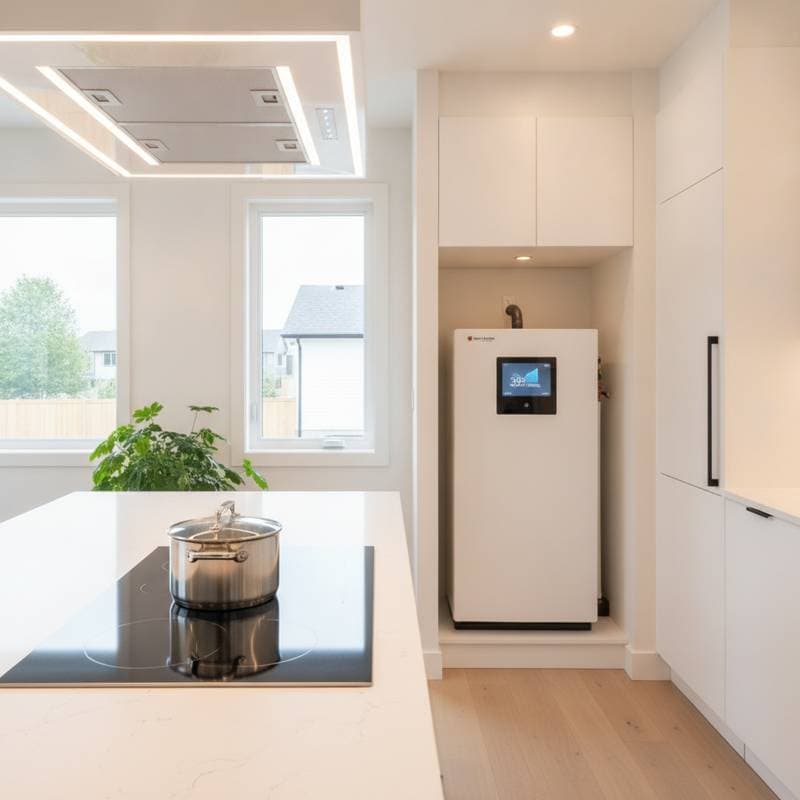
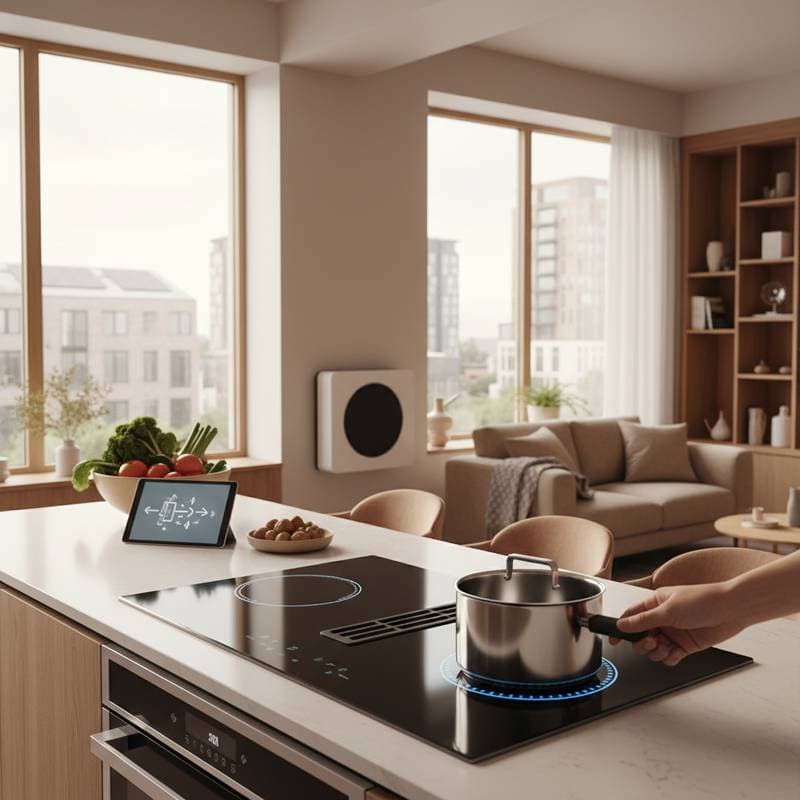
Induction cooktops offer a straightforward upgrade with significant rewards. They heat rapidly, adjust precisely, and avoid the emissions from gas combustion. Professional cooks favor induction for its accuracy and control.
Quick Facts:
- Water boils 25 to 50 percent faster than on gas.
- Overall energy use decreases by approximately 10 percent.
- Surfaces remain cooler, enhancing safety around children and pets.
Step 3: Electrify Water Heating
Heat pump water heaters extract ambient air warmth to heat water efficiently, potentially reducing energy consumption by up to 65 percent. Many include intelligent controls that optimize for lower off-peak rates, amplifying savings.
Step 4: Incorporate Solar Panels and Battery Storage
Combining solar panels with all-electric systems allows appliances to utilize self-generated renewable energy. Battery storage ensures power availability during outages. Initial costs range from $10,000 to $25,000, but rebates and energy offsets recover expenses over time.
Step 5: Enhance Sealing, Insulation, and Efficiency
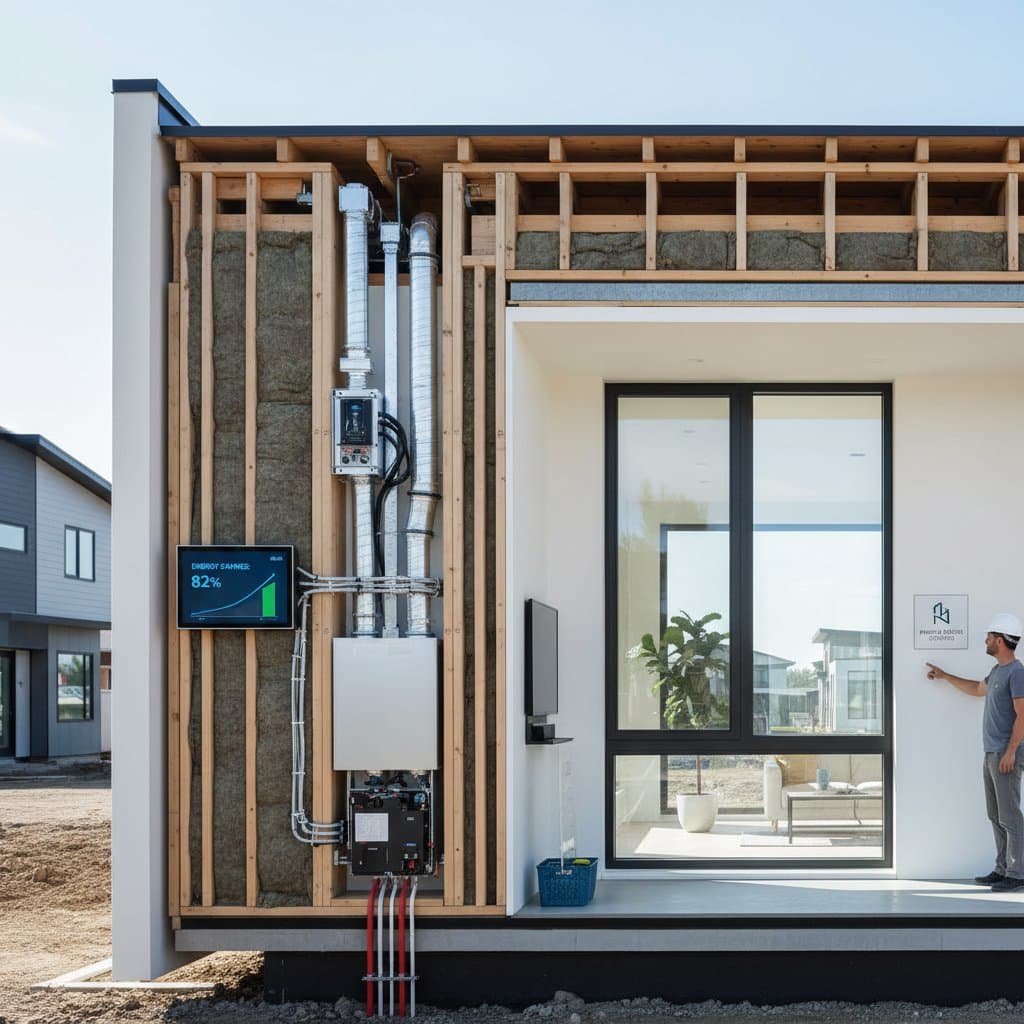
Superior electric systems underperform in poorly sealed homes. Upgrading insulation and addressing air leaks retains conditioned air effectively. Target elevated R-values in attics, walls, and floors; a professional energy audit identifies specific leakage points.
Budgeting and Return on Investment
Electrification represents an investment with quicker returns than anticipated. A complete home conversion costs between $15,000 and $40,000, varying by home size and current setup. Annual energy savings of 30 to 60 percent often yield payback within five to ten years.
Rebates and tax credits alleviate upfront expenses, frequently covering 30 percent or more of costs. Research regional programs through local utilities before proceeding, as availability differs.
Expert Insight: Sequence upgrades strategically, beginning with high-impact items like HVAC systems. Follow with appliances and water heating to manage finances and prevent electrical overloads.
Steering Clear of Frequent Errors
Homeowners encounter avoidable issues during electrification. Common oversights include:
- Neglecting Electrical Panel Capacity: Aging homes often require panel upgrades to handle increased demand. A 200-amp service supports long-term needs.
- Overlooking Duct Integrity: Leaky ducts squander up to 30 percent of heated or cooled air. Seal them prior to heat pump installation.
- Disregarding Ventilation Needs: Maintain adequate airflow with efficient range hoods and energy recovery ventilators, even absent gas combustion.
- Attempting Unqualified Electrical Work: Engage licensed electricians for all wiring and panel modifications to comply with codes and safeguard insurance.
Broader Environmental Impacts
Each all-electric home advances systemic change. Widespread adoption reduces fossil fuel demand, enabling grids to prioritize renewables. In solar-rich areas, this alignment yields tangible carbon reductions.
Dr. Lena Ortiz, an environmental systems engineer, notes, “Electrification at the household level drives grid decarbonization faster than almost any other residential strategy.” Collective shifts encourage utilities to expand clean energy infrastructure confidently.
Advantages for Communities and Daily Life
Electrified areas benefit from better air quality and reduced noise, as combustion exhaust diminishes. Residents gain stability against volatile fuel prices. Envision powering cooking, heating, and electric vehicle charging with rooftop-generated energy—a practical reality today.
Local green building initiatives, including contractor networks and retrofit support, facilitate resource sharing. Consult certified experts through established platforms for personalized assessments.
Advancing to an All-Electric Lifestyle
Electrifying a home demands deliberate planning, skilled professionals, and alignment with personal goals. Start with a system evaluation, energy audit, and upgrade schedule. View each initiative as an element in a cohesive framework promoting efficiency, affordability, and ecological responsibility.
Success hinges on partnerships with qualified contractors, utilization of incentives, and adaptability to emerging technologies. In short order, your home can operate more economically, deliver reliable comfort, and support planetary health.
Frequently Asked Questions
Q: How much maintenance does an all-electric home require?
A: Requirements remain lower than for gas systems. Heat pumps demand filter replacements and coil cleanings biannually, while induction cooktops and electric water heaters need little attention. Professional annual inspections ensure peak performance.