Key Benefits of Home Electrification
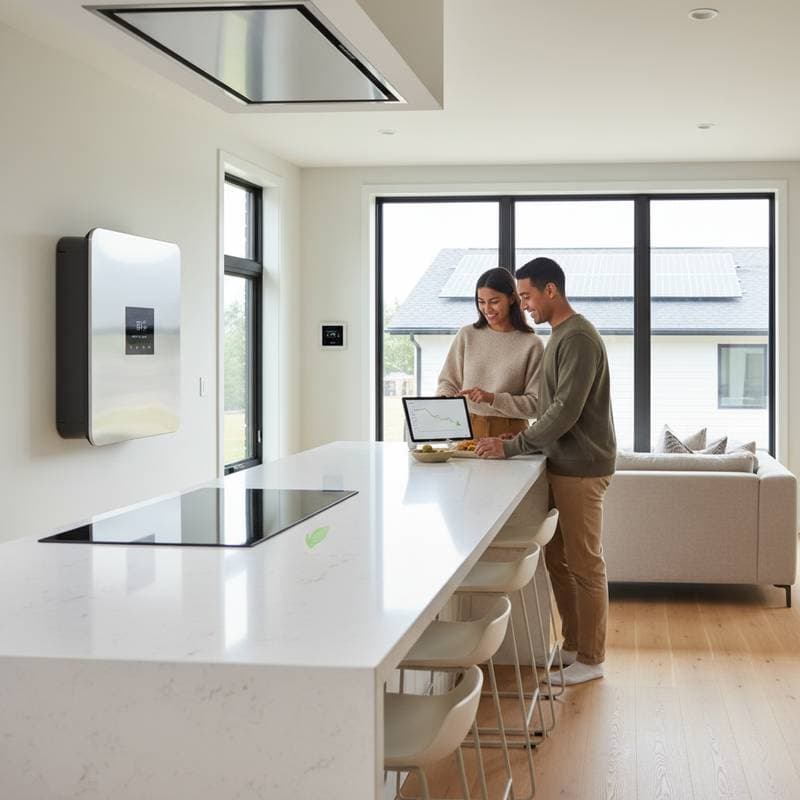
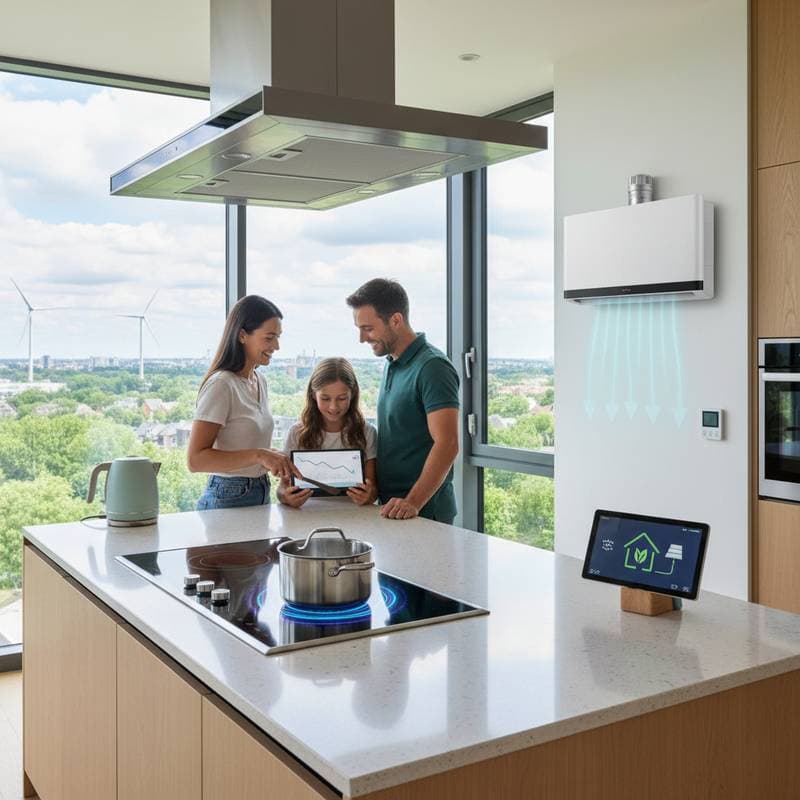
- Electric appliances replace gas systems to lower monthly utility bills and enhance indoor air quality.
- These upgrades align with expanding renewable energy sources, steadily decreasing a home's carbon footprint.
- Initial investments yield returns through reduced operating costs, available rebates, and elevated property values.
- Gradual implementation avoids budget pressures while preparing the home for future energy needs.
Understanding Home Electrification
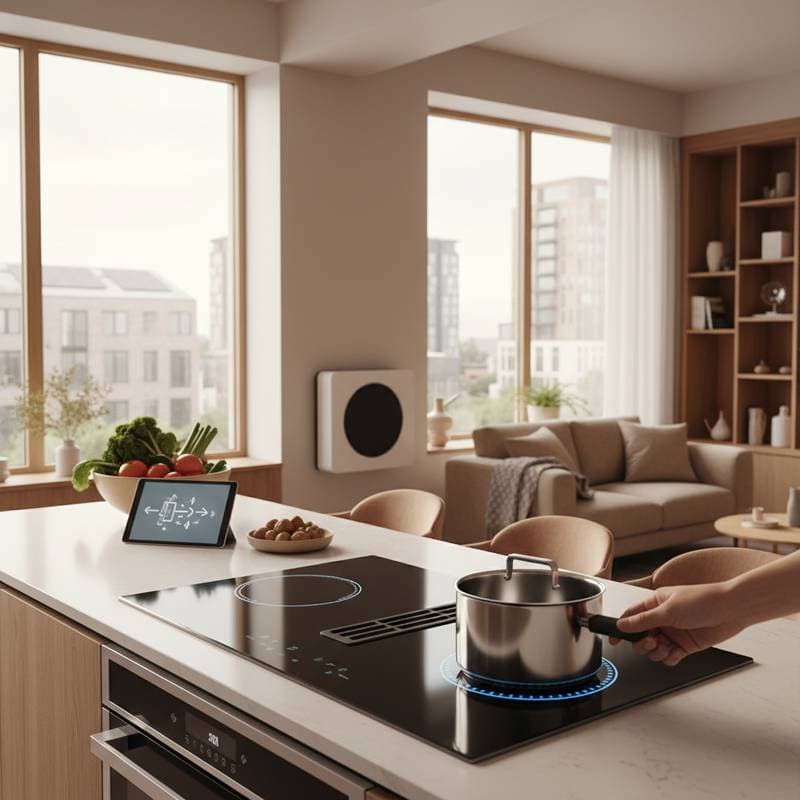
Home electrification involves replacing gas-powered equipment with electric equivalents. Common changes include installing induction cooktops in place of gas stoves, heat pump water heaters instead of gas models, and heat pump heating and cooling systems to substitute for gas furnaces. These shifts offer strong environmental and economic advantages.
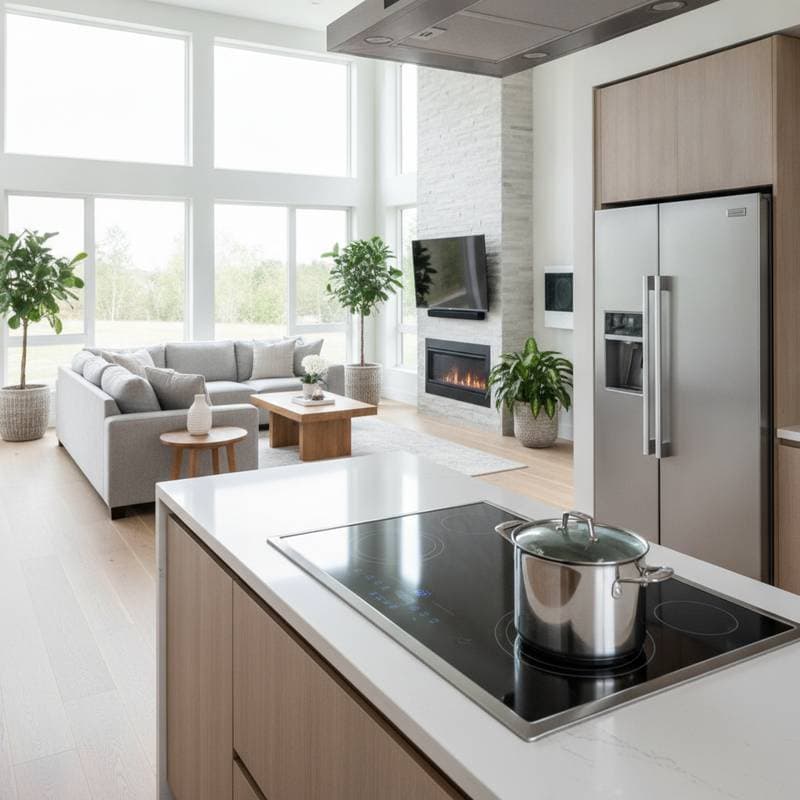
From a financial perspective, electricity delivers more value per unit when applied through efficient devices. Contemporary electric appliances transform energy into usable heat or mechanical work with little loss. For instance, an induction cooktop directs approximately 90 percent of its energy straight to the cookware, far surpassing the 40 percent efficiency of a typical gas burner.
On the environmental side, electrification eliminates on-site fossil fuel combustion, thereby cutting direct emissions within the home. As utility grids integrate greater shares of renewable sources, the carbon impact of electric-powered homes diminishes progressively. This means that residing in a fully electric home grows cleaner with each passing year.
Analyzing Costs and Return on Investment
The expenses for electrifying a home fluctuate based on factors like the property's size, regional utility prices, and selected equipment. A complete overhaul, covering heating and cooling, water heating, and kitchen appliances, typically falls between $10,000 and $30,000.
However, a broader view reveals substantial long-term gains. Examine these components:
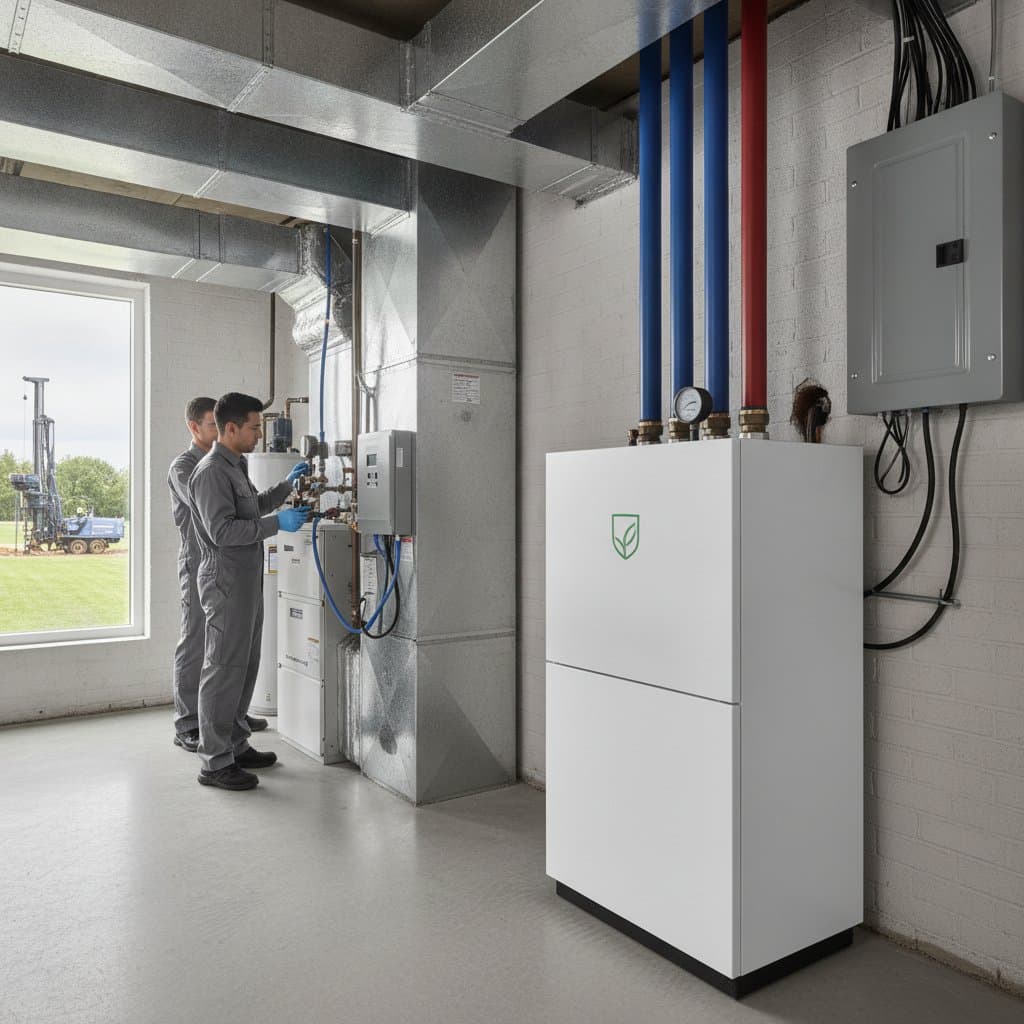
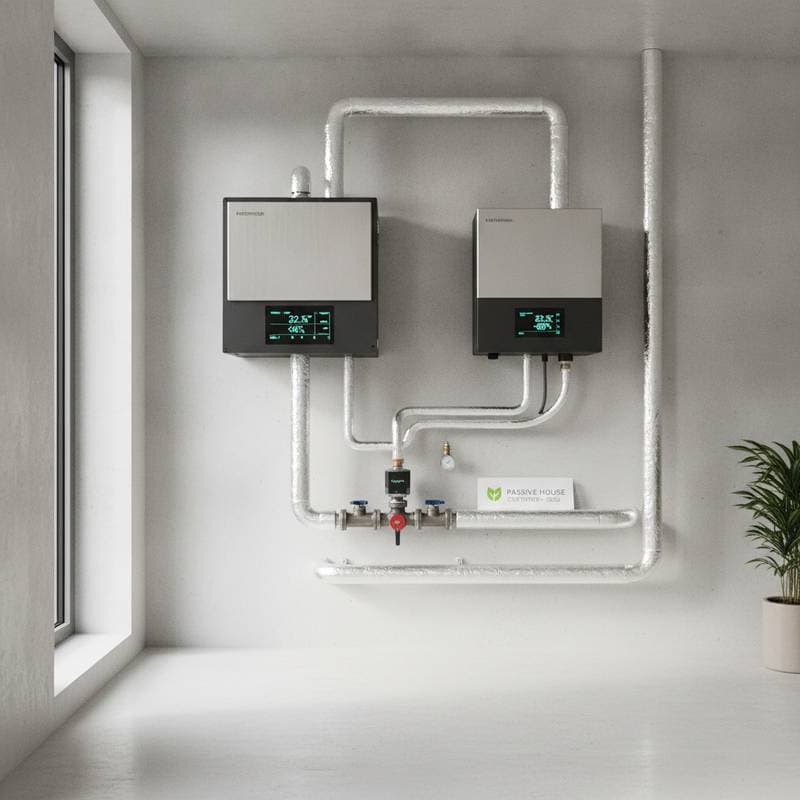
- Heat Pumps: Installation costs range from $4,000 to $8,000. Annual savings on heating and cooling may amount to $800 to $1,500, varying by local climate and unit efficiency.
- Induction Cooktops: Prices span $1,000 to $3,000, accompanied by savings on ventilation maintenance and surface cleaning.
- Heat Pump Water Heaters: These units cost $1,500 to $3,000 and reduce water heating expenses by as much as 60 percent.
When accounting for rebates from utilities, federal tax credits, and ongoing bill reductions, most owners recover their investment in 7 to 12 years. Stable electricity rates combined with potential gas price increases accelerate this timeline further.
Beyond savings, electrification boosts market appeal. Prospective buyers favor homes with lower operating costs and superior air quality. Real estate analyses indicate that energy-efficient or fully electric properties command premiums of 2 to 5 percent over similar gas-reliant homes.
Key Considerations for Electrification Projects
Multiple elements affect the overall cost and effectiveness of an electrification initiative.
- Regional Utility Pricing: Areas with lower electricity rates compared to gas see quicker financial returns. In higher-cost electricity zones, the superior efficiency of electric systems often compensates for the difference.
- Local Climate: In colder regions, select advanced cold-climate heat pumps engineered for optimal operation below freezing temperatures.
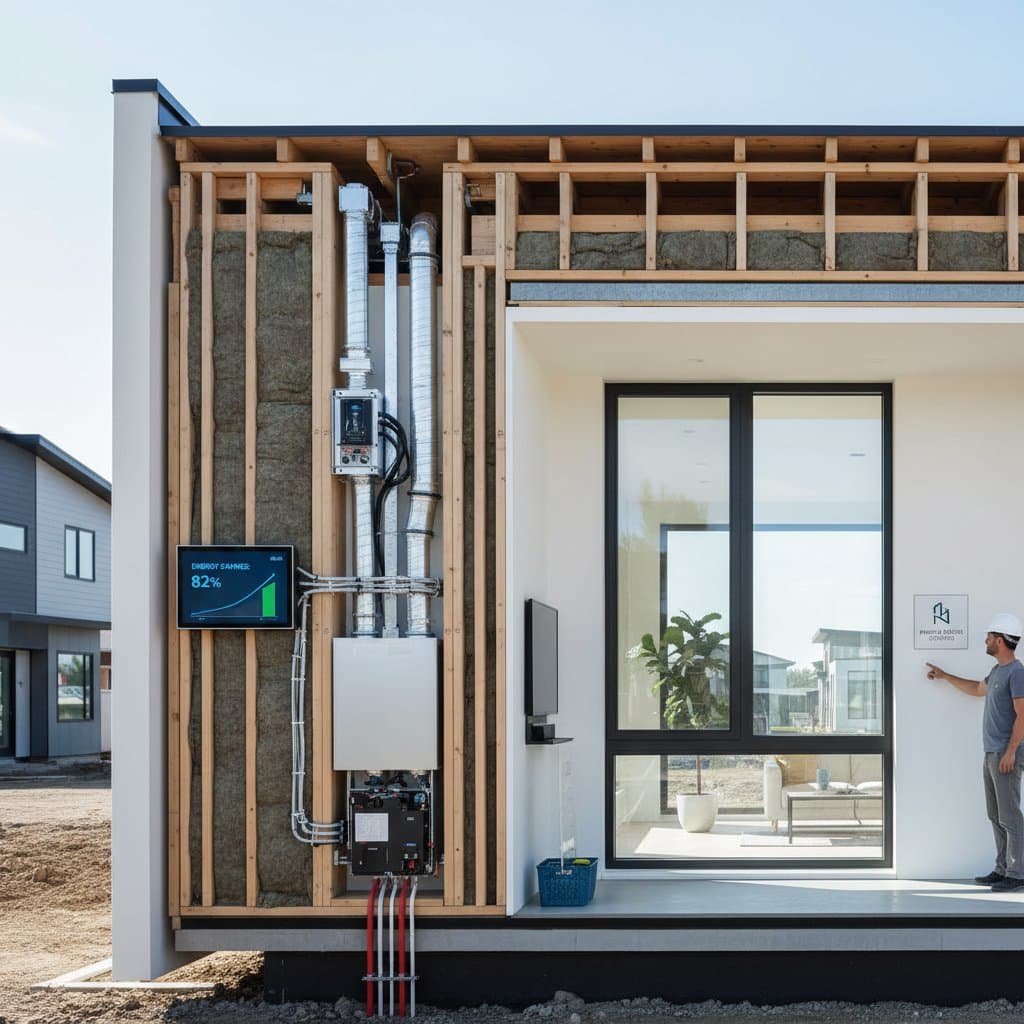
- Home Insulation and Sealing: Enhancing the building envelope minimizes energy loss, allowing electric systems to perform more effectively.
- Electrical Infrastructure: In established neighborhoods, consult utilities for possible panel expansions or service modifications.
- Household Habits: Properties with frequent cooking, hot water use, or heating demands experience the greatest cost reductions from these upgrades.
Insights from Energy Professionals and Practical Steps
Experts in building science and energy assessment advocate for a deliberate sequence in upgrades. Prioritize efficiency measures before electrification. For example, sealing air leaks and adding insulation permits the selection of a more compact, affordable heat pump.
Consider these actionable recommendations:
- Conduct an Energy Audit: Pinpoint inefficiencies in your current setup to guide targeted improvements.
- Identify High-Impact Areas: Focus on appliances or systems showing the largest energy waste.
- Research Financial Support: Investigate rebates and incentives from local utilities and government programs for electric upgrades.
- Hire Qualified Installers: Choose contractors experienced in electric technologies, particularly heat pump systems, to ensure proper execution.
- Prepare Infrastructure Ahead: Upgrade electrical panels and wiring early to simplify subsequent appliance installations.
Implementing Electrification Gradually
Homeowners need not overhaul everything at once. A step-by-step strategy, replacing items as they age, proves effective for many. Each electric addition delivers instant benefits in comfort and efficiency.
Begin with pressing needs. When a furnace approaches replacement, opt for a heat pump to handle both heating and cooling. For avid cooks, an induction cooktop provides precise temperature control and effortless cleanup. These incremental changes accumulate, resulting in a more economical, comfortable, and eco-friendly home.
Electrification transcends mere renovations; it represents a commitment to durability, well-being, and planetary health. The advantages surpass reduced expenses and silent operation. They encompass assurance that your living space and its energy use foster a more sustainable world for future generations.