Understanding Modular Homes
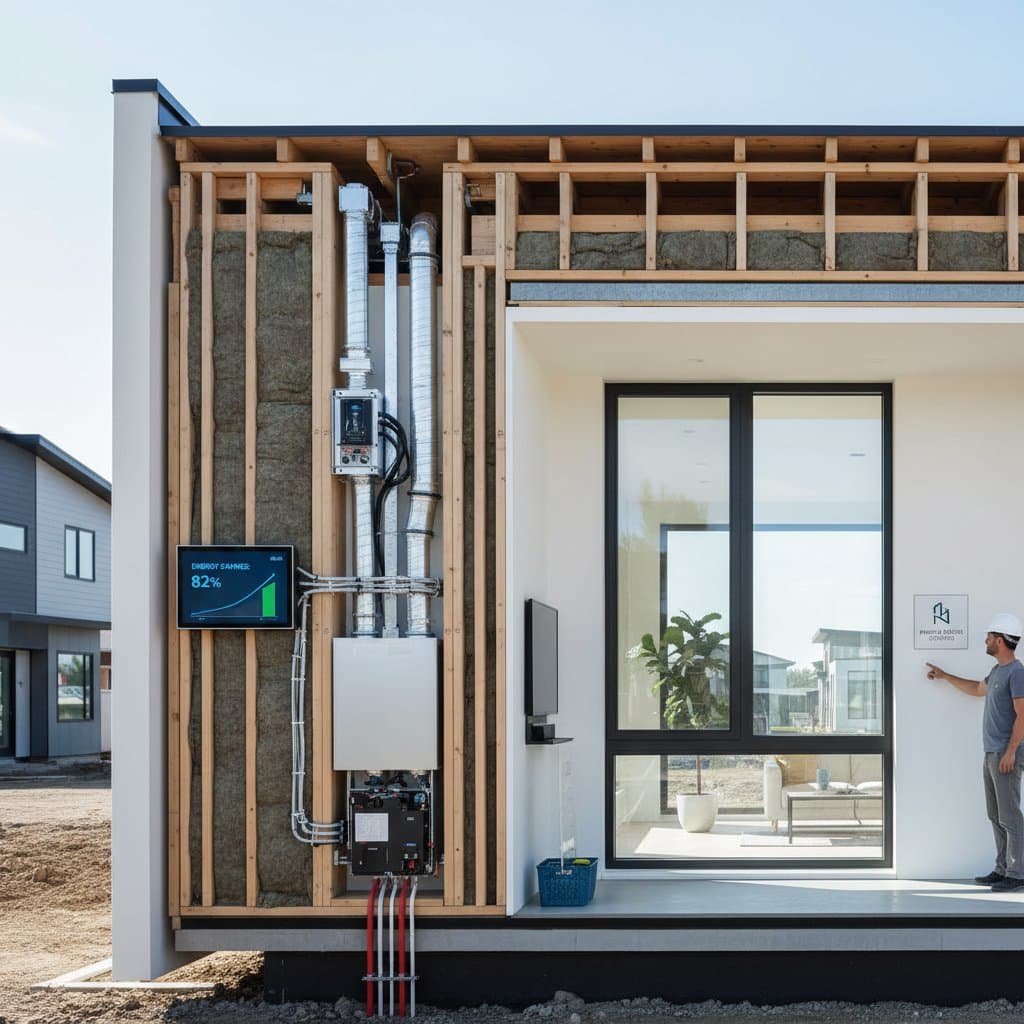
Modular homes represent a innovative approach to residential construction. These structures consist of prefabricated sections built in a controlled factory environment and then assembled on-site. This method contrasts with traditional stick-built homes, where construction occurs entirely at the location.
Factory production allows for precise engineering and quality control. Components arrive ready for rapid installation, minimizing weather-related delays. Homeowners benefit from a streamlined process that aligns with modern demands for efficiency.
The Time-Saving Advantage
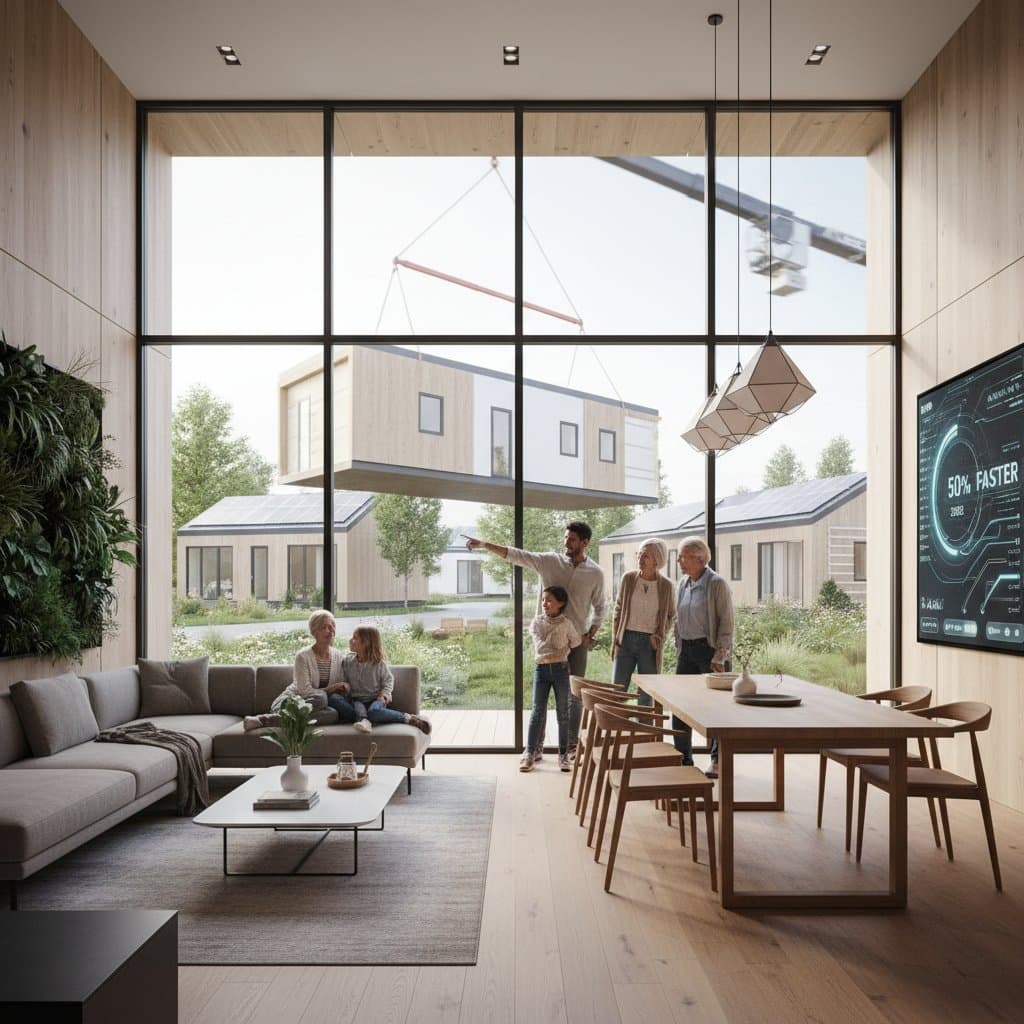
One primary benefit of modular construction involves reduced build times. Traditional homes often require six to twelve months from groundbreaking to occupancy. Modular homes achieve completion in half that duration, typically three to six months.
This acceleration stems from parallel workflows. While the foundation prepares on-site, modules undergo simultaneous fabrication indoors. Upon delivery, assembly proceeds swiftly, often within weeks.
By 2026, advancements in automation and supply chain optimization will further shorten timelines. Industry experts project even greater efficiency as modular techniques gain widespread adoption.
Environmental and Waste Reduction Benefits
Modular homes excel in sustainability. Factory settings enable precise material cuts, resulting in minimal waste compared to on-site practices. Traditional construction generates up to 30 percent waste, whereas modular methods limit it to under 10 percent.
Materials selection emphasizes eco-friendly options. Recycled steel, sustainably sourced wood, and low-VOC finishes feature prominently. These choices lower the carbon footprint from production through occupancy.
Energy efficiency integrates seamlessly. Modules incorporate superior insulation, energy-efficient windows, and solar-ready designs. Homeowners realize lower utility bills and reduced environmental impact over the home's lifespan.
Cost Implications and Long-Term Value
Initial costs for modular homes align closely with traditional builds, often ranging from 150 to 300 dollars per square foot. Savings emerge in labor, time, and material efficiency. Financing options mirror those for site-built homes, with comparable mortgage rates.
Long-term value appreciates through durability. Factory-built components withstand transport and assembly stresses, backed by robust warranties. Resale potential increases as buyers seek sustainable, modern dwellings.
Customization remains flexible. Designs range from minimalist studios to expansive family layouts. Architects collaborate with manufacturers to tailor aesthetics and functionality to specific needs.
Emerging Trends for 2026
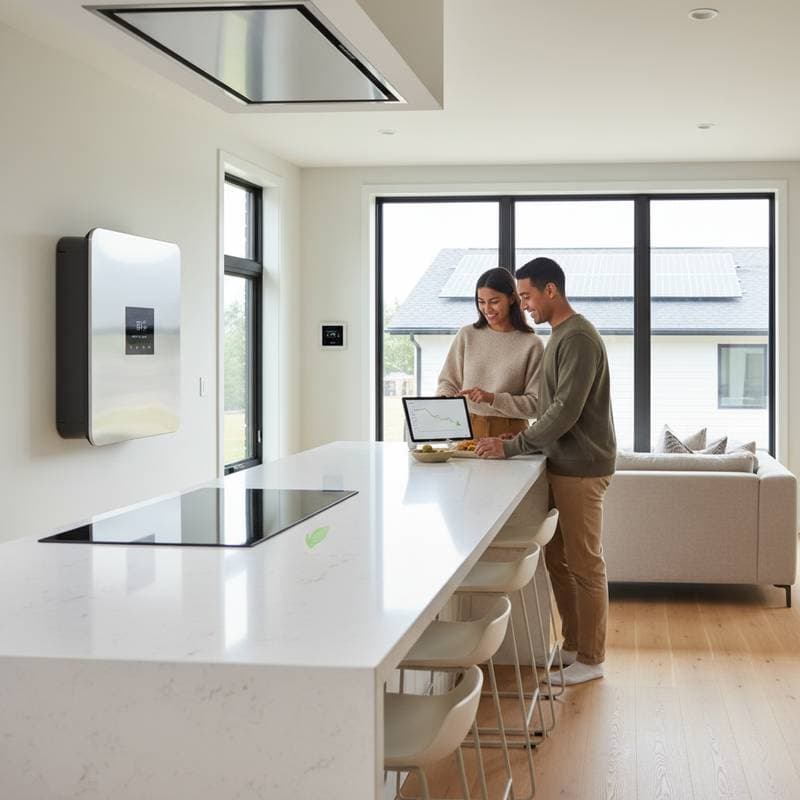
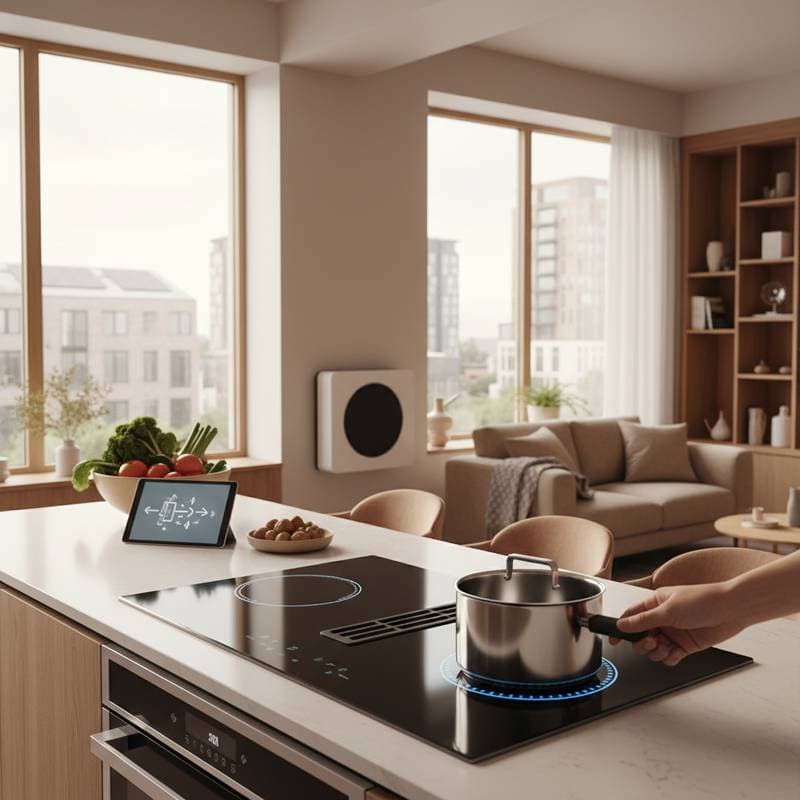
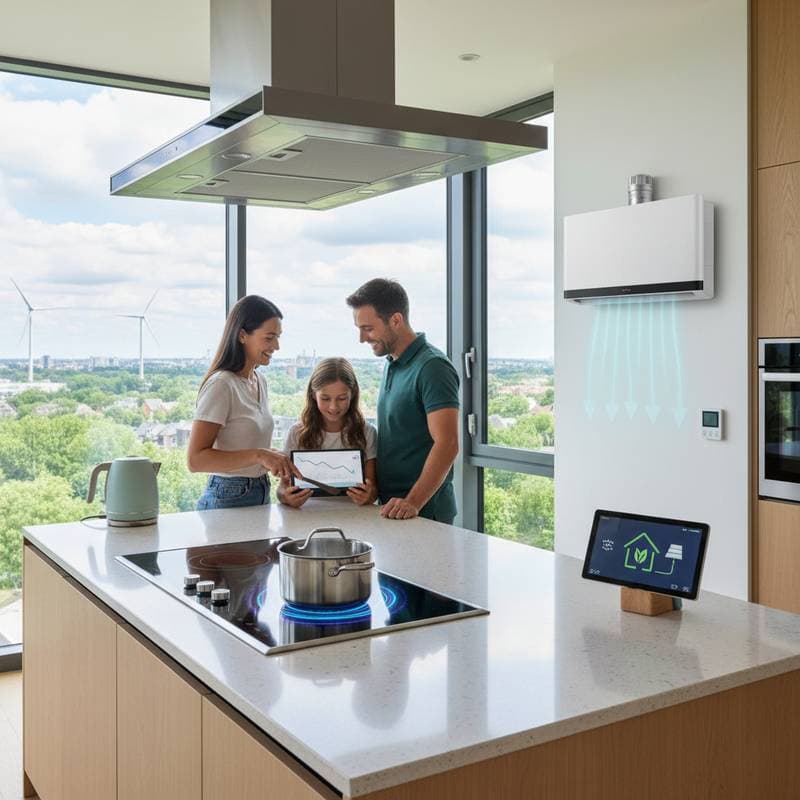
Looking ahead, modular construction evolves rapidly. Smart home integrations, such as automated lighting and climate controls, become standard. These features enhance comfort and efficiency without complicating the build process.
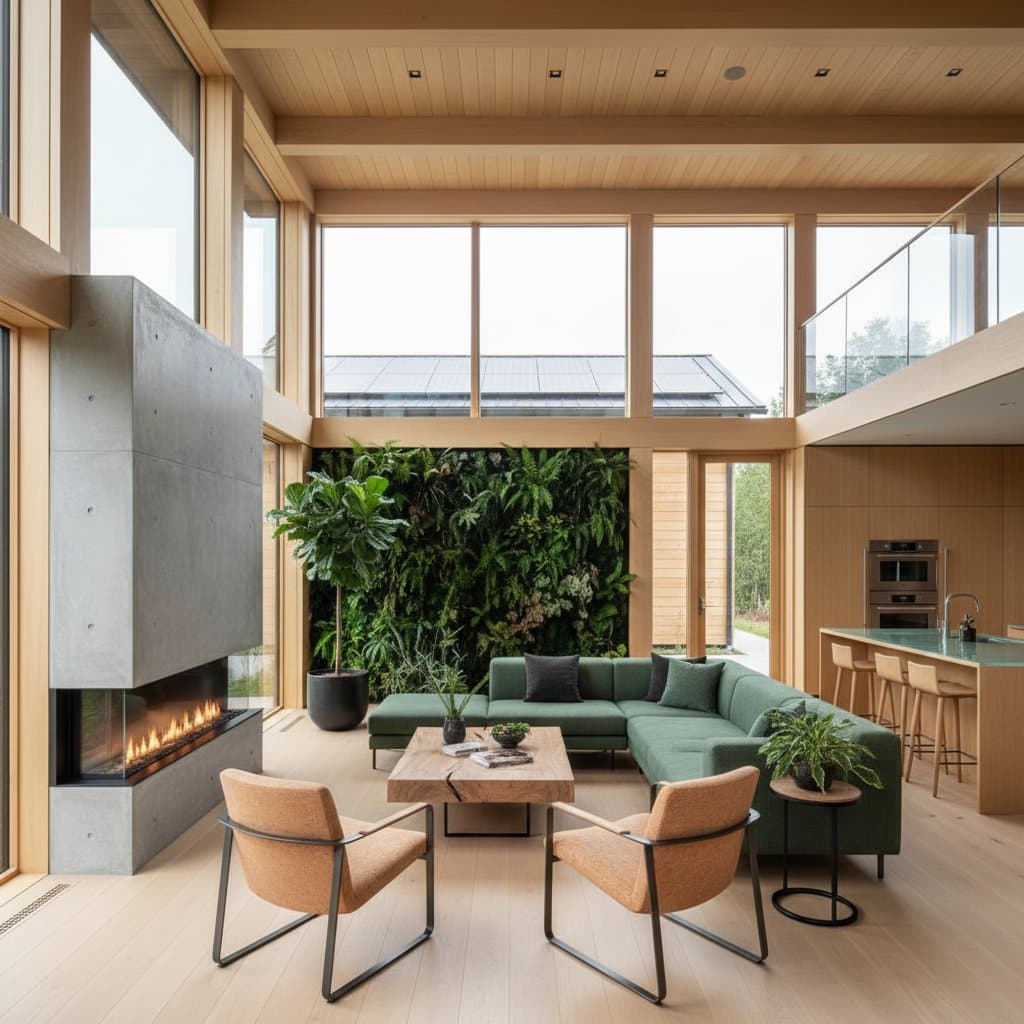
Sustainable innovations include net-zero energy designs. Homes generate as much power as they consume through integrated renewables. Biophilic elements, like green walls and natural ventilation, promote well-being.
Urban applications expand. Compact modular units address housing shortages in dense areas. Stackable designs support multi-family developments, fostering community-oriented living.
Steps to Pursue Modular Home Construction
-
Assess your needs and budget. Consult local zoning regulations to ensure modular homes qualify in your area.
-
Research certified manufacturers. Verify credentials through industry associations for quality assurance.
-
Engage professionals early. Architects and builders experienced in modular projects guide the design phase.
-
Plan for site preparation. Secure permits and prepare the foundation to align with module delivery schedules.
-
Monitor the process. Factory updates and on-site assembly provide transparency throughout construction.
Realizing Sustainable Housing Goals
Modular homes deliver practical solutions for forward-thinking homeowners. They combine speed, sustainability, and affordability to shape the future of living. As adoption grows, these structures set a benchmark for efficient, eco-conscious residences.