Key Points
- More than 50 cities restrict new natural gas hookups to lower emissions and enhance indoor air quality.
- Electrification through induction cooking and heat pump systems reduces a home's carbon footprint significantly.
- Switching to electric appliances saves thousands in energy costs over time and prepares properties for future regulations.
- Professional guidance from certified experts ensures a safe and efficient transition to sustainable living.
The Rise of Gas Bans and the Electrification Movement
As a green building professional, I often encounter homeowners facing a pivotal decision: continue relying on natural gas or transition to electric systems for a cleaner, healthier residence. Imagine preparing a meal with your family nearby, unaware that combustion byproducts linger in the air. Cities nationwide address this concern through policies that restrict or ban new natural gas connections, promoting all-electric homes.
These measures carry real weight. Natural gas accounts for substantial carbon emissions and indoor pollutants. For residents, such changes present an opportunity to redefine home comfort, safety, and environmental impact.
Why Cities Are Phasing Out Gas
Gas restrictions stem from pressing climate and health imperatives. Buildings generate about 13 percent of greenhouse gas emissions, primarily from gas-based heating, water heating, and cooking. Gas combustion indoors releases nitrogen dioxide and carbon monoxide, often surpassing safe outdoor levels in enclosed areas.
Municipalities also face escalating costs for gas infrastructure maintenance, including leak repairs and environmental hazards. Eliminating new gas lines helps curb these expenses and accelerates paths to carbon neutrality. In my experience, electrification aligns seamlessly with advancements in building science and renewable energy.
What Electrification Entails for Your Home
Electrification replaces fossil fuel-dependent systems with efficient electric options, ideally powered by renewables or cleaner grid sources. Key components include:
- Induction cooktops in place of gas stoves
- Heat pump systems for heating and cooling instead of gas furnaces
- Electric water heaters, preferably heat pump varieties
- Electric dryers and electric vehicle charging setups
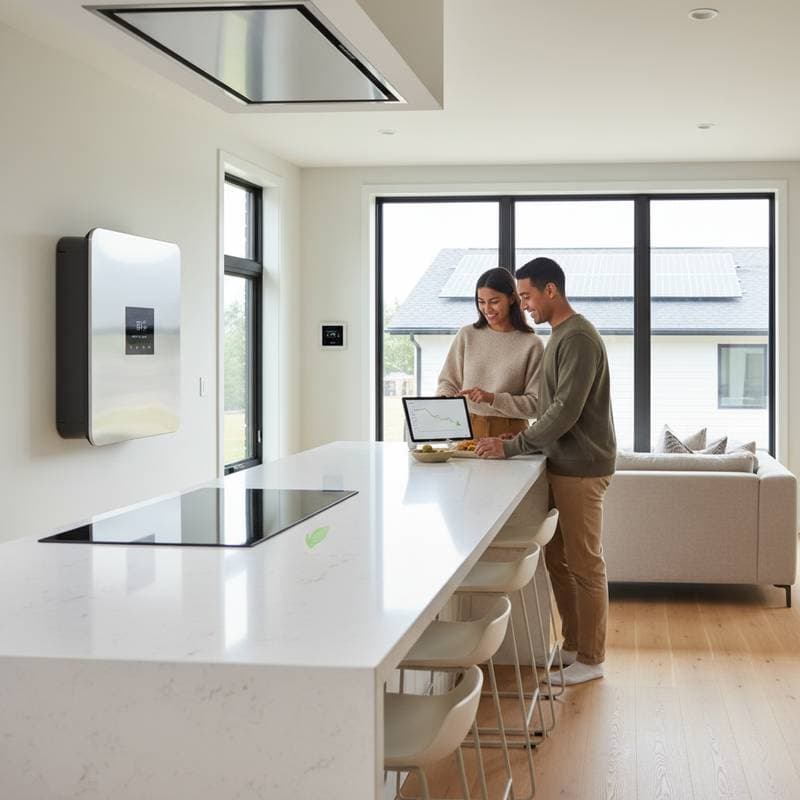
Integrating solar panels or renewable energy plans enables near-zero emissions. This approach creates a cohesive, energy-efficient home system.
Steps for a Successful Transition to Electrification
To shift from gas effectively, follow these structured steps recommended by experts.
1. Perform a Detailed Energy Audit
Begin with a certified energy audit to pinpoint high-energy usage areas and prioritize upgrades. These evaluations, costing $200 to $500, provide data that guides cost-saving decisions and identifies rebate eligibility.
2. Sequence High-Impact Upgrades
After the audit, implement changes progressively:
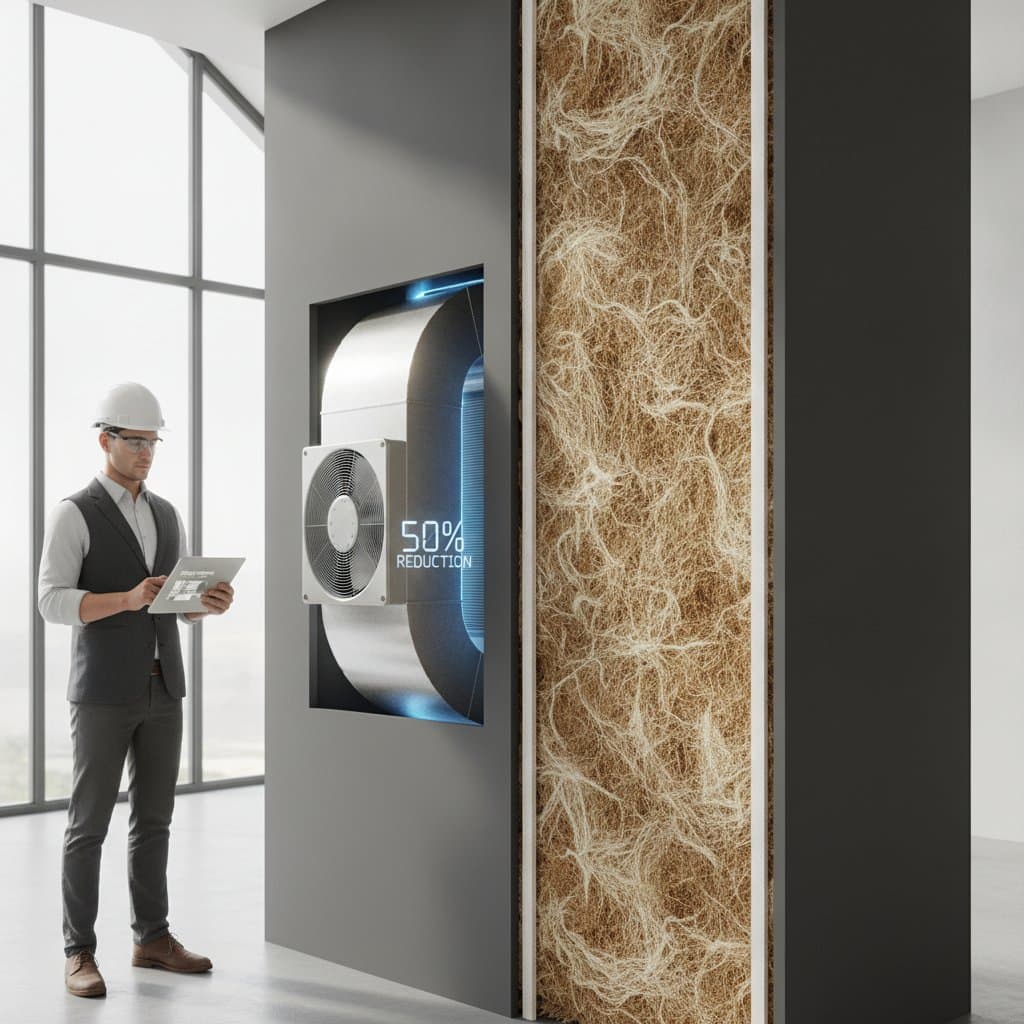
- Enhance insulation and air sealing to minimize energy escape.
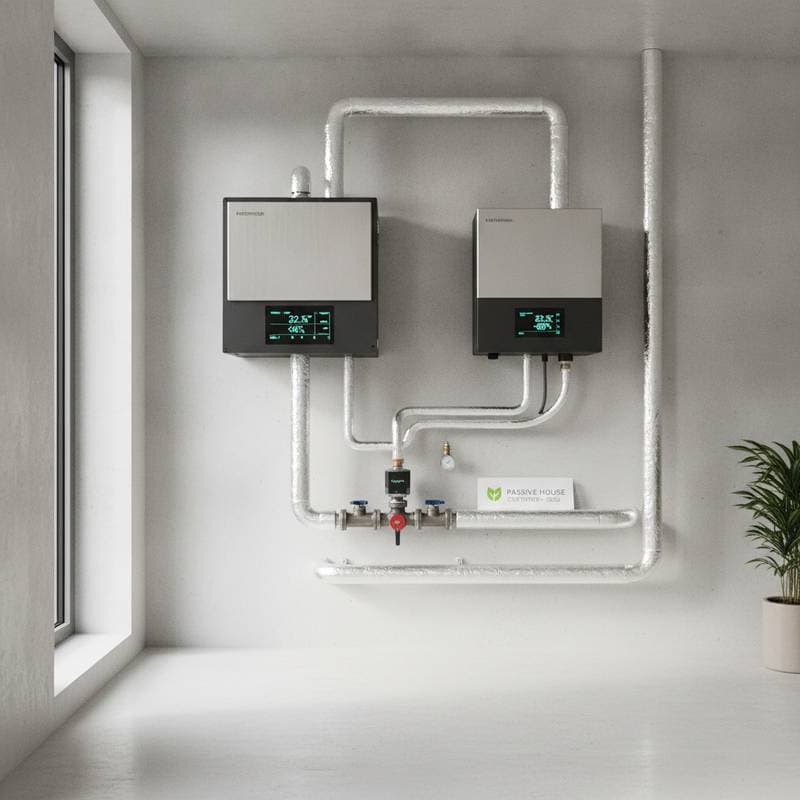
- Install a heat pump for integrated heating and cooling.
- Swap the gas water heater for a heat pump version.
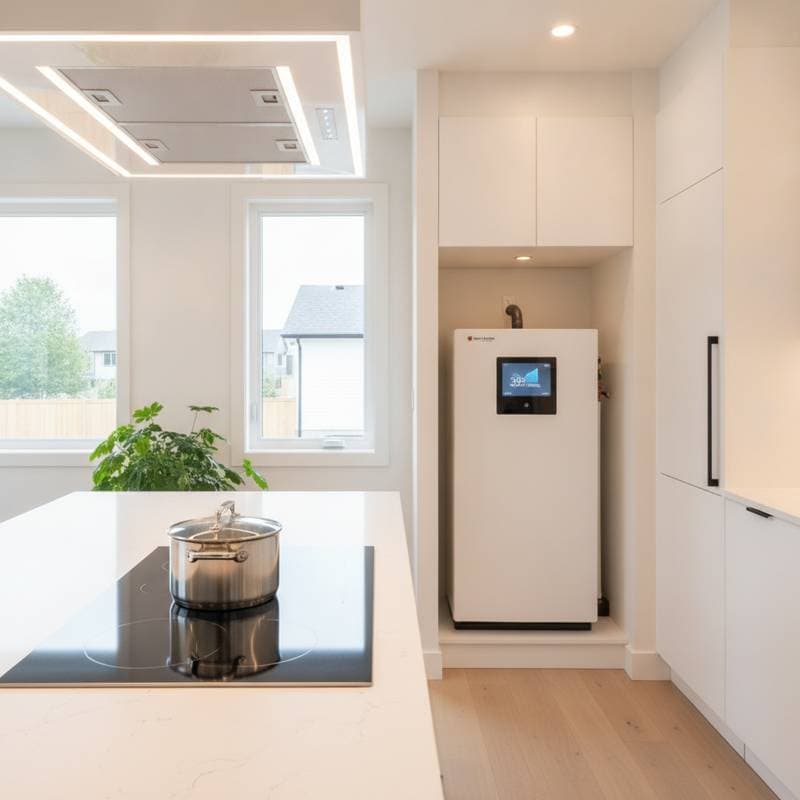
- Upgrade to an induction cooktop.
- Incorporate solar panels or join a renewable energy program to optimize clean power.
This phased method manages costs and disruptions while building efficiency.
3. Adopt Induction Cooking for Enhanced Kitchen Performance
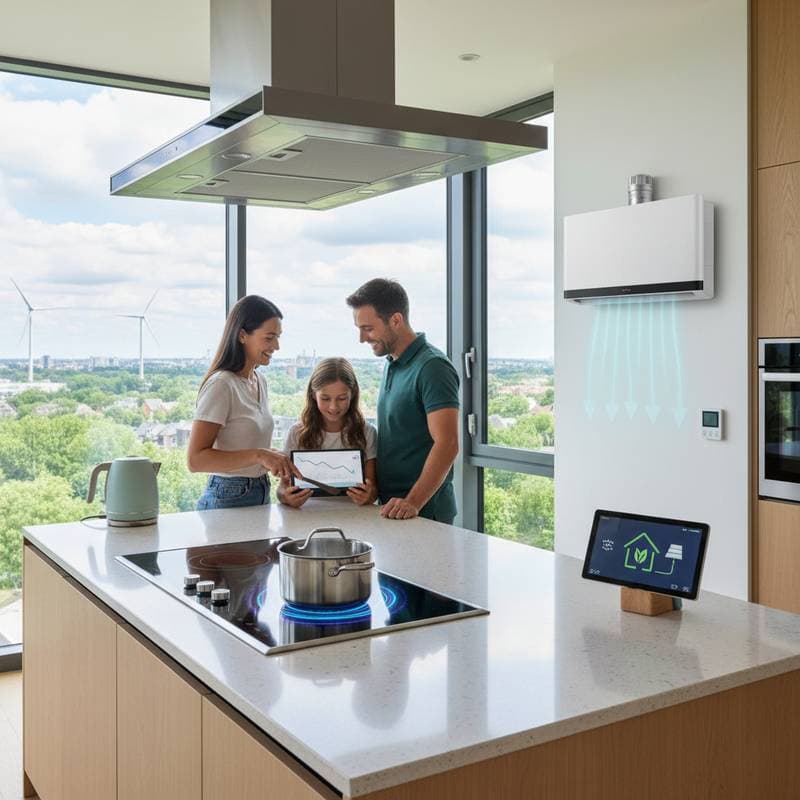
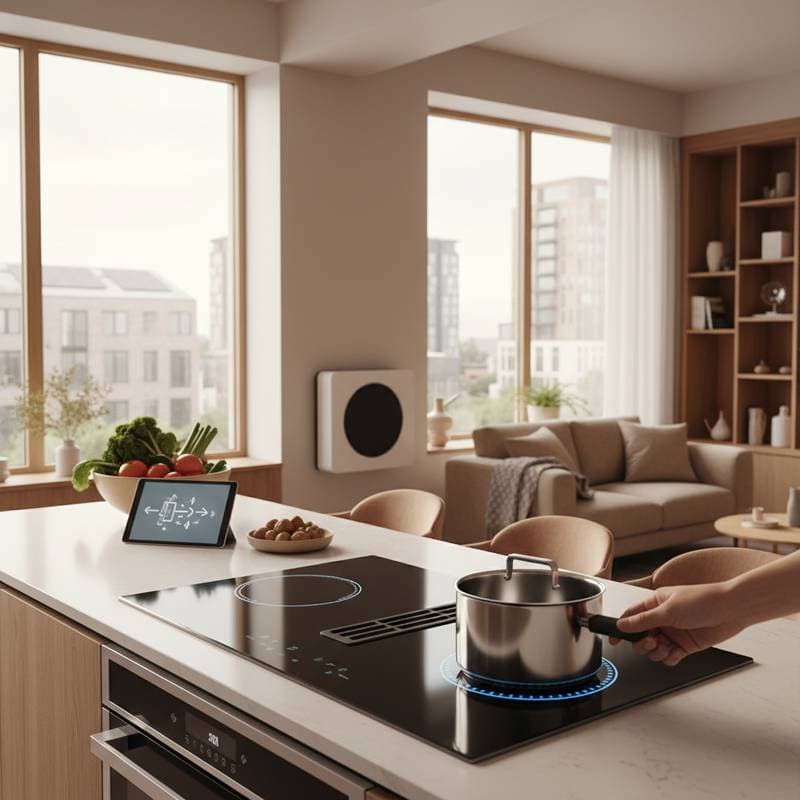
Induction cooktops offer a straightforward upgrade with immediate benefits. They employ magnetic fields to heat pots and pans directly, delivering rapid, accurate results without flames or emissions. Research from the American Council for an Energy-Efficient Economy indicates induction units outperform traditional electric stoves by 5 to 10 percent in efficiency and gas stoves by up to 70 percent.
Professional cooks appreciate the precise temperature control and safety features. The cooktop surface remains cool outside the cookware area, preventing burns, and spills wipe away easily without scorching.
4. Assess Electrical Infrastructure and Secure Permits
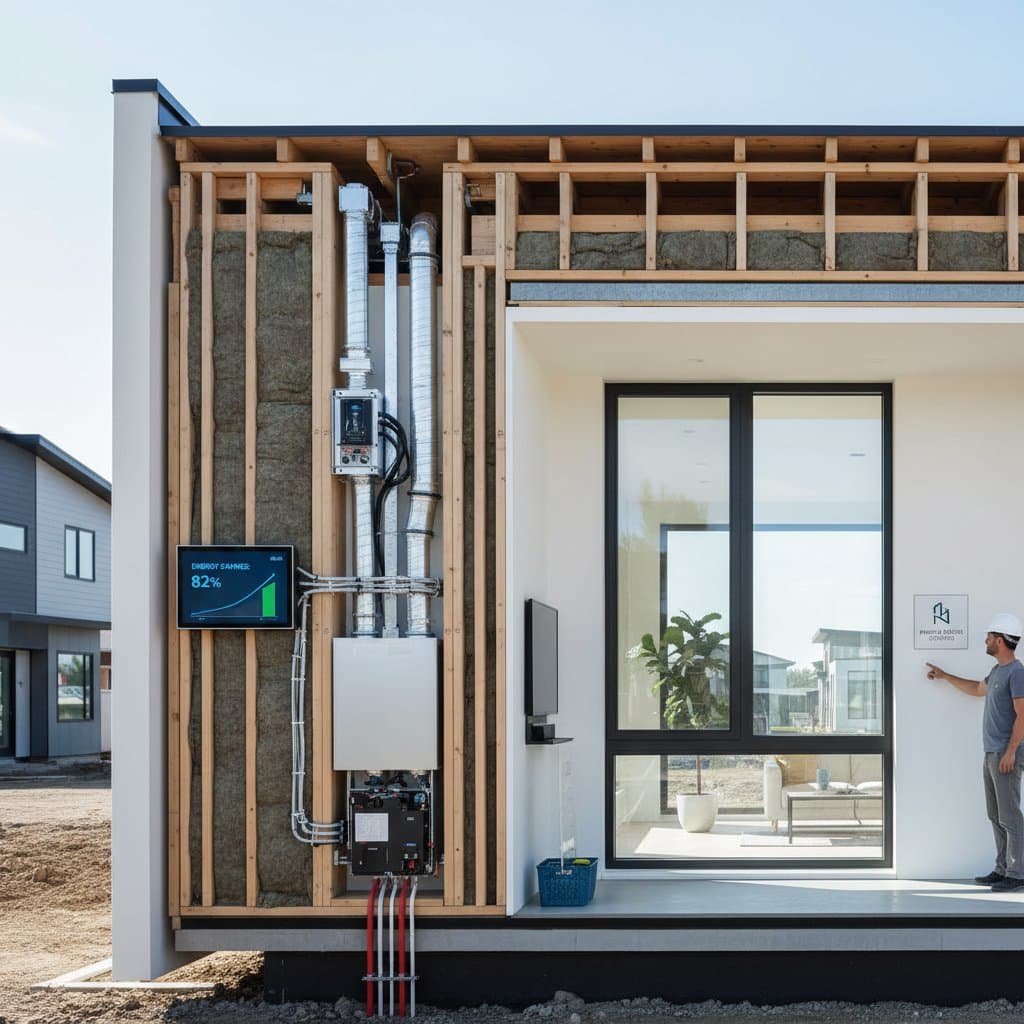
Electric conversions might necessitate panel upgrades, particularly in older structures. Engage a licensed electrician to evaluate capacity and wiring integrity. Obtain required permits for HVAC or appliance installations by consulting local building codes early.
A qualified green building specialist can coordinate these elements, ensuring compliance and safety.
5. Incorporate Renewable Energy Integration
Combining electrification with on-site solar generation lowers bills substantially. A typical residential solar setup ranges from $12,000 to $18,000 pre-incentives, with rebates often covering 30 percent or more. Systems typically recoup investments in eight to ten years via reduced utility payments and elevated home values.
Key Considerations for Homeowners
Evaluating Costs and Long-Term Value
Upgrade expenses depend on scale and home specifics:
- Induction cooktop: $1,200 to $3,000 including installation
- Heat pump HVAC: $8,000 to $15,000 based on square footage
- Heat pump water heater: $2,000 to $4,000
- Solar array: $12,000 to $18,000 prior to rebates
Initial investments yield returns through 30 to 50 percent lower heating bills from heat pumps and 20 percent reductions in cooking energy. These enhancements also protect against escalating gas prices and regulatory shifts.
Health and Ecological Advantages
Replacing gas appliances eliminates indoor pollutants, fostering better respiratory health and quieter spaces. This switch curtails household carbon output meaningfully. As environmental health researcher Dr. Lena Rodriguez notes, electrification provides a straightforward method to safeguard family well-being and support broader climate objectives.
Accessing Incentives and Support
Numerous regions provide rebates for electric systems, insulation, and renewables. Utility on-bill financing eases upfront burdens. Visit your local energy office website or consult a certified professional to uncover tailored programs.
Strategies to Maximize Home Efficiency
- Select Energy Star-certified lighting and appliances for optimal performance.
- Deploy smart thermostats to fine-tune energy consumption.
- Seal ducts and windows to retain conditioned air.
- Arrange routine servicing for HVAC and electrical components.
- Add ceiling fans to enhance airflow throughout seasons.
These adjustments complement electrification, yielding a resilient and comfortable living space.
Advancing Your Home's Sustainable Future
Moving beyond gas represents more than policy compliance; it elevates everyday living with environmental stewardship. Success depends on thoughtful planning, specialist input, and incremental progress. Homeowners I have assisted often realize substantial gains by initiating with accessible changes, such as an induction cooktop, to build confidence.
For personalized advice, connect with a certified green building expert through our platform for a complimentary review. Develop a plan aligned with your finances, schedule, and eco-priorities to secure lasting benefits.