Key Points
- All-electric homes eliminate fossil fuel dependence, cutting household emissions drastically.
- Electric systems like heat pumps and induction stoves outperform traditional gas and oil models in efficiency.
- Renewable power integration, from rooftop solar to community grids, transforms electric homes into self-sustaining ecosystems.
- Upfront costs are offset by long-term savings, cleaner indoor air, and improved energy resilience.
- Expert planning ensures local climate adaptation, compliance with codes, and maximum comfort year-round.
The Rise of the All-Electric Home
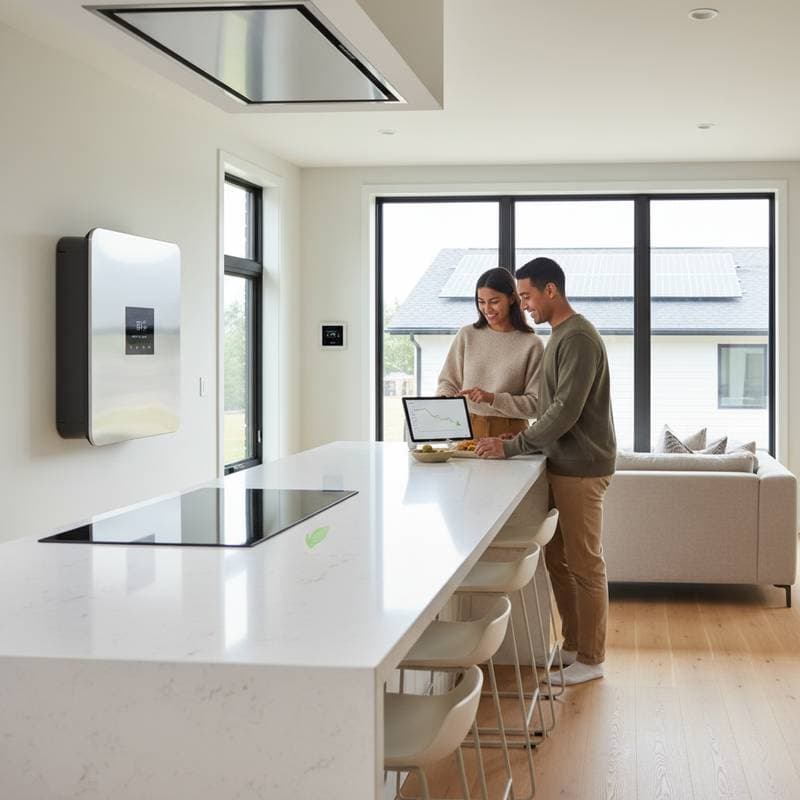
As a green building professional, I observe homeowners facing rising energy bills, fluctuating gas prices, and indoor air quality concerns. A common inquiry arises: can an all-electric home provide comfort, savings, and sustainability simultaneously? Imagine entering a residence that operates with quiet efficiency, maintains fresh air balance, and relies on renewable energy sources. This represents the core of an all-electric home, reshaping sustainable living practices.
In diverse communities, from coastal areas to mountain regions, residents recognize all-electric setups as more than a passing trend. They serve as practical responses to environmental and economic pressures. Proper design, technology, and guidance enable a home that enhances personal comfort while supporting planetary health.
The Problem: Fossil Fuel Dependency at Home
Natural gas and oil have long powered residential heating, cooking, and water systems. However, these fuels carry significant drawbacks. Gas appliances release methane, a greenhouse gas far more potent than carbon dioxide in heat retention. Combustion processes emit indoor pollutants that harm respiratory health and elevate maintenance needs.
In various regions, gas-dependent households experience energy consumption increases exceeding 30 percent during winter. Volatile fuel prices compound these issues, creating environmental and financial burdens. Through extensive field experience, I note clients trapped in elevated costs due to reliance on costly gas infrastructure that resists easy updates.
Electrification presents a viable alternative. Removing fossil fuels integrates the home into a cleaner, more flexible energy framework.
The Solution: Electrification as a Sustainable Blueprint
All-electric homes rely on electricity for primary functions such as space heating, cooling, water heating, and cooking. Sourcing this electricity from renewables like solar or wind minimizes the carbon footprint to near zero.
As a green building expert, I advise viewing electrification as a comprehensive upgrade, not isolated replacements. Components interconnect to form an ecosystem of comfort, efficiency, and durability.
Electric heat pumps, induction cooktops, and intelligent water heaters constitute the foundation. These elements match or exceed gas system performance, frequently at reduced operating costs and heightened safety.
Understanding the Core Components of an All-Electric Home
1. Electric Heat Pumps: The Heart of Comfort
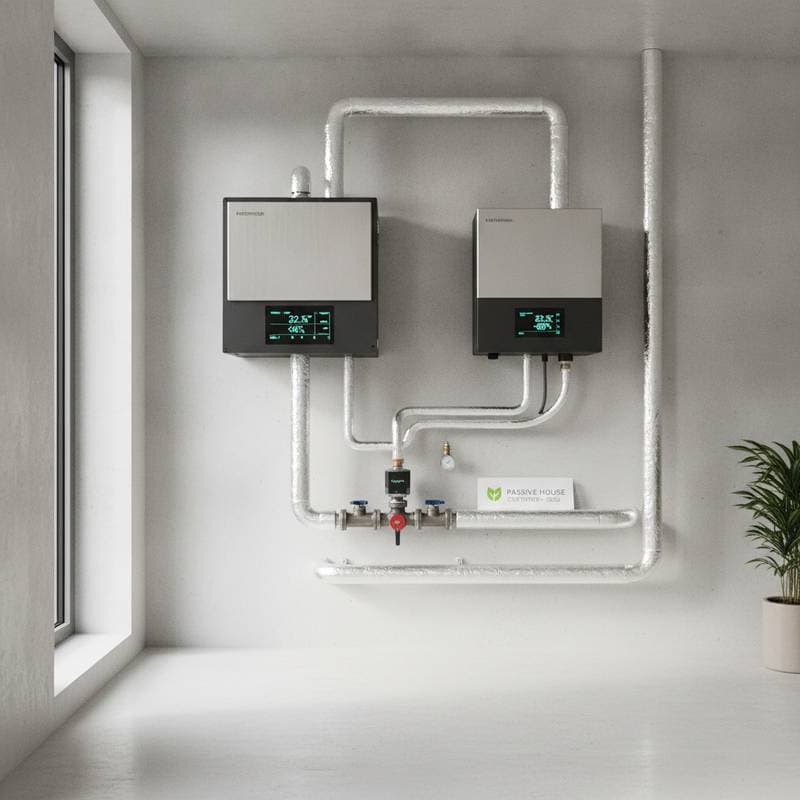
Heat pumps move heat rather than produce it, achieving high efficiency. During warm periods, they function as air conditioners; in cooler times, they extract heat from air or ground to warm interiors.
- Energy efficiency: Modern units provide three to four units of heat per unit of electricity used.
- Cost range: Installation costs $5,000 to $12,000, varying by home size and type (air source or ground source).
- Climate adaptation: Cold-climate models sustain output during extreme low temperatures.
A heat pump acts as a seasonal comfort regulator. Success depends on accurate sizing and expert installation.
2. Induction Cooking: Precision and Clean Air
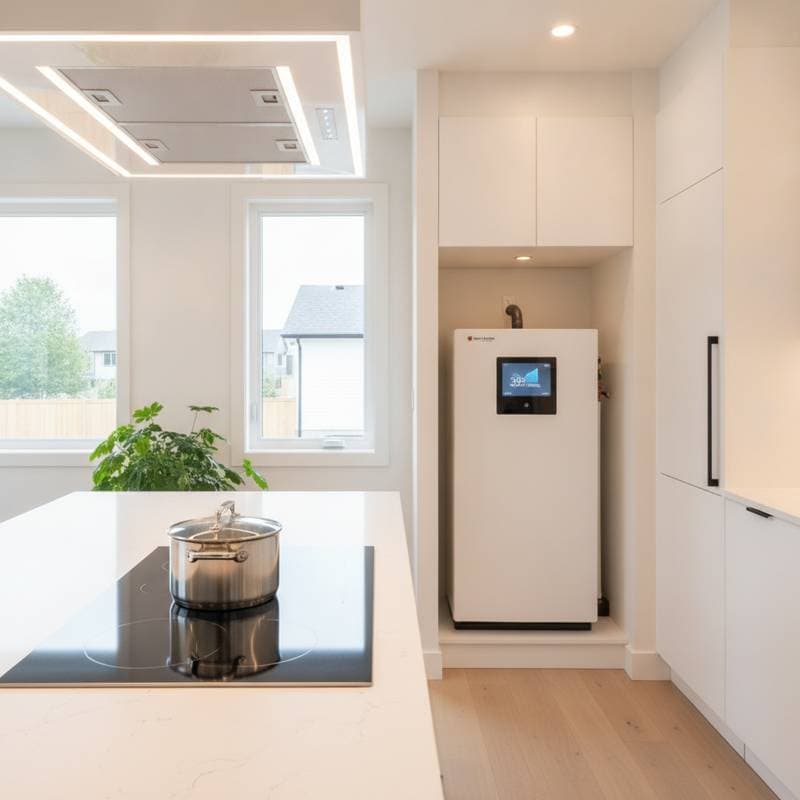
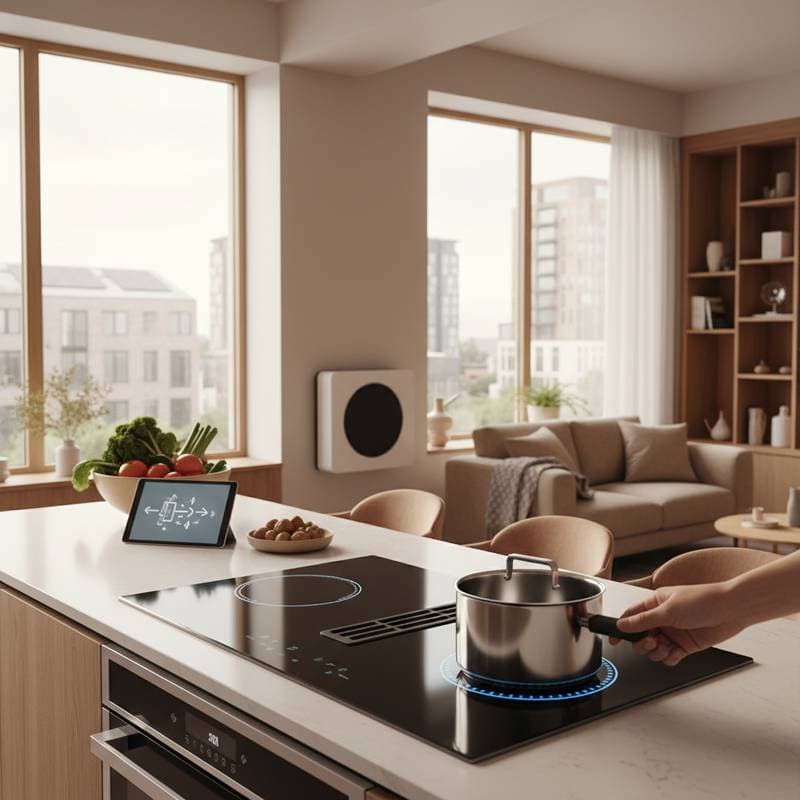
Induction cooktops employ electromagnetic fields to heat cookware directly, keeping surfaces cool. This method offers superior speed and control over gas, without combustion residues.
- Health benefits: Eliminates indoor nitrogen dioxide and particulates.
- Efficiency: Approximately 85 percent of energy transfers to cookware, versus 35 percent for gas.
- Practical tip: Magnetic cookware is required; many stainless steel and cast-iron items comply.
Chef Lina Perez, a sustainable kitchen consultant, states, "Once homeowners switch to induction, they rarely look back. The control and cleanliness are game-changing."
3. Electric Water Heating: Continuous, Clean Supply
Heat pump water heaters cut energy use for water heating by 60 percent or greater.
- Installation options: Standalone units or HVAC integrations.
- Smart features: Scheduling aligns with solar output or off-peak pricing.
- Estimated cost: $1,800 to $3,500, with frequent utility rebates.
Such heaters conserve energy and ensure reliable hot water during peak demands.
4. Renewable Integration: The Power Connection
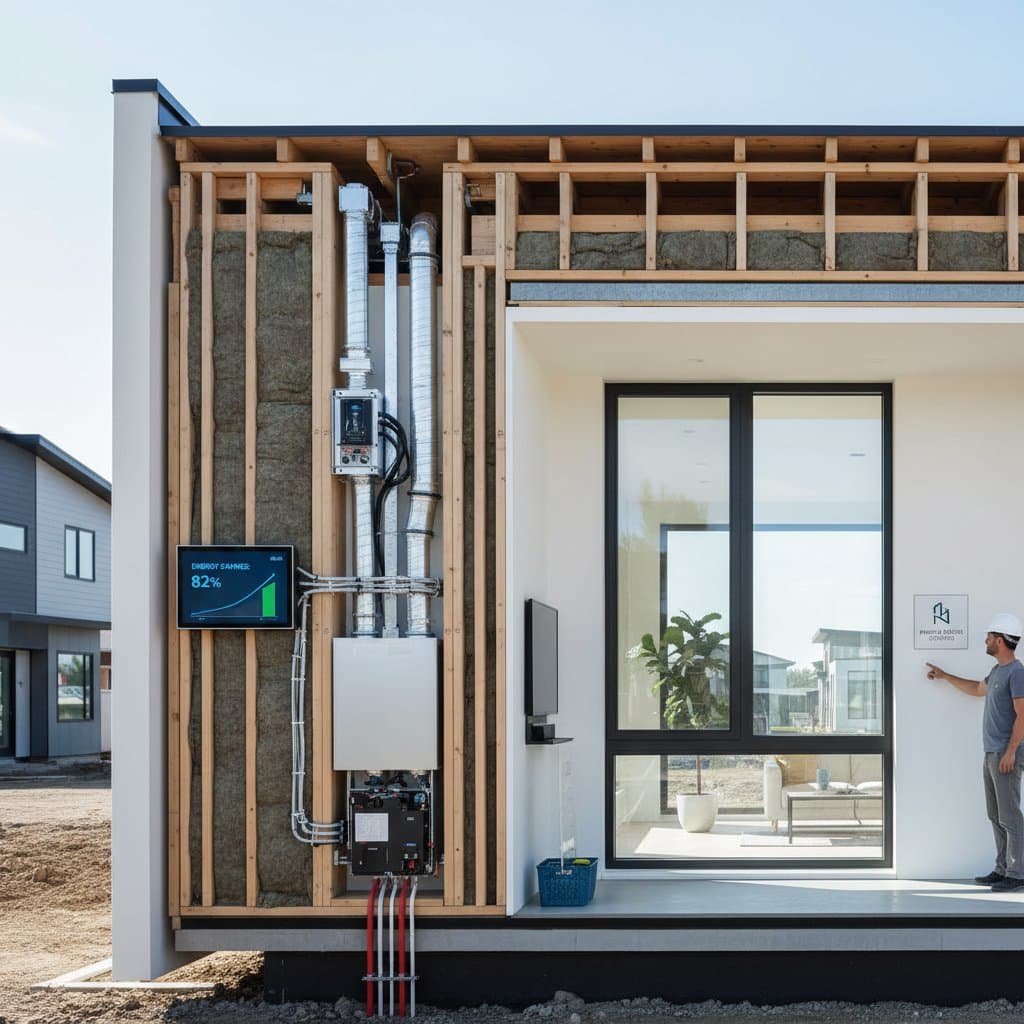
Pairing all-electric homes with renewables unlocks optimal performance. Rooftop solar, community programs, or green tariffs form a cycle of clean energy production and use.
- Solar payback: Generally 7 to 10 years, based on local rates.
- Battery storage: Enhances outage resilience.
- Community resilience: Microgrids facilitate shared renewable resources nationwide.
Energy consultant Marcus Lin observes, "Electrification and renewables are two halves of the same circle. One provides the clean engine, the other fuels it."
Expert Tips to Boost Your Home's Eco-Efficiency
- Conduct an energy audit. Pinpoint insulation gaps, air leaks, and obsolete equipment. Audits often reveal 15 to 25 percent efficiency improvements.
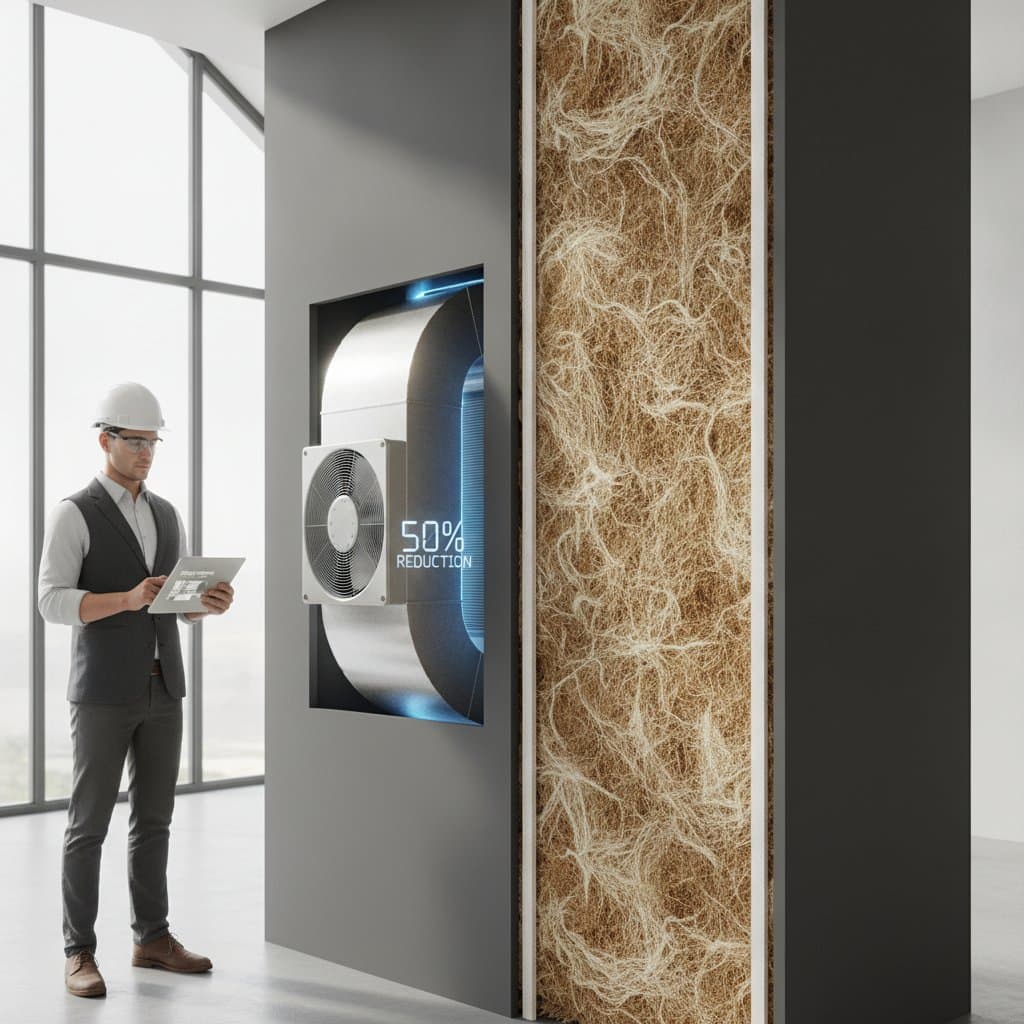
- Enhance the building envelope. Superior insulation and sealing lower heating and cooling needs, magnifying electric system advantages.
- Upgrade strategically. Replace aging gas units at end-of-life to manage budgets.
- Incorporate smart controls. Thermostats and monitors fine-tune comfort and reduce usage.
- Prepare for growth. Equip panels with capacity for EV chargers or solar expansions.
Practical Considerations: Costs, Savings, and Compliance
All-electric transitions involve upfront investments, yet yield strong returns. Electric setups endure longer, demand less upkeep, and qualify for incentives.
- Initial cost range: $15,000 to $35,000 for complete shifts, influenced by home scale and infrastructure.
- Annual savings: 20 to 40 percent on bills with renewable pairings.
- Rebates and credits: Utilities and localities support heat pumps, induction units, and solar via funding.
- Code compliance: Building codes increasingly accommodate all-electric approaches; confirm local standards.
Field observations show faster returns when combining efficiency measures with renewables. Solar, electric heating, and induction can convert bills to minimal upkeep.
Environmental and Health Benefits
All-electric designs remove indoor combustion, preventing carbon monoxide and nitrogen dioxide exposure. Cleaner air benefits families with children or respiratory issues.
Eliminating gas lines minimizes leak and explosion risks. Collectively, these homes lower community emissions, aiding climate stability and air quality.
Electric systems advance grid improvements. Smart devices and storage balance loads, decreasing reliance on fossil-fuel peaker plants.
Regional Adaptation and Climate Readiness
Tailor all-electric designs to local conditions.
- Humid regions: Select dehumidifying heat pumps and robust ventilation.
- Cold regions: Opt for dual-stage or variable-speed units for consistent warmth.
- Hot, dry climates: Emphasize shading, reflective roofs, and storage for cooling peaks.
Collaboration with regional experts ensures alignment with temperature variations, humidity, and codes for year-round efficiency and comfort.
Making It Happen: Steps Toward an All-Electric Future
- Evaluate existing systems. Record gas appliance details, ages, and histories.
- Define objectives. Choose gradual phase-out or full conversion.
- Consult certified professionals. Engage electrification specialists.
- Access incentives. Programs offset equipment and labor expenses.
- Track outcomes. Apps and meters verify efficiency improvements.
Connecting with verified green building experts streamlines design, permits, and setup while meeting codes.
Living in an All-Electric Home
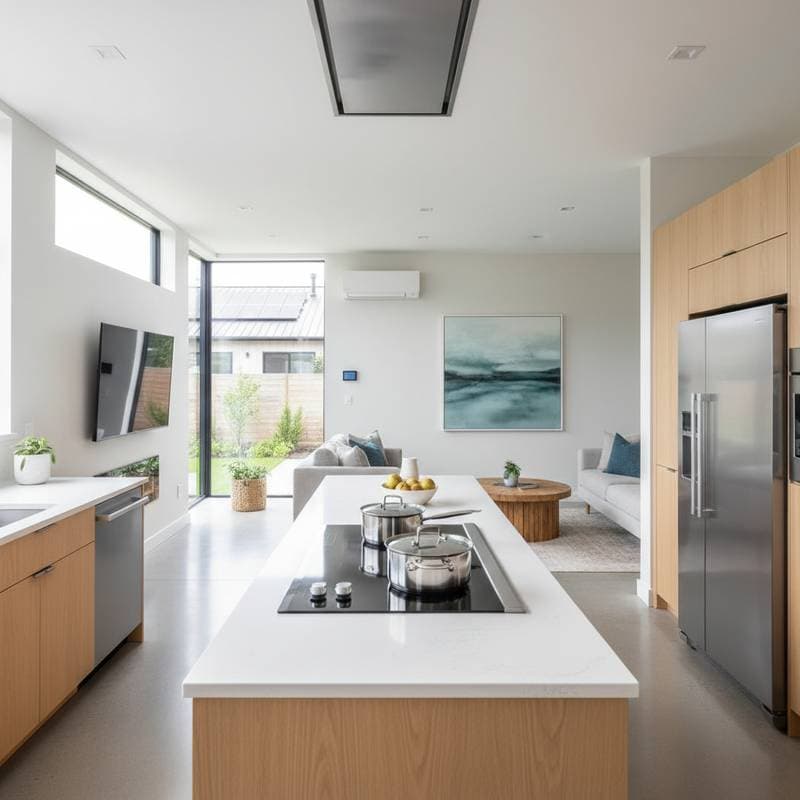
Installed systems yield seamless, purified daily routines. Heat pumps hum softly, supplanting furnace noise. Kitchens remain temperate during meals. Bills decrease with solar contributions. Independence from fossil fuels fosters environmental alignment.
The home evolves into a sustainability contributor, blending shelter with efficient modernity. Electrification achieves equilibrium in comfort, function, and responsibility.
Frequently Asked Questions
Q: How much does it cost to convert a gas home to all-electric?
A: Costs vary by system size and home condition, typically ranging from $15,000 to $35,000. Efficiency enhancements, rebates, and renewables can achieve payback in under ten years.