Key Points
- Mushroom insulation, derived from mycelium, stands out as a leading bio-based material in sustainable construction.
- It provides strong thermal performance, inherent fire resistance, and complete compostability at the end of its lifecycle.
- Higher initial costs compared to standard insulation yield long-term savings through reduced energy consumption and environmental gains.
- Production occurs locally using minimal energy, which cuts supply chain emissions and repurposes waste.
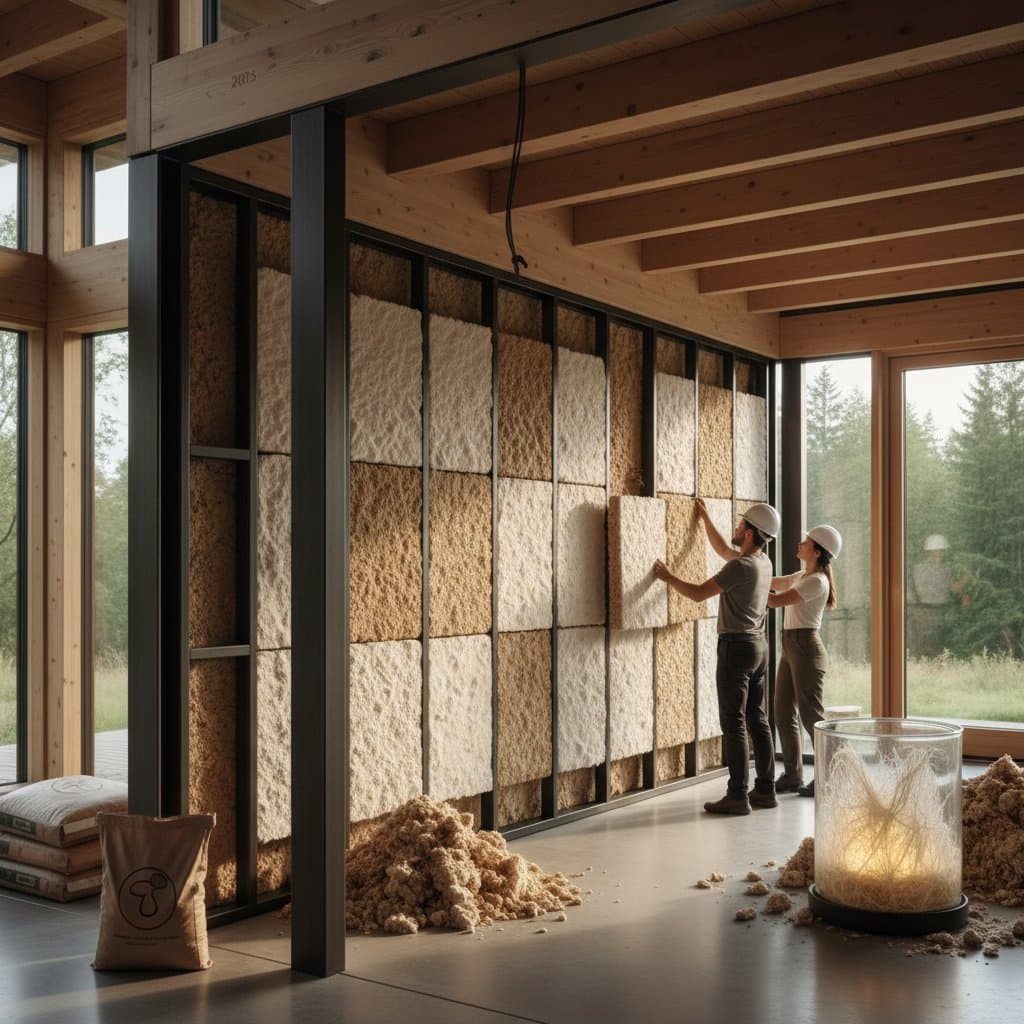
- Builders and homeowners can incorporate it via modular panels or hybrid systems for immediate application.
Financial and Environmental Advantages of Mushroom Insulation
Mycelium insulation extends beyond innovative appeal. It advances a circular economy in construction by delivering measurable financial returns and ecological benefits.
Environmental Benefits
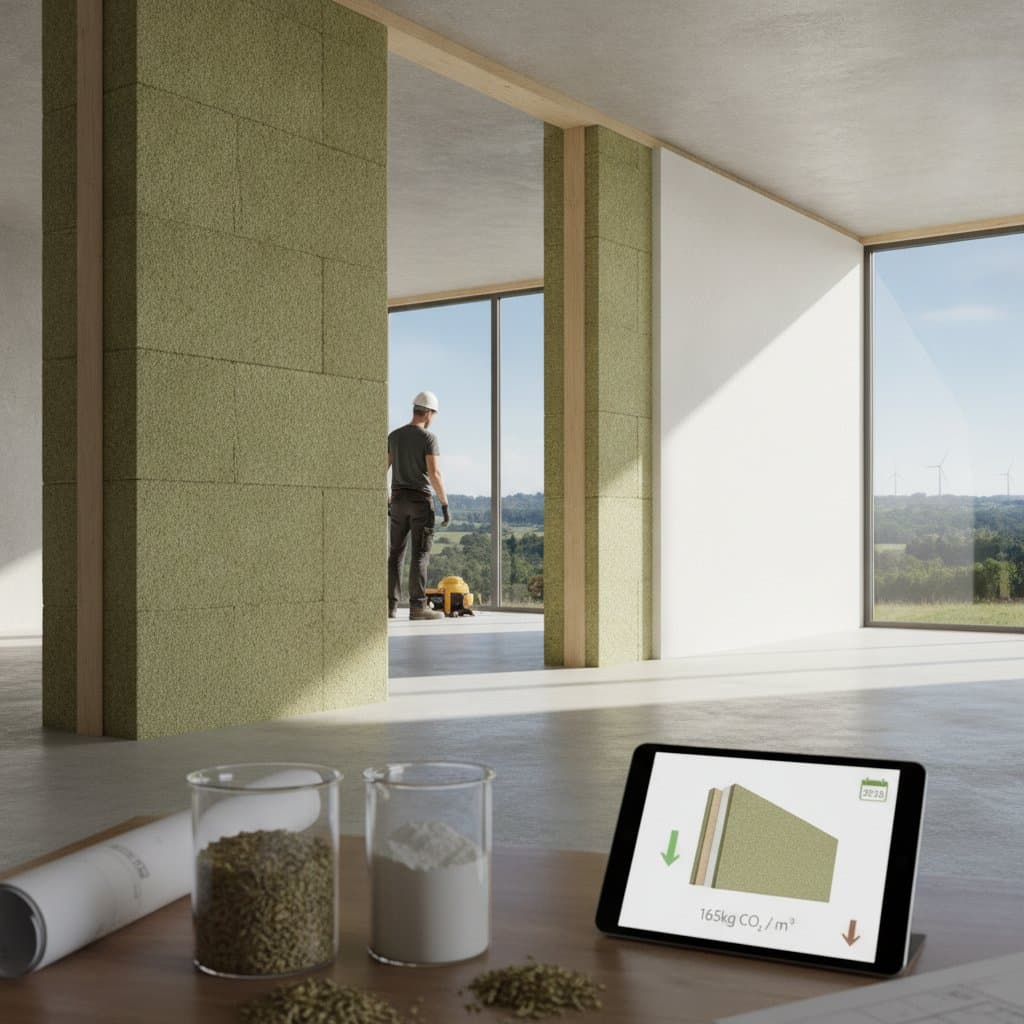
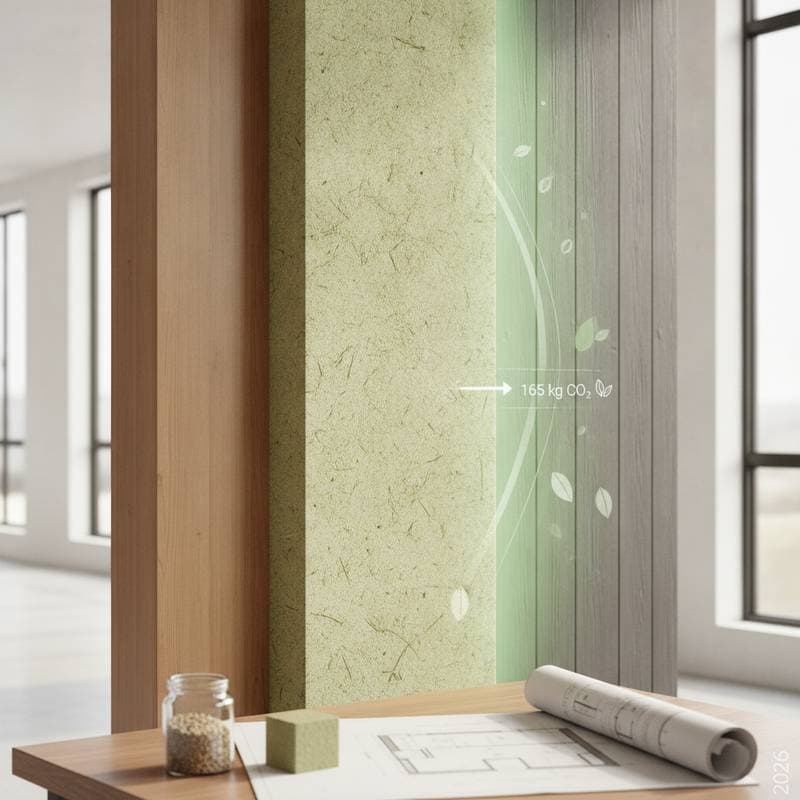
Production generates zero waste, utilizing agricultural byproducts that might otherwise be discarded or incinerated. Mycelium captures carbon as it grows, sequestering it within the final product. Upon decommissioning, the material fully biodegrades, enriching soil without releasing microplastics or harmful residues.
Financial Benefits
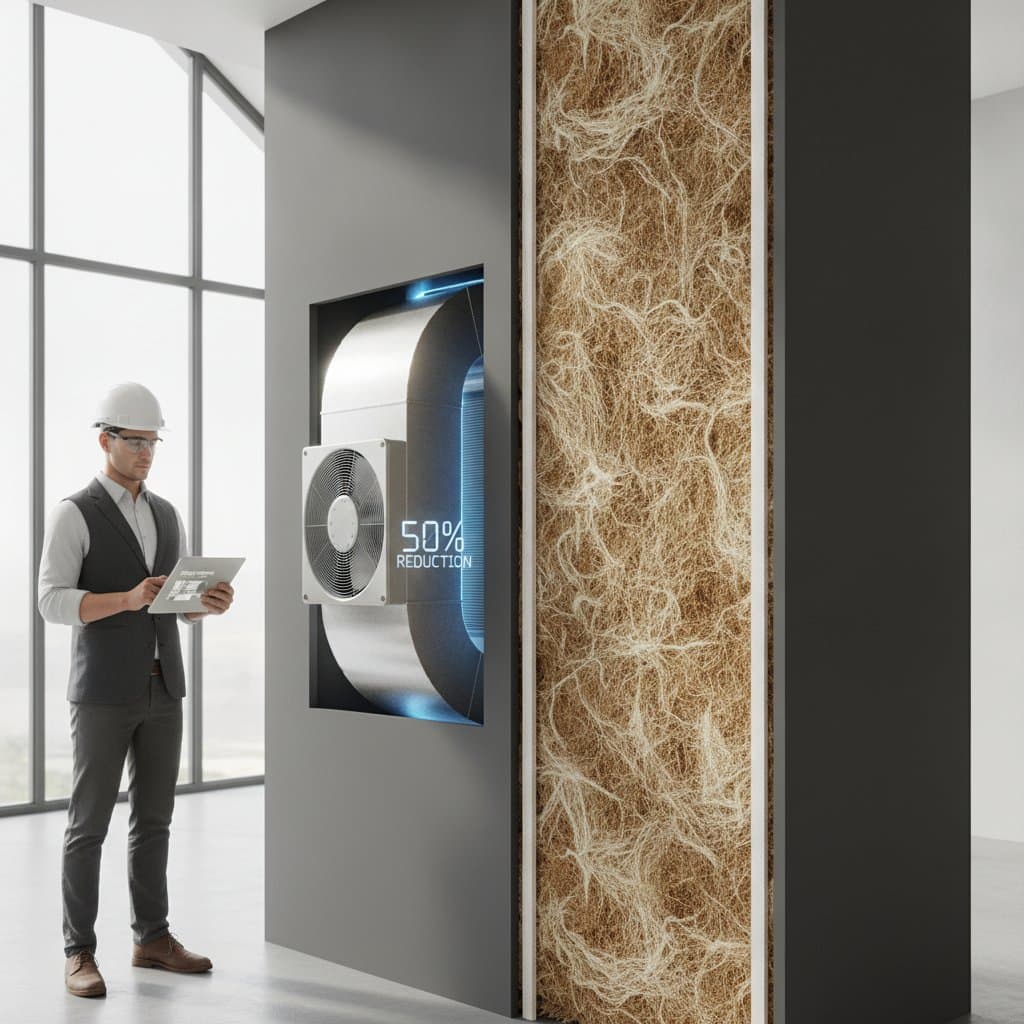
Upfront expenses range from 20 to 40 percent above those of fiberglass or cellulose, varying by region and scale. Over 15 to 20 years, however, energy savings often recover this premium. Enhanced efficiency can lower heating and cooling expenses by 10 to 25 percent, contingent on the building's design.
For retrofit projects, mycelium insulation enhances value through decreased utility bills, eligible tax credits in select areas, and elevated property appeal. Homes showcasing bio-based features attract buyers attuned to sustainable practices, often securing premium resale prices.
Mycelium Versus Traditional Insulation Options
| Property | Mycelium | Fiberglass | Spray Foam | Cellulose |
|---|---|---|---|---|
| Thermal Conductivity (W/m·K) | 0.03–0.05 | 0.04 | 0.02–0.03 | 0.04 |
| Fire Resistance | Excellent | Moderate | Variable | Good |
| Moisture Regulation | High | Low | Low | High |
| Biodegradability | Full | None | None | Partial |
| VOC Emissions | None | Possible | Possible | Low |
| Cost Range (per sq. ft.) | Medium-High | Low | High | Medium |
Mycelium excels in sustainability, air quality, and thermal consistency, yet lags in affordability until manufacturing expands. It suits initiatives prioritizing enduring performance and eco-impact over entry-level pricing.
Market Trends Shaping Adoption
The construction sector increasingly favors renewable, low-carbon materials amid stricter regulations on embodied emissions. Mycelium insulation aligns seamlessly, meeting rigorous standards for functionality and sustainability.
Producers expand via localized plants that process regional agricultural waste. This approach minimizes transport-related emissions and fosters economic growth in rural areas by valorizing discarded resources.
Analysts predict bio-based insulation will claim 10 to 15 percent of the market in coming years, assuming cost reductions and heightened visibility. Mycelium variants should secure a key segment, thanks to their adaptability, aesthetic qualities, and total decomposability.
Frequently Asked Questions on Mushroom Insulation
Production Timeline?
Growth spans one to two weeks, influenced by temperature and substrate. This rapid process contrasts with energy-intensive mining and heating required for mineral alternatives.
Pest Resistance?
Cured mycelium resists insects and rodents, as its structure lacks appeal as a food source and offers no nutritional value.
Waterproof Qualities?
It manages moisture effectively but requires sealing in wet conditions, similar to wood framing, paired with vapor barriers.
Climate Versatility?
Adaptable across regions, it demands tailored thickness and installation. In humid zones, integrate ventilation to preserve durability.
Expected Lifespan?
Properly installed and maintained, it endures for decades, matching conventional insulators.
Cost Comparison?
It positions between cellulose and spray foam in price, with declines anticipated as output grows.
Implementing Mushroom Insulation in Your Home
- Assess project objectives. Identify focuses like energy savings, emissions cuts, or occupant health; mycelium addresses each within a comprehensive plan.
- Engage bio-material specialists. Partner with experienced architects or contractors to handle details like moisture barriers.
- Analyze expenses and rebates. Incorporate regional incentives into financial projections for accurate ROI.
- Test in targeted spaces. Begin with attics or outbuildings to evaluate performance before full adoption.
- Integrate supporting features. Combine with efficient glazing, ventilation systems, and renewables for optimal results.
Experiencing Enhanced Indoor Living
Installed mycelium insulation fosters a refined home environment. Indoor air remains cleaner, humidity stabilizes, and temperatures hold steady. This setup promotes tranquility, reduces noise, and nurtures overall wellness through superior breathability and natural regulation.