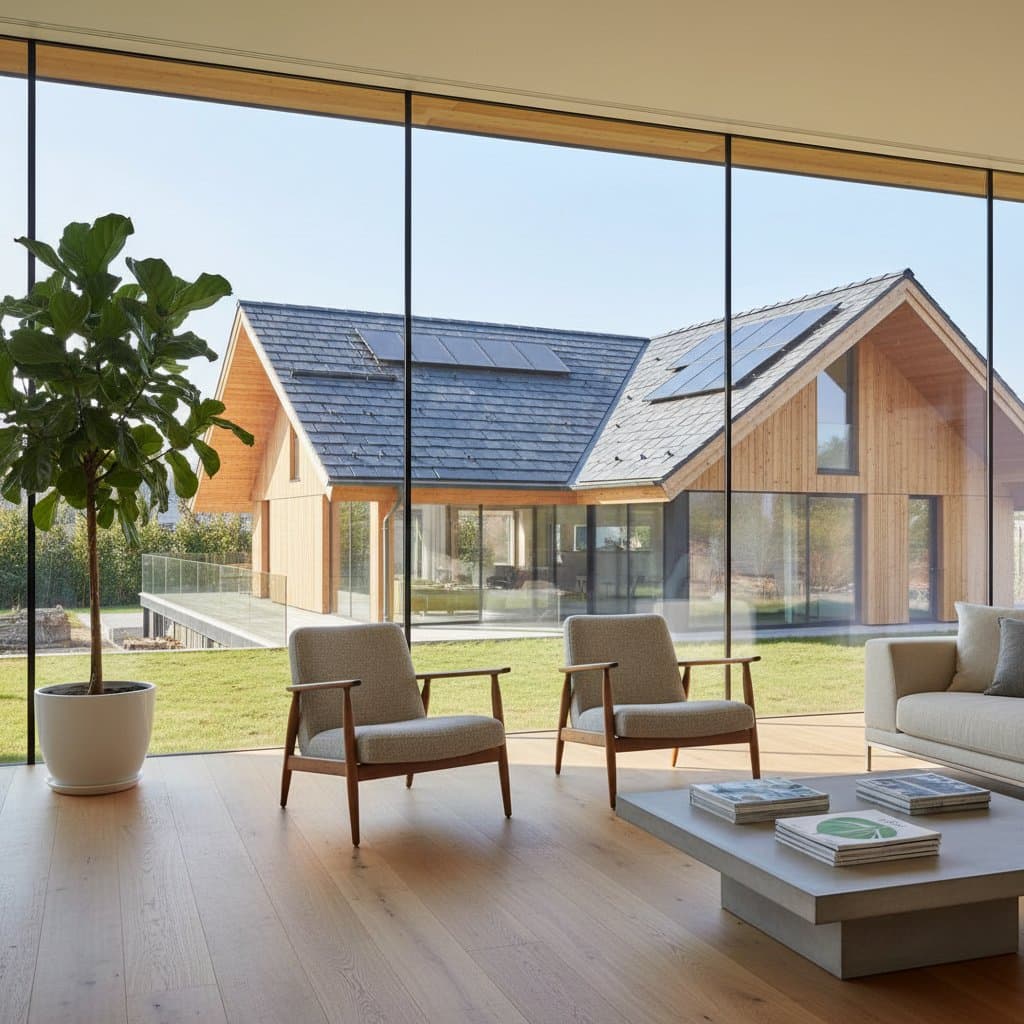
Key Benefits of Recycled Roofing
Recycled roofs, crafted from reclaimed plastics and metals, surge in popularity within sustainable construction circles. Homeowners benefit from dual advantages: environmental protection and financial gains, including diminished long-term expenses and notable energy reductions. Proper setup and verified certifications unlock tax credits alongside elevated market prices for properties. Innovations in material science now equip recycled options with durability and visual appeal matching traditional counterparts.
Financial Advantages of Recycled Roofing
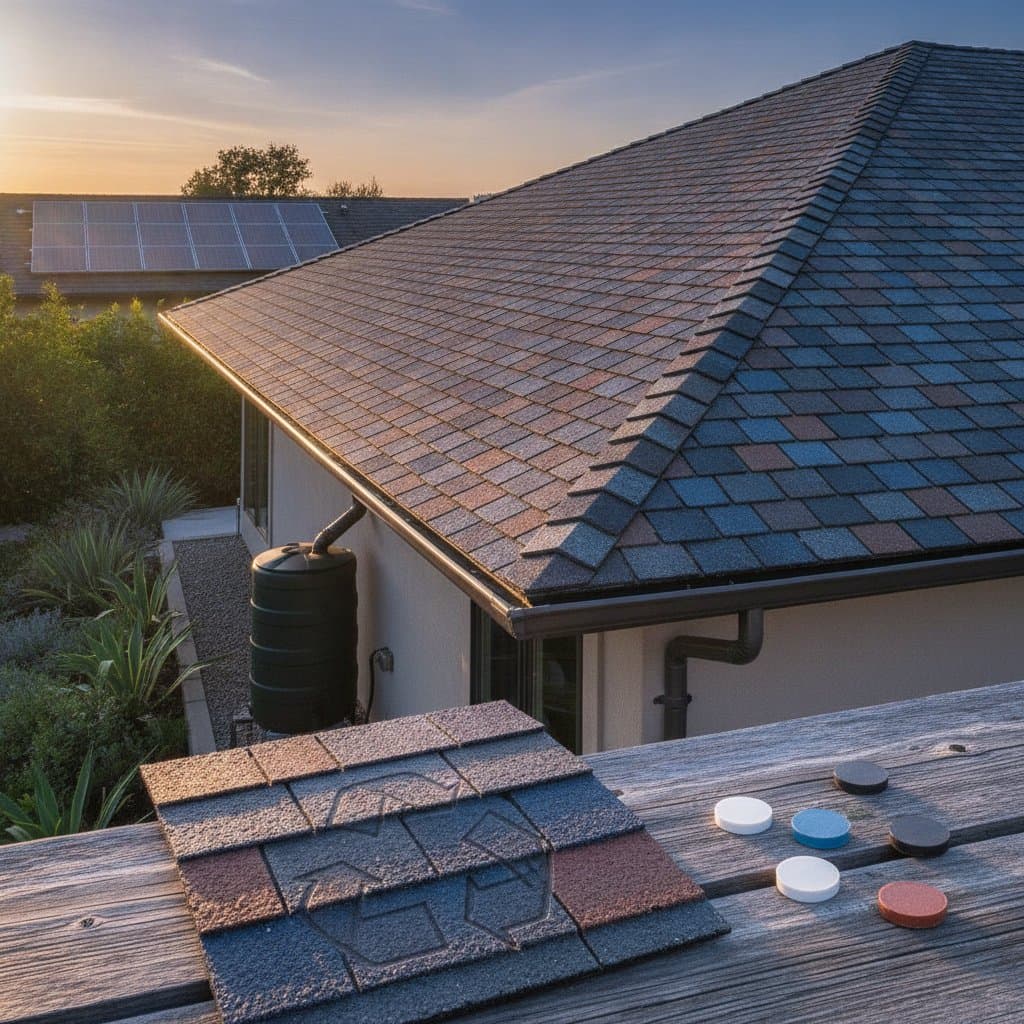
Recycled roofing represents a wise financial choice for property owners. Although upfront expenses align with those of high-quality asphalt or composite shingles, long-term savings emerge steadily. Recycled plastic or metal roofs endure two to three times longer than standard varieties, leading to infrequent replacements, less waste in landfills, and a reduced environmental impact.
Detailed Cost and Return Analysis
- Upfront Expenses: Recycled plastic shingles range from $4 to $8 per square foot, comparable to mid-tier asphalt options, whereas recycled metal panels cost $7 to $12 per square foot, akin to premium standing seam systems.
- Upkeep Reductions: These roofs demand up to 50 percent less maintenance than asphalt, avoiding frequent cleaning or patch repairs.
- Energy Efficiency Gains: Integrated reflective surfaces and insulating layers minimize heat intake, potentially lowering cooling costs by 10 to 25 percent across diverse regions.
- Market Value Increase: Properties featuring sustainable roofs often sell for 3 to 7 percent more, driven by efficiency ratings and buyer preference for green features.
Analyzing total ownership costs reveals that recycled roofing yields 60 to 80 percent returns during its initial lifespan cycle. This positions it as one of the top economical sustainable enhancements for residences.
Enhancing Health, Comfort, and Interior Quality
Roofing choices subtly affect indoor living conditions and air purity, a fact overlooked by many residents. Recycled plastic and metal roofs frequently include heat-reflective elements that moderate attic heat levels. Such features lessen dependence on air conditioning units and better regulate moisture, thereby decreasing chances of mold growth and elevating overall air standards.
Certain recycled formulations steer clear of harmful volatile organic compounds present in some traditional sealants or paints. This cleaner profile attracts households prioritizing wellness and a serene living space. For instance, in humid areas, these roofs maintain consistent indoor climates without additional dehumidifiers.
Building Resilience and Long-Term Value
Strength in roofing serves as more than mere protection; it acts as an economic buffer. Materials that withstand corrosion, fractures, and ultraviolet exposure minimize repair needs and ensure reliable service for years. Recycled roofs shine through their designed toughness, outperforming expectations in harsh settings.
Recycled metal variants endure beyond 50 years with basic care, resisting rust even in salty air. Plastic composites fend off decay and pests, proving suitable for waterfront or tropical zones. These qualities directly trim ongoing costs and amplify real estate worth, offering peace of mind against unpredictable weather.
Advancing Sustainability in Home Design
Sustainable roofing transcends mere recycled inputs; it embraces versatility and end-of-life reuse. Numerous systems allow complete recycling upon retirement, perpetuating a circular material flow. This method shapes the forthcoming phase of eco-aware building practices.
Evolving regulations prioritize energy conservation and minimal waste, aligning perfectly with recycled roofing capabilities. These materials integrate seamlessly with solar installations, water collection setups, and superior insulation, fortifying comprehensive green strategies. Homeowners adopting them prepare for regulatory shifts and resource scarcity ahead.
Frequently Asked Questions on Recycled Roofing
Do recycled roofs match the strength of standard materials?
Certified versions endure extensive evaluations for impact tolerance, wind resistance, and fire ratings. Several surpass asphalt shingles in these metrics, providing superior safeguards.
Does a recycled roof differ visually from traditional styles?
Contemporary production mirrors the grain and hues of slate, wood shakes, or clay tiles. Installed, they blend indistinguishably with classic designs.
How do recycled roofs fare in severe weather?
They excel in extremes, from scorching summers to icy winters. Cooling coatings curb thermal buildup, and adaptable composites prevent splits during temperature drops.
Is self-installation feasible for recycled roofs?
Lightweight types suit DIY efforts, but experts recommend professional handling to optimize airflow, secure attachments, and uphold guarantees.
Steps to Adopt Recycled Roofing
Prospective remodelers or builders find recycled roofing unites utility, endurance, and ecological soundness. Start by engaging a licensed contractor experienced in green products to assess your roof's needs. Review local incentives and material suppliers for tailored recommendations.
Selecting the right roof extends beyond shelter; it reflects commitment to stewardship, ingenuity, and preparedness. This upgrade not only safeguards your investment but also contributes to a healthier planet, yielding rewards for generations.