Key Points
- Mushroom insulation, derived from mycelium, serves as a biodegradable and high-performance alternative to traditional foam and fiberglass materials.
- It provides superior thermal resistance, fire safety, and moisture regulation, while minimizing embodied carbon in construction projects.
- Homeowners gain advantages such as reduced heating and cooling expenses, elimination of toxins, and enhanced indoor air quality.
- Professional installation guarantees uniformity and adherence to green building standards, though smaller initiatives may proceed with do-it-yourself methods if safety protocols and curing processes receive careful attention.
- Industry specialists forecast accelerated market expansion, positioning this material as a practical choice for sustainable residential design.
The Living Insulator Redefining Sustainable Homes
Envision entering a residence bathed in gentle natural light, where the atmosphere feels pure and the temperature remains consistent through humid days or cold evenings. As a professional in green building, I have observed numerous homeowners pursue such comfort while seeking materials that deliver strong performance alongside genuine sustainability. Mushroom insulation, cultivated from mycelium, revolutionizes this pursuit.
Drawing from extensive field experience, I recognize that conventional insulation often requires compromises between efficacy and ecological impact. Materials such as fiberglass or spray foam achieve efficiency yet involve substantial embodied energy, chemical components, and challenges in disposal. Mycelium insulation, developed from fungal networks that expand into robust structures, presents a restorative approach. This solution insulates effectively and contributes positively to the planet's resource cycles.
Challenges Facing Homeowners
In various locales, residents confront rising energy costs and heightened awareness of indoor air quality issues. Inadequate wall insulation contributes to as much as 35 percent of heat loss in aging structures. Fiberglass installation frequently disperses micro-particles, and spray foams release chemicals over extended periods. These concerns intensify in regions with elevated humidity or variable weather, where mold and moisture accumulation undermine standard materials.
With environmental regulations becoming more stringent, construction professionals must satisfy rigorous performance criteria. This development fuels demand for biologically derived options that fulfill or surpass existing R-value benchmarks without ecological drawbacks. Mushroom insulation emerges as a leading candidate in this arena.
Understanding Mushroom Insulation
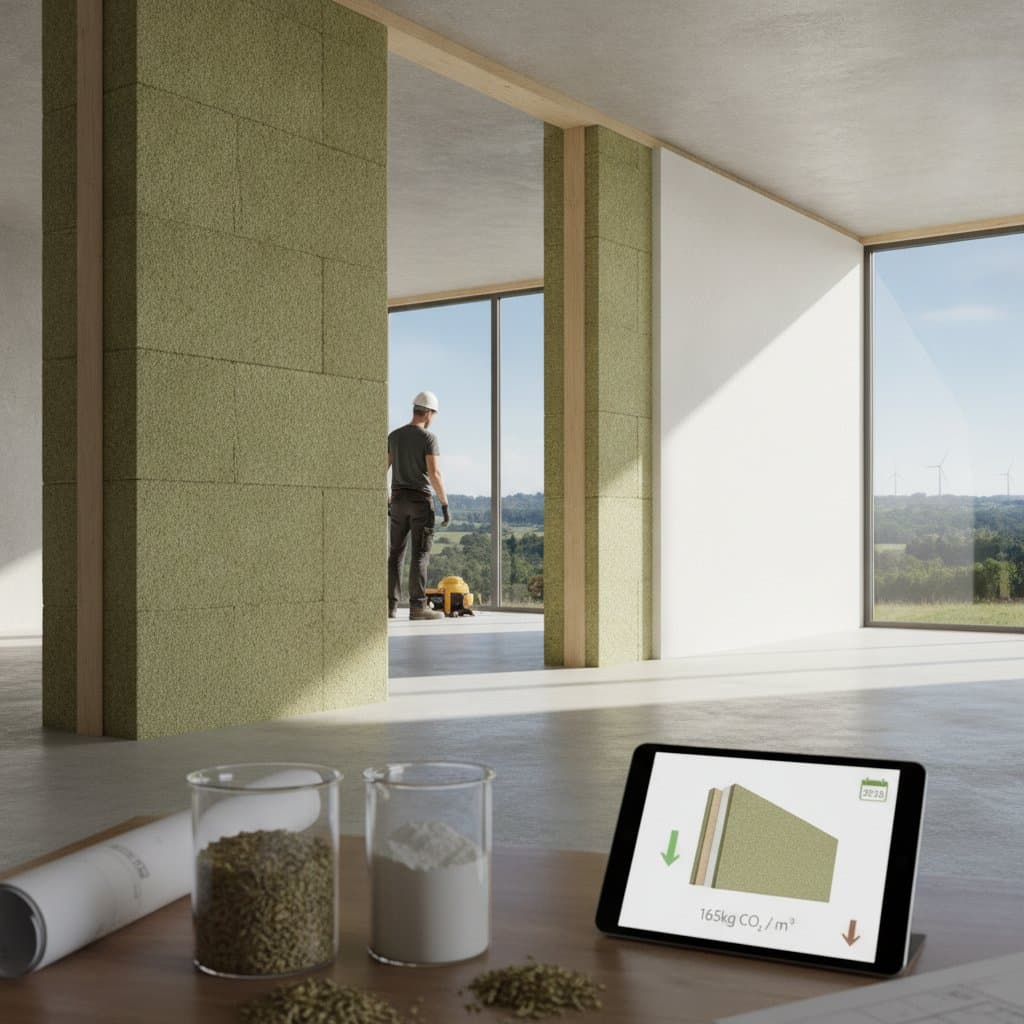
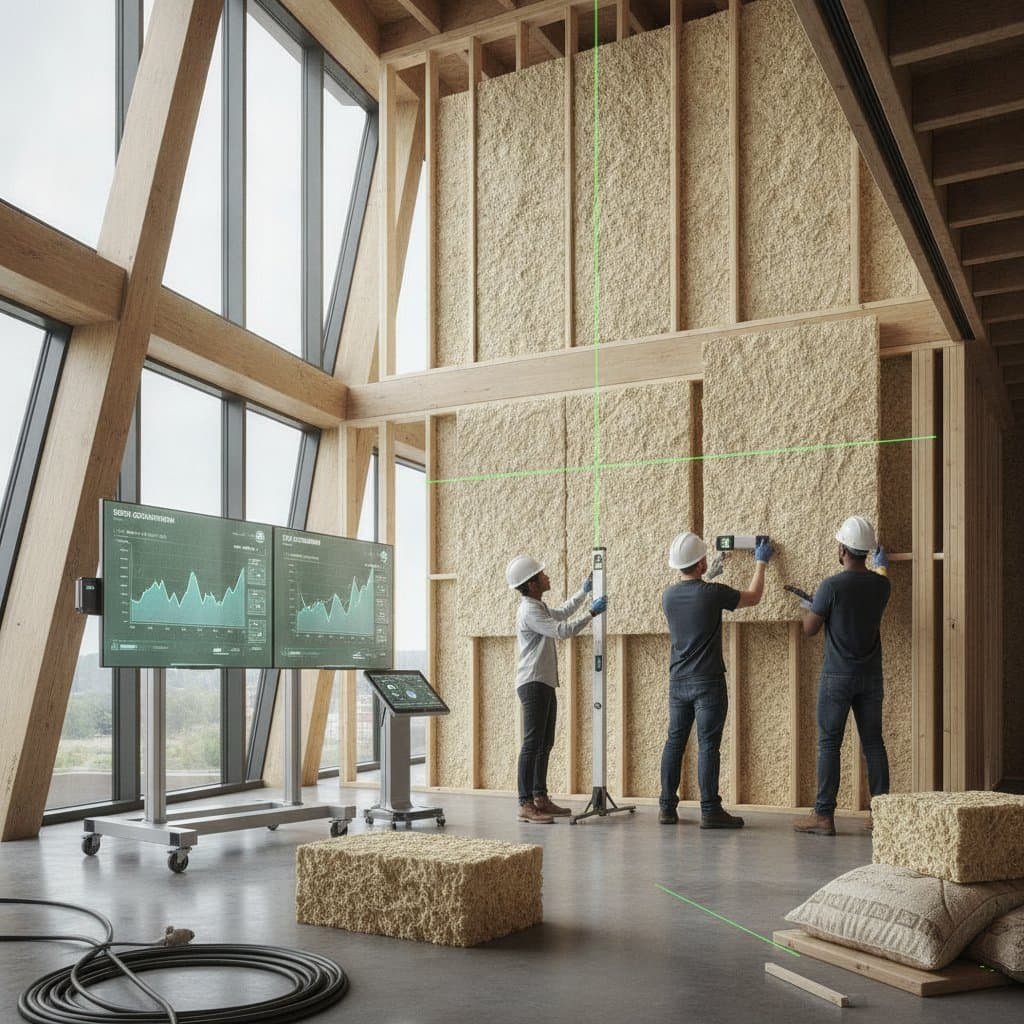
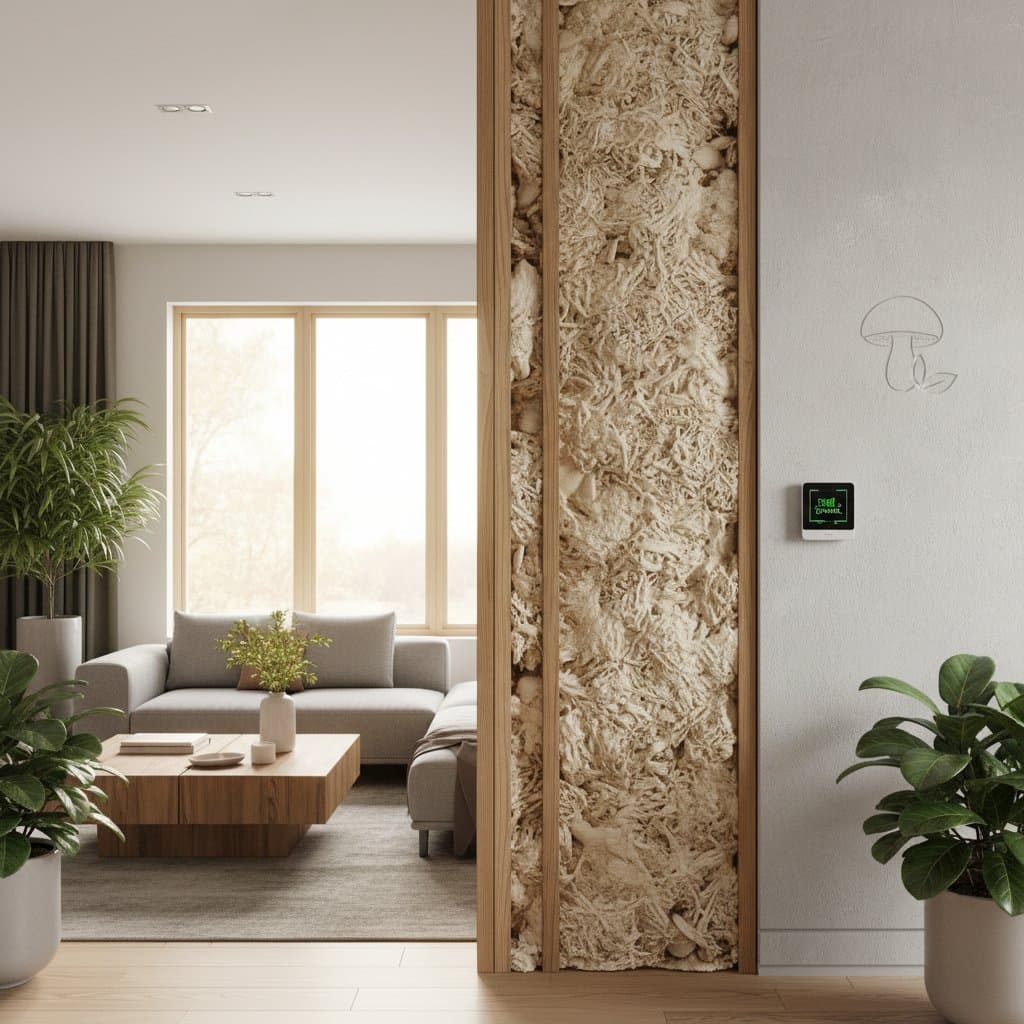
Mycelium, the filamentous root system of fungi, expands through organic byproducts such as hemp hurds, wood chips, or straw. In controlled molds, the active mycelium interconnects these elements into a lightweight, firm structure resembling foam. Upon completion of growth, the material undergoes drying to halt further development, yielding stable panels or loose-fill variants suitable for insulation.
The R-value of mushroom insulation generally falls between R-3 and R-4 per inch, aligning closely with fiberglass batts. Its minimal thermal conductivity effectively impedes heat movement, maintaining warmer interiors during winter and cooler ones in summer. Distinct from petroleum-derived foams, this material proves non-toxic, fully biodegradable, and capable of safe soil reintegration at the conclusion of its service life.
Environmental scientist Dr. Lena Hayes states, "Mycelium insulation represents the next generation of eco-materials. It closes the loop by turning organic waste into long-lasting, high-efficiency building components."
Essential Benefits for Contemporary Residences
Beyond its environmental credentials, mushroom insulation excels in critical performance aspects valued by contractors and residents alike:
- Thermal Stability: The inherent cellular design captures air pockets, forming a reliable shield against thermal fluctuations.
- Fire Resistance: Upon exposure to flames, it carbonizes without igniting, offering substantial safety benefits.
- Moisture Regulation: The composition permits vapor diffusion while inhibiting condensate formation.
- Sound Absorption: It effectively muffles acoustic disturbances, suiting urban settings or multi-family units.
- Toxin-Free Environment: Absent synthetic adhesives or volatile substances, it fosters healthier living spaces.
These attributes position mushroom insulation as an optimal enhancement for projects seeking LEED accreditation or resilience to evolving ecological norms.
Strategies to Enhance Residential Eco-Efficiency
For those contemplating mushroom insulation in renovations or new constructions, consider these recommendations from a green building specialist:
1. Perform a Comprehensive Energy Evaluation
Prior to material changes, engage a certified energy auditor to identify insulation deficiencies. Such assessments, priced from $200 to $500, often uncover energy inefficiencies exceeding 30 percent. This insight directs targeted upgrades for optimal financial returns.
2. Select Appropriate Installation Methods
Mushroom insulation appears in diverse configurations:
- Rigid Panels: Suitable for walls, roofs, and floors.
- Loose Fill: Effective for attics or non-standard spaces.
- Custom Molds: Applicable in prefabricated sustainable homes or modular assemblies.
Consult a licensed contractor experienced in mycelium products to ensure regulatory compliance and structural optimization.
3. Manage Drying and Curing Processes
For do-it-yourself mycelium production, prioritize moisture oversight. Post-growth, apply gentle heat to neutralize spores. Neglect here risks unintended proliferation or fungal contamination. Commercial producers employ regulated chambers for uniform results.
4. Pair with Complementary Sustainable Features
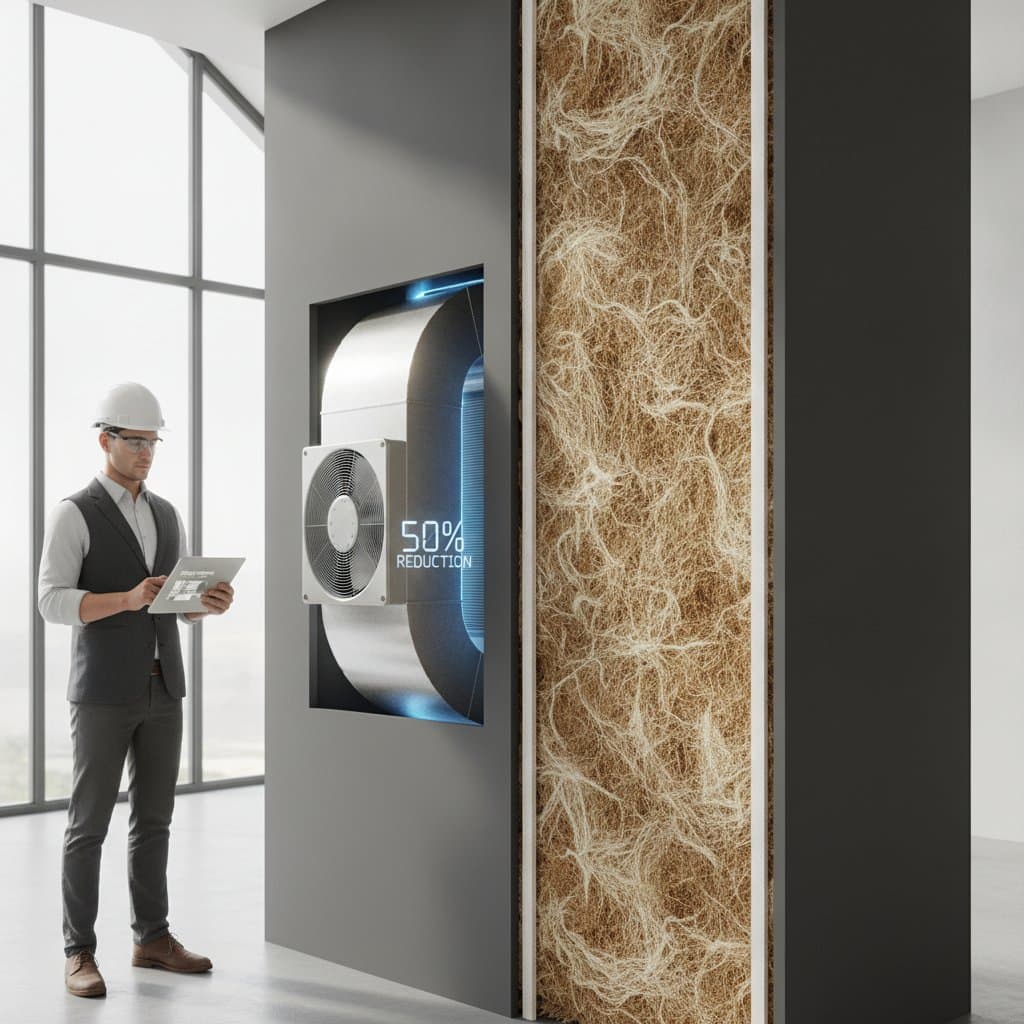
Incorporate mushroom insulation alongside passive solar strategies, high-efficiency glazing, and natural airflow systems. This integration can halve demands on heating and cooling, establishing a durable residential framework.
5. Schedule Regular Maintenance Reviews
Despite inherent defenses against pests and mold, conduct yearly inspections to preserve integrity. Monitor for moisture intrusion or material settling, particularly following intense precipitation or modifications.
Analysis of Costs, Longevity, and Efficacy
Pricing for this innovative material fluctuates with manufacturing volume and local supply chains. At present, installed costs range from $4 to $7 per square foot, on par with premium sustainable foams. Initial investments recoup through diminished utility expenses and minimal upkeep.
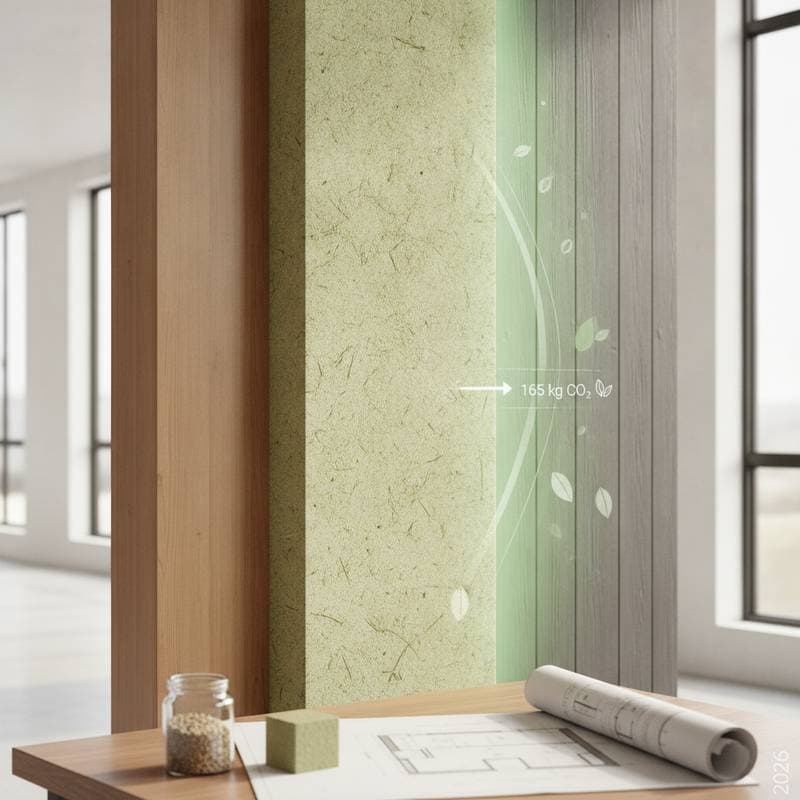
Project durations align with standard insulation applications, typically spanning one to two days for a standard dwelling. The lightweight panels facilitate straightforward cutting, easing labor and curbing on-site debris. Mycelium insulation achieves negligible embodied carbon by absorbing it throughout cultivation, distinguishing it among eco-friendly selections.
Long-term evaluations confirm that, when shielded from prolonged water contact, the material upholds form and function for decades. It integrates seamlessly with timber frames, stonework, and repurposed metal frameworks.
Navigating Regulations and Accreditations
Sustainable building codes advance swiftly, with mushroom insulation gaining traction in experimental guidelines for organic composites. Professionals may secure endorsements via LEED, Passive House, or Living Building Challenge protocols by incorporating it.
Verify regional approval prior to proceeding. Certain areas mandate independent verification of fire endurance, load-bearing capacity, or fungal resilience. An accredited sustainable constructor assists in managing approvals and paperwork.
Implementing Sustainable Insulation Solutions
Adopting mushroom insulation transcends mere aesthetics; it embodies a deliberate alignment with natural systems. Begin modestly by insulating an accessory structure or expand to comprehensive overhauls of primary living areas.
Success hinges on collaboration with experts versed in biological materials. They customize density, processing, and placement to suit regional conditions, maximizing effectiveness.
Visualize a serene, purified, and equilibrated habitat that embodies dedication to ecological stewardship. Mushroom insulation realizes this ideal, converting agricultural residues into the core of an energy-thrifty residence.
Frequently Asked Questions
Q: How long does mushroom insulation last in a home?
A: When installed correctly and safeguarded against direct moisture, it endures for several decades. Its form retention and pest deterrence match conventional insulators in lifespan.
Q: Can mushroom insulation handle humid climates?
A: Yes, its permeable nature aids in humidity control. In moist environments, combine it with vapor-open barriers to avert surplus dampness.
Q: Is DIY mushroom insulation safe for homeowners to grow?
A: Limited do-it-yourself efforts prove feasible, yet demand precautions. Employ protective gear, sterile substrates, and thorough thermal deactivation to inhibit reactivation.
Q: How does it perform compared to fiberglass or spray foam?
A: It delivers equivalent R-values, augmented by biodegradability, non-toxicity, and carbon capture. Superior air purity and flame retardancy outpace many petroleum-based rivals.
Q: Where can homeowners find suppliers or installers?
A: Expanding sustainable material distributors stock ready-made panels. Explore local listings or engage verified green contractors via specialized networks.