Key Points
- Hempcrete provides a carbon-storing alternative to traditional concrete and insulation materials.
- It regulates temperature and humidity naturally, which improves comfort and reduces energy use.
- Builders can expect hempcrete to become a mainstream sustainable wall solution within the next few years.
- Local sourcing, correct curing, and moisture management are essential for success.
- With expert planning, hempcrete walls can cut heating and cooling costs by up to 30 percent.
Envision a Home in Harmony with Nature
As a green building professional, I have observed many homeowners grappling with the balance between sustainability and everyday functionality. They envision a residence that retains warmth through winter, remains cool on humid days, and purifies the indoor air. Yet, upon reviewing material expenses and environmental impacts, they question whether genuine ecological equilibrium is achievable.
Imagine entering a dwelling where the walls appear to pulse with life. The atmosphere feels invigorating, the temperature consistent, and the environment infused with a subtle, earthy aroma. Hempcrete delivers precisely this sensation. Beyond merely reducing emissions, it constructs an edifice that sequesters carbon while fostering healthful interior spaces.
Through my extensive experience, I have witnessed hempcrete evolve from an experimental option to a viable leader in sustainable building. Professionals in varied climates now regard it as the cornerstone of environmentally conscious construction.
Addressing the Sustainability Hurdle
The production of conventional concrete accounts for approximately 8 percent of worldwide carbon emissions, primarily from the energy demands of cement creation. Insulation options such as foam boards or fiberglass also bear significant embodied carbon, representing greenhouse gases emitted during manufacturing that persist in the material's lifecycle.
Individuals seeking to lower energy expenses often prioritize solar installations or high-efficiency devices. However, the wall assembly fundamentally determines the structure's ecological efficacy. Inadequate insulation leads to energy loss, moisture accumulation, and increased expenses alongside discomfort.
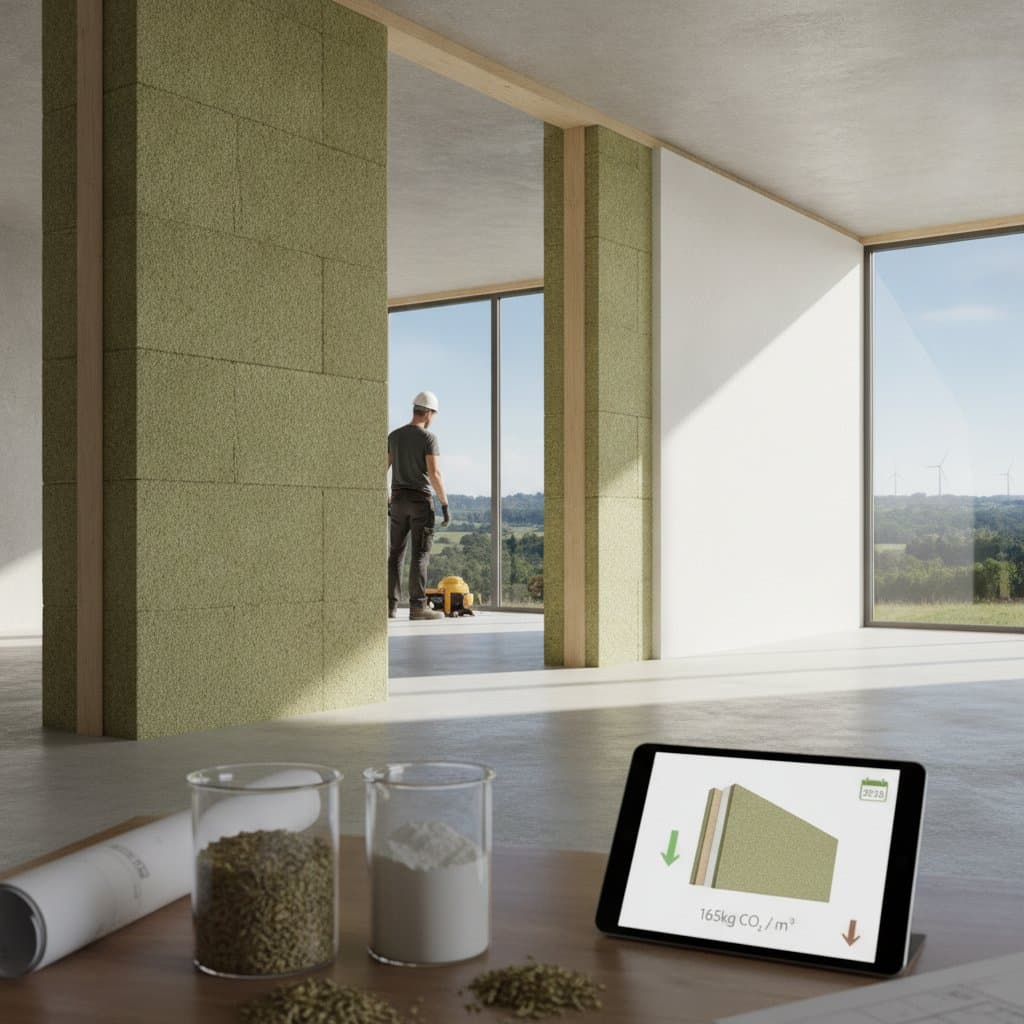
Hempcrete resolves these issues effectively. Composed of the hemp plant's inner woody core, or hurd, blended with lime and water, it creates a bio-based composite that captures carbon over its duration. Hemp absorbs carbon dioxide as it grows, and the lime integration during curing secures that carbon within the walls.
Reasons Builders Embrace Hempcrete
In my capacity as a green building specialist, I advocate for hempcrete due to its exceptional role as both insulator and protective barrier. It combines ecological advantages with superior functionality in ways that surpass most alternatives.
Key distinguishing features include:
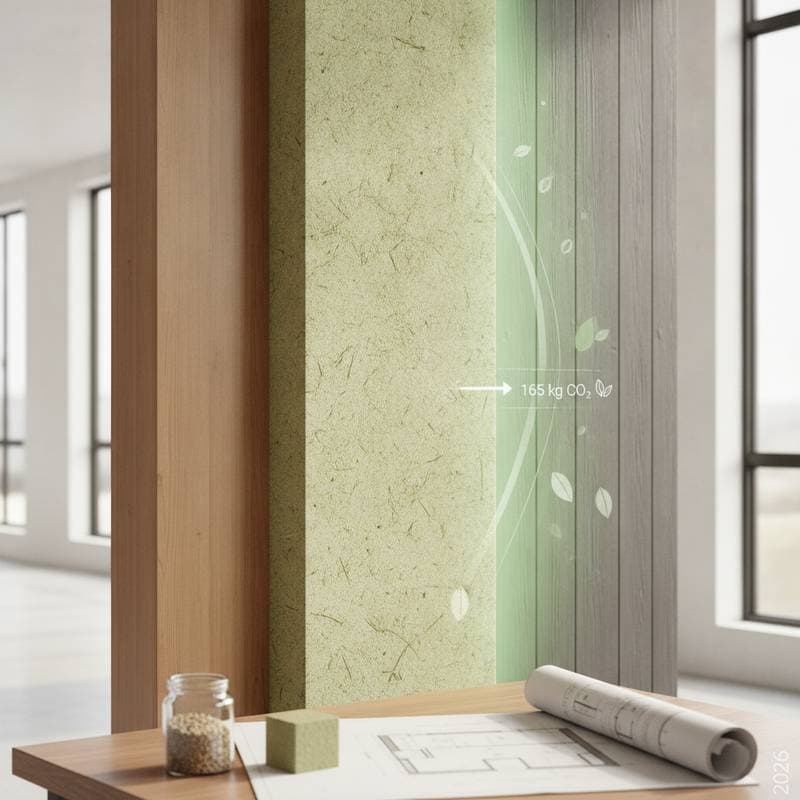
- Carbon Sequestration: Each cubic meter of hempcrete sequesters up to 165 kilograms of carbon dioxide, enabling walls to actively withdraw greenhouse gases from the air.
- Thermal Management: Its R-value, or resistance to heat flow, depends on density but generally equals or surpasses standard insulators. Consider it a permeable layer that maintains energy equilibrium.
- Humidity Regulation: Hempcrete permits vapor diffusion, in contrast to synthetics that retain moisture and invite mold growth.
- Durability: When constructed correctly, hempcrete walls endure for centuries with little upkeep. The lime component gains strength progressively.
- Wellness Advantages: Free from volatile emissions or harmful substances, hempcrete promotes superior indoor air purity.
Architect and sustainability expert Dana Liu states, "Hempcrete stands among the rare materials that enhance interior livability while mitigating carbon emissions. It transforms the essence of wall design."
Constructing with Hempcrete: A Detailed Guide
For those contemplating hempcrete in an upcoming endeavor, thorough preparation proves crucial. The steps below detail a reliable method for optimal outcomes.
1. Grasp the Fundamentals
Hempcrete does not substitute for load-bearing concrete. It delivers insulation and enclosure without structural support. A frame of timber or light steel remains necessary to bear loads, with the hempcrete applied around or within this skeleton.
2. Select Local, Verified Supplies
Opt for hemp hurd from proximate agriculture and lime with documented low-energy production. Proximity minimizes transportation emissions and bolsters local economies. Anticipate costs of $60 to $120 per square meter for wall surfaces, influenced by workforce and availability.
3. Achieve Optimal Mixture
A standard proportion involves 1 part lime binder, 1.5 parts hemp hurd, and 3 parts water, though adjustments occur based on conditions. Aim for a texture that molds when compressed yet retains porosity for breathability.
4. Apply Methodically
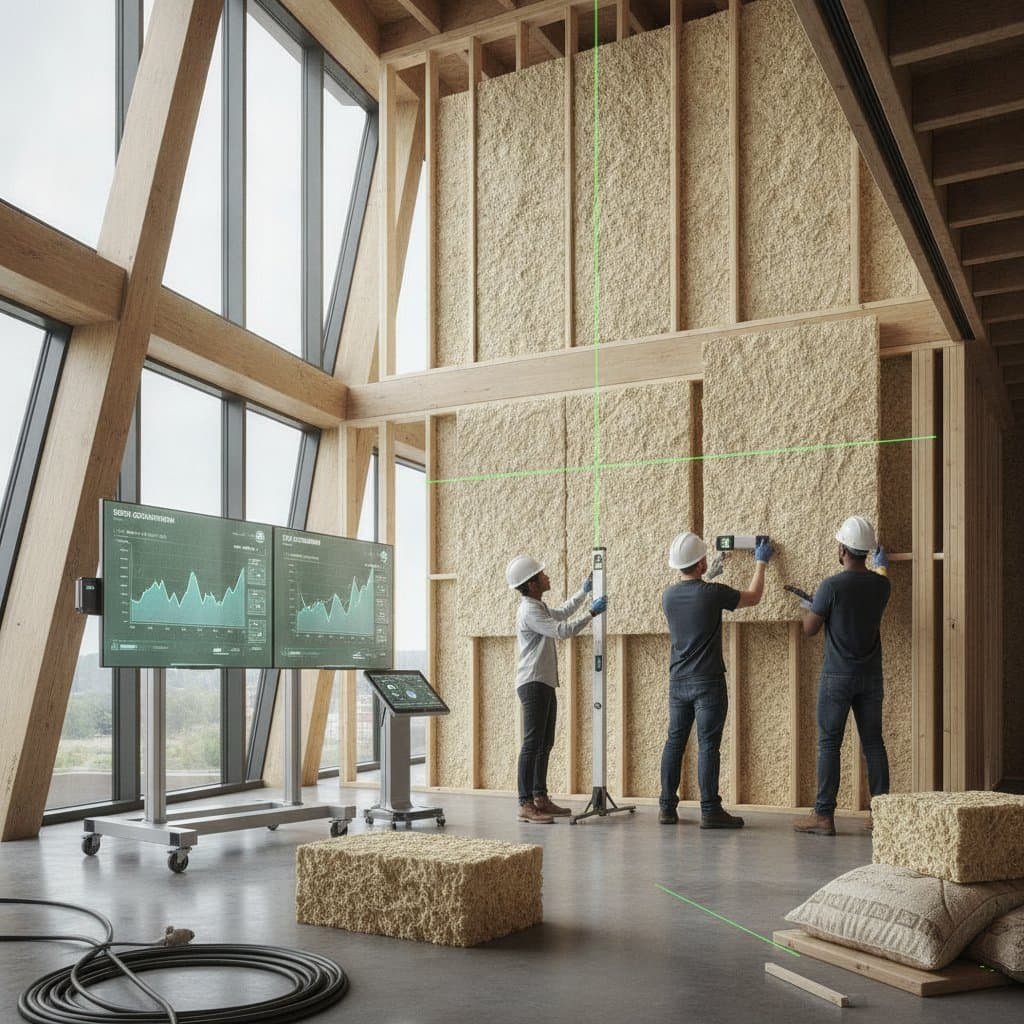
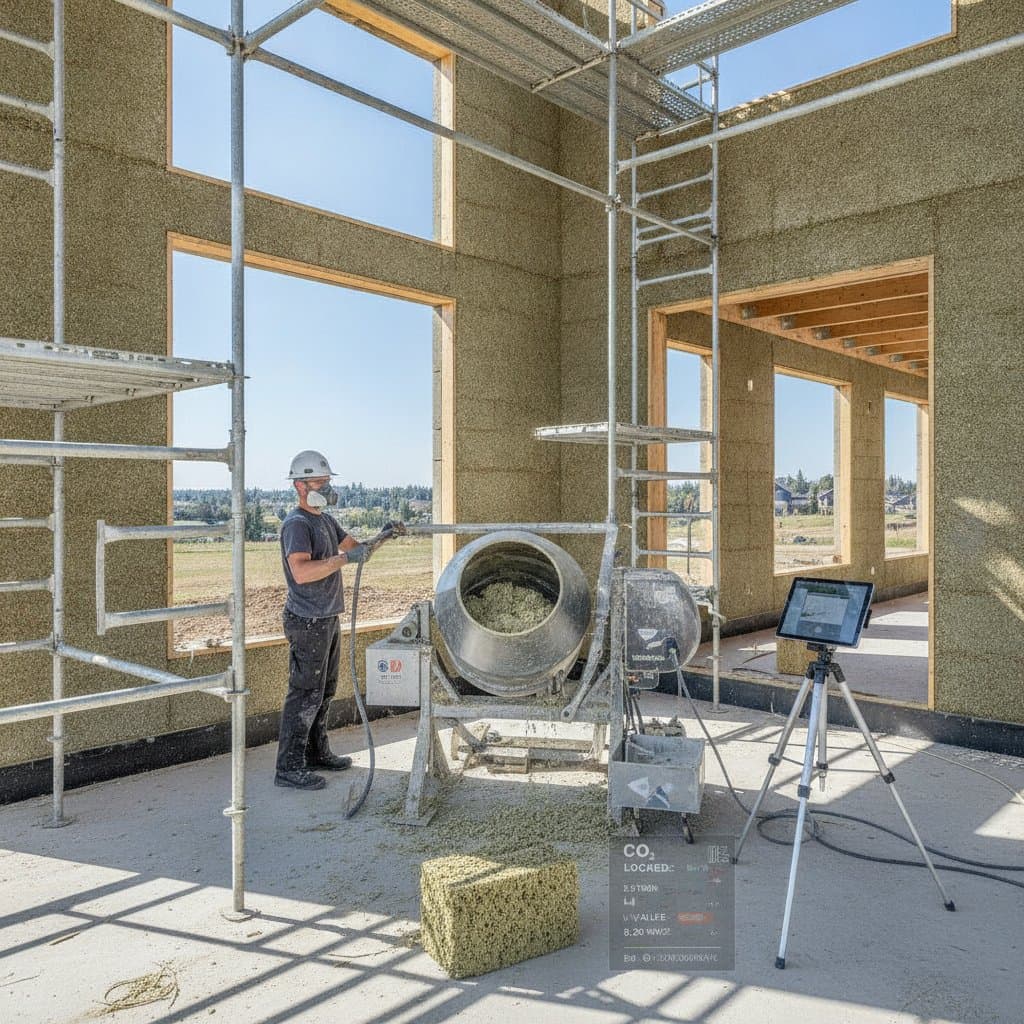
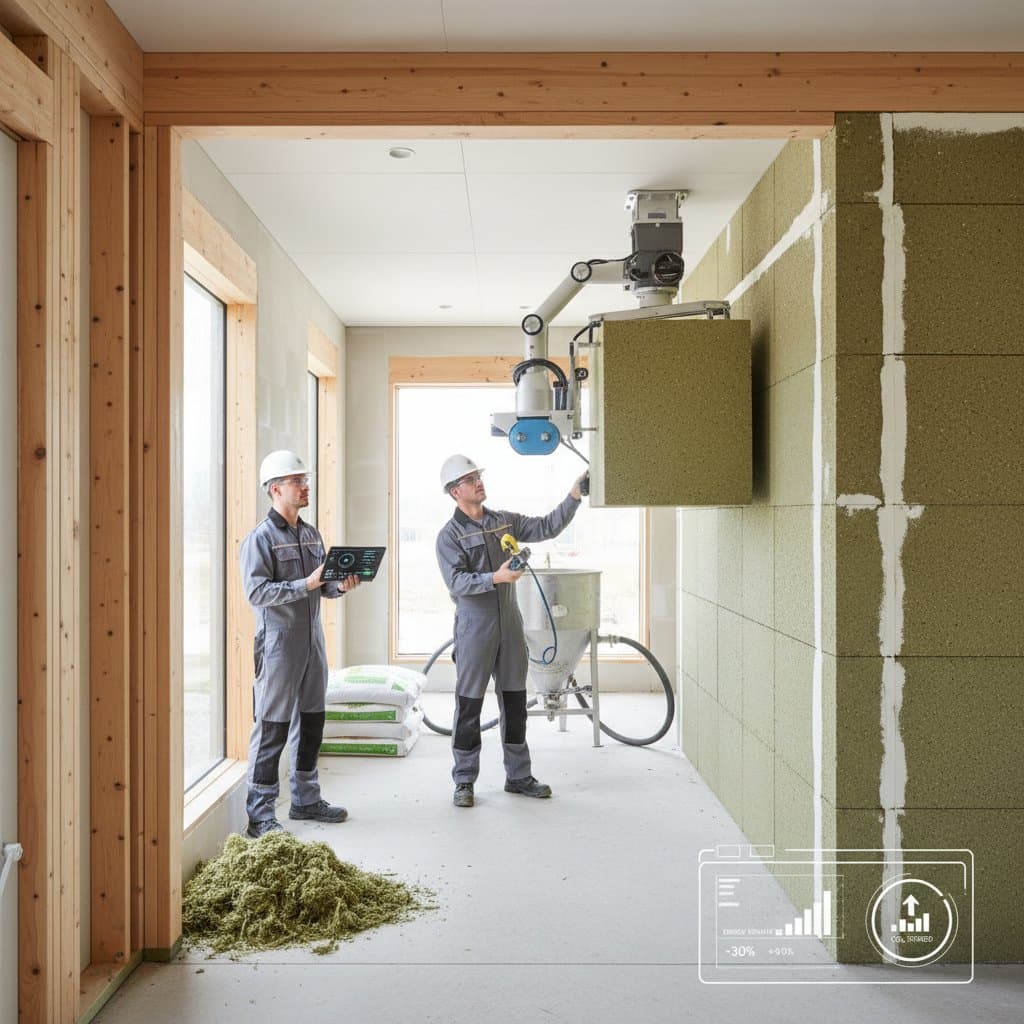
Options include pouring into molds or employing prefabricated blocks. In fresh constructions, on-site casting ensures uniform insulation. For renovations, blocks or sprayed applications suit best. Maintain curing with balanced humidity and soft circulation; hasty evaporation risks fissures or vulnerabilities.
5. Apply Eco-Friendly Finishes
Preserve vapor permeability in hempcrete surfaces. Employ lime plasters or mineral coatings over artificial sealants. This design facilitates moisture release and upholds the wall's innate respiratory function.
Strategies to Enhance Residential Eco-Performance
- Integrate hempcrete with passive solar strategies. Positioned windows and eaves can further diminish heating and cooling requirements by 15 percent.
- Incorporate salvaged timber for framing. This lowers embodied carbon and introduces organic visual appeal.
- Pair with vegetative roofs or facades. Such elements align with hempcrete's humidity control and advance ecological diversity.
- Design for increased wall thickness. At 12 to 16 inches, these dimensions modestly shrink interior areas but substantially elevate livability and efficiency.
- Track moisture levels. Deploy hygrometers to keep indoor humidity at 40 to 60 percent for peak operation.
Proven Results in Practice
Hempcrete accommodates diverse conditions, from coastal dampness to arid interiors. In moist zones, it averts buildup without impermeable liners. In frigid settings, its mass absorbs and gradually dispenses heat.
A client in a precipitation-prone area, whom I advised, experienced a 25 percent reduction in energy expenditures after substituting standard insulation with hempcrete. The surfaces remained arid annually, and indoor temperatures varied by mere degrees seasonally.
Financial Analysis and Returns
Although hempcrete incurs a modest premium initially compared to fiberglass or foam, its enduring value justifies the investment. Recoupment occurs within 8 to 12 years via savings on utilities, maintenance, and mold prevention.
Projected Expenses:
- Materials: $60 to $120 per square meter
- Labor: $50 to $100 per square meter
- Complete Installation: $110 to $220 per square meter
Across the building's lifespan, these walls lower operational costs by up to 30 percent and eliminate frequent replacements, as hempcrete resists deterioration unlike synthetic counterparts.
Broader Ecological and Wellness Effects
Hempcrete's green attributes surpass carbon retention. Fully biodegradable and non-toxic, it recycles easily into fresh aggregates. The lime resists insects and flames organically, obviating chemical interventions.
Construction teams using hempcrete report cleaner sites with reduced particulates and a refreshing natural odor. These factors enhance worker safety and site ambiance.
Navigating Regulations and Accreditations
Hempcrete aligns with multiple green certification areas, such as:
- Energy reduction for lowered demands on climate control.
- Resource efficiency for minimal carbon and renewable origins.
- Air purity for safe, breathable interiors.
Regulatory frameworks for hempcrete expand rapidly, with established protocols in numerous locales. Verify with municipal authorities or engage engineers versed in bio-materials.
Balancing Expertise and Self-Building
One may inquire whether hempcrete suits amateur efforts. Viability hinges on proficiency. Modest, non-load-bearing tasks like boundary walls or outbuildings suit capable individuals. For comprehensive residences, professional involvement in natural techniques is advisable. Faulty blending or curing undermines stability and efficacy.
Locate certified specialists via our resource at itsacoolerplanet.com. We assess contractors for environmental knowledge, local adaptation, and track records. Such experts refine cost projections tailored to your locale.
Advancing to a Sequestration-Capable Residence
To safeguard your property against future challenges, examine hempcrete closely. Assess existing barriers and insulation via a specialist energy review to pinpoint inefficiencies and hempcrete's potential gains.
Adopt a gradual strategy:
- Upgrade a single area, like an annex or extension, to evaluate outcomes.
- Record moisture and consumption over months.
- Expand upon validation of anticipated benefits.
Success demands deliberate design, skilled execution, and curing vigilance. Hempcrete compensates initial efforts with prolonged ease, resilience, and planetary contributions.
In my professional tenure, seldom does a material unite occupant well-being with ecological stewardship so seamlessly. As hemp farming grows and lime processes refine, hempcrete emerges as the pivotal element in eco-forward architecture.
Frequently Asked Questions
How long does hempcrete require for complete curing?
Curing spans four to six weeks in temperate settings. Adequate ventilation and shelter are essential. Accelerated drying compromises integrity, so track moisture consistently.
Is hempcrete viable in frigid or damp regions?
Yes. It excels in cold and humid contexts. In rainy areas, secure robust bases and shielding projections to avoid pooled water.
What inspection frequency applies to hempcrete walls?
Yearly visual checks suffice typically. Scan for fine cracks or color shifts signaling humidity discrepancies.
Selecting hempcrete extends beyond performance upgrades. It engages a sequestration loop that bolsters personal ease and global endurance.