Key Points
- Mycelium insulation, derived from fungal networks, serves as an eco-friendly substitute for petrochemical foams and fiberglass.
- This material proves renewable, fire-resistant, biodegradable, and delivers robust thermal performance.
- Implementation of mycelium-based insulation lowers energy expenses, diminishes embodied carbon, and enhances indoor air quality.
- Integration requires proper preparation and expert oversight for both new constructions and existing structures.
- Broader availability and reduced costs emerge as construction professionals increasingly embrace bio-based options.
Introducing Mycelium in Sustainable Construction
Envision entering a residence that maintains a steady, comfortable temperature, with air infused by a faint, earthy aroma of vitality. Rather than synthetic barriers concealed within walls, this home utilizes a material cultivated from mushrooms. As a specialist in green building practices, I observe numerous property owners seeking insulation solutions that deliver performance without environmental harm. Mycelium, the underground network of fungi, emerges as a viable solution.
In areas prone to humid summers or harsh winters, standard insulation frequently struggles to combine comfort with ecological responsibility. Property owners express fatigue with substances that retain moisture, release toxins, or demand fossil fuels in manufacturing. Such dissatisfaction drives demand for mycelium insulation, a development poised to transform perceptions of structural barriers.
Drawbacks of Conventional Insulation
Materials like fiberglass, spray foam, and polystyrene have commanded the insulation sector for decades. These options retain heat effectively, yet they generate substantial greenhouse gas emissions. Manufacturing synthetic foams depends on petroleum derivatives, and disposal results in persistent waste. Improper application creates voids that permit energy loss, while degradation over time liberates microfibers or volatile organic compounds into living spaces.
For individuals prioritizing enduring benefits, these substances pose risks. Water penetration fosters mold proliferation, and chemical emissions undermine efficiency, health, and well-being. Bio-based alternatives address these issues through a regenerative strategy.
Reasons for Mycelium's Rise
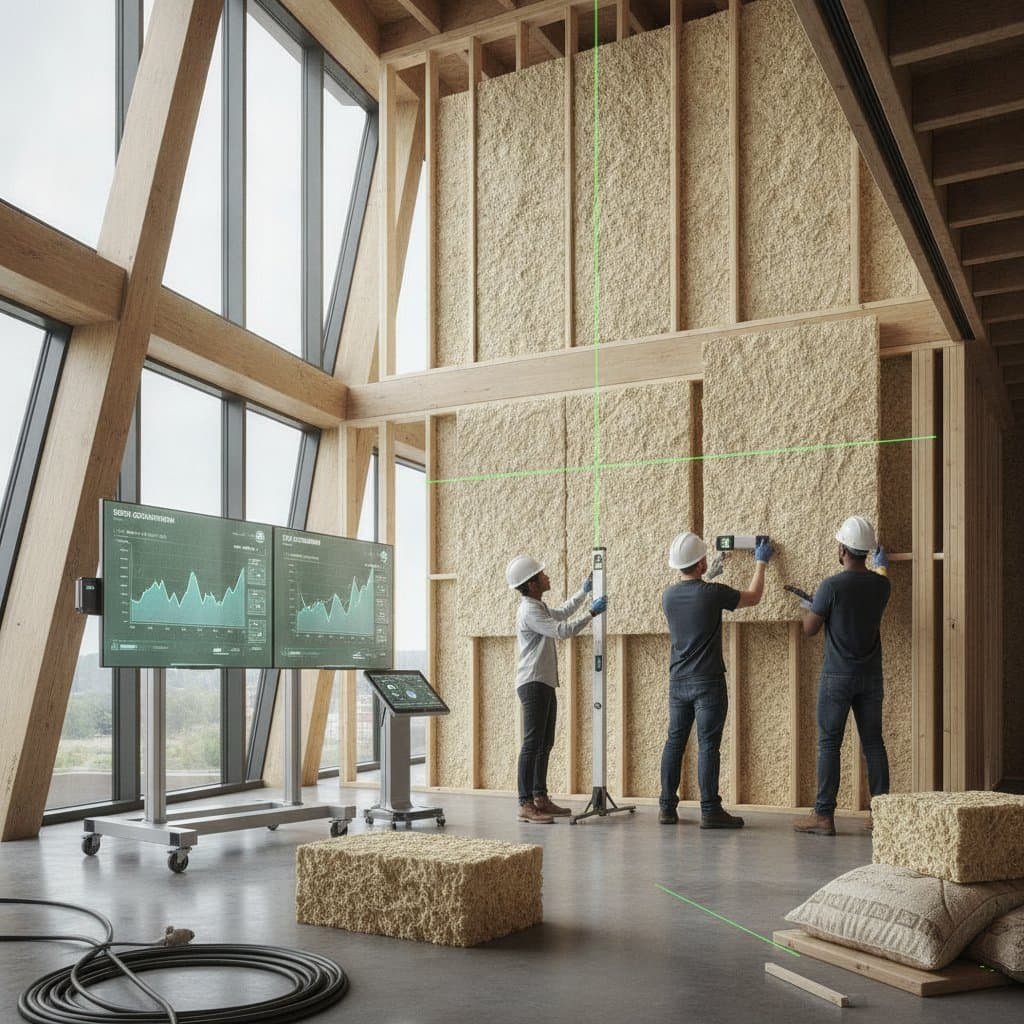
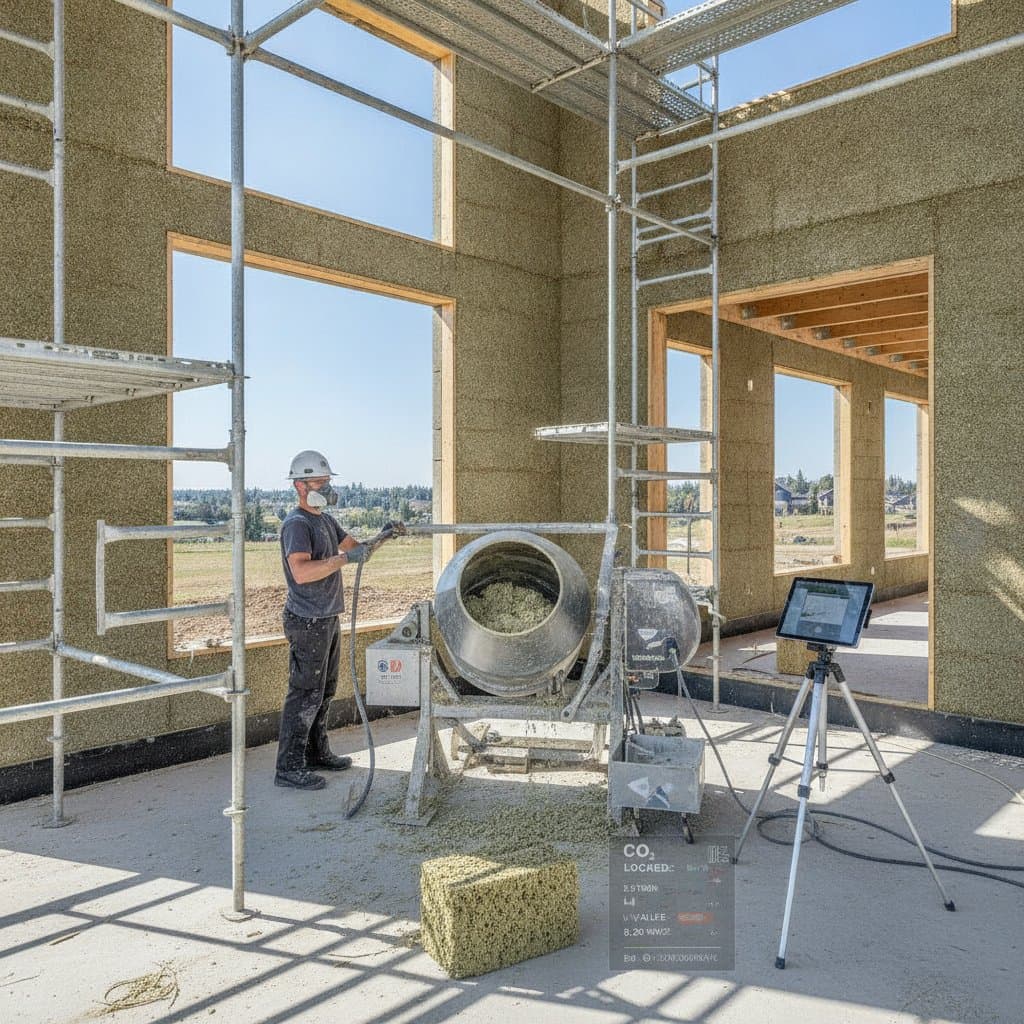
Craftsmen cultivate mycelium insulation by encouraging fungal growth on substrates like hemp hurds or wood chips from agriculture. This process yields a lightweight, firm foam adaptable into panels or cavity fills. Application of heat terminates growth, rendering the product stable, fire-resistant, and fully compostable upon decommissioning.
Through extensive professional experience, I recognize that superior sustainable advancements seamlessly align with established building methods. Mycelium adheres to this ideal. Builders apply it in walls, attics, and underfloors, achieving R-values on par with traditional insulators. Since growth supplants intensive manufacturing, embodied carbon remains minimal compared to standard construction elements.
Strategies to Enhance Home Efficiency
For those contemplating mycelium insulation, consider these recommendations from a green building authority:
-
Assess Climate Requirements
Mycelium excels in temperate to humid environments, where its ability to regulate moisture provides distinct advantages. In arid zones, combine it with vapor-permeable barriers to optimize results. -
Perform a Retrofit Evaluation
Prior to material selection, arrange an energy assessment. Specialists pinpoint opportunities for insulation improvements, potentially reducing heating and cooling expenses by as much as 30 percent. -
Select Verified Products and Professionals
Identify providers who grow mycelium in sterile, regulated settings. Collaborate with contractors skilled in bio-materials to guarantee sealed applications and adherence to regulations. -
Address Moisture Control
Mycelium inherently repels mold, yet ventilation and vapor barriers remain essential. Pair it with permeable surfaces like lime plaster or clay finishes for equilibrium. -
Anticipate Lifecycle Advantages
During upgrades, compost or recycle mycelium components to form a closed-loop system, avoiding landfill contributions.
Scientific Basis of Mycelium's Insulation Efficacy
Mycelium functions as a network of tiny air voids, akin to a natural insulator that captures warmth much like feather filling in outerwear. These structures impede heat transfer through walls. R-values, indicating heat flow resistance, generally span R-3 to R-4 per inch, aligning with fiberglass benchmarks. Its distinguishing features include permeability and humidity control, which sustain even temperatures and prevent moisture buildup.
Dr. Lena Ortiz, a researcher in sustainable materials, states, "Mycelium insulation demonstrates remarkable thermal consistency and fire resistance, absent the synthetic binders that frequently pollute indoor environments." This perspective aligns with observations from practitioners as the innovation advances.
Essential Factors for Property Owners
Pricing and Accessibility:
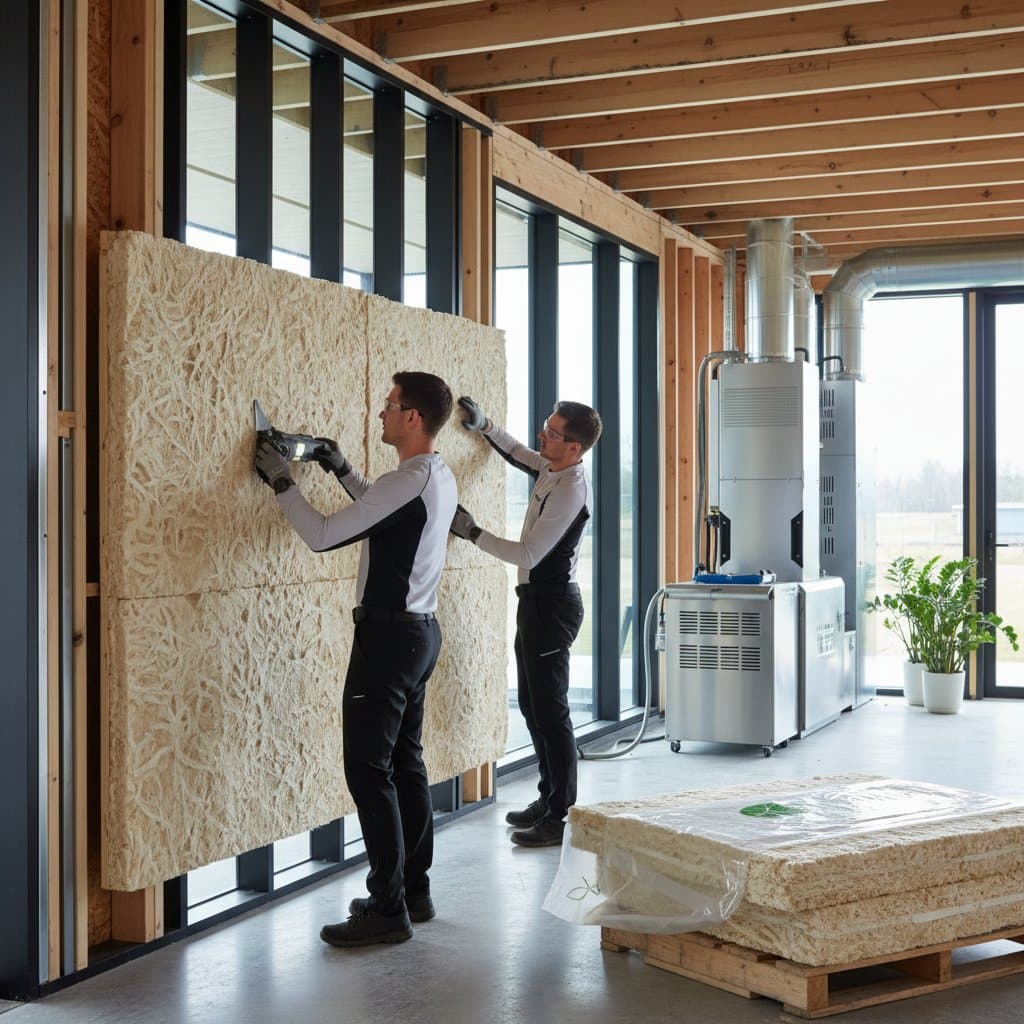
Mycelium insulation presently incurs 10 to 20 percent higher costs than fiberglass, influenced by regional logistics. Expanded production, leveraging local agricultural residues, promises to close this difference. Labor for installation mirrors that of mineral wool, rendering it feasible for eco-upgrades.
Environmental and Health Effects:
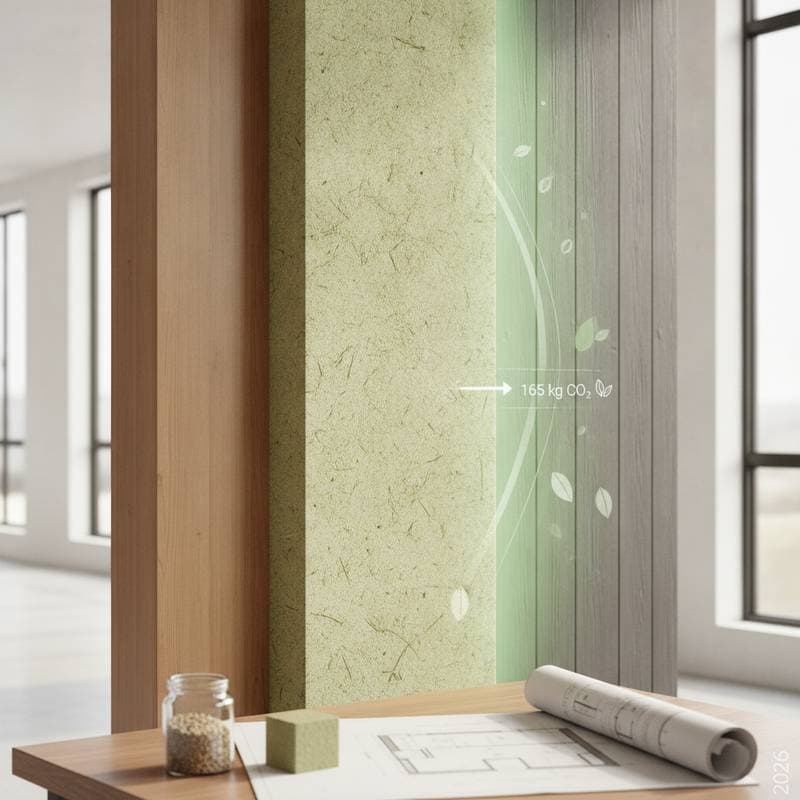
Grown on replenishable bases, mycelium sequesters carbon during development. One cubic meter may capture up to 100 kilograms of CO₂ equivalent, yielding quantifiable ecological gains. Free from formaldehyde and artificial resins, it promotes superior indoor atmospheres.
Installation Duration and Upkeep:
Growth requires roughly one week, followed by swift panel placement post-curing. Upkeep involves periodic inspections for water issues, sufficient for sustained reliability.
Regulatory Approval and Standards:
Certain jurisdictions recognize mycelium under bio-material provisions. For LEED or Passive House pursuits, it earns points in renewable and low-carbon classifications.
Addressing Realistic Hurdles
Mycelium insulation holds strong potential, yet remains in early adoption. Supplier quality varies, and minor compression may occur over years. Demand verified lab results for fire safety and durability. Refrain from personal cultivation without biofabrication expertise, as it risks impurities or uneven composition.
Professionals note that pioneers derive valuable lessons. Engaging qualified teams refines methods and accelerates industry shifts toward sustainability.
Steps to Implement Mycelium Insulation
To pursue this option, consult regional green building specialists via resources at itsacoolerplanet.com. Obtain obligation-free estimates, evaluate accredited contractors, and review climate-tailored specifications. Mycelium insulation paves a route to efficient, restorative building that serves households and ecosystems alike.
View your residence as an integrated system, where barriers foster harmony and regeneration. Selecting nature-derived elements advances a more intelligent, pristine tomorrow grounded in natural principles.
Frequently Asked Questions
Q: How long does mycelium insulation endure after installation?
A: Installed correctly, panels maintain effectiveness for 30 to 50 years. Routine moisture evaluations and adequate airflow preserve durability over this period.
Q: Is self-installation of mushroom insulation feasible?
A: Limited DIY options exist for minor applications, but experts advise professional handling for comprehensive efforts. They confirm curing, sealing, and code conformity.
Q: What costs apply to insulating a 1,500-square-foot home with mycelium?
A: Budget $4,000 to $7,000, varying by depth and location. Resulting energy reductions typically recoup the investment in five to seven years.