Hempcrete: Carbon-Sequestering Walls for Sustainable Homes in 2026
Envision a residence designed for long-term environmental harmony. Beyond solar arrays or automated climate controls, the innovation lies within the structure itself. Hempcrete, a biocomposite derived from hemp hurd, lime, and water, reshapes sustainable construction practices. This material not only minimizes emissions during production but also captures carbon dioxide from the atmosphere throughout its service life.
Essential Attributes
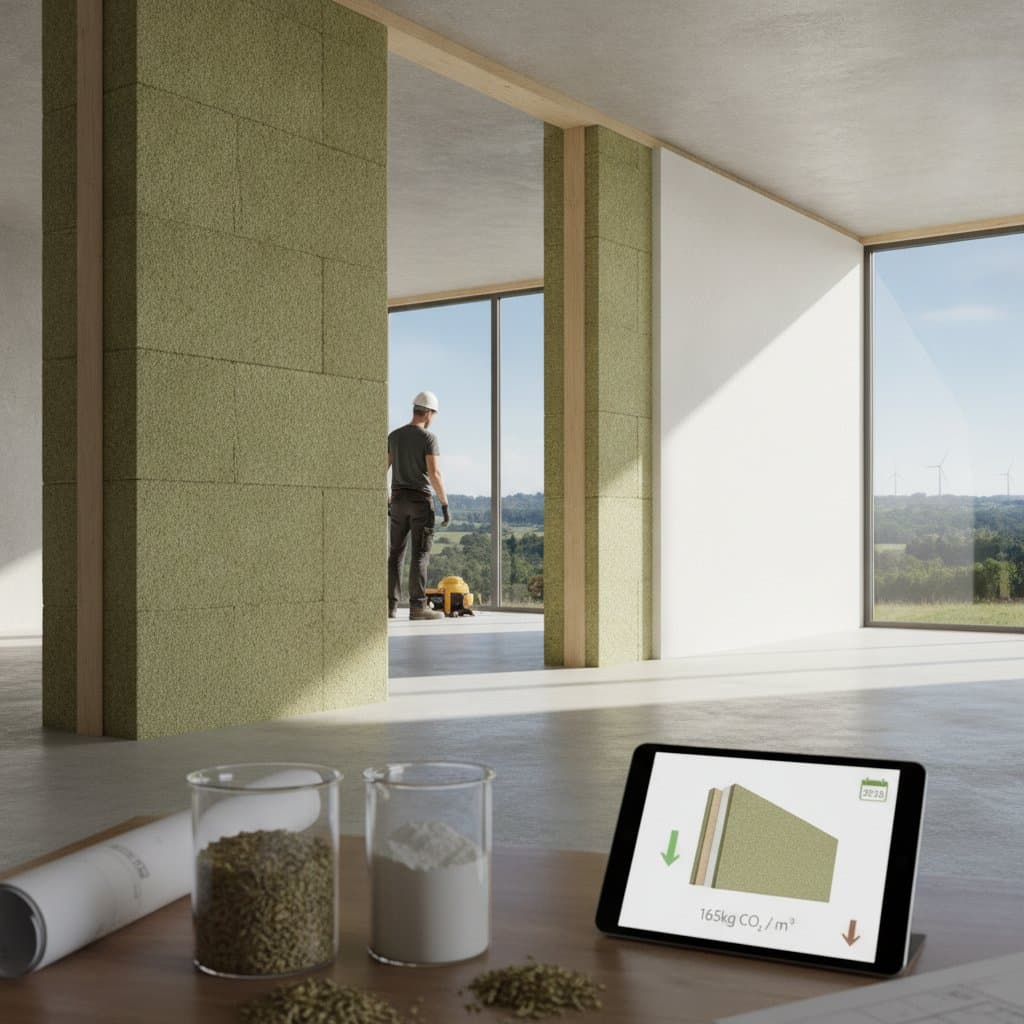
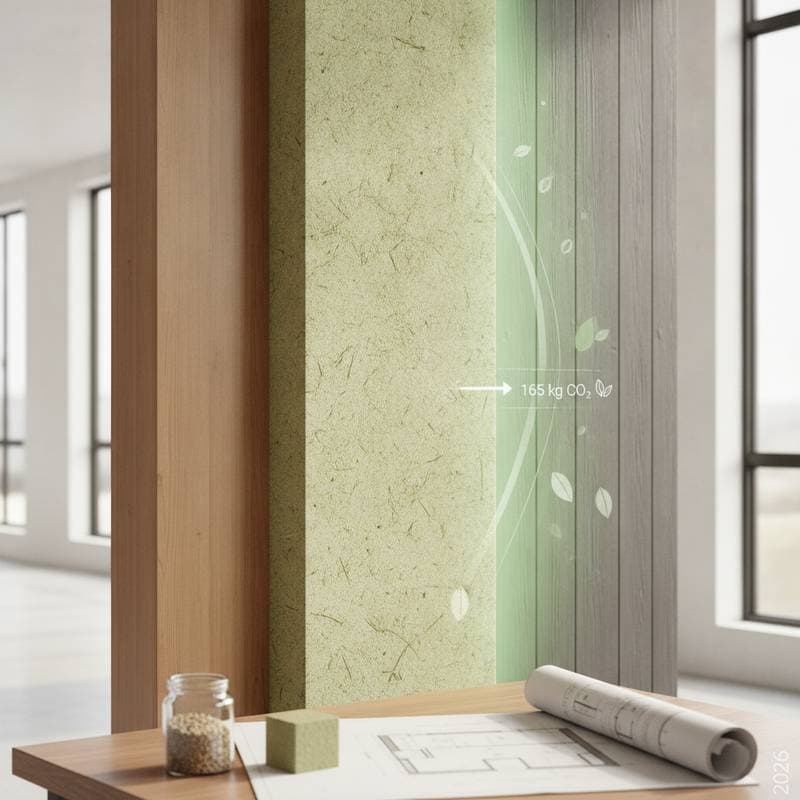
- Hempcrete sequesters up to 165 kilograms of carbon dioxide per cubic meter.
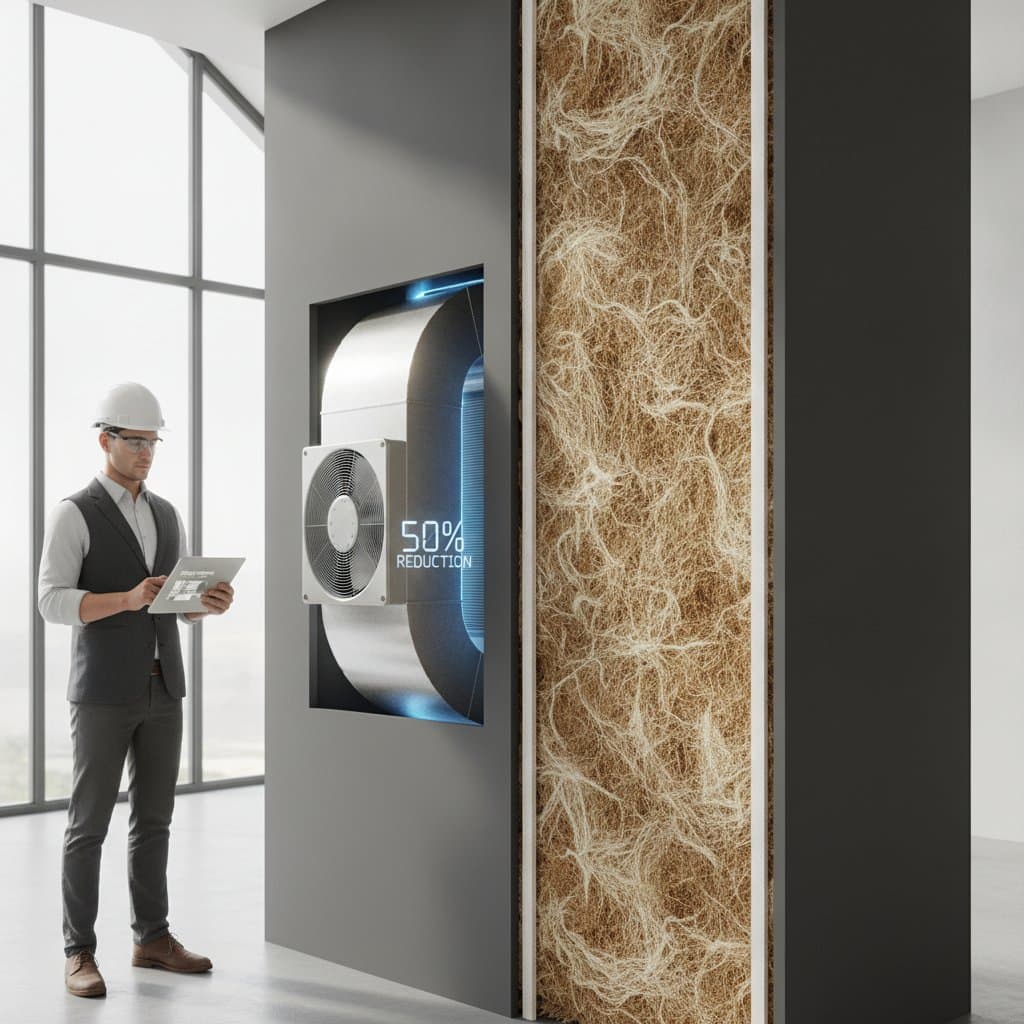
- It delivers superior insulation, enabling reductions in energy consumption of 30 to 50 percent for occupants.
- The composition remains non-toxic, resistant to mold, and recyclable at the conclusion of its lifecycle.
- Local hemp sourcing minimizes transport-related emissions and stimulates rural economic activity.
- As a non-load-bearing substance, hempcrete integrates seamlessly with timber frames to form robust, environmentally sound assemblies.
Composition of Hempcrete
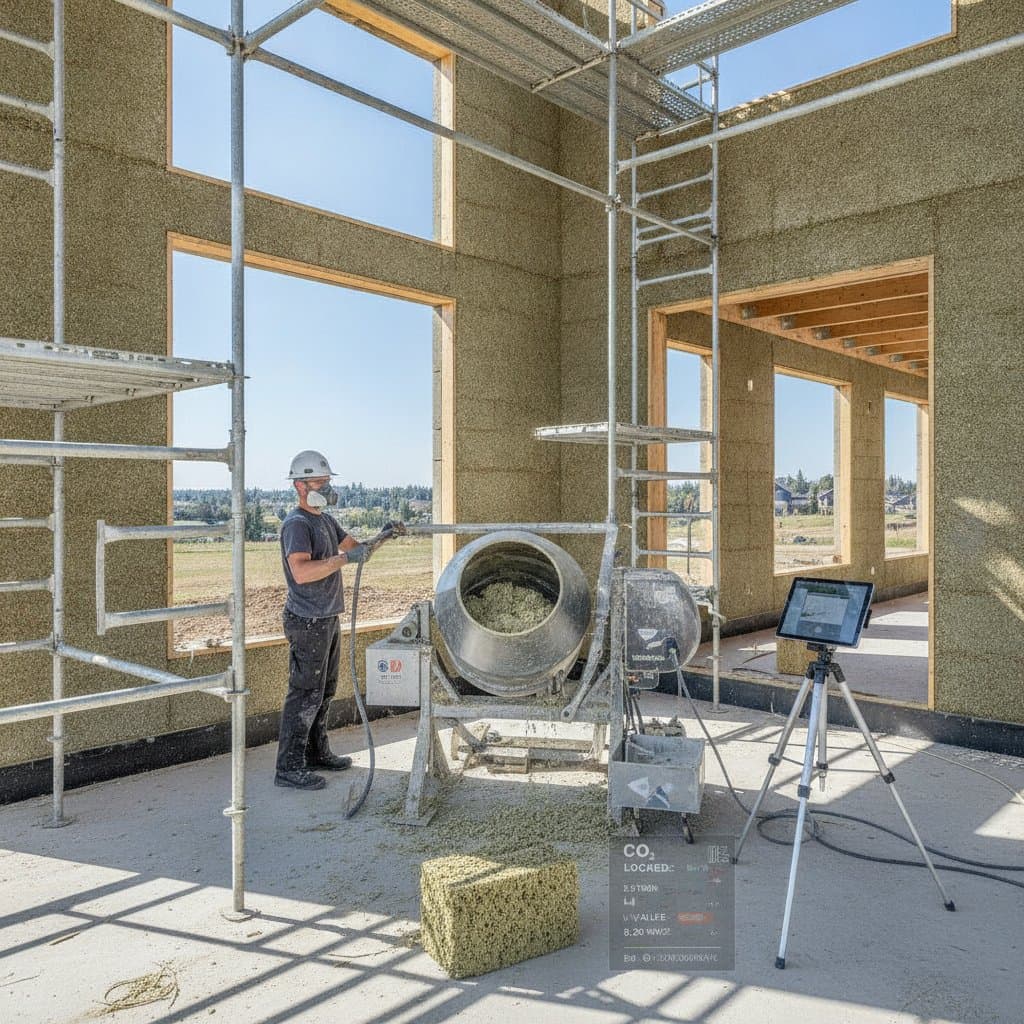
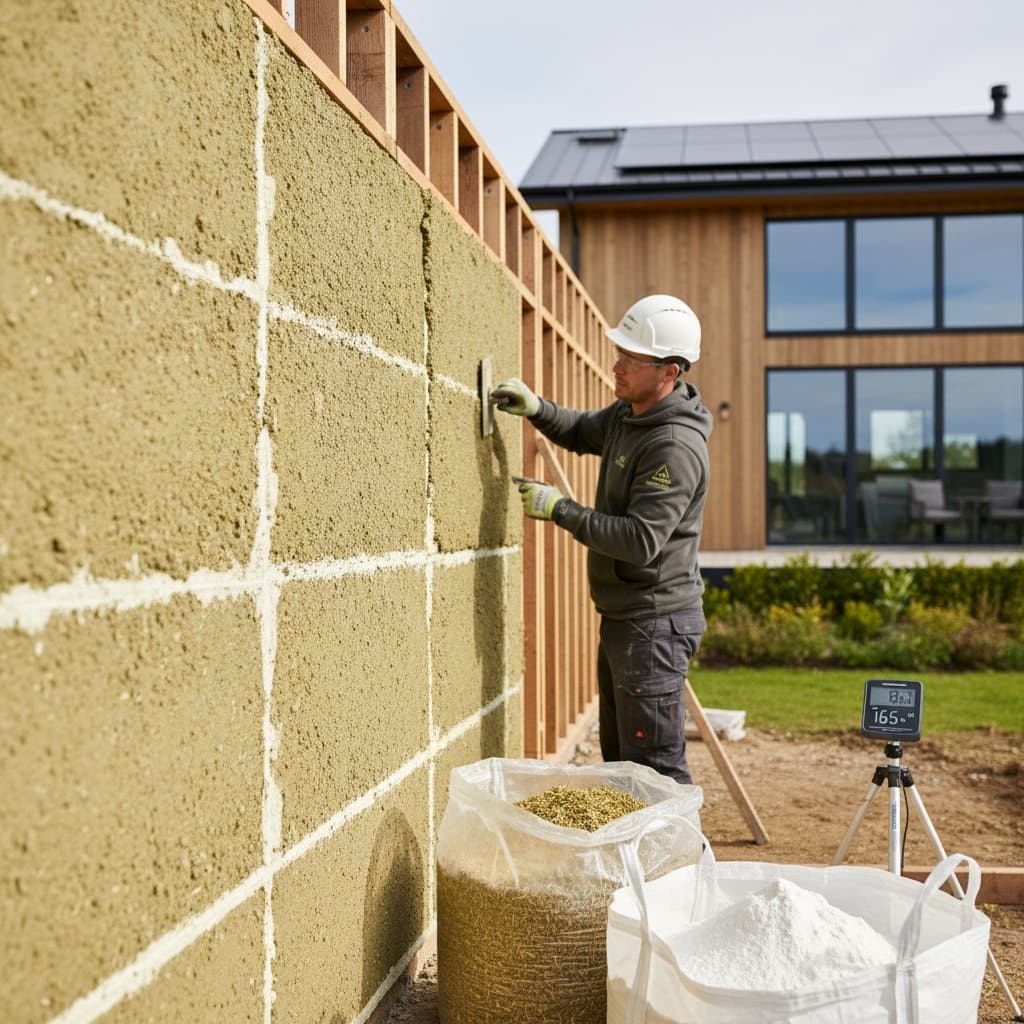
Hempcrete differs fundamentally from conventional concrete. Rather than incorporating sand and aggregates, it employs the inner woody portion of the hemp plant, termed hurd, blended with lime and water. This yields a lightweight, permeable form that cures into a vapor-permeable wall system, available as blocks or a sprayable mix.
Studies from leading green building organizations highlight hempcrete's carbon sequestration mechanism, rooted in the hemp plant's growth. Hemp matures swiftly and draws substantial carbon dioxide from the air during its cycle. Once integrated into hempcrete, this carbon remains bound for extended periods. The lime component further contributes by absorbing additional carbon dioxide during the curing process, resulting in dual carbon capture.
Reasons Builders Embrace Hempcrete
Conventional materials such as concrete and steel contribute approximately 40 percent to worldwide carbon emissions. Substituting portions of these with hempcrete alters this profile significantly. Professionals adopting hempcrete cite three primary benefits:
- Enhanced Energy Performance: The material's thermal mass moderates internal temperatures, decreasing dependence on artificial heating and cooling.
- Improved Indoor Environment: Hempcrete manages humidity levels effectively and wards off mold and infestations, fostering superior air quality.
- Long-Term Resilience: It resists cracking and requires little upkeep, ensuring longevity across generations.
Building engineer Mark Linton describes hempcrete's attributes as “a rare combination of environmental benefit and occupant comfort that few other materials can match.”
Hempcrete Versus Traditional Materials
| Material | Average Carbon Footprint (kg CO₂/m³) | Insulation Value (R-Value per inch) | Lifespan (years) |
|---|---|---|---|
| Concrete | +250 | 0.08 | 75 |
| Brick | +200 | 0.20 | 100 |
| Hempcrete | -165 | 2.4 | 100+ |
In contrast to concrete, which releases carbon, hempcrete removes it from the environment. Its insulating properties surpass those of typical masonry options, yielding reliable reductions in operational costs.
Implementation Guidance for Builders and Residents
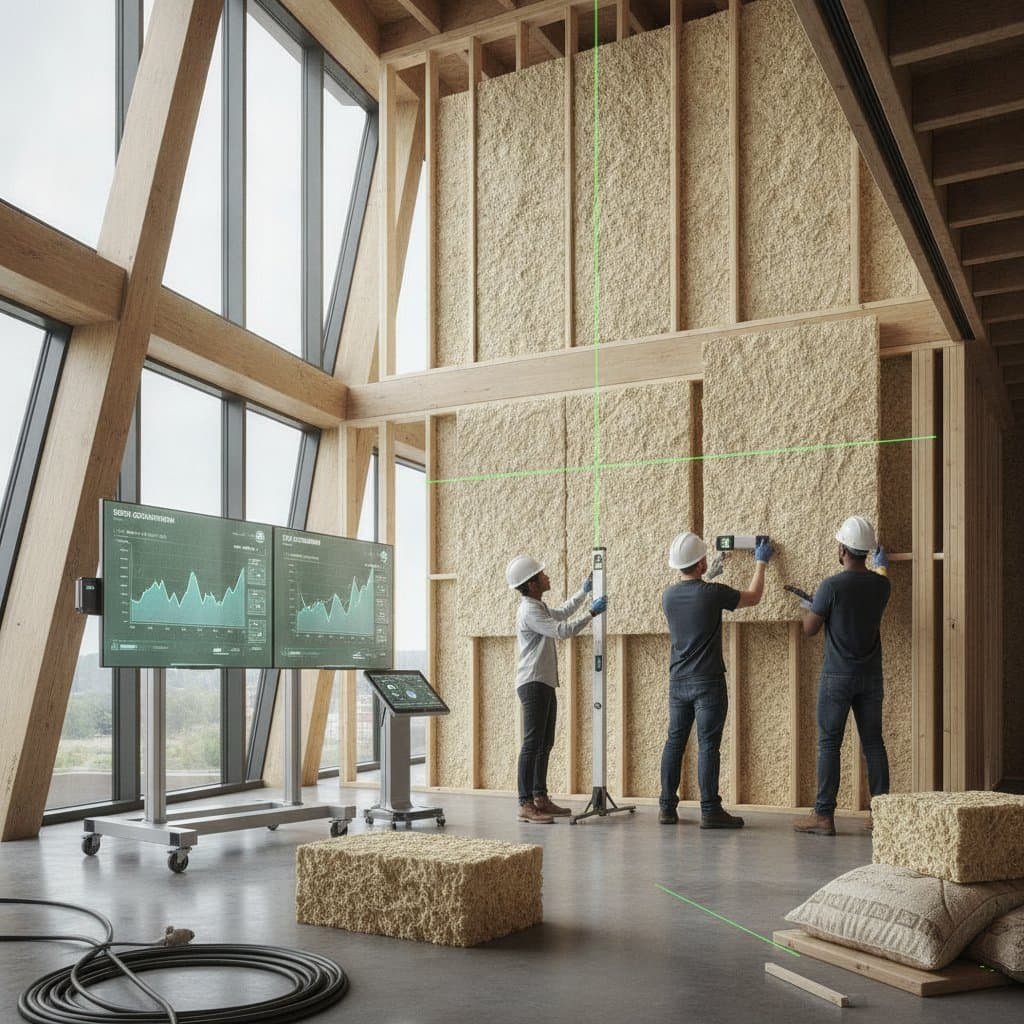
Incorporating hempcrete demands specific adaptations. Lacking structural capacity, it necessitates a supporting framework of timber or steel. The blend pours or sprays around this skeleton and compacts gently to achieve form. Curing spans several days, producing a seamless wall suitable for exposure or natural plaster finishes.
Initial expenses for hempcrete projects may exceed standard methods by 10 to 15 percent. However, energy efficiencies typically recoup this investment in seven to ten years, influenced by regional climate and architectural choices. The on-site mixing and application process simplifies labor, requiring only basic tools and reducing the need for advanced machinery.
For existing structures, hempcrete serves through prefabricated panels or infill applications to enhance insulation without comprehensive overhauls. Its vapor permeability aligns well with heritage buildings, addressing moisture management alongside efficiency upgrades.
Obstacles and Prospects Ahead
Current regulations pose significant barriers, as codes often favor established materials, placing hempcrete in uncertain territory. Certification entities update guidelines progressively with emerging data. Supply reliability also challenges adoption, given the nascent state of commercial hemp farming in various areas.
Momentum builds nonetheless. Forward-thinking architects prioritize carbon-negative alternatives like hempcrete. Academic institutions and research groups compile vital performance data, while public sector initiatives evaluate its role in affordable housing.
Steps to Integrate Hempcrete into Construction Projects
For new developments or upgrades, engage a specialist in bio-based architecture. Solicit a comprehensive evaluation covering initial outlays and extended savings projections.
Residents can influence progress by urging local regulators to incorporate hempcrete into green building standards. Collective advocacy drives policy evolution and expands availability.
Carbon-absorbing walls transition from concept to application for proactive builders. Hempcrete transcends mere thermal barriers or visual appeal. It embodies a paradigm where construction restores ecological balance.