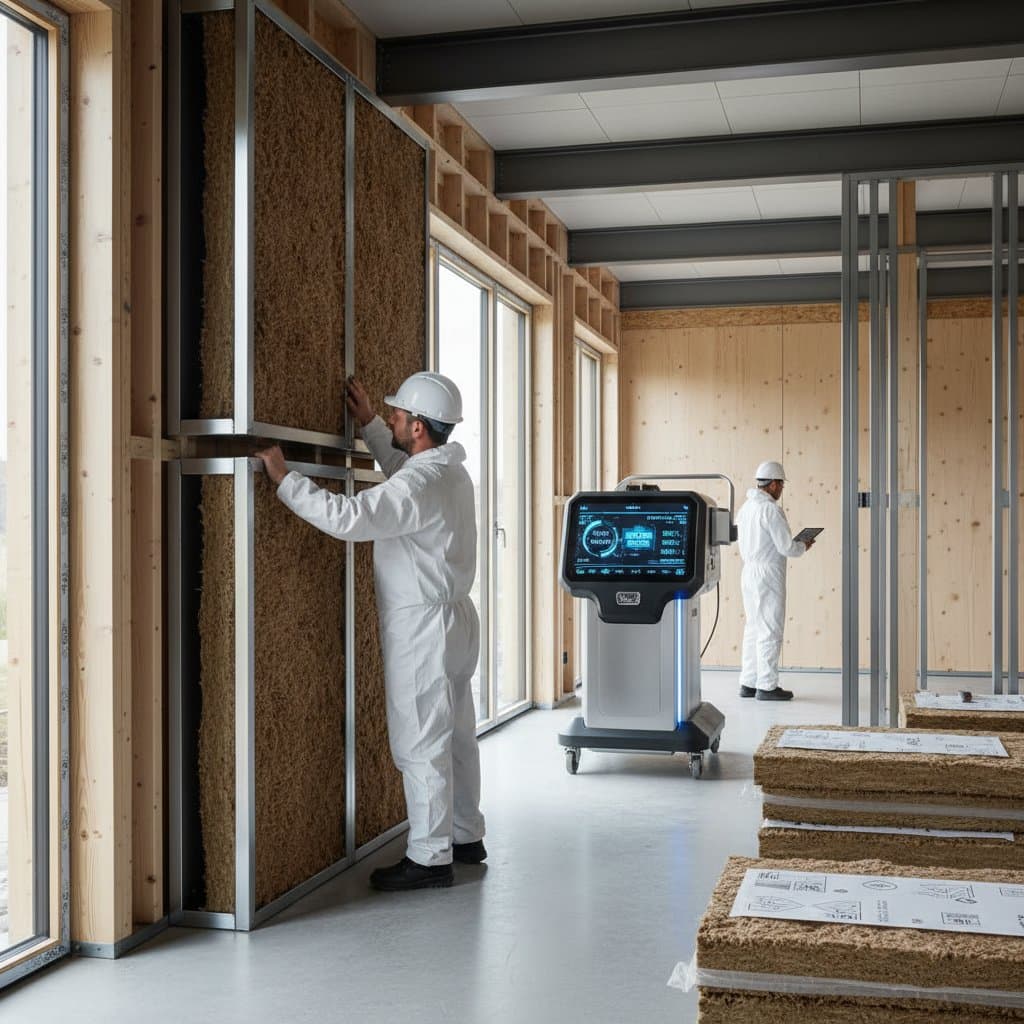
Why Mycelium Will Transform Eco Home Insulation in 2025
Home insulation typically evokes images of fiberglass batts or polystyrene boards. However, the intricate fungal networks thriving beneath the soil now offer a groundbreaking alternative for temperature control. Mycelium, the thread-like foundation of mushrooms, emerges as a robust, eco-friendly insulation option poised to elevate sustainable construction practices.
Key Advantages
- Mycelium insulation reduces energy consumption by up to 30 percent relative to conventional options.
- Its production process generates almost 90 percent less carbon than methods used for foam or fiberglass.
- The material degrades completely, preventing landfill accumulation and fostering circular building approaches.
- Inherent fire resistance and water repellency minimize reliance on synthetic treatments.
This innovation draws interest from homeowners, architects, and contractors alike. It embodies a larger transition to performant, environmentally benign materials that integrate seamlessly back into natural cycles.
Understanding Mycelium Insulation
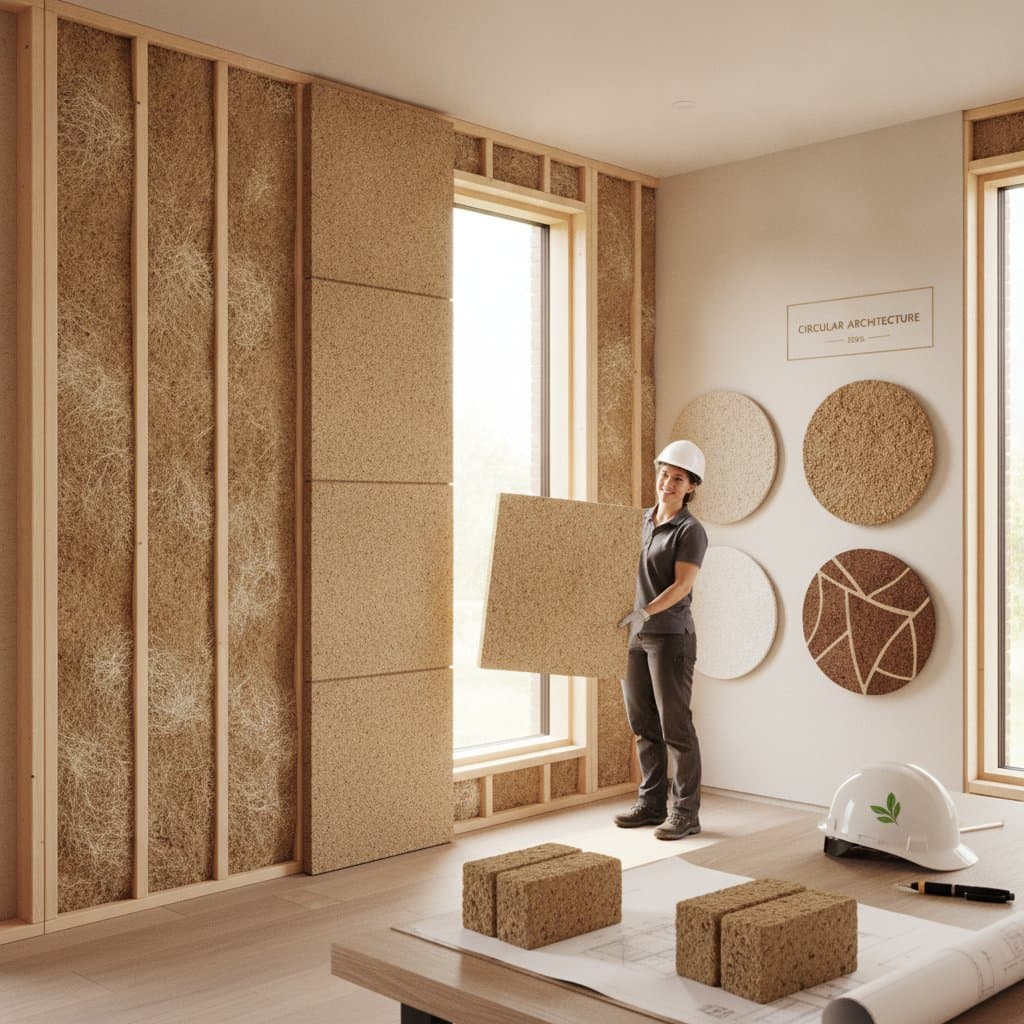
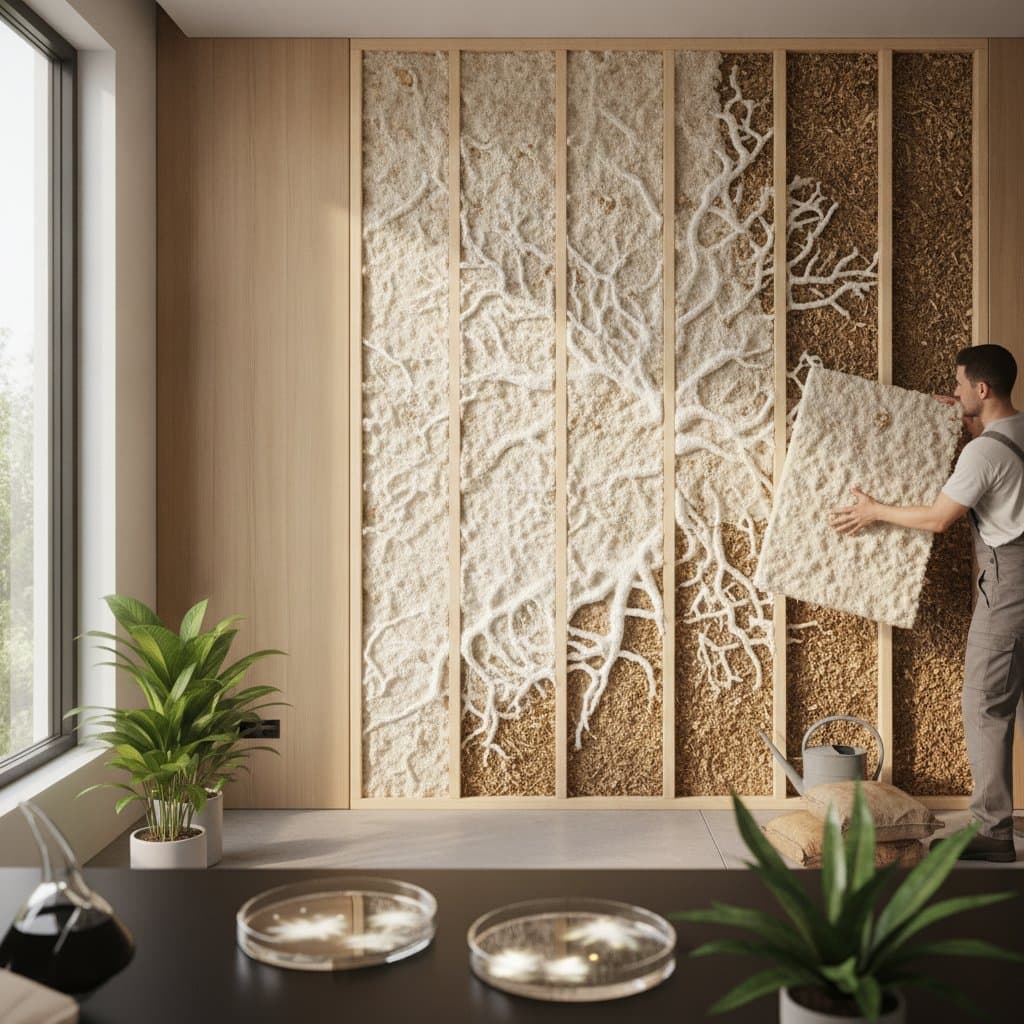
Mycelium consists of the fungal body's branching filaments, called hyphae, which form a resilient web. Cultivated on substrates like corn stalks or wood chips in regulated settings, it develops into a porous, durable form. A subsequent heat process halts further expansion, yielding lightweight sheets suitable for wall cavities, attics, and subfloors.
Studies from the Sustainable Building Materials Institute indicate that mycelium composites achieve thermal conductivity rates of 0.03 to 0.05 W/mK, rivaling or surpassing many petroleum-based insulators. The growth-based fabrication demands little energy input and eschews hazardous substances entirely.
Mycelium Versus Traditional Insulation Materials
The following comparison highlights mycelium's strengths against fiberglass and foam boards, two staples in the industry.
| Property | Mycelium | Fiberglass | Foam Boards |
|---|---|---|---|
| Thermal Conductivity (W/mK) | 0.03–0.05 | 0.04–0.05 | 0.03–0.04 |
| Carbon Emissions (kg CO₂/kg) | 0.07 | 1.4 | 3.0 |
| Biodegradability | 100% | 0% | 0% |
| Fire Resistance | High | Moderate | Low |
| Water Resistance | Moderate | Low | High (chemical) |
Data from the European Green Construction Council reveal that structures account for about 40 percent of worldwide carbon output, with insulation playing a notable role. Mycelium, derived from waste organics and compostable at end-of-life, addresses the persistent waste issues associated with non-degradable alternatives.
Performance in Actual Residential Settings
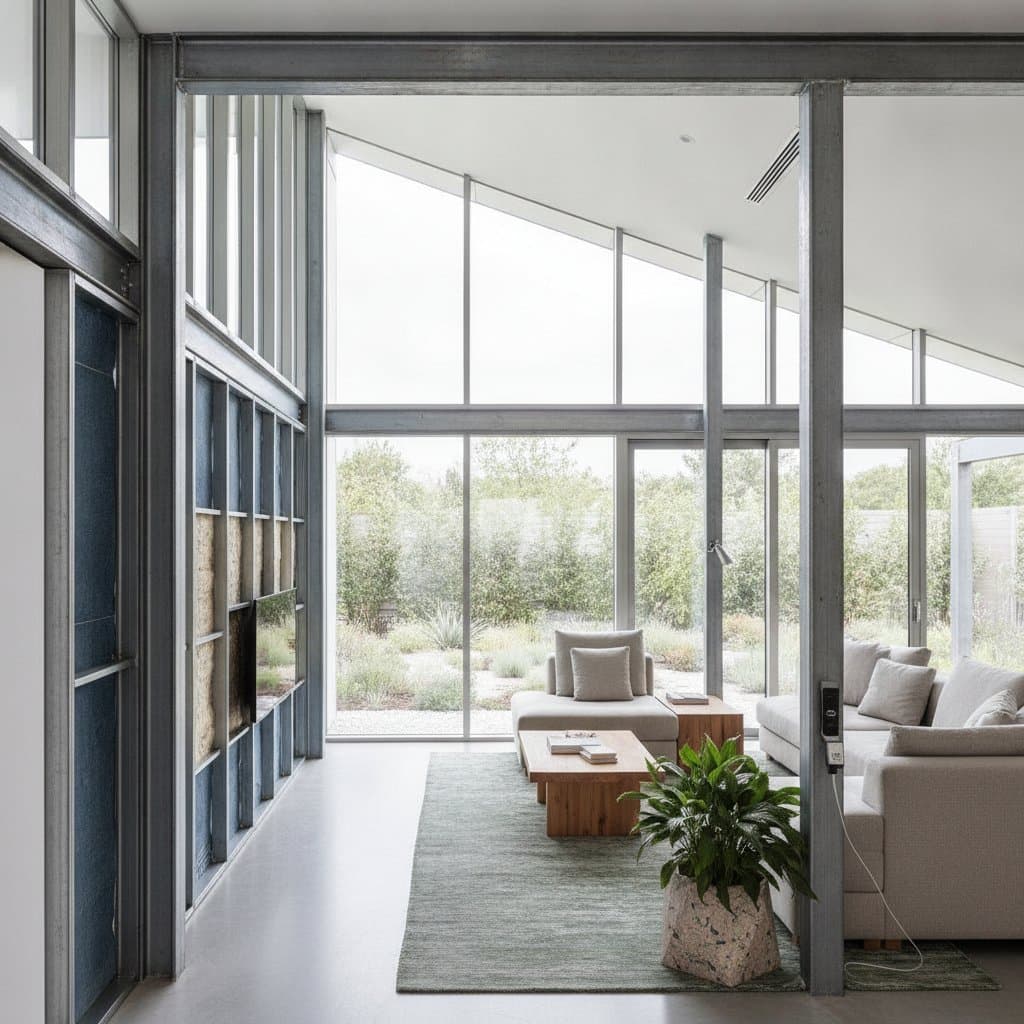
Pioneering installations in homes and offices demonstrate mycelium's reliability over extended periods. The panels maintain effective insulation while staying lightweight and vapor-permeable, simplifying retrofits and new builds.
Architect Laura Chen, an expert in sustainable renovations, states, “Mycelium insulation delivers equivalent comfort to standard products, yet without the ecological drawbacks.” Her projects highlight its appeal through organic textures and humidity management capabilities, eliminating the need for extra finishes.
The material's built-in flame retardancy satisfies building codes sans chemical enhancements. Additionally, it deters insects and mold, which lowers long-term upkeep expenses.
Economic Benefits of Mycelium Production
Scalability positions mycelium as an economical choice for insulation. Feedstocks comprise abundant agricultural residues, often destined for disposal. Localized manufacturing cuts shipping-related emissions and bolsters community-based supply chains.
Research by the Green Materials Research Group shows that fabricating one cubic meter of mycelium insulation incurs roughly 25 percent lower costs than mineral wool when using nearby resources. Savings extend to avoided waste handling and diminished utility bills for heating and cooling.
This affordability democratizes green insulation for typical households. Market growth anticipates equivalent pricing to legacy materials soon after widespread adoption.
Essential Factors for Implementation
For builders and owners evaluating mycelium in projects, consider these core elements:
- Installation Process: Panels yield to conventional cutting tools and fit standard framing. Optimal results occur in controlled moisture conditions or with protective barriers.
- Longevity: Sealed applications endure for decades with negligible breakdown.
- Disposal Options: Compost onsite or reuse as nutrient-rich soil amendments.
- Compliance Checks: Select verified options meeting thermal efficiency and fire protocols.
- Design Integration: Exposed surfaces offer earthy visuals that enhance biophilic interior schemes.
Such guidelines facilitate adoption without overhauling workflows or tools.
Broader Applications in Sustainable Design
Mycelium's versatility extends to protective packaging, structural furnishings, and sound-absorbing elements. These uses further displace persistent synthetics, curbing environmental pollution.
Dr. Karim Ellison, an environmental scientist, calls mycelium “a versatile resource for regenerative architecture.” Tailoring growth parameters allows customization—from rigid supports to pliable forms—positioning it as a foundational element in future eco-materials.
Steps to Adopt Mycelium Insulation
To incorporate this technology in your next sustainable project, consult vendors focused on organic composites. Request prototypes, efficiency metrics, and regional stock details. Combine with solar setups and smart airflow for residences approaching zero net emissions.
Embracing mycelium signals a commitment to harmonious, nature-aligned construction.