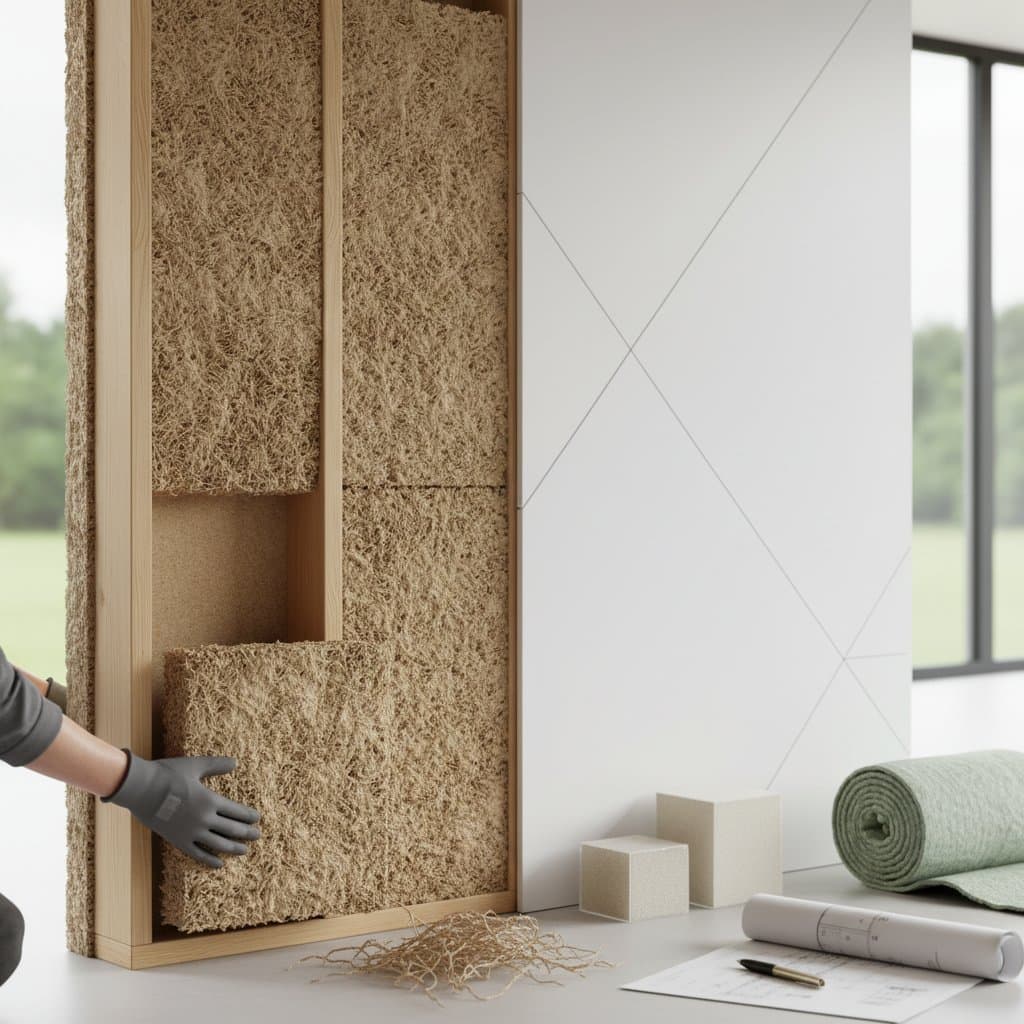
Key Points
- Mycelium insulation redefines sustainable home design through its natural biodegradability and robust thermal performance.
- This material proves safe, non-toxic, and suitable for local production, appealing to environmentally aware homeowners.
- It achieves R-values comparable to foam and fiberglass, providing effective insulation without environmental harm.
Mushroom Insulation: A Transformative Choice for Eco-Friendly Homes in 2025
Imagine entering a residence that maintains a steady, comfortable temperature regardless of external weather conditions. The atmosphere feels pure and invigorating, reflecting a deep connection to the natural world. As a professional in green building, I have evaluated numerous insulation options over the years, yet mycelium-based products stand out for their potential to reshape residential construction toward greater sustainability and durability.
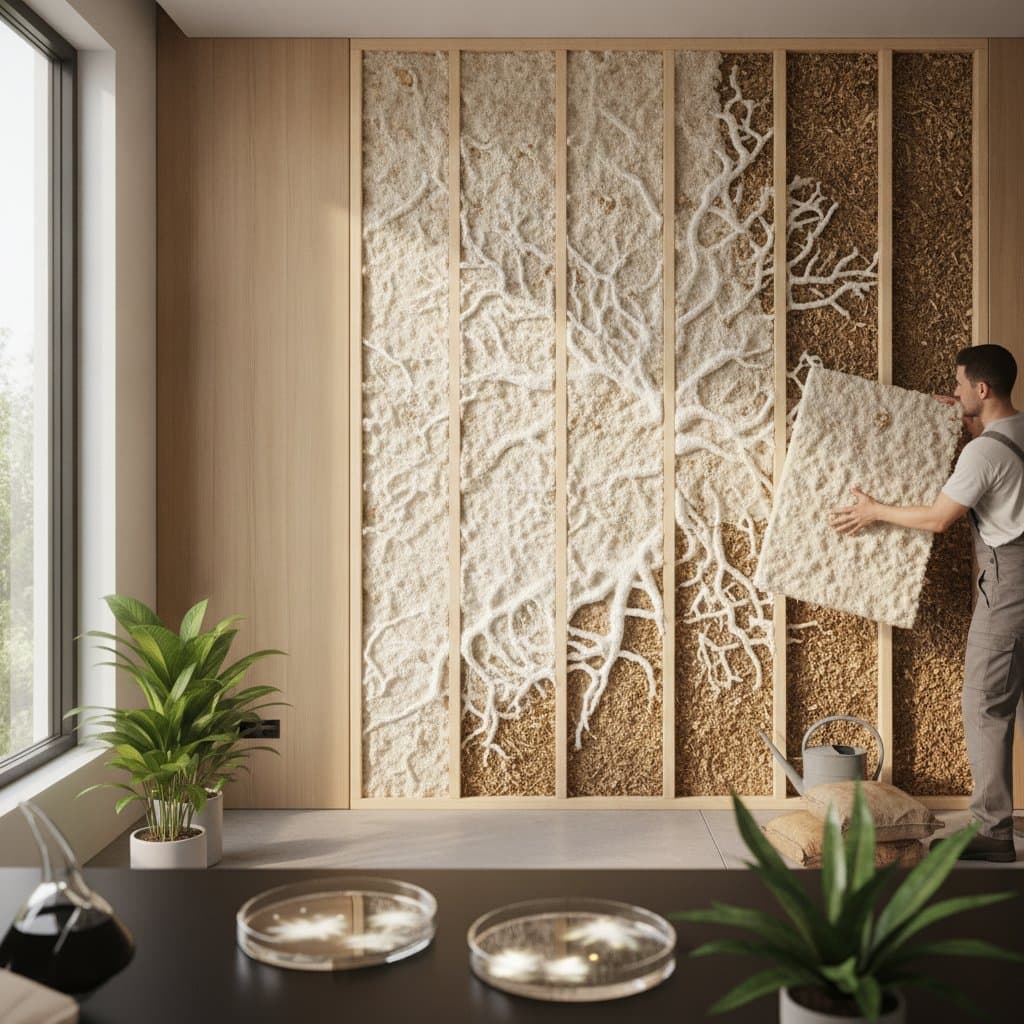
Mycelium, the intricate root system of fungi, serves as the foundation for this innovative insulation. Grown on substrates like agricultural byproducts, it forms a versatile material that addresses longstanding challenges in home energy efficiency. This approach not only enhances living spaces but also aligns with global efforts to reduce carbon footprints in the built environment.
Challenges Posed by Conventional Insulation Materials
Homeowners often select fiberglass or foam insulation based on familiarity and availability. However, these options carry significant drawbacks. Petrochemical-derived foams contribute to volatile organic compound emissions during production and use, potentially affecting indoor air quality. Fiberglass, while common, demands substantial energy for manufacturing and poses health risks during installation due to airborne fibers.
Furthermore, disposal complicates matters. Non-biodegradable synthetics accumulate in landfills, where they persist for generations and leach toxins into soil and water. In climates with high humidity or temperature swings, these materials may settle or absorb moisture, diminishing their insulating effectiveness and increasing reliance on heating or cooling systems. Over time, this leads to elevated utility costs and accelerated environmental degradation.
Mycelium Insulation: A Biodegradable Alternative with Proven Benefits
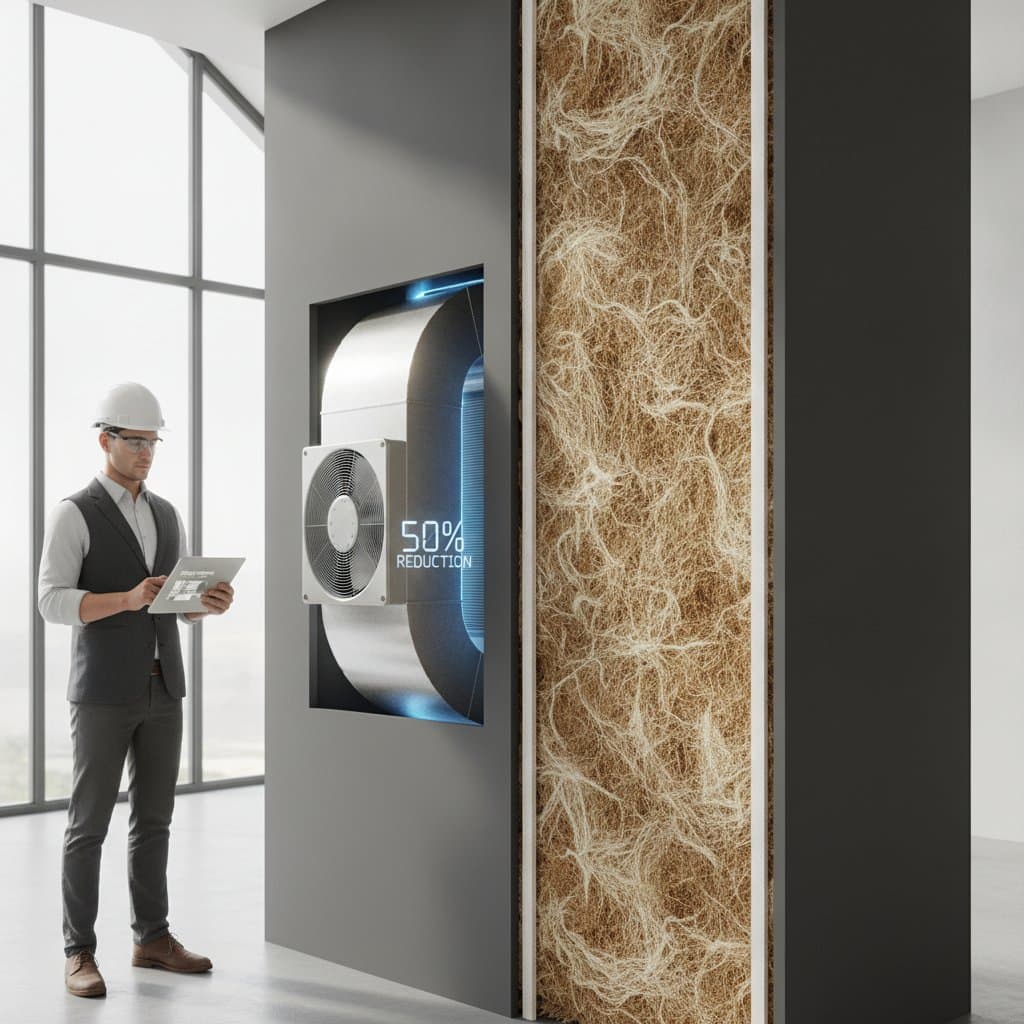
Mycelium insulation emerges as a compelling solution. Producers cultivate fungal networks on waste materials such as hemp hurds, straw, or wood chips, resulting in a lightweight yet dense panel. After achieving the desired density, the material undergoes a low-temperature baking process to halt growth, yielding a stable product that retains its properties indefinitely when properly maintained.
This insulation demonstrates natural resistance to common threats. It repels mold through its antifungal composition, deters pests without chemical treatments, and exhibits low flammability, earning certifications from building standards organizations. Thermally, mycelium panels typically offer R-values between 3.5 and 4.5 per inch, matching or exceeding many foam variants while using 90 percent less energy in production.
From practical experience, I observe that mycelium integrates seamlessly into modern construction. Its lower embodied carbon—often 80 percent less than polystyrene foam—supports certifications like LEED for new builds or retrofits. Homeowners benefit from reduced energy consumption, with studies indicating potential savings of 15 to 25 percent on annual heating and cooling expenses.
Steps for Incorporating Mycelium Insulation in Residential Projects
-
Conduct a Comprehensive Energy Assessment
Begin by hiring a certified energy auditor to evaluate your home's thermal envelope. This analysis identifies areas of air leakage, such as around windows, doors, or roof junctions, using tools like infrared cameras and blower door tests. -
Engage Qualified Installation Professionals
Select contractors experienced in bio-based materials. They ensure proper sealing and integration, applying breathable membranes to manage moisture while preserving the material's integrity. -
Select Appropriate Installation Locations
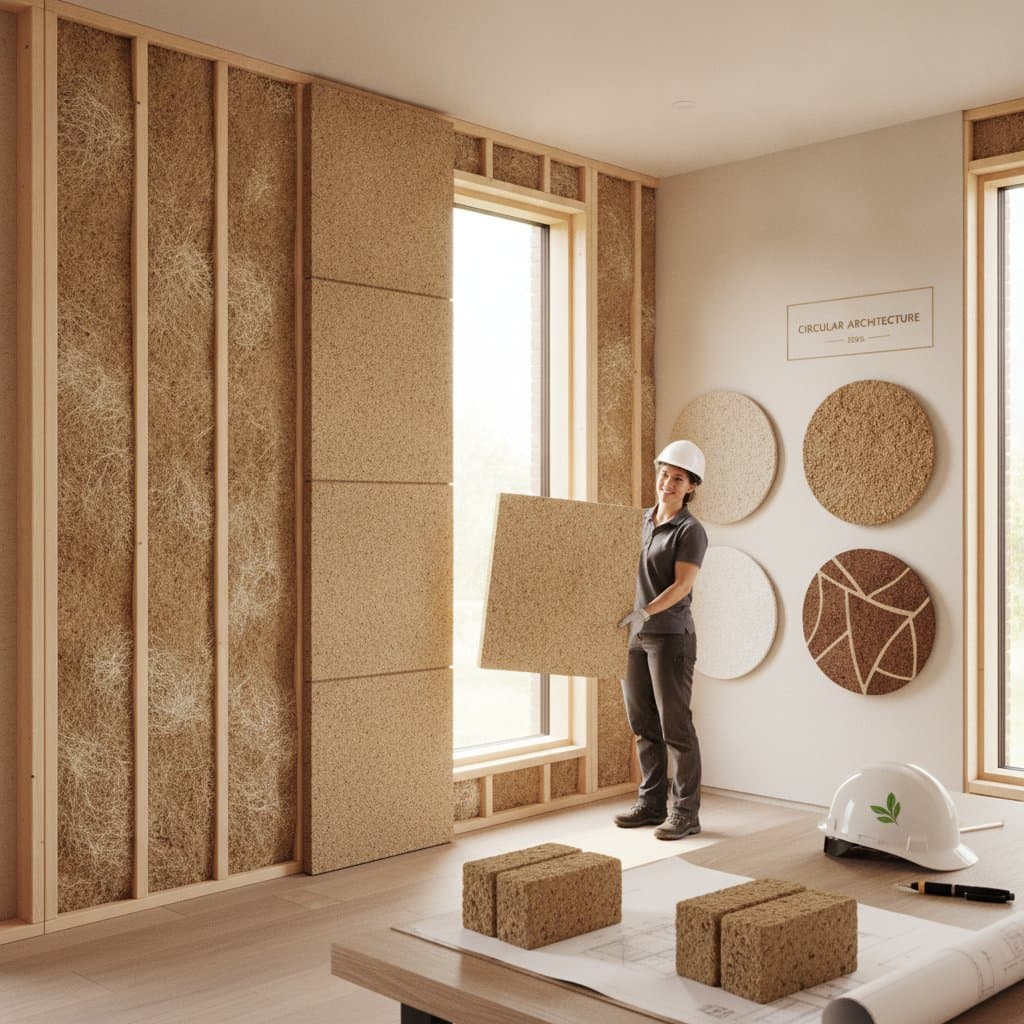
Mycelium suits various applications, including interior walls, attic spaces, and crawl spaces. For enhanced functionality, consider custom-molded panels for irregular shapes or combined use with reflective barriers in sunny climates. -
Evaluate Cost-Benefit Projections
Initial costs range from $2.50 to $4.50 per square foot, influenced by regional sourcing and scale. Factor in long-term gains: paired with high-efficiency HVAC systems, it can yield payback periods of five to seven years through decreased energy demands and minimal maintenance.
Strategies to Maximize Eco-Efficiency in Your Home
Combine mycelium with solar panels or geothermal heating to amplify reductions in operational emissions. Maintain optimal indoor humidity levels between 30 and 50 percent using dehumidifiers or passive ventilation designs, which safeguard the insulation's performance. Source materials from nearby suppliers to minimize transport-related carbon outputs, fostering a circular economy.
Green building authority Dr. Lila Moreno notes, “Mycelium insulation represents more than material innovation. It is a living lesson in how nature provides what we need when we listen carefully.”
Advancing Toward Sustainable Living
Adopting mycelium insulation transcends mere upgrades; it embodies a commitment to ecological stewardship. Collaborate with specialists via platforms like itsacoolerplanet.com to navigate installation and sourcing. In doing so, your home evolves into a model of resilience, where energy efficiency, health, and planetary health converge seamlessly.
Frequently Asked Questions
Q: How does the durability of mushroom insulation compare to fiberglass?
A: When correctly cured and installed, mycelium insulation endures for 30 to 50 years, retaining its thermal resistance if shielded from excessive moisture.
Q: What are the typical installation costs?
A: Costs average $3 to $5 per square foot, varying with project size, location, and any required custom fabrication.