Understanding Thermal Bridges and Their Impact on Heating Costs
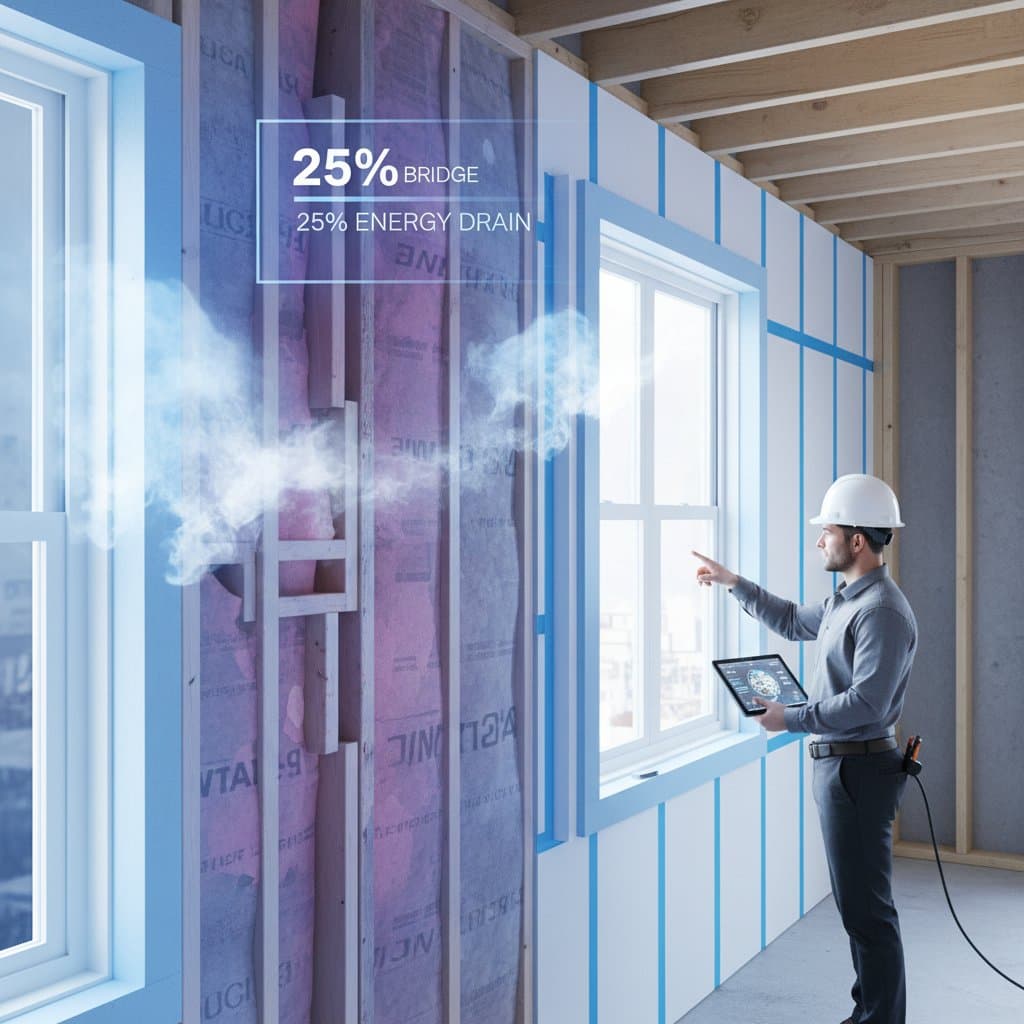
Thermal bridges occur where heat escapes more readily through building materials with higher conductivity, such as metal frames or uninsulated studs. These pathways bypass insulation, leading to uneven temperatures and increased energy use. In many homes, they account for up to 25% of total heat loss, raising heating bills unnecessarily.
Homeowners notice thermal bridges through drafts near windows or walls that feel colder than surrounding areas. Over time, this inefficiency not only strains budgets but also promotes condensation, which can damage structures. Addressing these issues restores balance to indoor climates and supports sustainable living.
Common Locations of Thermal Bridges
Thermal bridges often form at junctions where different materials meet. Window and door frames, especially those with metal components, conduct heat outward rapidly. Wall studs in framed construction create linear paths for warmth to flee if not properly insulated.
Roof-to-wall connections and floor slabs present additional risks, particularly in older buildings. Balconies or cantilevered sections exacerbate the problem by providing direct routes for heat to dissipate. Identifying these spots requires attention to design details from the home's construction.
Key Effects of Thermal Bridges
Uncontrolled heat loss from thermal bridges forces heating systems to work harder, inflating energy consumption. Bills rise as the system compensates for escapes, sometimes by 25% or more in poorly designed structures. This cycle diminishes overall efficiency and comfort.
Beyond finances, thermal bridges contribute to health concerns. Cold surfaces encourage moisture accumulation, fostering mold growth and poor indoor air quality. Structures suffer too, with repeated freeze-thaw cycles weakening materials over years.
Repairing these bridges yields multiple advantages. Indoor environments become more uniform, reducing the need for constant thermostat adjustments. Buildings last longer without moisture-related deterioration, and properties appeal more to energy-conscious buyers.
Detecting Thermal Bridges Effectively
Visual inspections reveal clues like persistent cold areas or frost patterns on interior surfaces. Touch tests confirm cooler spots on walls or floors compared to insulated sections. However, these methods miss subtle bridges hidden within assemblies.
Infrared thermography provides precise visualization. Professionals use handheld cameras to capture surface temperature variations, displaying bridges as cooler lines or patches on digital images. This non-invasive technique operates best during heating seasons when temperature differences stand out.
Complement thermography with a blower door test to quantify air infiltration. The test pressurizes the home, revealing leaks at bridge locations through smoke or fog tracers. Combined, these diagnostics map vulnerabilities accurately, guiding efficient repairs.
Practical Solutions for Fixing Thermal Bridges
Simple fixes target accessible areas first. Apply weatherstripping or caulk to seal gaps around windows and doors, preventing convective losses. For stud walls, install rigid foam insulation boards over interior surfaces to interrupt conductive paths.
More comprehensive approaches involve exterior upgrades. Add continuous insulation layers, such as rigid foam panels, to the building envelope, minimizing interruptions from framing. Replace single-pane windows with double- or triple-glazed units featuring thermal breaks in frames.
In roofs and floors, integrate insulation at junctions. Use insulated spacers for balcony connections or pour insulated concrete forms for slabs. These methods vary by home type, from retrofits in existing structures to designs in new builds.
Evaluating Costs and Returns on Investment
Repair expenses depend on scope and home size. Basic sealing might cost a few hundred dollars, while full insulation overhauls reach several thousand. Labor for professional installation adds to materials, but targeted efforts keep budgets manageable.
Returns materialize quickly through reduced energy use. Savings often recoup investments within five to ten years, with annual returns surpassing 20% when paired with other efficiency measures. Government incentives in some regions further accelerate payback.
Long-term gains extend beyond economics. Consistent temperatures enhance daily living, eliminating chilly corners. Health improves with lower mold risks, and structural integrity strengthens against environmental stresses. Energy-efficient homes also command higher market values.
Steps to Implement Thermal Bridge Repairs
Begin with a professional energy audit to assess your home comprehensively. Auditors use advanced tools to document issues and recommend priorities based on potential savings. This foundation prevents wasteful spending on ineffective fixes.
Prioritize high-impact areas identified in the audit. Start with low-cost seals and insulations, monitoring changes in comfort and bills. As resources allow, tackle larger projects like exterior sheathing or window replacements.
Track progress with follow-up thermography to verify improvements. Adjust heating settings gradually to optimize the upgraded system. These steps build a resilient, efficient home that sustains warmth and value over decades.