Key Benefits of Hempcrete Walls
- Hempcrete walls sequester carbon dioxide naturally during the curing phase, incorporating it into the building fabric for extended periods.
- The material excels in insulation and humidity management, which decreases demands on heating and cooling systems.
- Hempcrete remains lightweight, resistant to fire, and impervious to mold, ensuring enduring structural integrity.
- As a bio-based option, it replaces high-energy materials such as concrete and synthetic insulators.
Understanding Hempcrete Composition and Carbon Sequestration
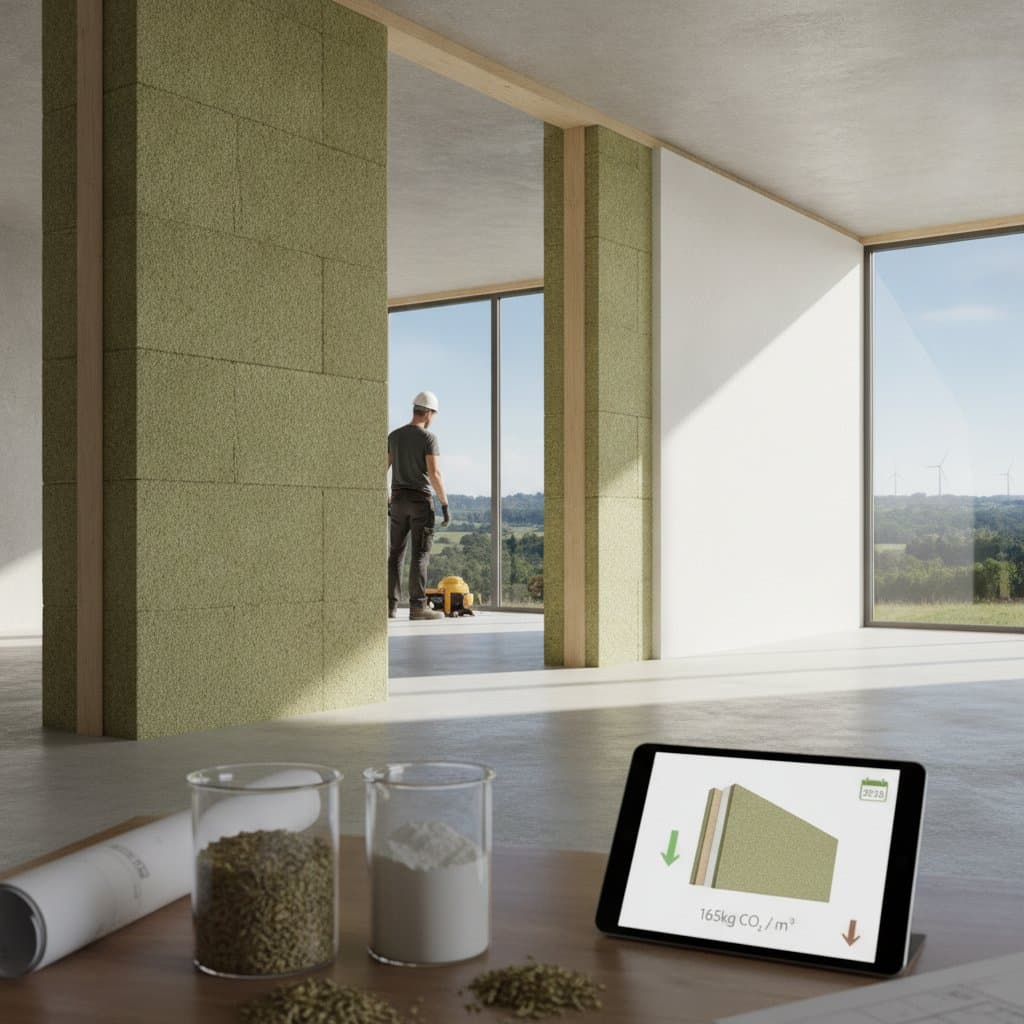
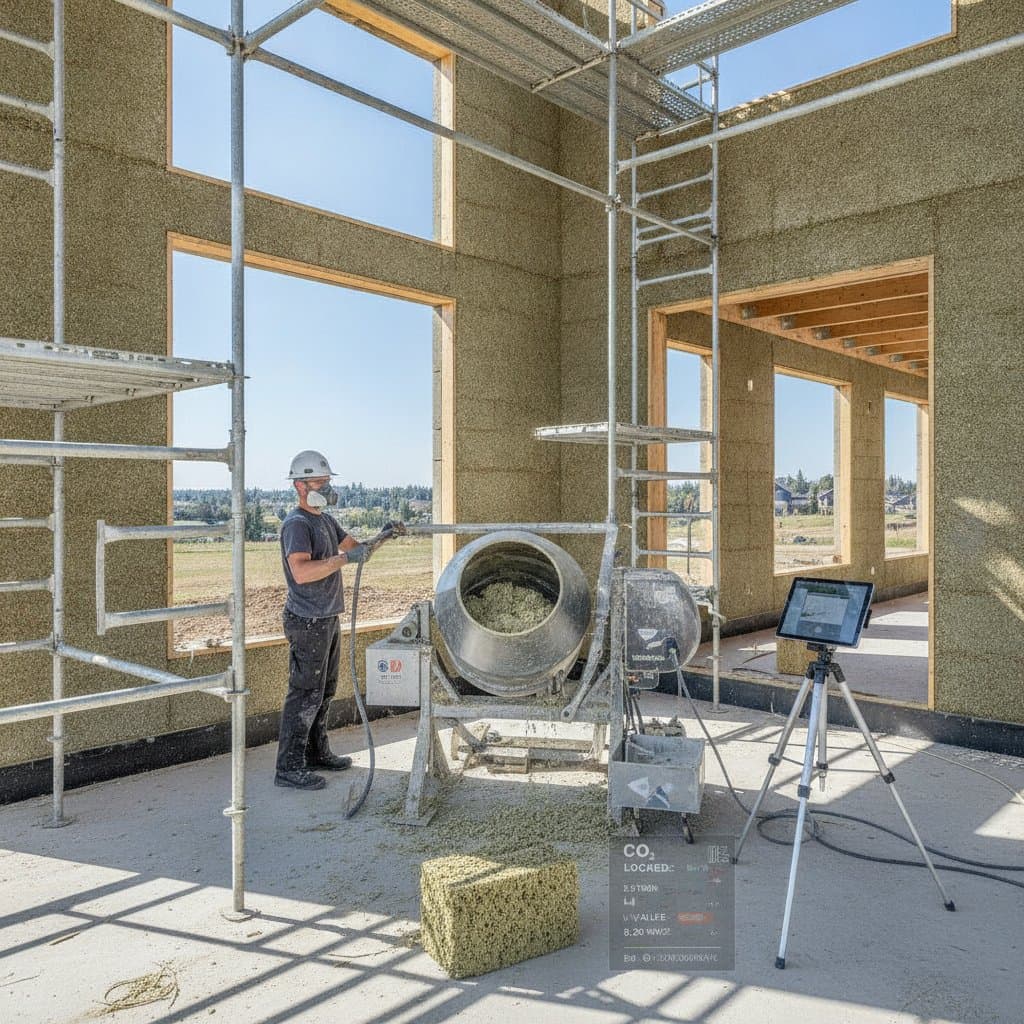
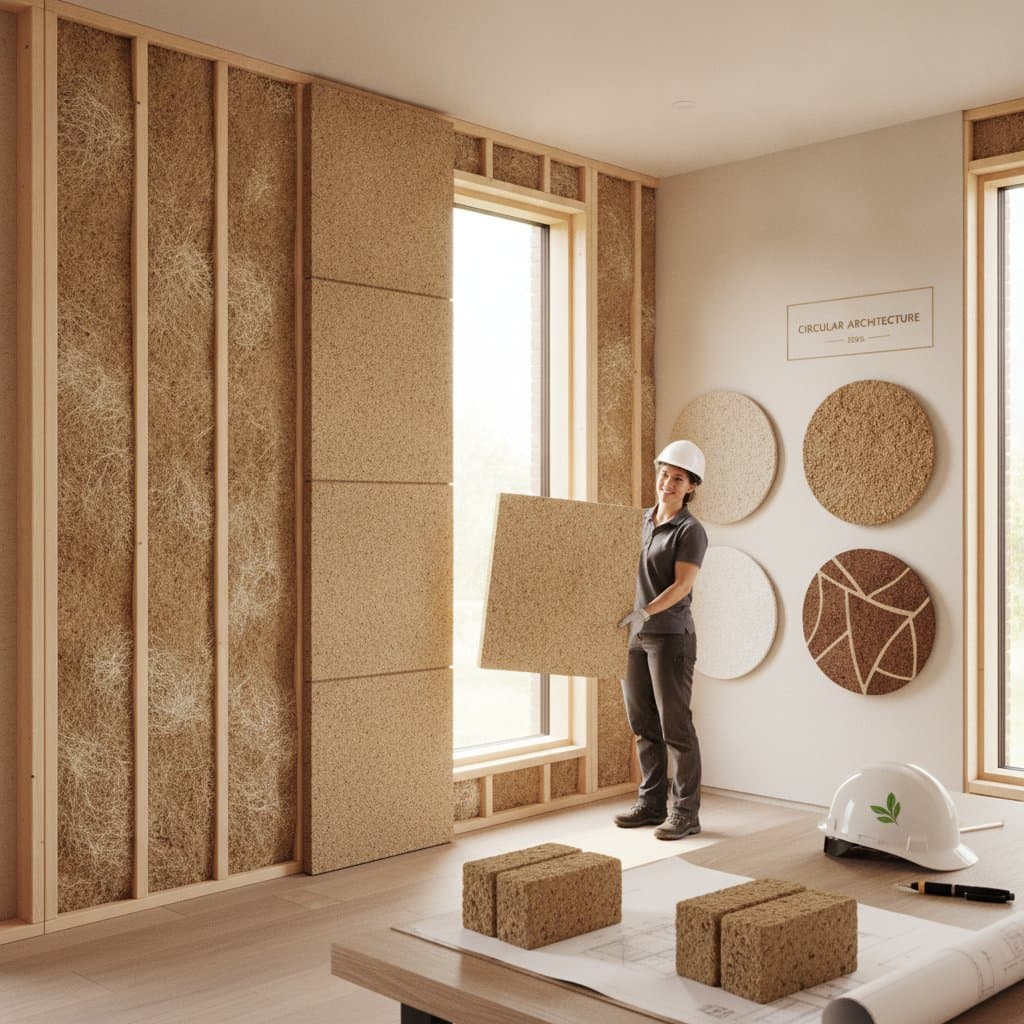
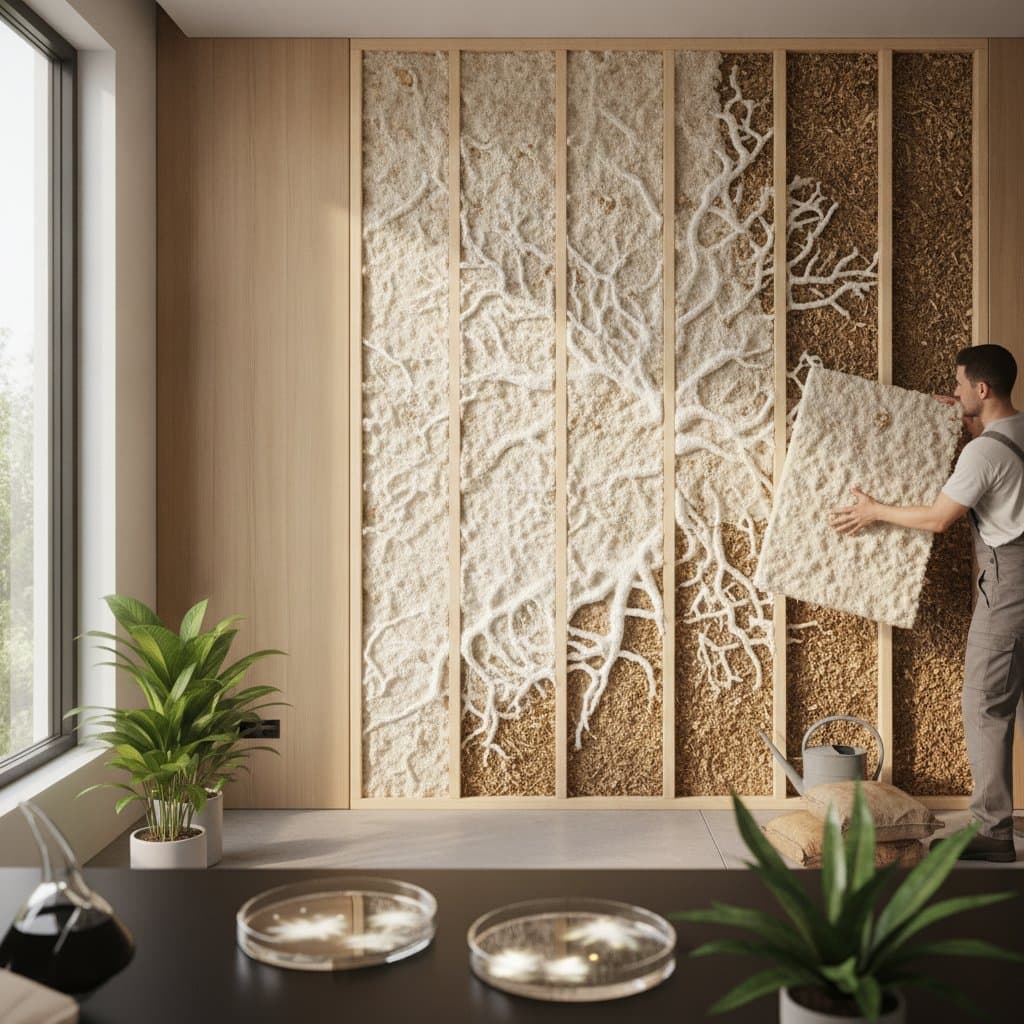
Hempcrete consists of hemp hurds, lime binder, and water, forming a lightweight composite ideal for wall infill. Hemp plants absorb carbon dioxide through photosynthesis during growth, concentrating it in their fibrous cores. Upon processing these hurds into hempcrete, the mixture continues this process as the lime reacts with atmospheric carbon dioxide to produce stable calcium carbonate.
This chemical transformation occurs gradually during curing, which typically spans several weeks. The result integrates carbon into the wall matrix, where it remains sequestered for the building's lifespan, often exceeding fifty years. Builders achieve optimal sequestration by ensuring proper mixing ratios, usually one part lime to two or three parts hurds by volume, and allowing adequate curing time in controlled conditions.
Enhancing Energy Efficiency with Hempcrete
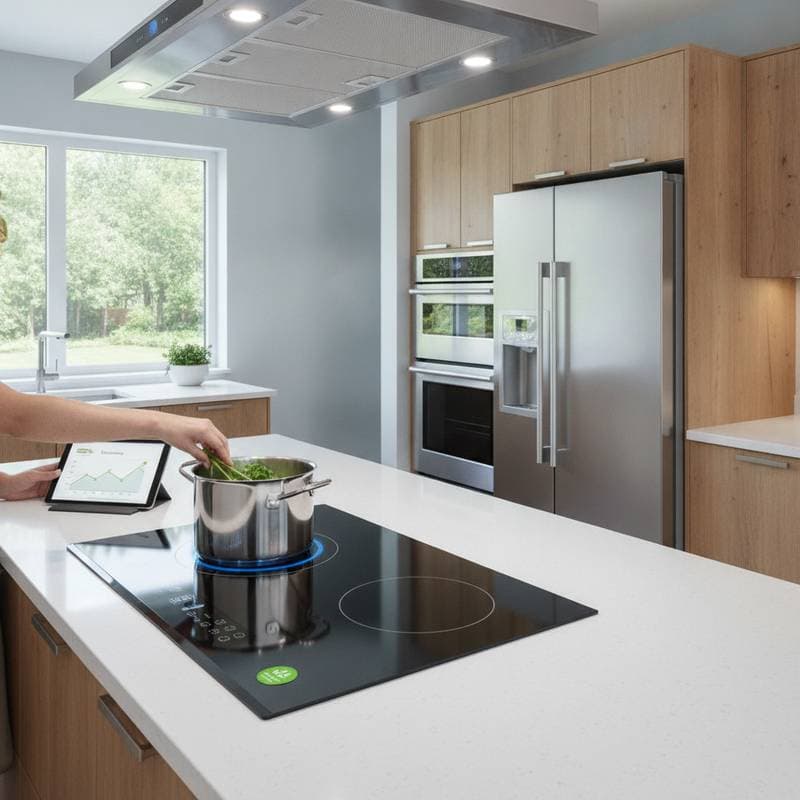
Hempcrete functions as a breathable insulator, permitting vapor diffusion while blocking air infiltration. This property maintains balanced indoor humidity levels, preventing moisture buildup that leads to energy loss. In practice, homeowners notice more consistent temperatures, which eases the workload on HVAC systems.
The R-value of hempcrete falls between 2.0 and 3.0 per inch, influenced by the mixture's density. Although this value appears lower than some rigid foams, the material's thermal mass and airtight performance yield substantial savings. Studies indicate potential reductions in energy use by 10 to 25 percent annually, particularly in climates with significant seasonal variations.
To maximize efficiency, architects recommend wall thicknesses of 8 to 12 inches, combined with airtight membranes on the exterior. Such configurations minimize heat transfer and support passive solar design principles, further amplifying cost benefits over time.
Analyzing Costs and Long-Term Returns
Initial installation of hempcrete walls incurs 10 to 20 percent higher expenses compared to standard wood framing with fiberglass. These costs arise from specialized labor for on-site mixing and forming, as well as the need for skilled applicators familiar with the material. Sourcing hemp hurds may add to expenses in regions without local production, though prices have declined with growing cultivation.
Over time, these investments yield returns through diminished utility bills and minimal repairs. Energy savings alone can recoup the premium within 7 to 10 years, depending on local rates and home size. Additionally, hempcrete homes qualify for green building incentives in many areas, offsetting upfront outlays.
Resale values often increase by 5 to 15 percent for properties featuring sustainable features like hempcrete. Buyers prioritize low operating costs and environmental credentials, making these homes attractive in markets focused on resilience and eco-conscious living.
Additional Performance Advantages
Hempcrete's lime component imparts inherent fire resistance, achieving ratings up to two hours in standard tests without additional treatments. The material's alkalinity deters mold growth and repels pests, eliminating the need for chemical protectants. These qualities extend the home's service life and safeguard occupant health.
The porous texture also absorbs sound waves effectively, reducing noise transmission by 30 to 40 decibels in typical applications. This acoustic damping creates quieter interiors, beneficial for urban settings or family homes. Free from volatile organic compounds, hempcrete promotes superior indoor air quality throughout its duration.
Frequently Asked Questions
Does hempcrete provide structural support?
No, hempcrete acts as non-load-bearing infill within a frame of wood, steel, or timber. It enhances thermal performance without compromising the primary structure.
Is hempcrete suitable for all climates?
Yes, with adjustments to mixture and thickness. In humid regions, its vapor permeability excels at moisture control; in cold areas, thicker walls boost insulation.
What maintenance does hempcrete require?
Routine care involves breathable coatings to protect against weathering. Inspections every few years ensure integrity, but no frequent interventions prove necessary.
How does hempcrete compare to traditional concrete environmentally?
Hempcrete sequesters carbon, unlike concrete's emissions during production. Its renewable inputs and lower processing energy make it a far greener choice.
Embracing Hempcrete for Resilient Homes
Hempcrete empowers builders and homeowners to integrate carbon capture directly into living spaces. This approach not only mitigates environmental impact but also fosters energy independence and comfort. By selecting hempcrete, individuals contribute to broader sustainability goals while enjoying practical, enduring benefits.