Recycled Ocean Plastic Countertops Enter Mainstream Design in 2025
Visualize a high-end kitchen featuring polished marble or quartz surfaces. A fresh approach now redefines this vision with countertops crafted from recycled ocean plastic. These innovative materials, once viewed as niche experiments, integrate seamlessly into contemporary home interiors, balancing environmental benefits with aesthetic appeal.
Essential Features
- Production of these countertops redirects thousands of pounds of plastic waste from marine environments annually.
- Premium variants deliver performance on par with quartz and granite in terms of strength and pricing.
- Certain manufacturers incorporate up to 90 percent recycled elements, converting items like fishing nets and bottles into visually striking slabs.
- Installed costs range from $65 to $120 per square foot, aligning closely with high-end natural stone options.
- With appropriate care, these surfaces maintain functionality for over 20 years and leave a reduced ecological impact.
Beyond Aesthetics: Addressing Global Plastic Challenges
Recycled ocean plastic countertops offer more than visual charm. They provide a practical response to the escalating issue of marine pollution. Environmental studies indicate that millions of tons of plastic infiltrate ocean systems each year. Through recovery and reuse, producers mitigate this damage and convert debris into resilient, artistic elements for residential spaces.
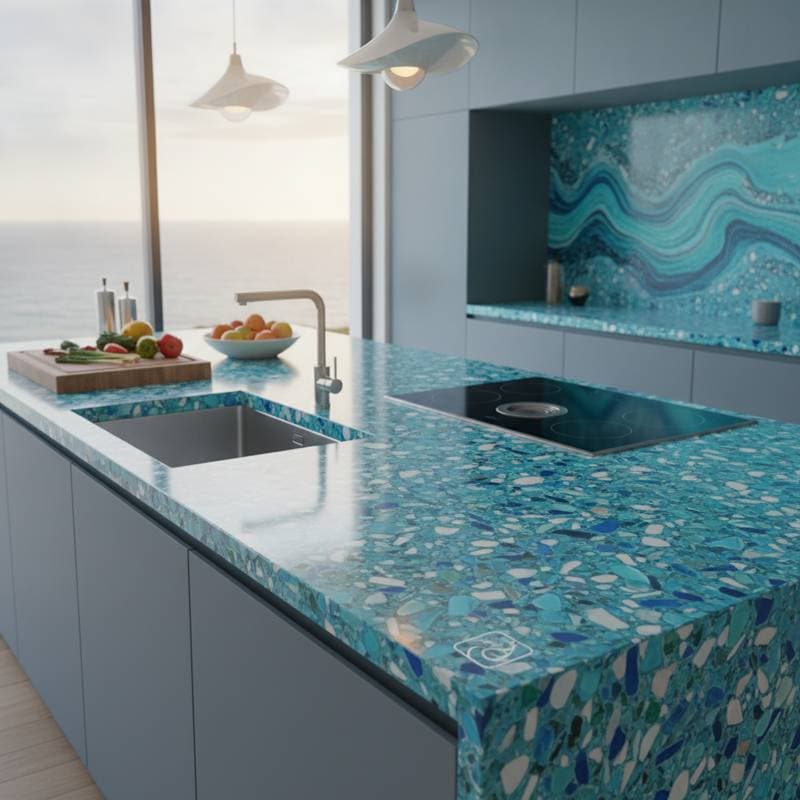
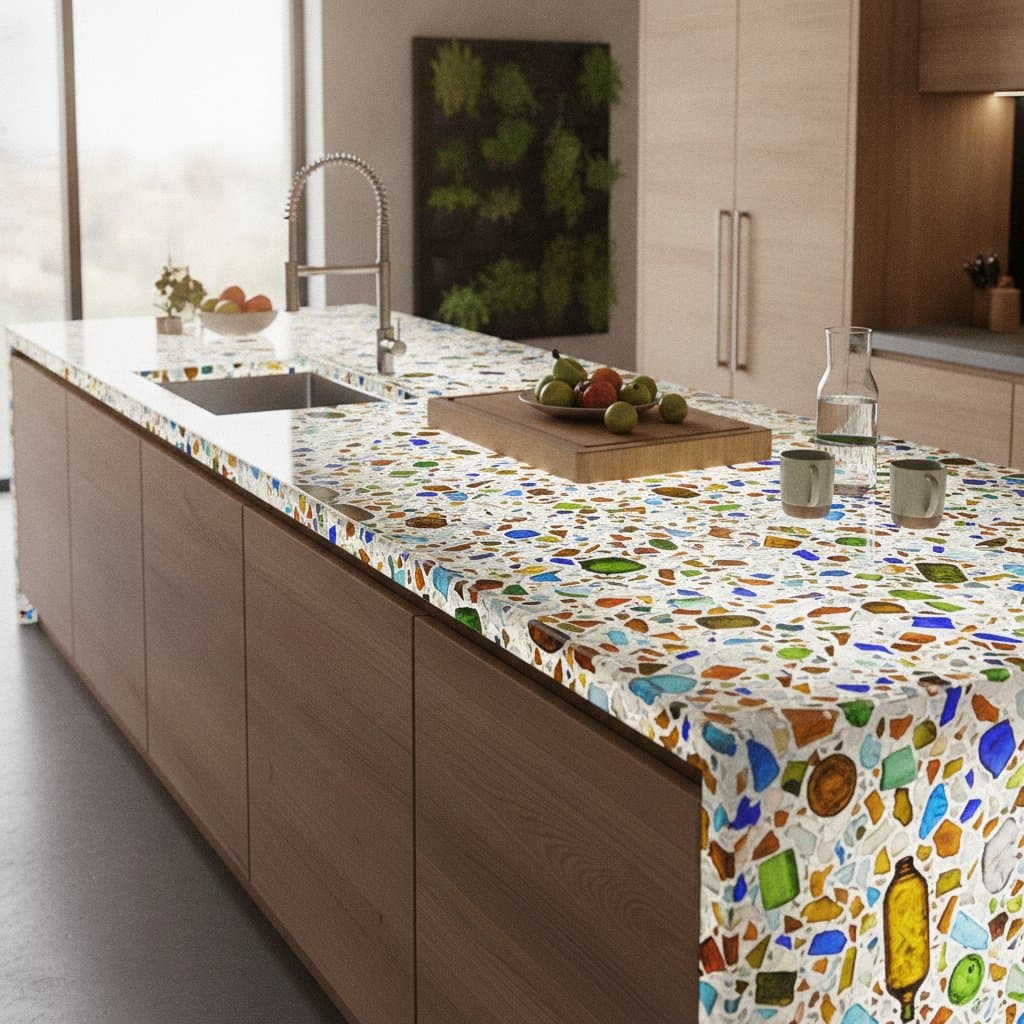
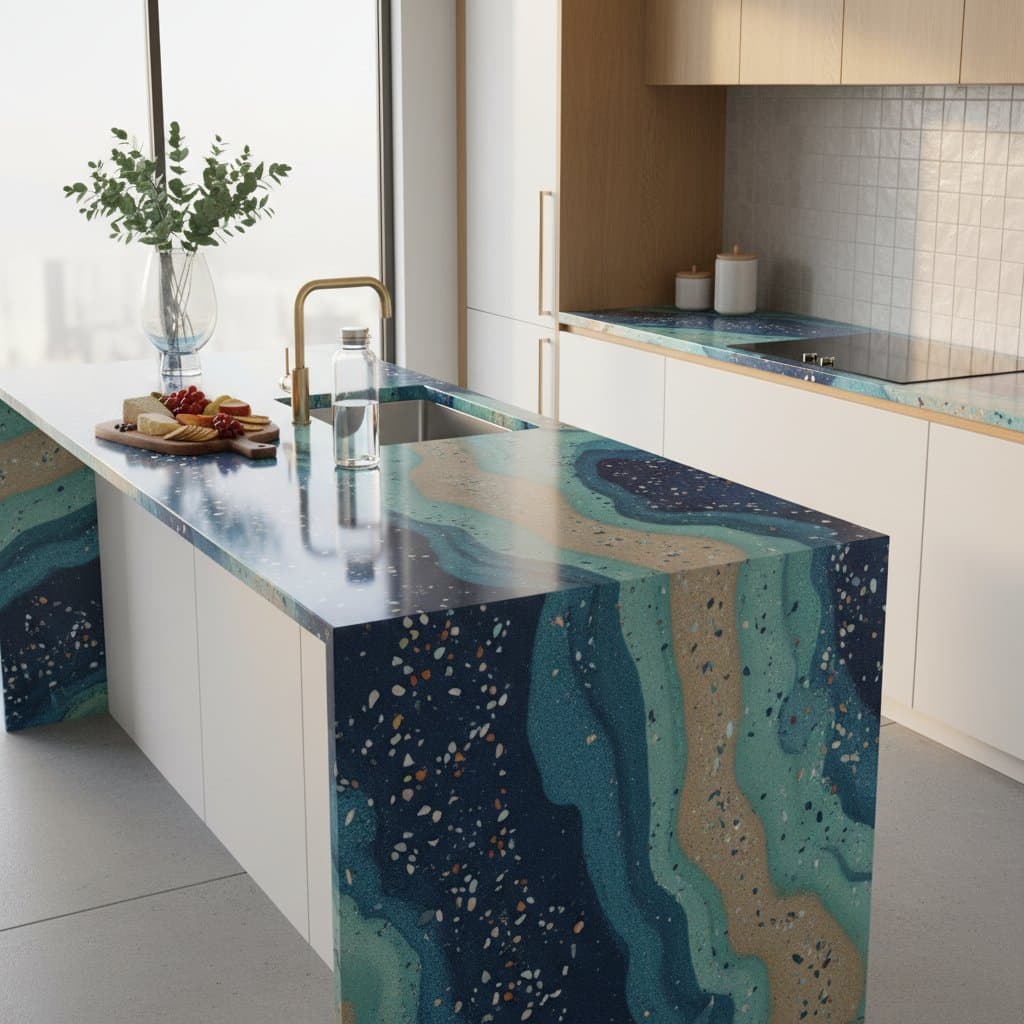
The manufacturing process involves thorough cleaning, melting, and compressing retrieved plastics into solid sheets. This yields a material resistant to stains, water, and elevated temperatures, featuring distinctive patterns similar to terrazzo or glass aggregates. Every slab embodies a narrative of reclamation, linking users to global conservation efforts.
Material Comparison: Balancing Performance, Expense, and Eco-Factors
| Material Type | Average Cost per Sq. Ft. | Recycled Content | Durability | Maintenance Level |
|---|---|---|---|---|
| Recycled Ocean Plastic | $65 - $120 | Up to 90% | High | Low |
| Quartz | $70 - $130 | 0% | High | Low |
| Granite | $60 - $140 | 0% | High | Moderate |
| Recycled Glass Composite | $80 - $150 | Up to 70% | Moderate | Low |
Recycled ocean plastic aligns economically with traditional stones, yet surpasses them in ecological merits. Production demands lower energy inputs and produces reduced emissions. Select companies employ closed-loop methods, allowing end-of-life recycling to prevent landfill disposal.
Key Factors for Selecting Recycled Ocean Plastic Surfaces
Prospective buyers upgrading kitchen or bathroom counters should weigh multiple aspects when opting for recycled ocean plastic.
- Design Options: Available in diverse hues and textures, including subtle earth tones and oceanic blues that hint at their origins, these surfaces suit various decor styles.
- Installation Process: Engage certified professionals for fitting, as the dense slabs require specialized handling. Fabricators familiar with quartz installations adapt easily to this material.
- Daily Upkeep: Wipe with a soft cloth and mild soap solution regularly. Steer clear of harsh chemicals or scrubbers to preserve the smooth finish and prevent surface dulling.
- Verification Standards: Seek products certified by organizations like Cradle to Cradle or GreenGuard, confirming adherence to rigorous sustainability and safety criteria.
A sustainable architecture specialist notes, Homeowners recognize that environmental accountability need not compromise sophistication. These countertops excel in performance while conveying a message of regeneration. This blend of utility and purpose drives widespread interest from professionals and residents alike.
Circular Economy Influences Broader Design Trends
The rise of recycled ocean plastic countertops mirrors the expanding adoption of circular economy strategies. These principles prioritize material reuse over single-use disposal, minimizing reliance on new resources. Such practices now serve as core standards in construction and interior projects.
Market analyses reveal a surge exceeding 40 percent in demand for green materials among renovation enthusiasts over recent years. Construction firms incorporate these choices into routine offerings, moving beyond specialty status. Major suppliers increasingly stock recycled plastic options, marking a pivotal normalization in the industry.
To integrate these countertops effectively, start by assessing your space's needs, such as traffic levels and lighting, which influence color selection. Consult local installers for samples to evaluate texture in person. Budget for complementary features like eco-sealed edges to enhance longevity.
Integrating Eco-Materials for Lasting Home Impact
Recycled ocean plastic countertops mark a significant advancement in green building practices. They illustrate the potential to repurpose overlooked waste into focal points of refined living spaces. This evolution underscores the harmony between aesthetic excellence and planetary care, empowering informed choices for future-oriented homes.