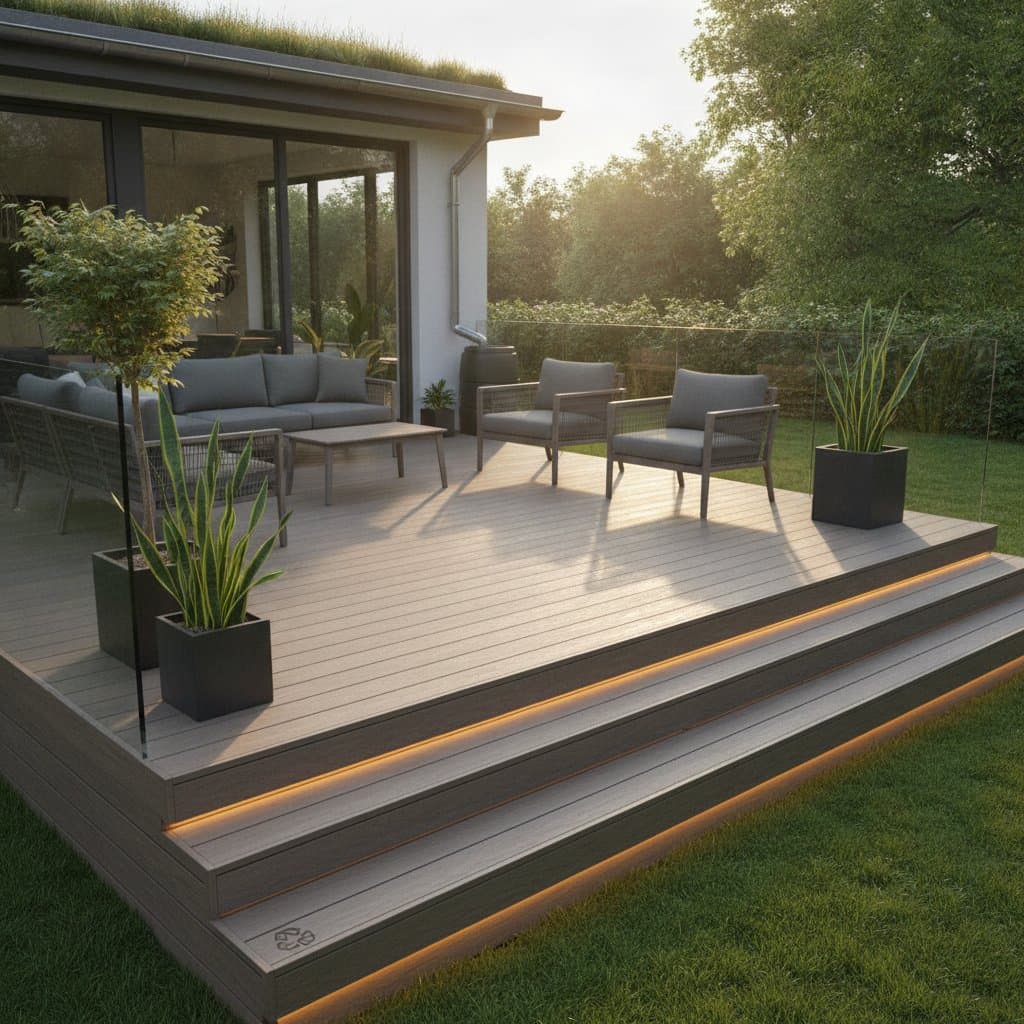
Recycled Plastic Lumber Outlasts Wood by Decades
Recycled plastic lumber converts plastic waste into durable, low-maintenance decks that resist rot and deliver long-term value for sustainable outdoor spaces.
By Trevor Olson
4 min read
Loading...

Articles tagged with living
Recycled plastic lumber converts plastic waste into durable, low-maintenance decks that resist rot and deliver long-term value for sustainable outdoor spaces.
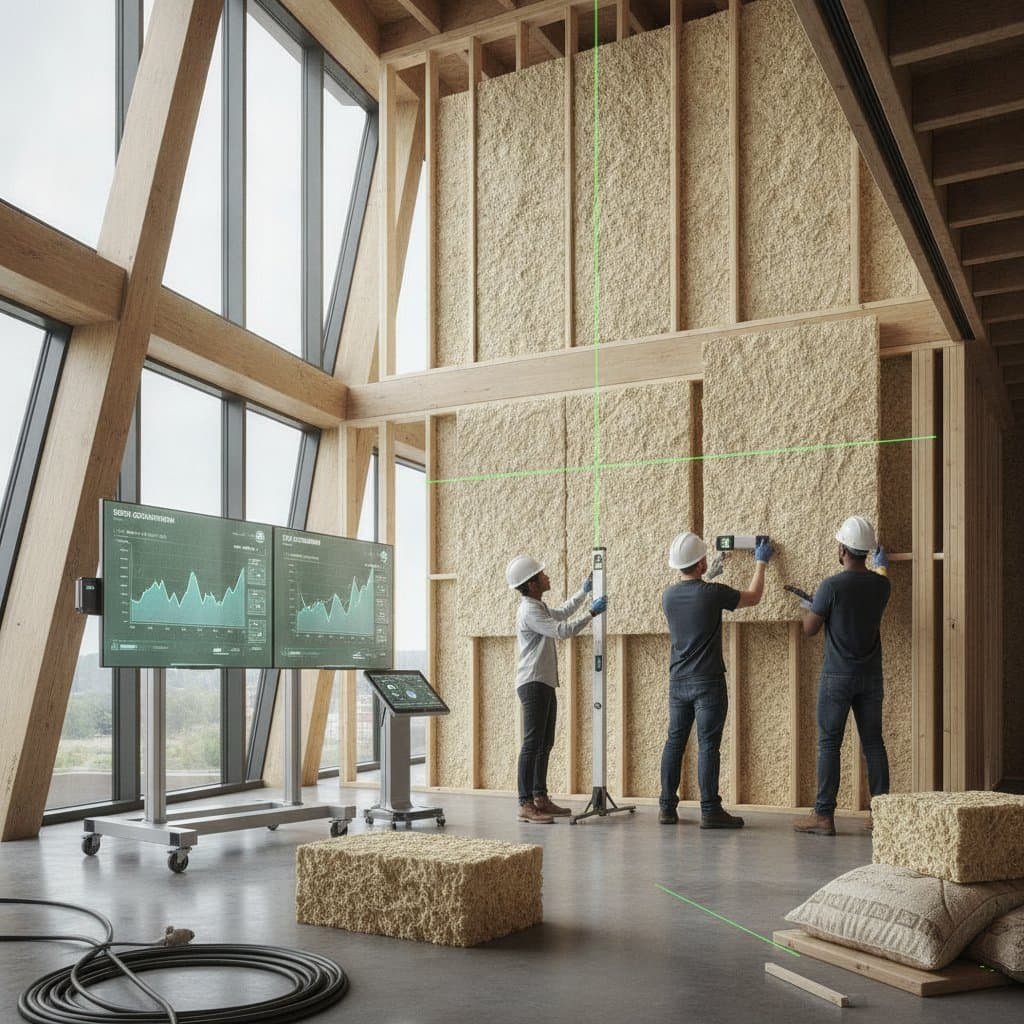
Mycelium insulation redefines sustainable construction with biodegradable, fire-resistant performance grown from fungi. It delivers up to 25 percent energy savings and lower carbon emissions.
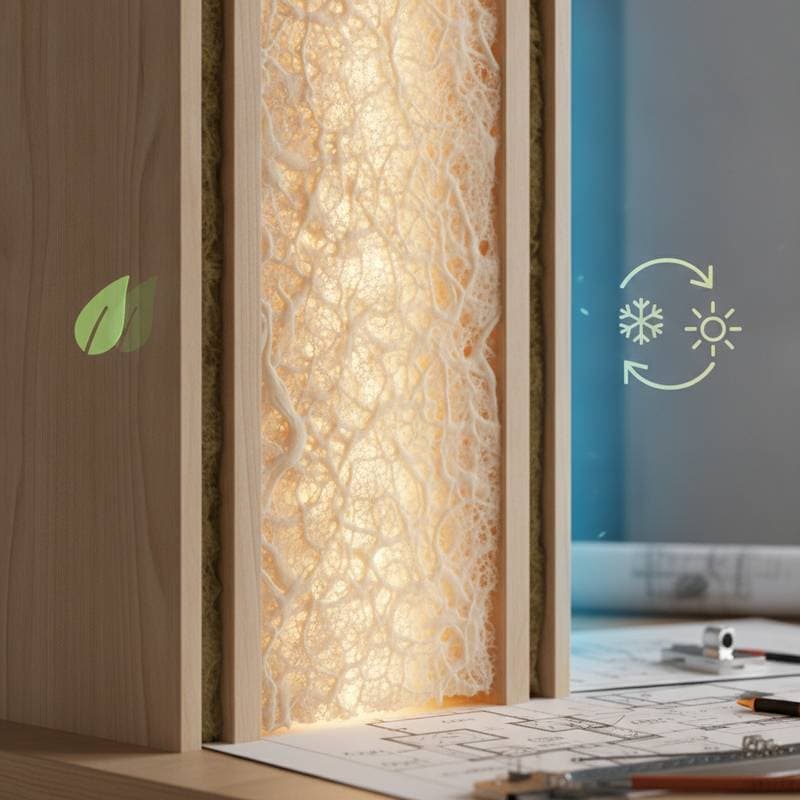
Mycelium insulation is redefining sustainable construction by turning fungal roots into high-performance, compostable panels. It delivers strong thermal efficiency, healthier indoor air, and lower lifecycle costs. With rapid technological advances and proven durability, this bio-based material offers homeowners a realistic, carbon-smart alternative to conventional insulation.
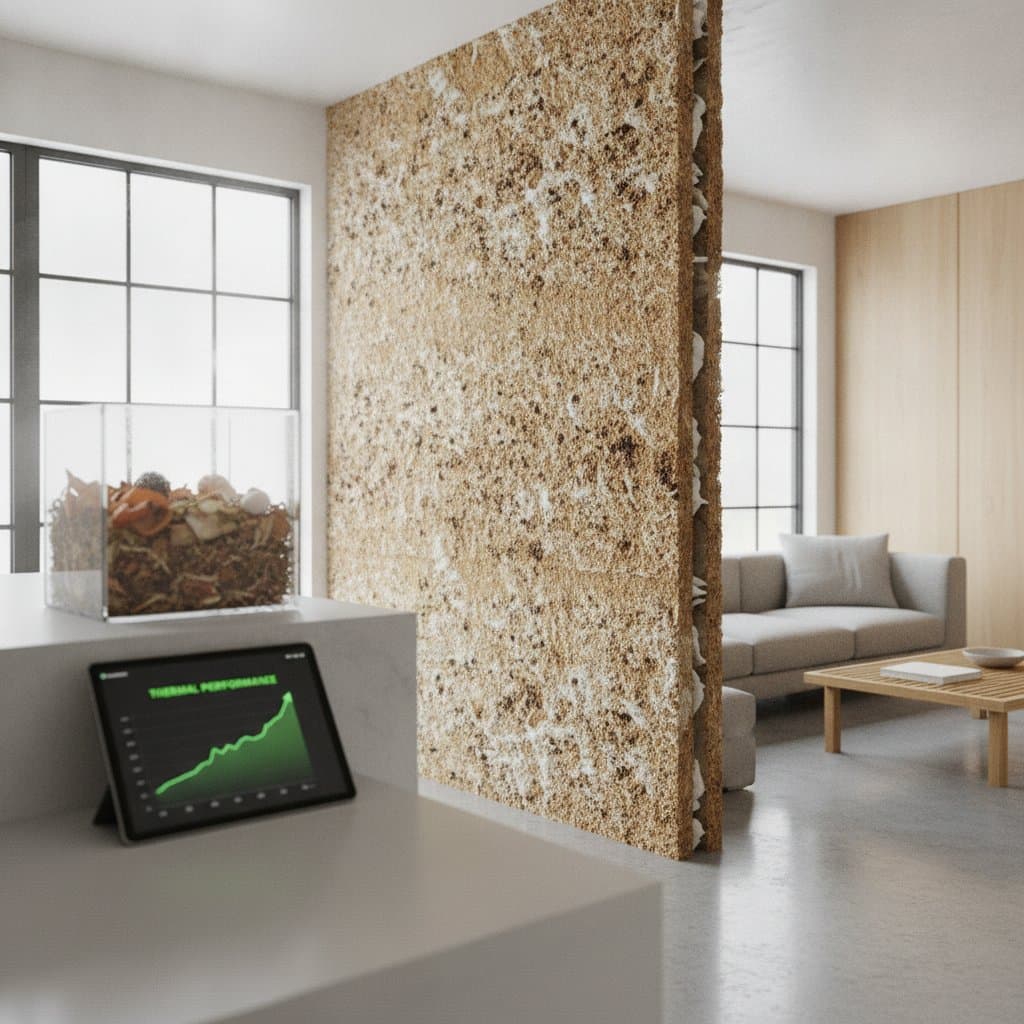
Mycelium insulation grows from fungal networks on agricultural waste. The resulting panels offer thermal performance near fiberglass levels while remaining compostable, non-toxic, and inexpensive to produce at home.
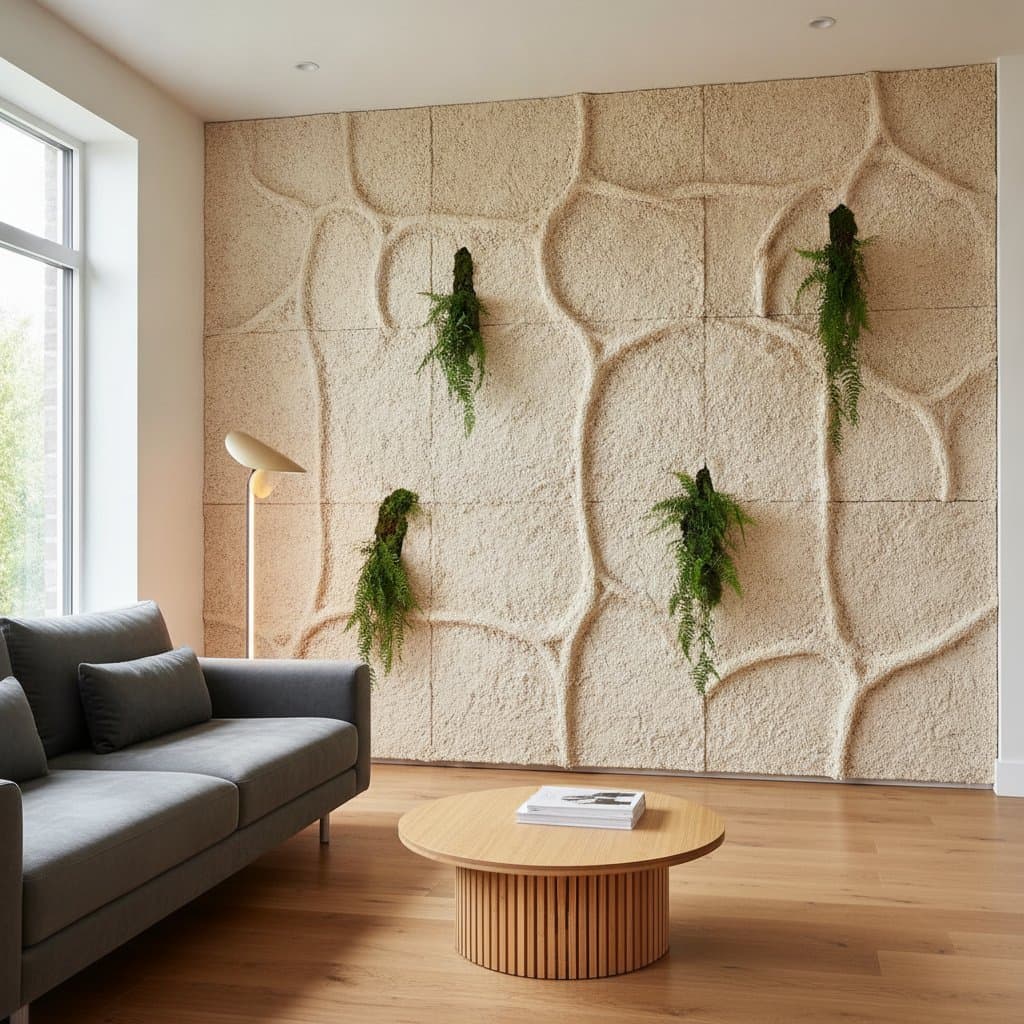
Mycelium insulation grows from agricultural waste into a biodegradable, fire resistant material that improves thermal comfort and indoor air quality while cutting long term energy costs.
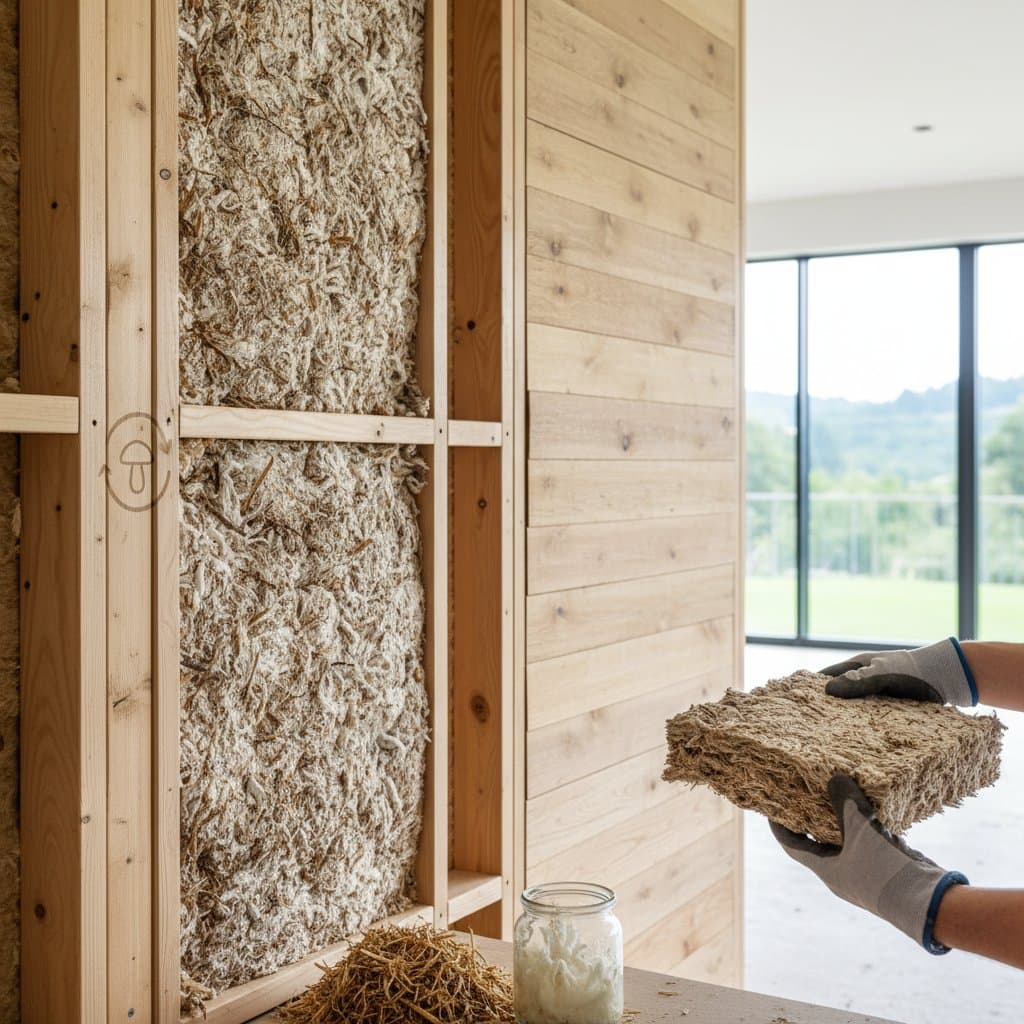
Mycelium insulation grows from fungi and agricultural waste to deliver fire resistant, pest proof, and fully compostable performance that rivals conventional products while cutting embodied carbon by up to 80 percent.
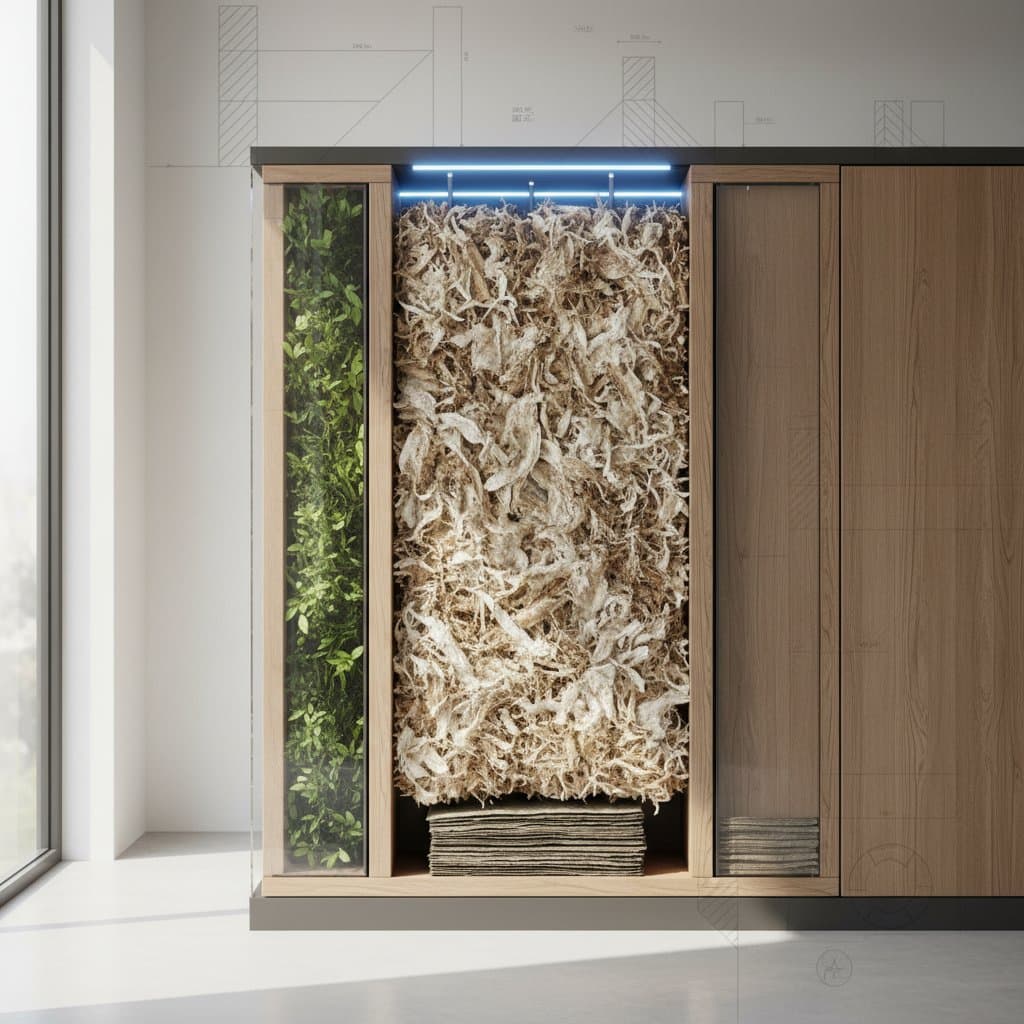
In 2026, mycelium insulation revolutionizes sustainable construction with its renewable, fire-resistant, and fully compostable design. Scaling production lowers costs while boosting energy savings and carbon sequestration, paving the way for resilient, low-impact living spaces.
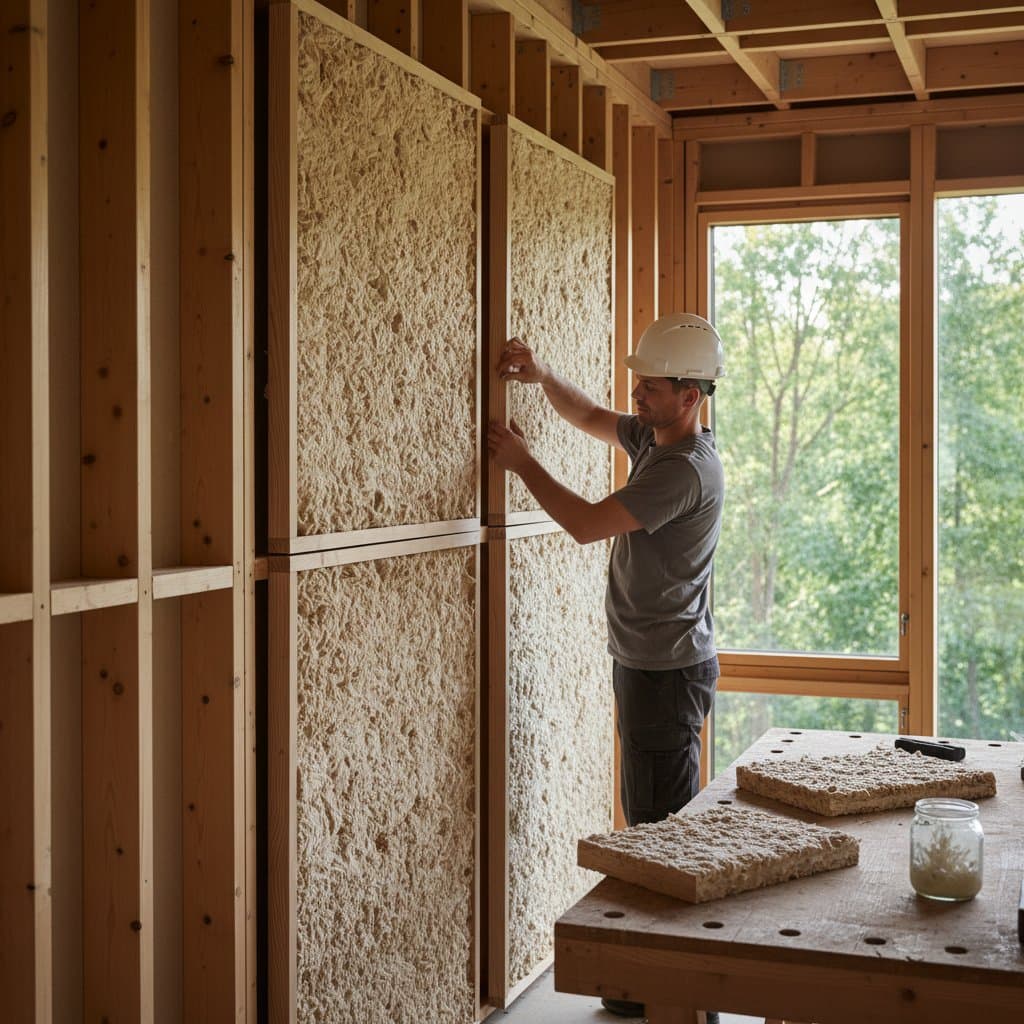
Mycelium insulation, derived from fungal roots, emerges as a game-changer in sustainable construction. This renewable, biodegradable option matches traditional insulators in performance while sequestering carbon, resisting fire, and improving indoor air quality. As production scales, its declining costs make it accessible for energy-efficient, environmentally responsible home designs.
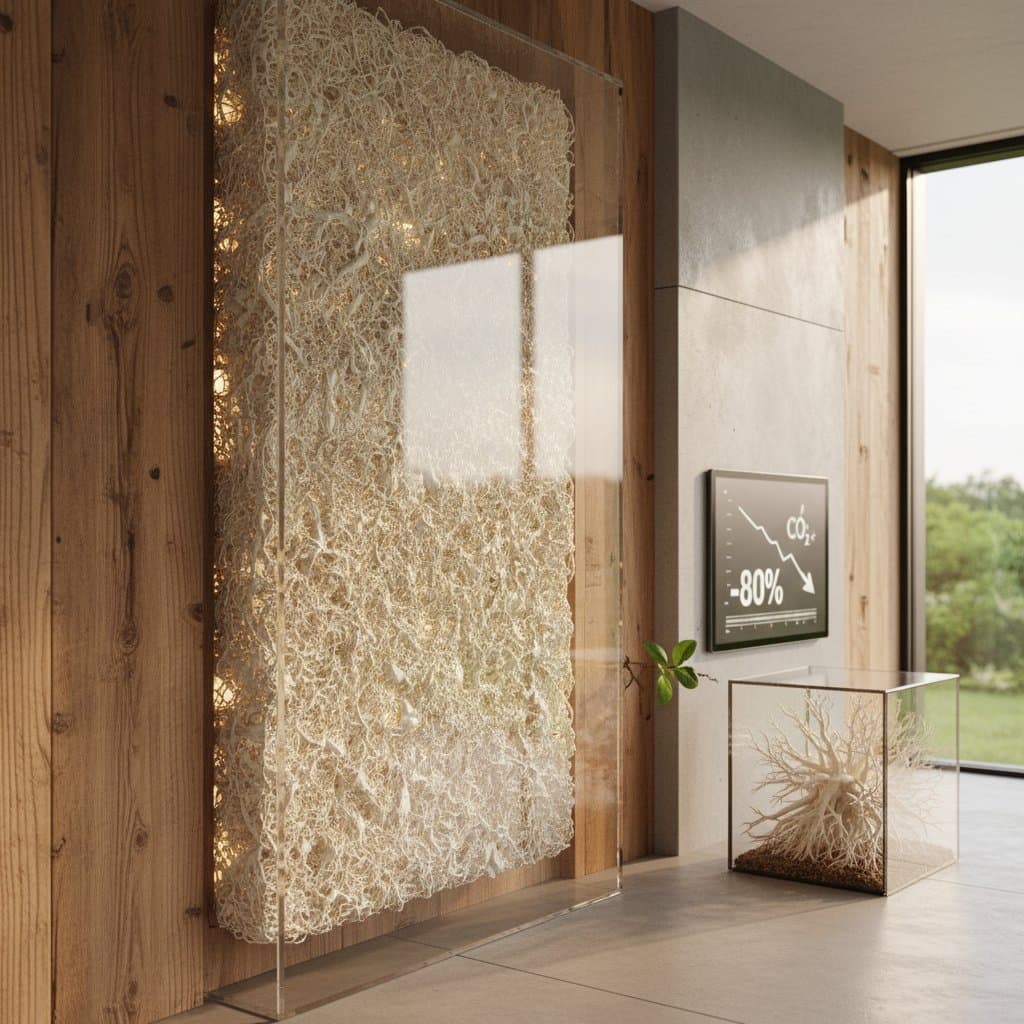
Mycelium insulation, cultivated from fungal networks, redefines eco-friendly building. It achieves up to 80% lower carbon emissions, provides strong thermal and fire resistance, and fully biodegrades, positioning it for mainstream use in green construction by 2026.
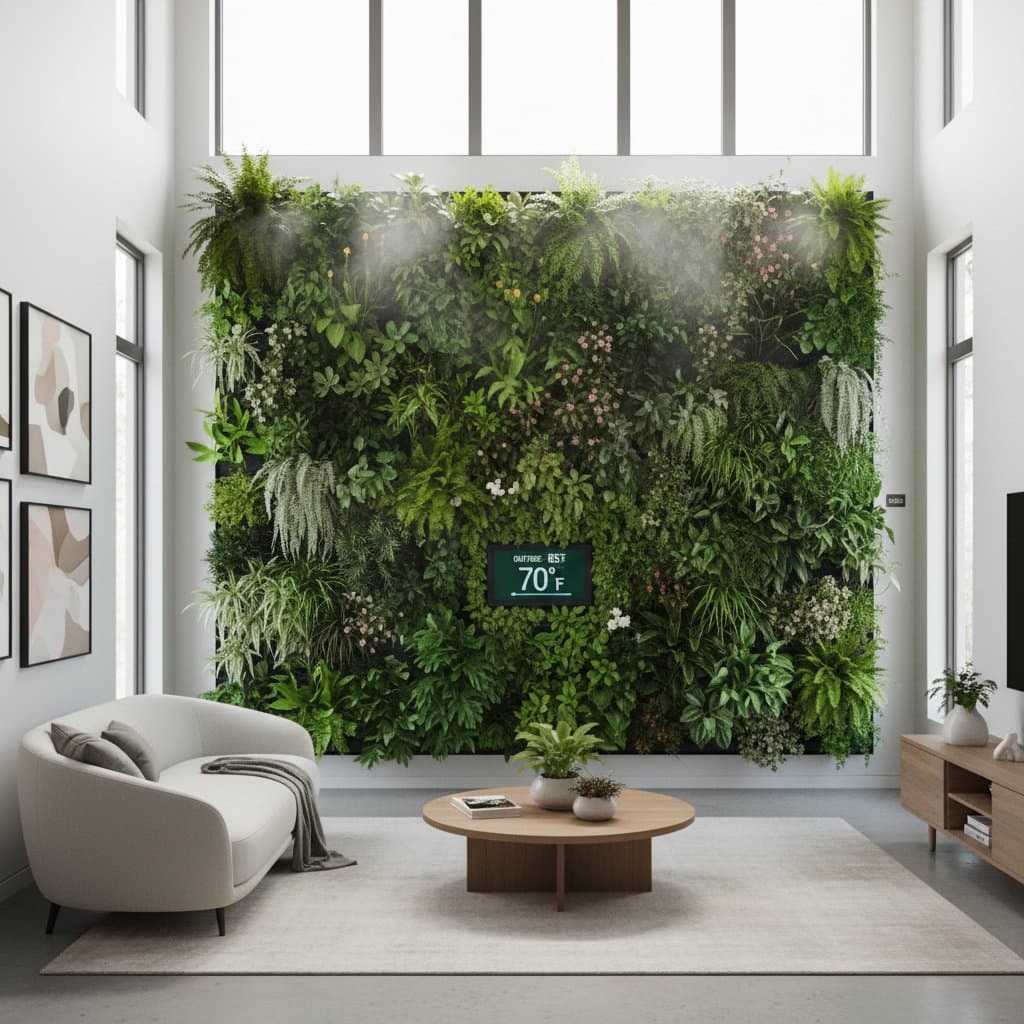
Vertical gardens turn ordinary walls into efficient cooling systems, reducing indoor temperatures by up to 15 degrees through natural processes. Select the ideal plants and designs to enhance air quality, lower utility expenses, and increase home appeal with eco-friendly practices that ensure year-round comfort.
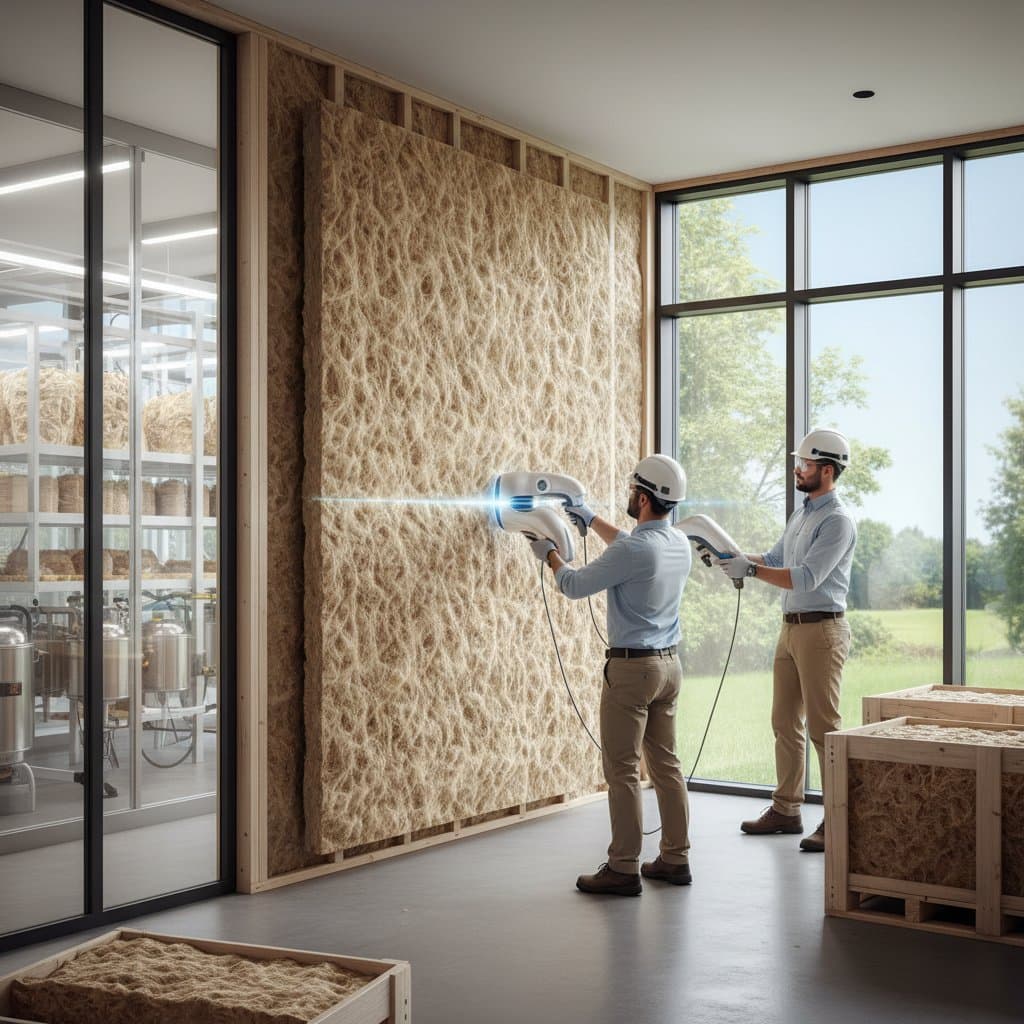
Mycelium insulation, derived from fungal networks, transforms sustainable construction through its natural fire resistance, carbon sequestration capabilities, and energy efficiency gains of up to 30 percent. Although initial costs exceed those of traditional options, expanded production will likely achieve affordability by 2026. This compostable, non-toxic material delivers superior performance and positions itself as a viable alternative to conventional insulation in future eco-friendly homes.
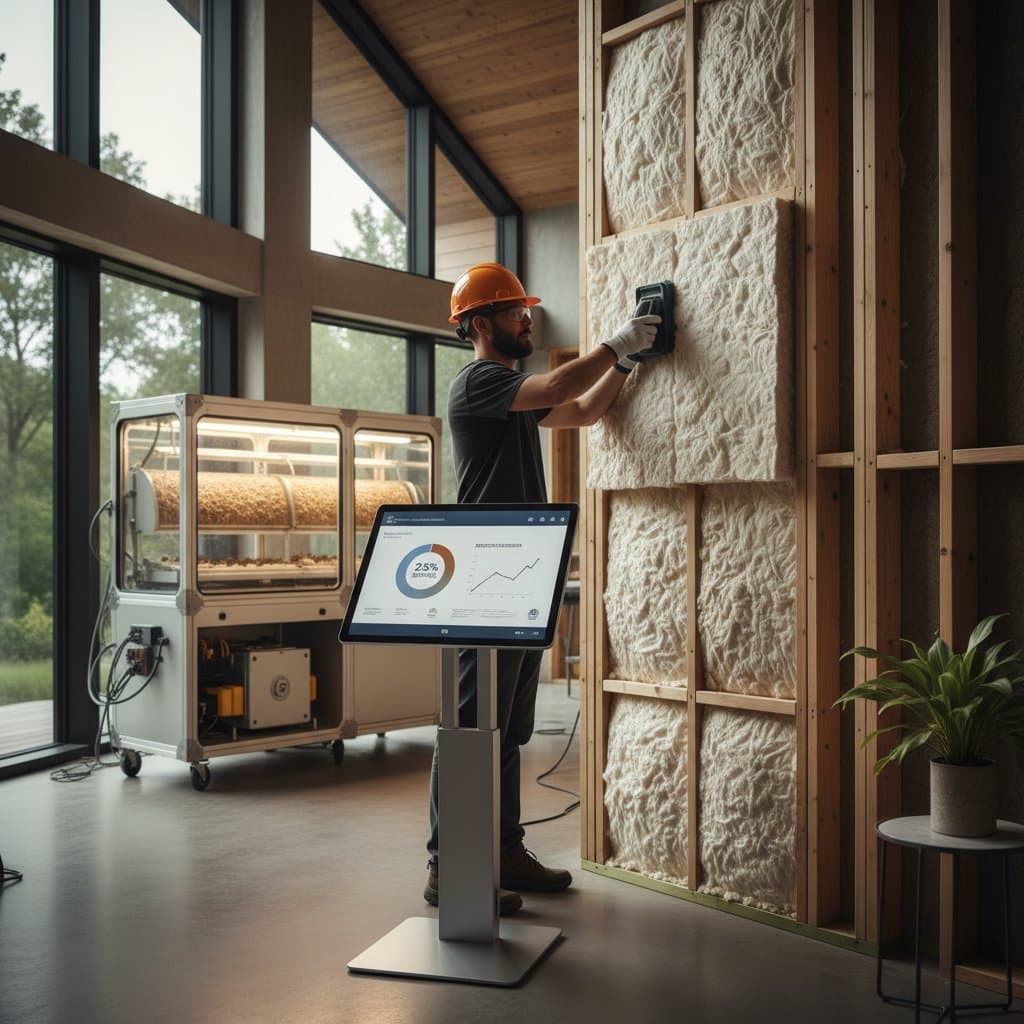
Mycelium insulation, derived from fungal roots and agricultural waste, reduces home energy consumption by up to 25 percent, elevates indoor air quality, and minimizes environmental harm. This compostable, high-performance option revolutionizes sustainable construction, delivering enduring savings, superior comfort, and a pathway to eco-conscious residences.
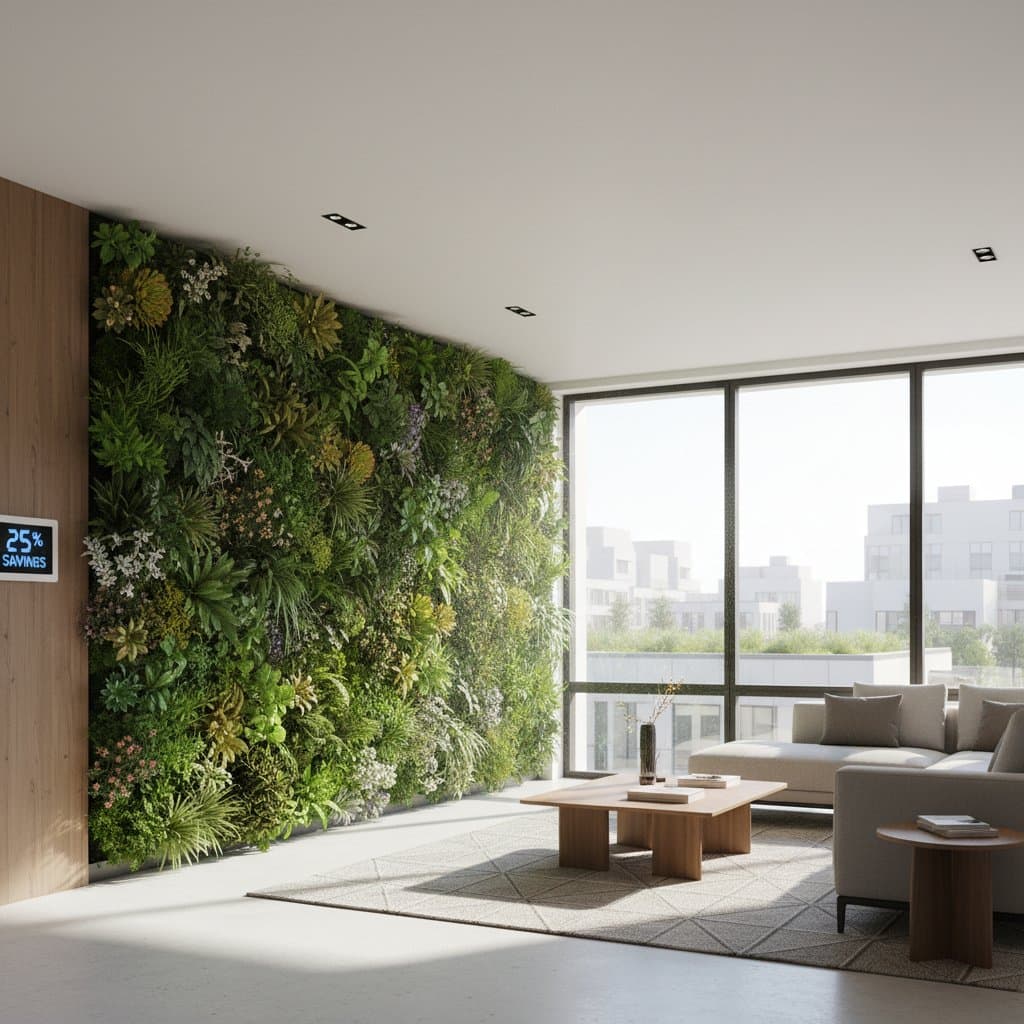
In 2026, homes adopt living walls as vertical gardens that reduce air conditioning costs by 25 percent. These features provide shade, insulation, and cooling through evapotranspiration, while also enhancing property values and improving air quality. With returns on investment reaching 18 percent, living walls demonstrate that sustainable choices offer beauty and financial benefits.
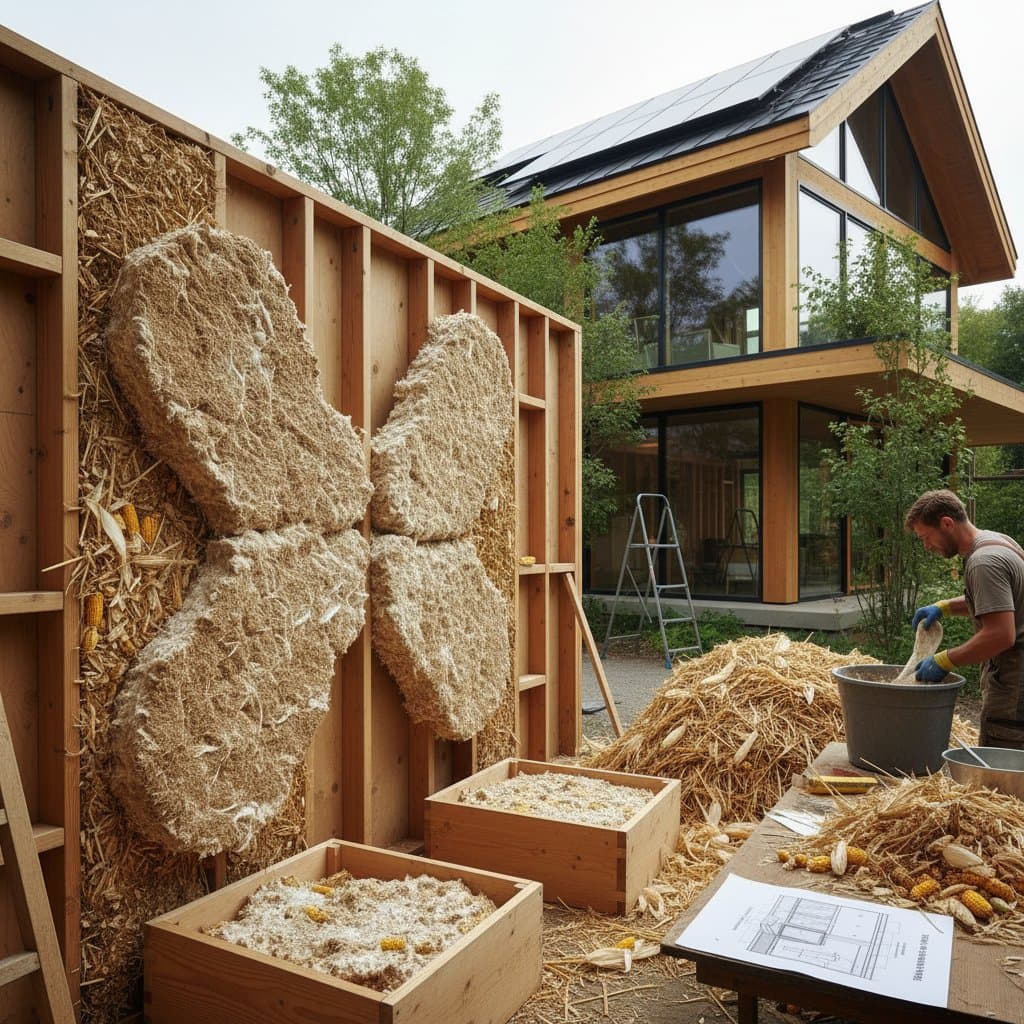
Mycelium insulation represents a renewable material that develops from agricultural waste to form breathable, non-toxic panels. This option provides superior thermal resistance, inherent humidity regulation, and decreasing production costs, thereby reshaping sustainable residential architecture. Homeowners discover straightforward methods to cultivate and apply this environmentally sound insulation for forward-thinking habitats.
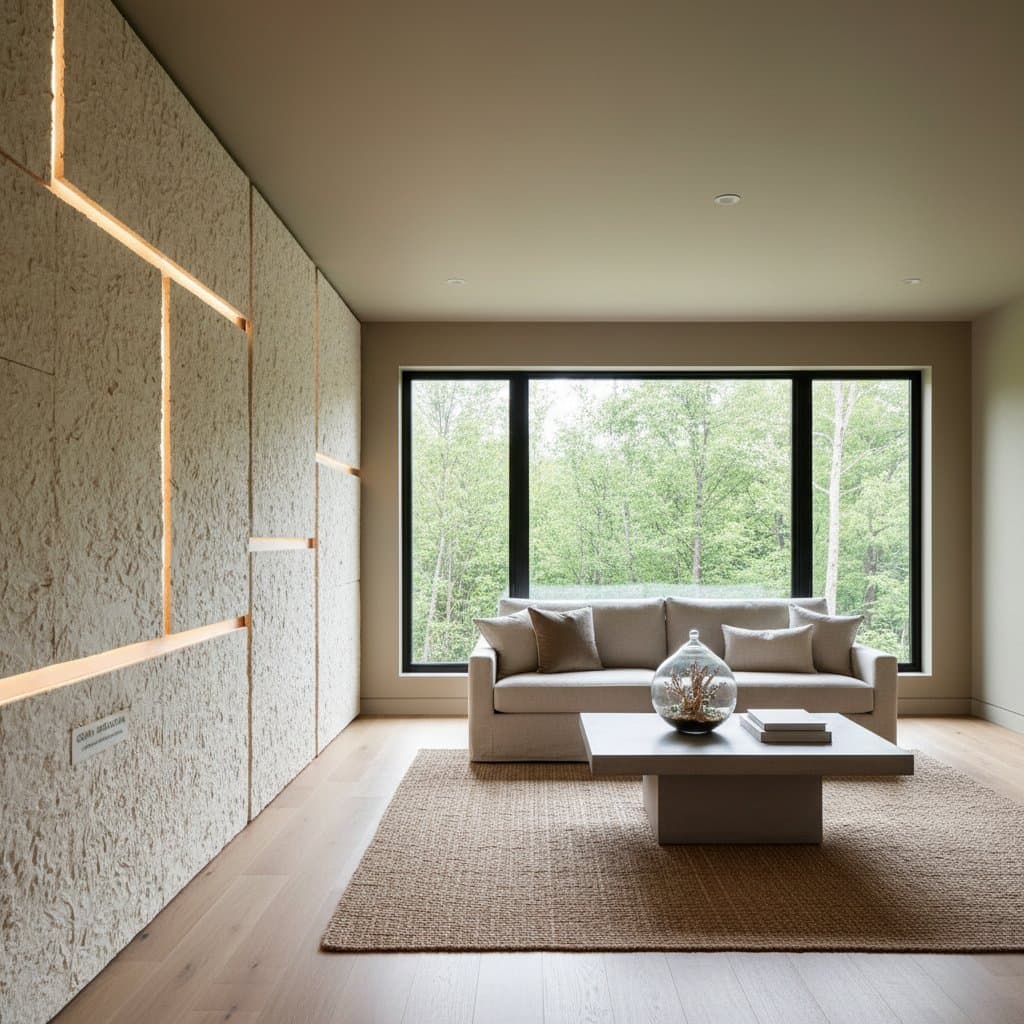
Elevate your home's sustainability with mycelium insulation, a biodegradable option grown from fungi and waste materials. It matches traditional insulators in performance while sequestering carbon and improving air quality. Follow these steps to grow, install, and benefit from this living, compostable solution for lower bills and a greener planet.
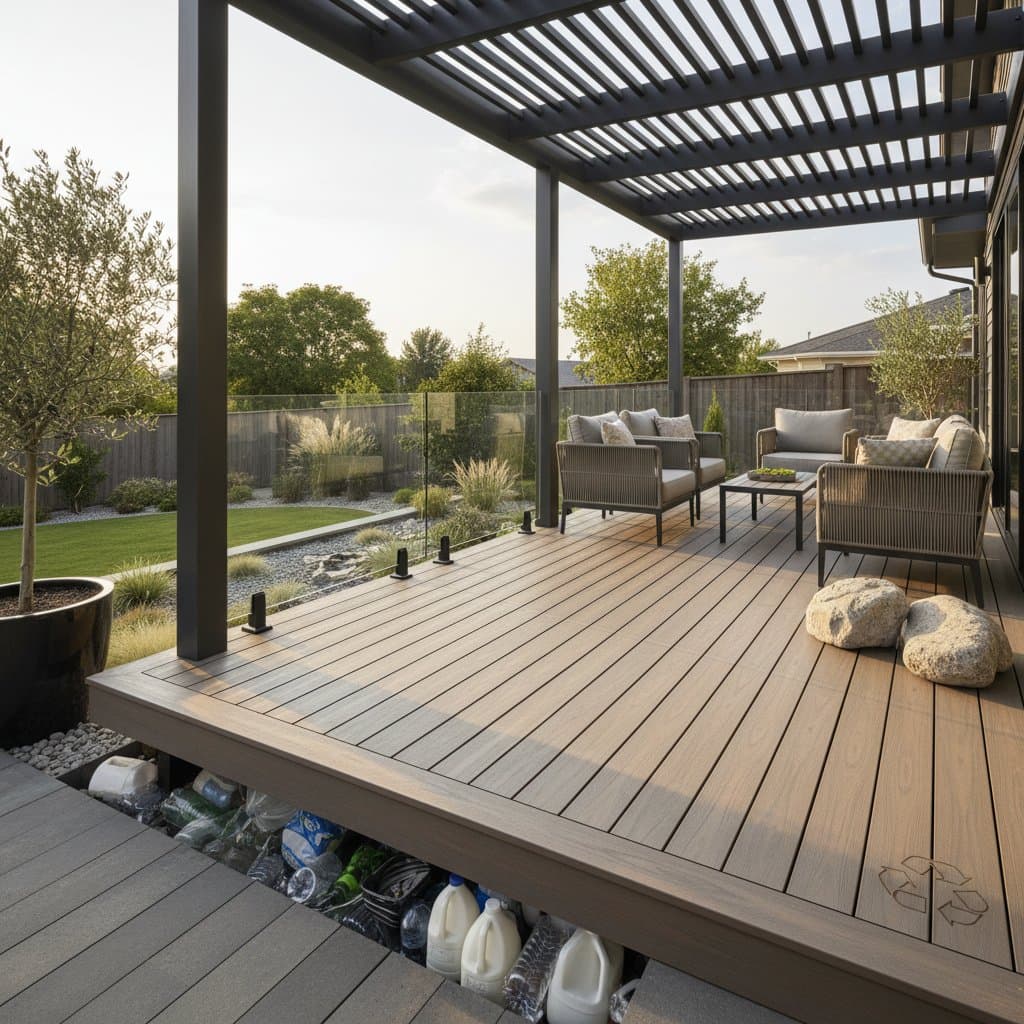
Recycled plastic decking redefines outdoor living with unmatched durability, low maintenance, and eco-friendly design. Made from up to 90 percent reclaimed materials, it outlasts wood while reducing waste and long-term costs. Improved aesthetics, recyclability, and sustainability make it the smart, stylish choice for greener, tougher decks in 2026 and beyond.

Living walls, known as vertical gardens, reduce home cooling costs by up to 25 percent via natural insulation and evaporative cooling. These features also improve air quality, elevate property values, and promote sustainability. Strategic plant selection and irrigation systems turn walls into efficient, green solutions for contemporary residences.
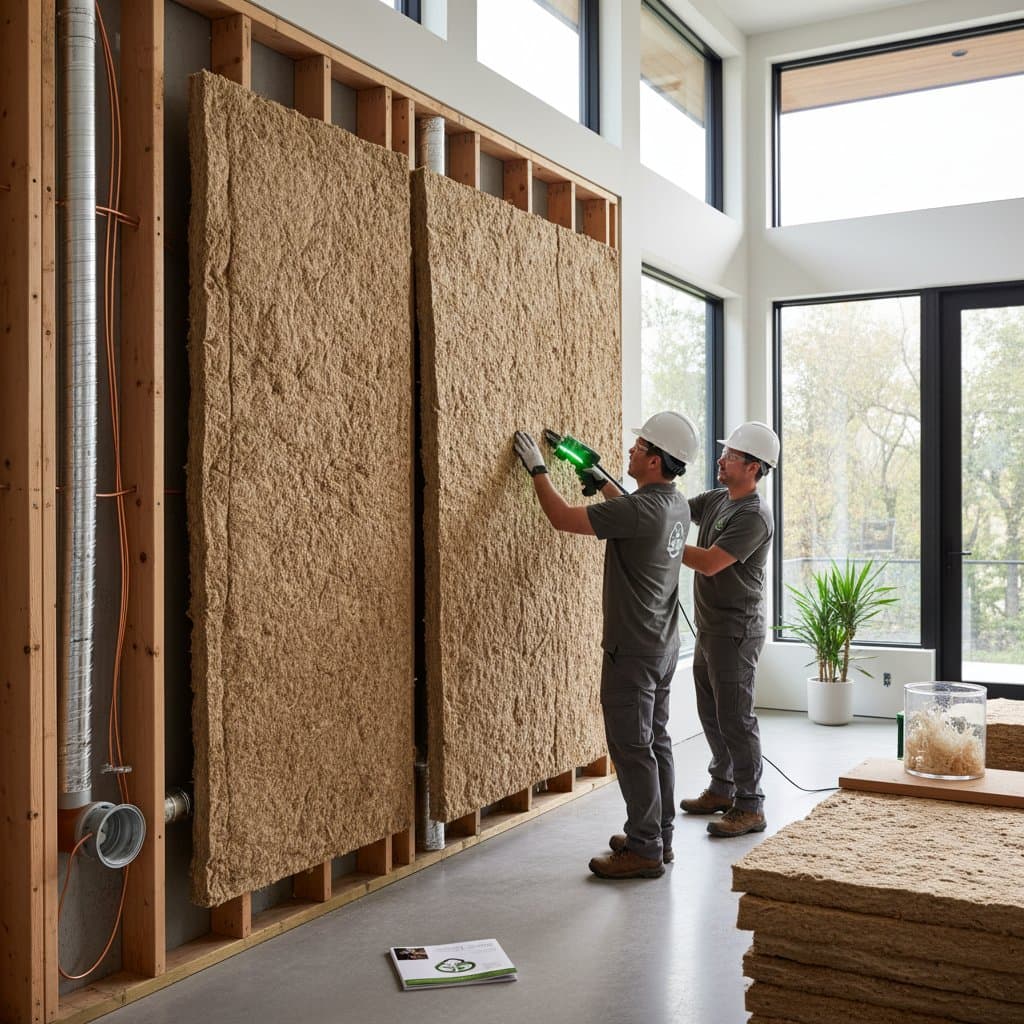
Mycelium insulation revolutionizes eco-friendly housing by combining fungal growth with advanced thermal properties. This biodegradable alternative to synthetic materials offers superior energy efficiency, noise reduction, and health benefits, paving the way for cost-effective, regenerative homes in 2026.
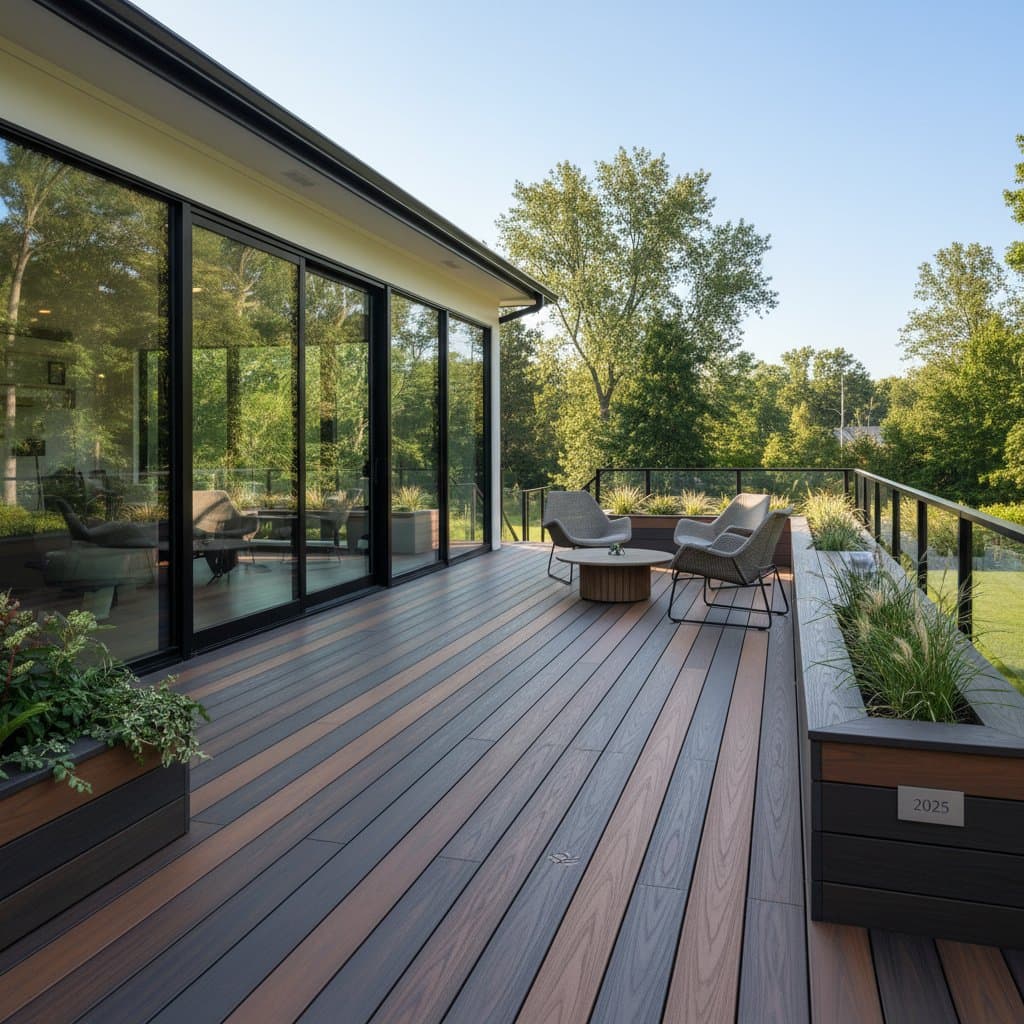
Recycled decking transforms outdoor living in 2025 by blending sustainability, aesthetic appeal, and superior longevity. Crafted from repurposed plastics and wood fibers, these composites surpass traditional wood in resilience, upkeep demands, and ecological benefits. With diverse designs and innovative features, recycled decks set the benchmark for thoughtful, modern exteriors.

Recycled plastic decking reshapes outdoor living in 2025 with sustainability, durability, and aesthetic appeal. Constructed from up to 95% reclaimed materials, these boards surpass wood in longevity, lower maintenance expenses, and curb waste. Innovative designs, recyclable components, and exceptional performance position this option as a responsible choice for stylish, enduring builds.