Key Points
- Recycled ocean plastic establishes itself as a reliable structural and aesthetic material in sustainable construction projects.
- Homeowners and builders realize substantial benefits from reduced lifecycle expenses and enhanced material longevity.
- Knowledge of manufacturing techniques, performance specifications, and market trends empowers investors to proceed with assurance.
- The material's adaptability supports use in diverse climates, financial plans, and design aesthetics.
The Emergence of Innovative Building Materials
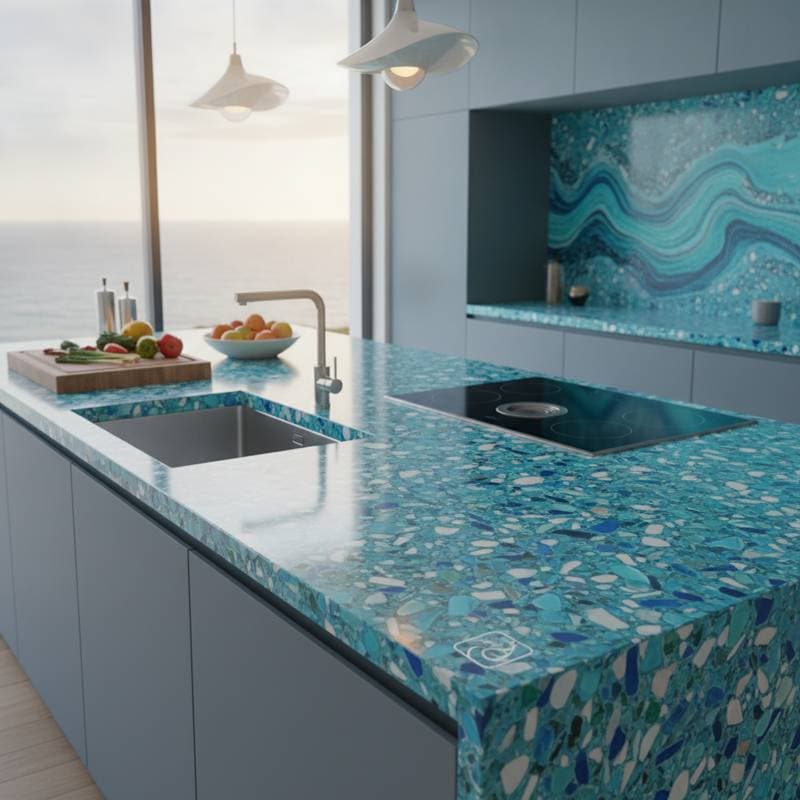
Picture a modern coastal residence where the flooring, exterior siding, and insulation derive from plastic recovered from ocean waters. This once-discarded pollutant now fortifies walls, repels moisture, and promotes ecological balance. Such a scenario represents an immediate reality rather than a remote possibility, as the construction sector embraces these changes.
Professionals in building and homeowners alike pursue options that lessen ecological burdens without compromising reliability. Composites derived from ocean plastic fulfill these criteria by repurposing waste into robust products that compete with established materials in terms of tensile strength, resistance to weather elements, and overall durability. Engineers have validated these composites through rigorous testing, confirming their suitability for load-bearing applications in residential structures.
The Significance of Ocean Plastic in Building Practices
Conventional materials such as concrete and steel demand substantial energy inputs and generate high carbon emissions during production. Recycled ocean plastic utilizes pre-existing waste sources and involves minimal additional processing, yielding a final product with 30 to 50 percent lower embodied carbon than conventional plastics or newly produced resins.
On the economic front, these materials yield savings over time through diminished maintenance needs and prolonged service life. Components fashioned from ocean plastic withstand corrosion and limit water ingress, which reduces the frequency of repairs and replacements. Homeowners may experience lifecycle cost savings ranging from 10 to 20 percent, varying by specific use cases like exterior cladding or interior paneling.
To illustrate, consider a typical seaside home: traditional steel framing might require protective coatings every five years to combat rust, whereas ocean plastic equivalents maintain integrity without such interventions, preserving both structure and budget.
Assessing Performance and Application Feasibility
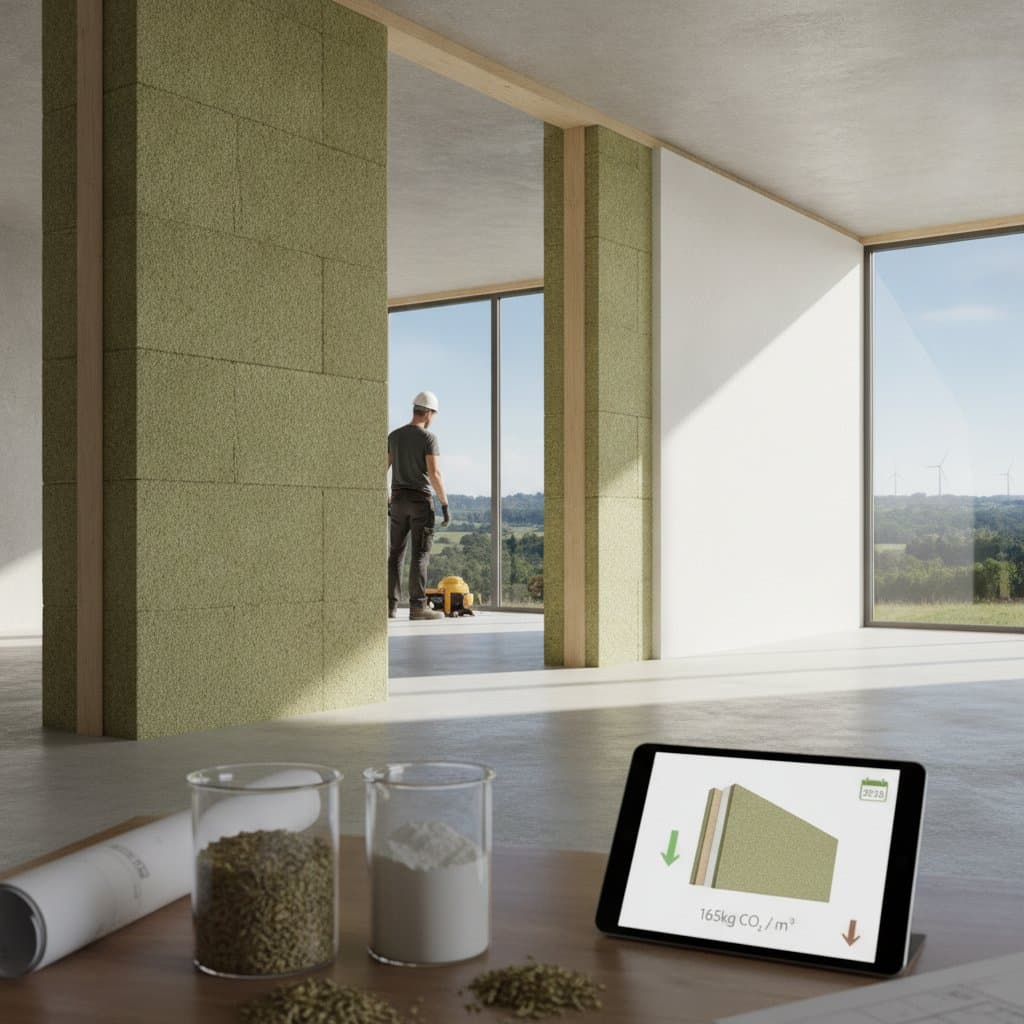
Advanced recycled plastic composites extend beyond ornamental roles to serve in critical structural capacities. Design professionals formulate these materials to comply with global standards for compressive strength, ultraviolet exposure tolerance, and flame retardancy. Applications span framing elements, outdoor decking surfaces, thermal insulation layers, and protective roofing systems.
In practical terms, ocean plastic items prove lightweight for transport, straightforward to fabricate on-site, and integrable with conventional hardware like screws and brackets. Construction crews often complete installations with 15 to 25 percent fewer labor hours compared to metal alternatives, further optimizing project timelines and expenses. For projects in marine or tropical environments, the inherent hydrophobicity of these materials addresses longstanding issues with dampness and degradation.
Testing data from independent labs shows that ocean plastic panels endure simulated coastal conditions—salt spray, high humidity, and temperature fluctuations—without losing more than 5 percent of initial strength over a decade, outperforming many wood-based options in similar scenarios.
Navigating Market Trends and Economic Opportunities
The sector for eco-friendly construction inputs grows at an accelerated pace, fueled by evolving regulations, shifting buyer priorities, and supportive financial mechanisms. Developers in residential and commercial fields increasingly adopt recycled plastic solutions to align with certification programs like LEED, achieving sustainability targets while upholding quality benchmarks.
Industry observers report that structures featuring prominent green elements command premiums of 3 to 7 percent in sales value. Residences incorporating ocean plastic not only attract buyers committed to environmental responsibility but also provide compelling stories of innovation that boost marketability. Investors in real estate portfolios benefit from these trends, as properties with verified low-impact materials demonstrate resilience against regulatory shifts toward carbon neutrality.
Projections indicate that by 2026, the global market for ocean-derived building products will expand by over 40 percent annually, driven by supply chain advancements in plastic recovery and processing technologies.
Enhancing Health, Safety, and Livability
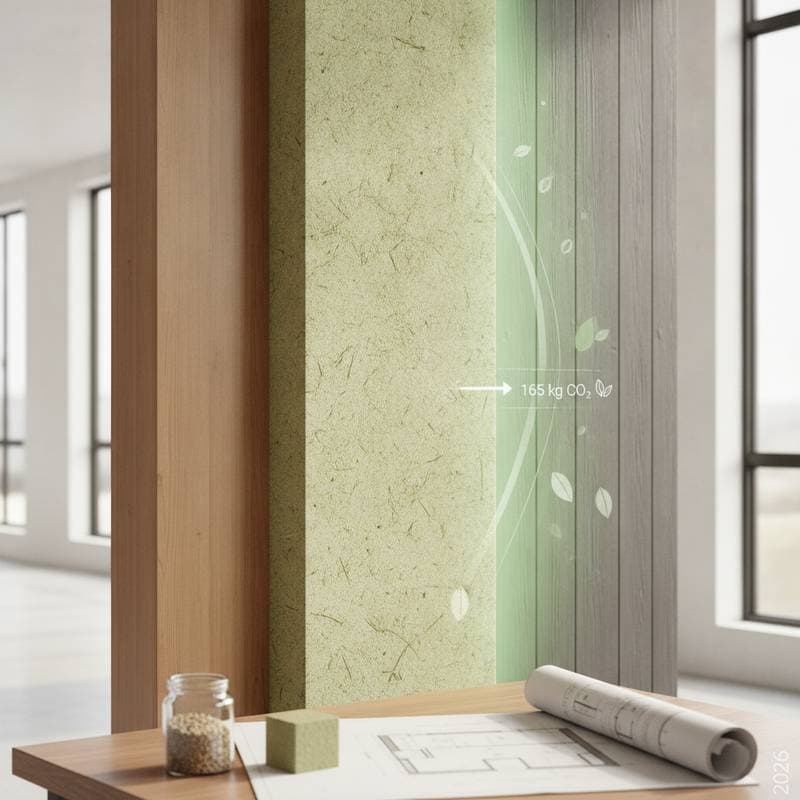
Ocean plastic composites offer advantages that extend to occupant well-being. Production processes typically exclude volatile organic compounds, and these materials pair effectively with organic insulators to elevate indoor air purity. Their non-absorbent surfaces inhibit mold proliferation, rendering them suitable for moisture-prone areas such as lower levels, wet rooms, and cooking spaces.
Integration with efficient energy systems amplifies these benefits by optimizing thermal regulation, which cuts demands on heating and cooling equipment. Residents enjoy reduced energy bills—potentially 15 to 25 percent lower—and consistent comfort throughout seasons. Safety features include low smoke emission during fire events and resistance to chemical leaching, ensuring compliance with health codes in family-oriented homes.
For example, in a humid climate, homes using ocean plastic insulation maintain stable humidity levels, reducing reliance on dehumidifiers and fostering a healthier living environment for children and allergy sufferers.
Implementing Ocean Plastic in Your Project
Homeowners embarking on renovations or new builds should first identify project elements ripe for recycled material integration, such as outdoor platforms, facade coverings, or interior dividers. These areas maximize visibility of sustainability efforts while delivering practical gains. Review supplier documentation for certifications like ISO 14001 for environmental management and ASTM standards for material performance.
Engage builders experienced in green methodologies to assess system compatibility and outline precise installation protocols, including joint sealing techniques to enhance weatherproofing. For funding, investigate specialized loans from institutions promoting low-emission projects or government rebates tied to verified recycled content usage—often covering up to 20 percent of material costs.
Suppliers may provide sample kits for on-site evaluation, allowing teams to test cutting, fastening, and finishing processes before full commitment. This preparatory step ensures seamless adoption and minimizes disruptions.
Realizing Lasting Benefits Through Sustainable Choices
Adopting ocean plastic in construction yields dual rewards: resilient habitats that endure environmental pressures and financial assets that appreciate in value. Each project advances broader goals of waste diversion and carbon reduction, positioning owners as leaders in responsible development. This approach not only secures immediate efficiencies but also builds a legacy of innovation, where everyday structures embody progressive environmental care.