Key Points
- Mycelium insulation serves as a fully biodegradable, non-toxic substitute for traditional foam and fiberglass materials.
- It delivers inherent fire resistance, superior acoustic absorption, and robust thermal insulation adaptable to various climates.
- Installation leads to better indoor air quality and lower embodied carbon footprints with negligible environmental effects.
- Production scaling continues to reduce costs, positioning it as a feasible choice for renovations and new constructions.
Envision a Home That Regulates Itself
In my role as a green building specialist, I have observed numerous homeowners grappling with the challenge of effective insulation that aligns with environmental goals. Imagine entering a residence that maintains coolness amid humid conditions and warmth during cold spells. The walls regulate moisture and temperature effortlessly, fostering a sense of natural equilibrium. Mycelium insulation achieves this balance.
Over years of professional experience, I have witnessed this material progress from experimental applications to reliable options in sustainable architecture. Far from a fleeting innovation, it represents a dynamic substance that develops, adjusts, and integrates into lifestyles centered on ecological responsibility.
Nature's Binding System Revealed
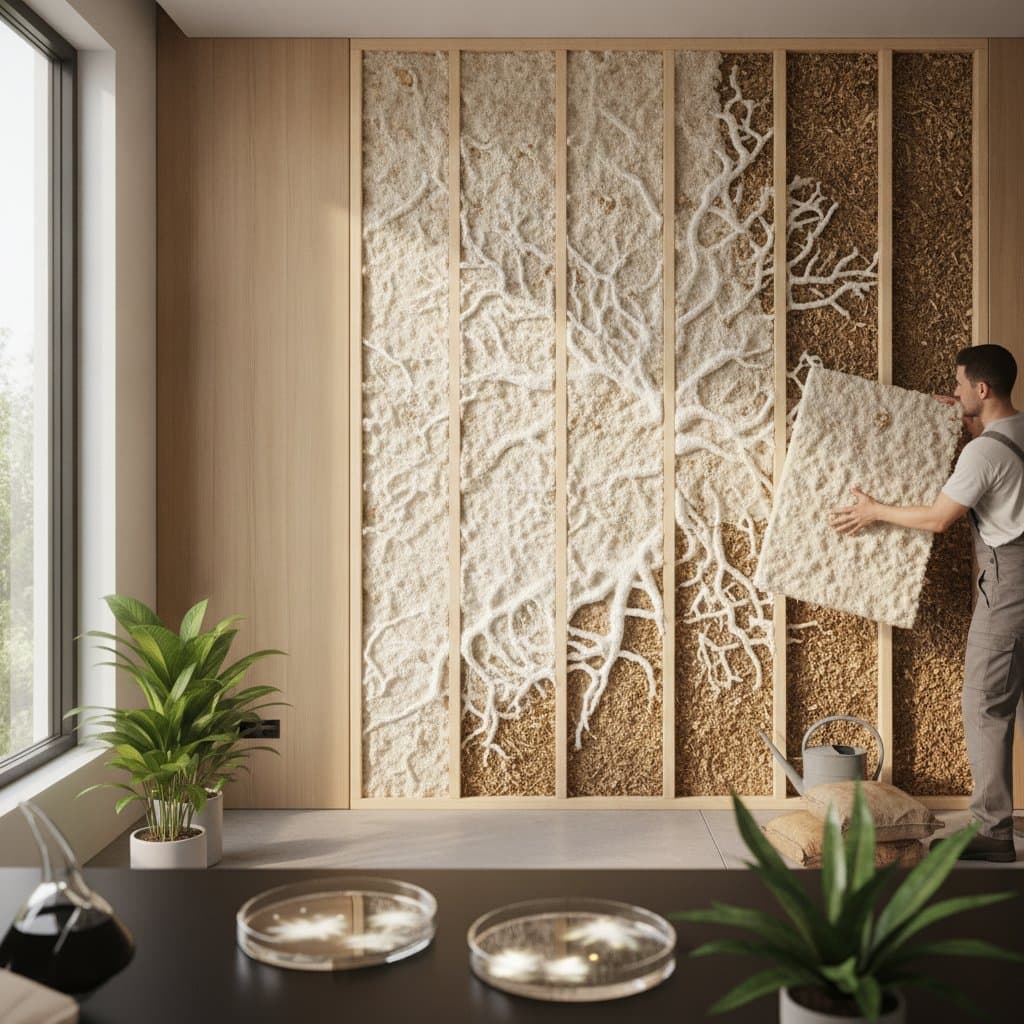
Mycelium forms the underground network of fungal roots, comprising a intricate lattice of threads that naturally interconnect. Under regulated growth environments, it expands through substrates like hemp residues or wood shavings, yielding a lightweight yet sturdy block. After dehydration, this process produces insulation boards free from additives, artificial adhesives, or fossil fuel derivatives.
Conventional insulation contributes significantly to embodied carbon, encompassing all emissions from manufacturing. Materials such as fiberglass and foam demand high-energy production and may emit harmful volatile compounds. Mycelium insulation counters this by sequestering carbon within its matrix, yielding a positive ecological outcome.
Reasons Builders and Homeowners Take Notice
The worldwide movement toward reduced-impact building materials elevates mycelium insulation to prominence. One might question whether a fungi-derived product can rival established insulators in efficacy. Evidence confirms its capability, augmented by distinct advantages.
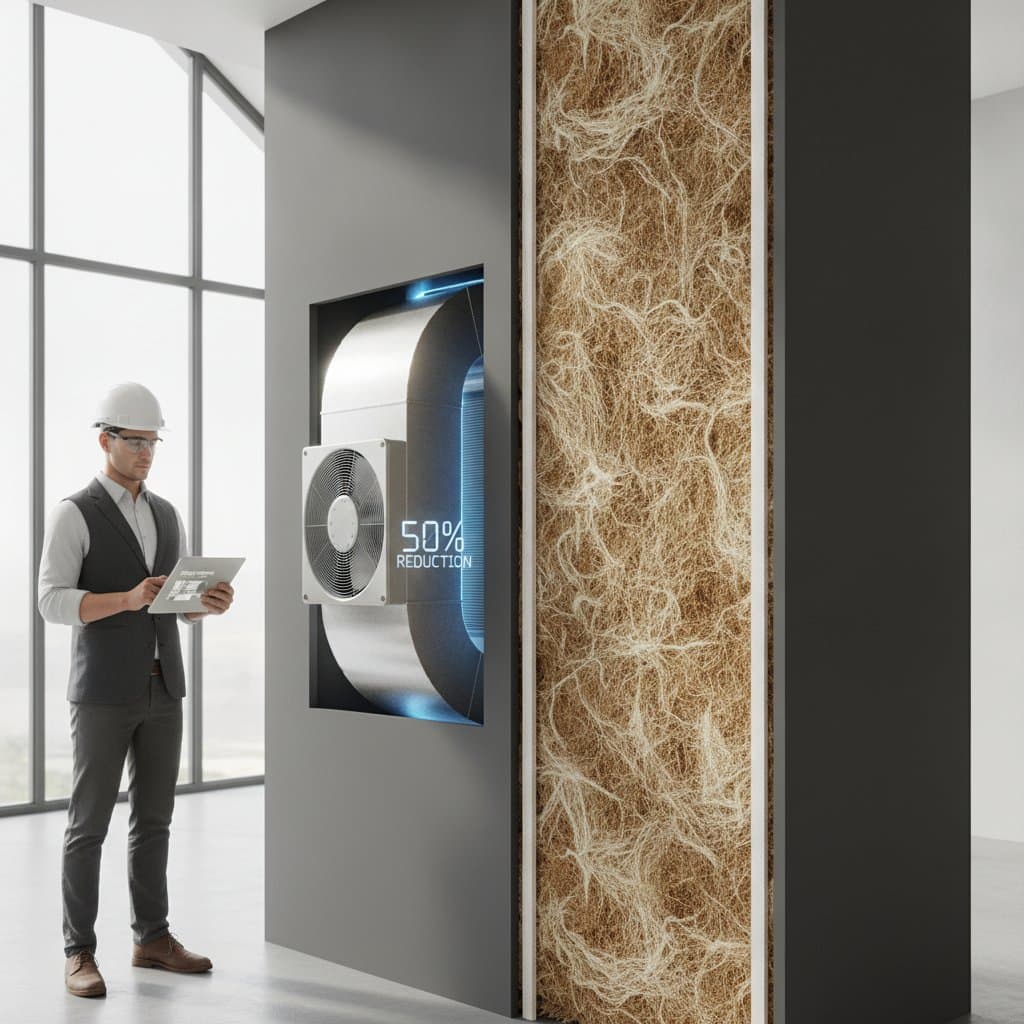
Testing in controlled settings demonstrates that mycelium reaches R-values similar to mineral wool, effectively impeding thermal transfer. Its cellular makeup excels at sound dampening, benefiting spacious layouts or city environments requiring quiet. The presence of chitin, a fungal polymer with fire-retardant qualities, enables it to endure elevated heat without generating hazardous gases.
Strategies to Enhance Home Efficiency
For those evaluating insulation improvements, follow this structured approach to integrate mycelium and elevate performance.
1. Assess Heat Loss Areas
Engage a certified energy auditor for your property. Legacy structures often dissipate 30 percent of energy via inadequately insulated walls or roofs. Identifying these vulnerabilities directs the placement of mycelium for maximum impact.
2. Select Appropriate Mycelium Variants
Mycelium appears in multiple configurations: rigid boards, granular fill, or applicative sprays.
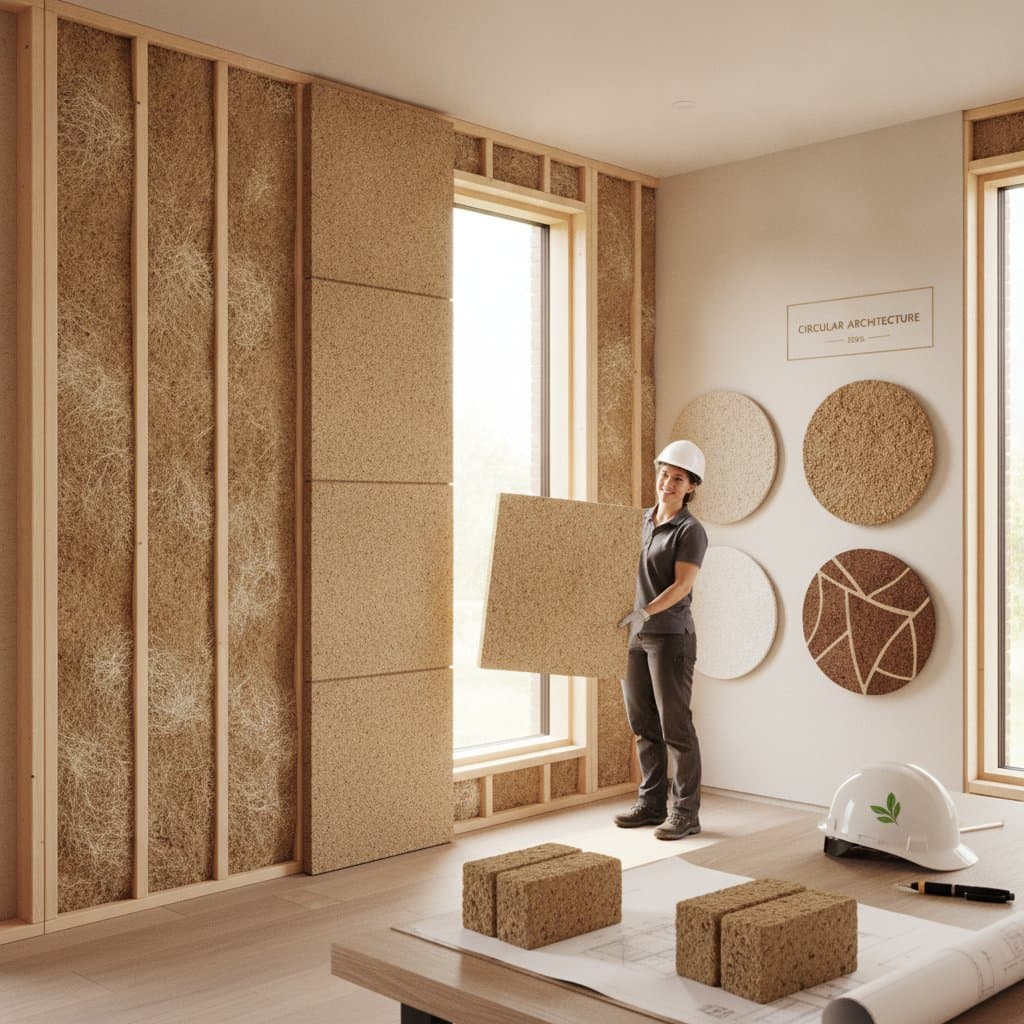
- Rigid boards suit walls and subfloors, ensuring uniform application and added rigidity.
- Granular fill fits attics or uneven spaces, offering adaptability.
- Spray variants, though developing, enable continuous layering with reduced scraps.
3. Address Humidity Control
Mycelium inherently repels mold, yet optimal setups include vapor barriers and permeable assemblies. Combining it with lime-based renders or diffusion-allowing coatings facilitates natural moisture regulation.
4. Engage Qualified Professionals
Given its emerging status, seek installers versed in the material's preparation. Experts manage growth completion, dehydration, and securement to achieve peak functionality.
5. Evaluate Long-Term Results
Post-installation, review utility statements and humidity metrics. Users frequently note 15 to 25 percent drops in climate control expenses in the initial year.
Weighing Expenses Against Benefits
Financial comparisons for mycelium insulation merit consideration. Installed panels currently cost between $12 and $20 per square foot. This exceeds fiberglass rates yet aligns with alternatives like wool or recycled paper products. Primary value emerges from energy conservation and superior air purity.
Production utilizes agricultural discards, minimizing resource demands. Expanded facilities forecast further price reductions. View it as a commitment to enduring efficiency and planetary care.
Sustainably, its carbon profile approaches neutrality. Each volume unit captures biological carbon, avoiding releases. This attribute supports certifications like LEED or Living Building standards.
Distinct Features of Mycelium Insulation
Distinct from manufactured insulators, mycelium operates within biological processes. It adheres intrinsically during cultivation, bypassing external fasteners. Post-drying, it maintains structural integrity without ongoing activity. This inherent unity prevents particle shedding or substance migration.
Comfort indoors benefits from its architecture. Open cells moderate temperature shifts and permit moisture passage, stabilizing conditions. Consider it a responsive layer that averts dampness and microbial growth.
Dr. Elena Vargas, a researcher in sustainable materials, observes, "Mycelium insulation merges biology with design in a profoundly harmonious manner. It enables structures to engage in natural rhythms rather than oppose them."
Adapting to Local Climates
In moisture-rich zones near water, mycelium's permeability avoids water retention issues plaguing standard insulators. Colder locales require sealed builds and moisture barriers for best results. Arid regions gain from its capacity to moderate extremes, preserving interior mildness.
Practical integration with renewables, such as photovoltaic arrays or earth-sourced heat, magnifies outcomes. Such combinations advance zero-emission targets and consistent livability.
Implementing Mycelium in Your Residence
Adopting mycelium insulation requires methodical preparation rather than complexity. Initiate with targeted updates, like roof spaces, before broader applications as funds permit. Progressive changes accumulate efficiencies and enhancements.
For fresh constructions, prompt designers to incorporate compatible frameworks. Prefabricated modules increasingly embed this material for fluid assembly.
As a specialist in green practices, I advise liaising with accredited bio-material experts. Consultations via reputable services connect you to code-compliant, climate-attuned installers.
Selecting mycelium advances personal efficiency while fostering regenerative systems. It embodies coexistence with the environment alongside contemporary ease.
Frequently Asked Questions
How durable is mycelium insulation?
When shielded from direct water and sealed appropriately, mycelium insulation endures for decades. Its lifespan parallels conventional options, with the added benefit of compostability at disposal.
Does mycelium insulation benefit those with allergies?
Yes. The cured form remains stable and spore-free. Absence of chemical fixatives or irritants suits health-sensitive individuals.
Is self-installation of mycelium insulation feasible?
Minor tasks, such as attic fills, allow homeowner efforts, but walls demand professional handling for density, airflow, and barrier integrity.